Skip to content

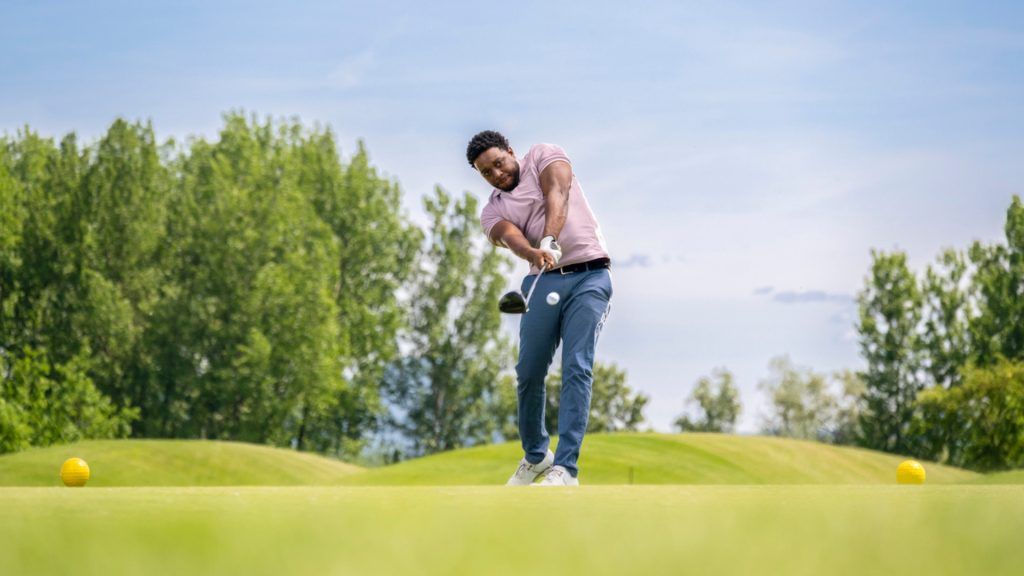

Written by Chee Wai Siong Wesley, Director & Chief Sports Physiotherapist at Physio & Sole Clinic
If you’re an active adult, there’s a specific kind of frustration that comes with golfer’s elbow.
You’re not “injured” enough to be in a cast. You can still train, work, and carry groceries… but every grip, curl, pull-up, kettlebell swing, golf swing, or even opening a jar sends that sharp ache through the inside of your elbow.
And because it’s not dramatic, it’s easy to ignore, until it becomes the reason you stop doing the activities that keep you sane.
As a sports physiotherapist, I often see a pattern in active adults in Singapore: people push through a “small” elbow pain for weeks, then suddenly it’s affecting gym training, racket sports, climbing, golf, and even office work.
Let’s make this clear and practical: what a golfer’s elbow is, what speeds recovery up (without miracle claims), and who you should see when you’re searching for a golfer’s elbow specialist in Singapore.
What is Golfer’s Elbow?
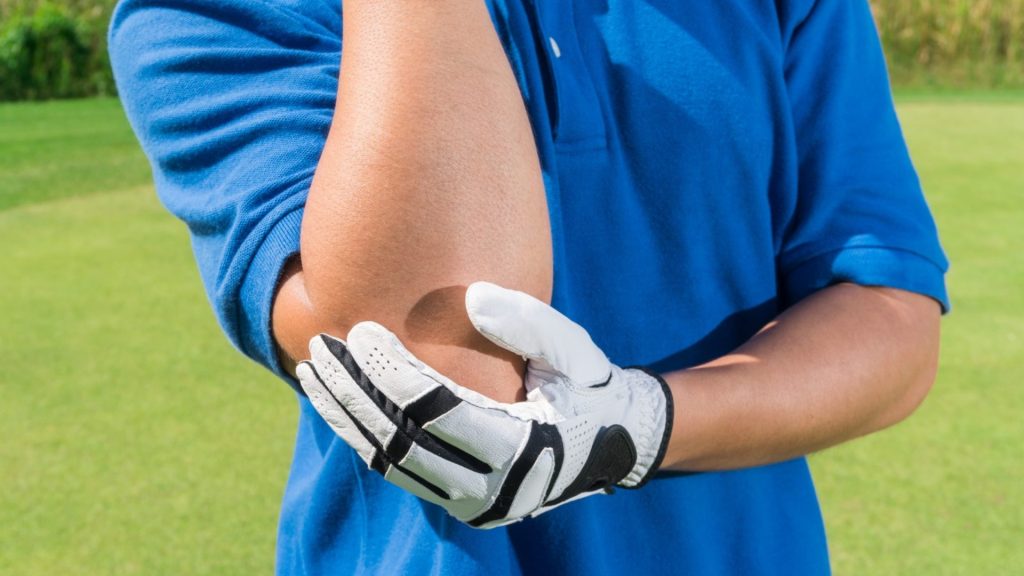
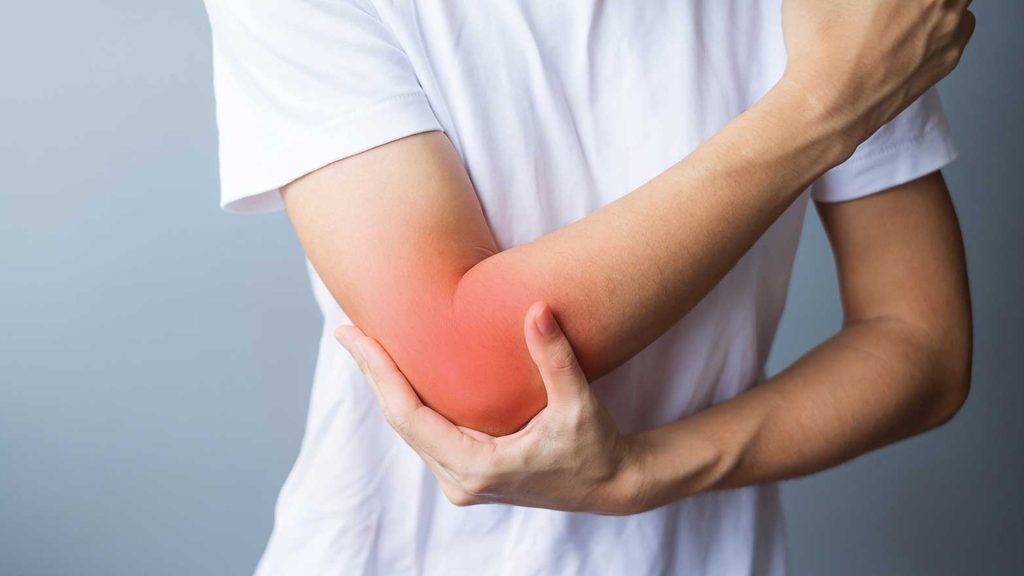
Golfer’s elbow is commonly known as medial epicondylitis, but in real-life terms, it’s pain where the forearm tendons attach to the bony bump on the inside of your elbow. That area takes load when you grip, flex your wrist, or pronate your forearm (think: twisting a key, turning a doorknob, lifting a dumbbell, swinging a club).
A key misconception: it’s not always a “pure inflammation” problem. Many cases behave like a tendinopathy/overload issue; your tendon is irritated because it’s doing more work than it can currently tolerate (too much, too soon, too often, or with technique/strength gaps).
In other words, it’s not just what you did once, but it’s what you repeated.
Why Golfer’s Elbow Shouldn’t Be Ignored
Here’s what I see when golfer’s elbow drags on:
- You stop training your upper body… then your shoulders/neck start acting up.
- You avoid gripping… then your forearm strength drops and the elbow gets even more sensitive.
- You rest “until it’s better”… but every time you return, it flares again.
- You start wondering if you need an injection or surgery, when you may not.
Most cases are managed conservatively, and physiotherapy is commonly recommended as a primary management option. But the longer you wait, the more likely you are to build compensations (and the harder it is to return smoothly to sport).
Who would usually diagnose a golfer’s elbow?
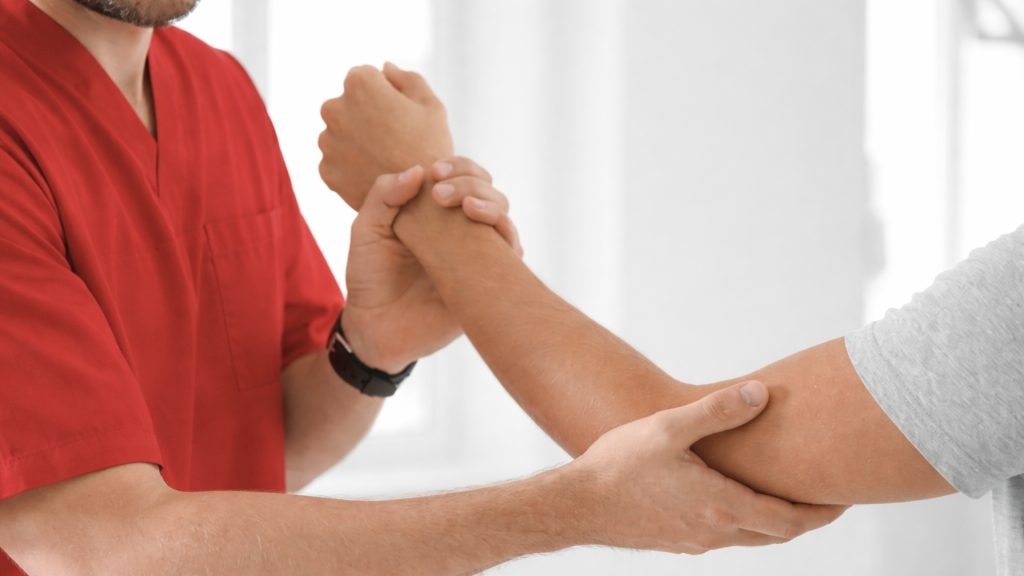
In Singapore, a GP (family doctor) can diagnose many straightforward cases based on your symptoms and a simple clinical exam.
However, if:
- Your pain is persistent,
- You’re an active athlete,
- You’re unsure if it’s golfer’s elbow vs nerve/ligament involvement,
- or you’re worried about “something more serious,”
Then seeing a clinician who deals with sports and tendon pain frequently can be helpful.
Who typically diagnoses it?
- GP / primary care: often first contact; can assess, advise initial management, and refer on if needed.
- Sports medicine doctor / orthopaedic surgeon: useful if symptoms are atypical, severe, traumatic, not improving, or if imaging/injections/surgical opinions are being considered.
- Sports physiotherapist: can clinically assess movement patterns, tendon loading tolerance, and build a staged rehab plan (often what determines whether it truly settles long-term).
Do you always need a scan?
Not always.
Imaging, like ultrasound or MRI, is typically used when we suspect other causes (e.g., ulnar nerve issues, ligament injury, or if symptoms don’t match the usual pattern).
What kind of specialist do you see for elbow pain?
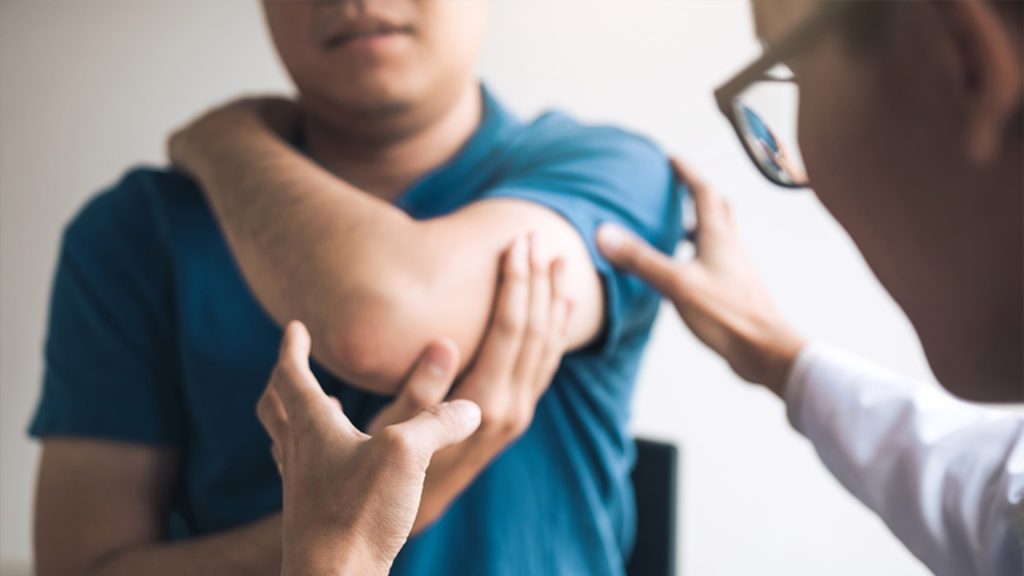
This depends on what you want answered:
If your main question is…
“Why does my elbow hurt, and how do I get back to training safely?”
A sports physiotherapist is often the most direct route because we focus on:
- Load management
- Strength and technique correction
- Graded return to sport
- Reducing recurrence
If your main question is…
“Do I have a tear, nerve problem, or do I need an injection/surgery?”
A sports medicine physician or orthopaedic elbow specialist may be appropriate, especially if symptoms are atypical or refractory.
In practice, the best care is often stepped:
- Confirm the diagnosis and calm the tendon down
- Rebuild capacity with rehab
- Escalate only if you’re not progressing
Quick comparison table: who to see in Singapore
| If you’re experiencing… | Most suitable first step | Reason |
| Mild–moderate inner elbow pain with gripping/lifting | Sports physiotherapist | Rehab is usually the core long-term solution (load + strength + technique). |
| Unsure if it’s golfer’s elbow, nerve pain, or something else | GP or sports physio | Screening + referral pathway if red flags show up. |
| Significant weakness, numbness/tingling, instability, or trauma | Doctor (GP → sports/ortho) | To rule out nerve/ligament/bony issues, imaging may be needed. |
| Tried rehab but still stuck after weeks/months | Sports med/ortho + physio | Consider imaging, injections, or other procedures while keeping rehab going. |
What is the fastest way to fix a golfer’s elbow?
I’ll be honest: the “fastest way” isn’t one magic treatment, it’s doing the right combination early, consistently, and in the correct order.
Evidence-based care typically includes:
- Activity modification (reduce volume/intensity rather than complete shutdown)
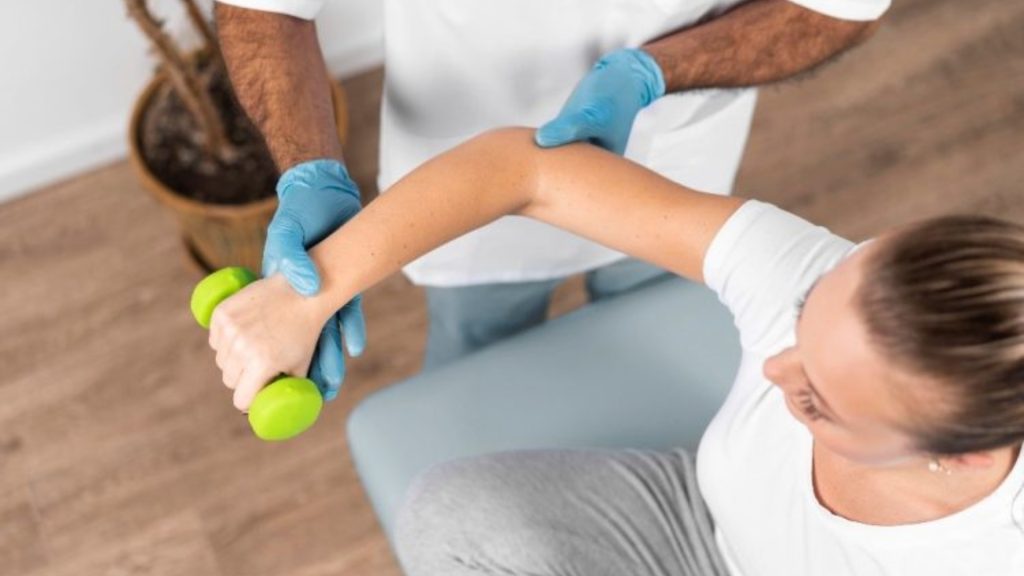
- Progressive strengthening, especially eccentric-focused tendon loading
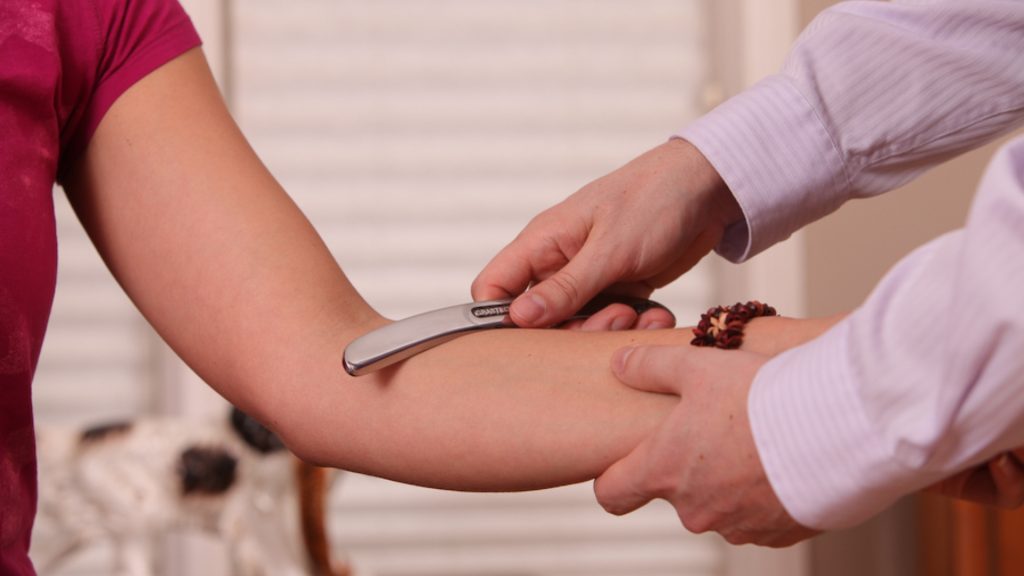
- Manual therapy / soft tissue work where appropriate
- Bracing/splinting in selected cases
- Modalities that support pain reduction so you can load the tendon again (not as a standalone cure)
A practical “fastest recovery” plan I use (without over-promising)
Phase 1 (calm it down, keep you moving)
- Reduce aggravating grips/lifts temporarily (not forever)
- Ice after flare-ups if helpful
- Short-term pain relief strategies, as advised by your doctor/pharmacist, if needed
- Technique changes (e.g., wrist position during lifts, grip size for golf/tennis)
Phase 2 (reload the tendon properly)
- Start with controlled isometrics → progress to eccentrics and full strengthening
- Train forearm, wrist flexors/pronators, grip, and also shoulder/scapular control (because the elbow is rarely the only “weak link”)
Phase 3 (return to sport with a plan)
- Gradual increase in training volume
- Sport-specific drills (golf swing volume, climbing holds, racket intensity)
- Build capacity so it doesn’t reoccur
Where shockwave therapy fits in
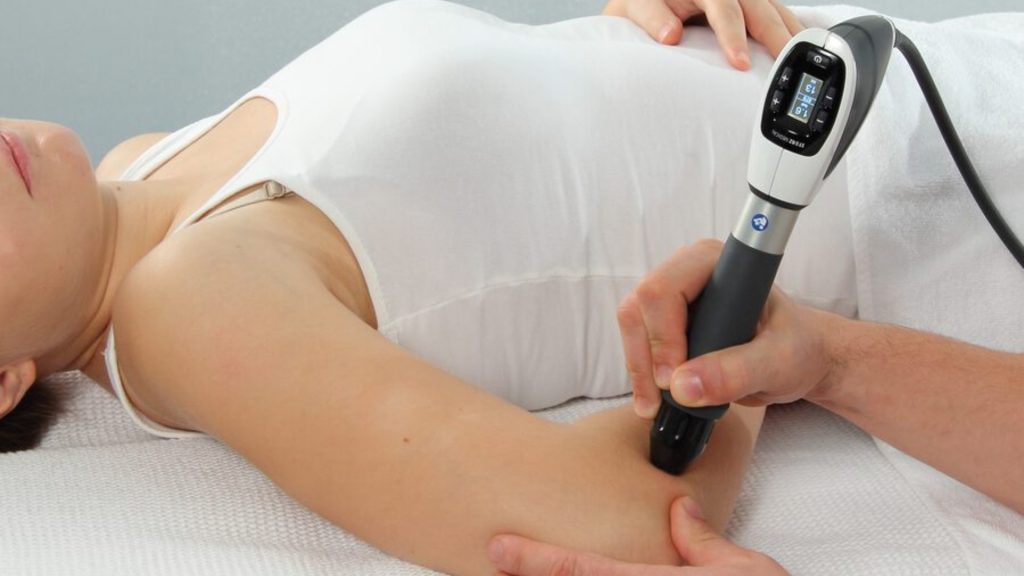
In Singapore, Extracorporeal Shockwave Therapy (ESWT) is commonly used for several tendon conditions, and it’s listed by SingHealth among common indications, including tennis or golfer’s elbow.
In the clinic, I consider shockwave as an adjunct when:
- Symptoms are persistent
- The tendon is irritable and slow to settle
- And we need a boost to support rehabilitation (not replace it)
Simple home exercises people ask me about (and how to do them safely)
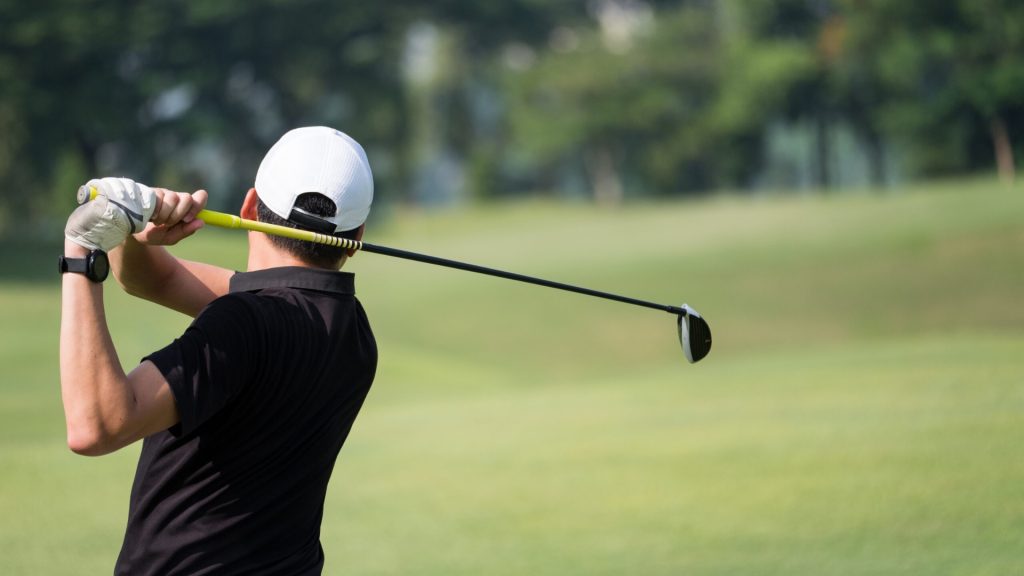
I won’t overload you with a long exercise list here, but these are commonly used building blocks.
Research shows that a staged exercise approach is effective for managing golfer’s elbow, particularly programmes that gradually rebuild strength and tendon tolerance. Early phases often focus on slow, controlled movements before progressing to heavier loading.
Examples (general guidance, not a personalised prescription):
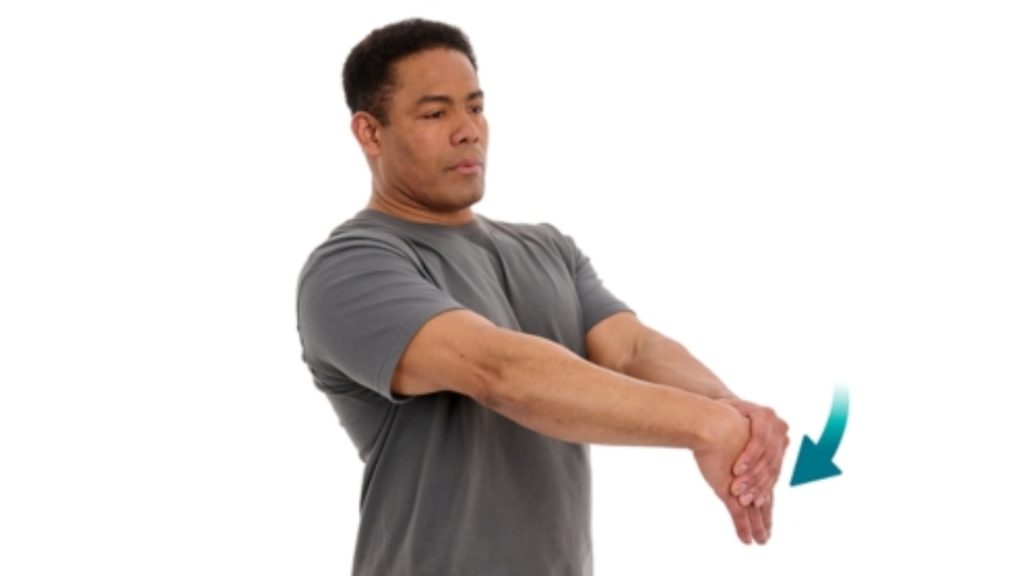
- Wrist flexion and extension strengthening (starting light)
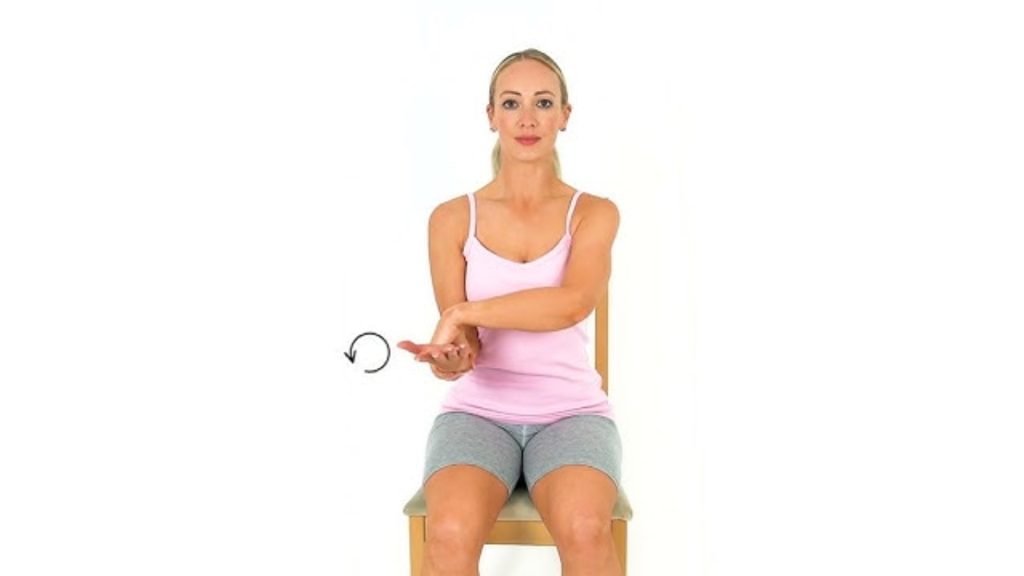
- Forearm pronation and supination exercises
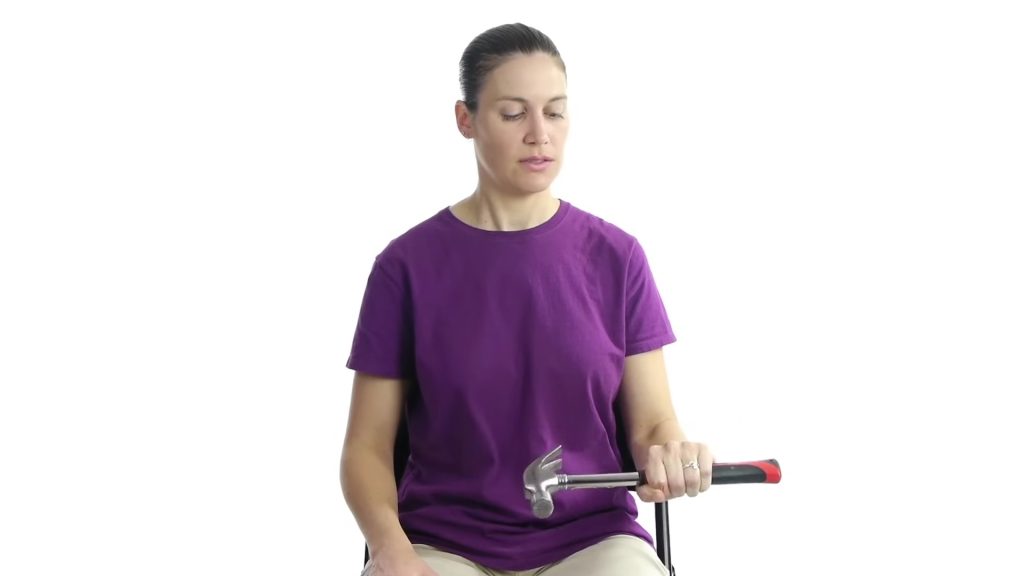
- Grip conditioning with sensible, progressive dosage
Important: Pain does not need to be zero during rehab, but it should be tolerable and should not produce a big flare that lasts into the next day. If it does, you’re doing too much too soon.
Who is the best person to treat tennis elbow?
This question comes up a lot, especially because tennis elbow is often more “famous,” and people mix the two up.
- Tennis elbow is typically painful on the outside of the elbow (lateral side).
- Golfer’s elbow is typically painful on the inside of the elbow (medial side).
The “best person” depends on your needs, but for most active adults, the person who helps you:
- Confirm the diagnosis
- Restore strength and load tolerance
- Return you to sport with fewer flare-ups
…is often a sports physiotherapist, working alongside a doctor if imaging/injection/surgical input is needed.
Common myths about golfer’s elbow
Myth 1: “If I stop everything, it will heal faster.”
Short rest can help calm symptoms, but tendons usually recover best when they’re reloaded progressively, not avoided indefinitely.
Myth 2: “It’s only from golf.”
Many people with golfer’s elbow in Singapore don’t golf at all, common triggers include gym training, pull-ups, manual work, racket sports, climbing, and repetitive gripping.
Myth 3: “An injection is the next step.”
Injections can be considered in selected cases, but the goal is still to restore tendon capacity and function. Steroid injections may relieve pain short-term, but aren’t always the best long-term answer for tendinopathy patterns.
When should you seek professional care in Singapore?
I recommend getting assessed sooner if you have:
- Pain persists beyond 2–3 weeks despite sensible self-management
- Pain that’s worsening or spreading
- Significant grip weakness
- Numbness/tingling (possible nerve involvement)
- Pain after a fall/impact
- Inability to return to training without repeated flare-ups
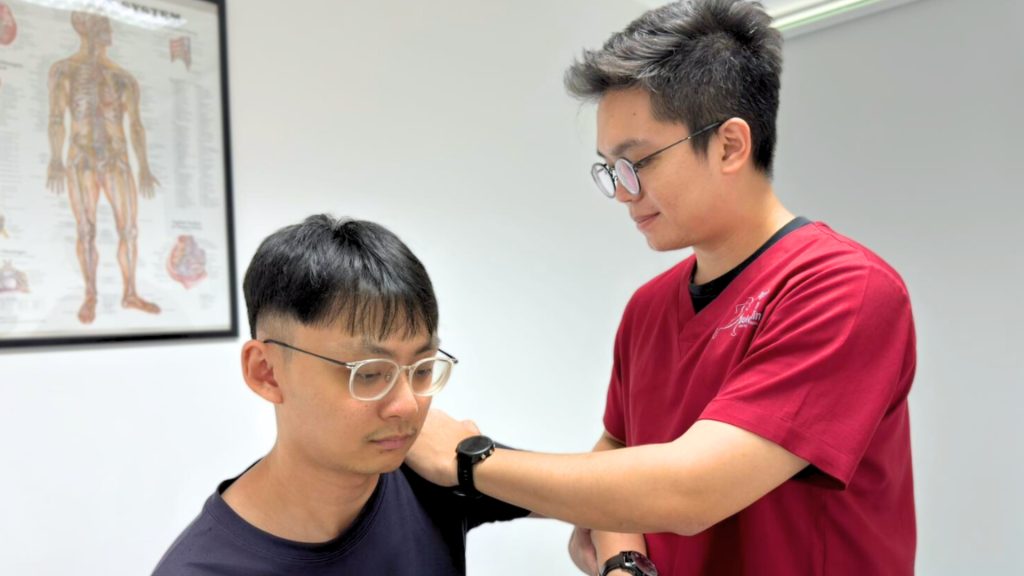
A good assessment should check more than your elbow:
- Wrist and forearm strength
- Shoulder/scapular control
- Technique factors (gym form, golf swing mechanics, desk ergonomics)
- Nerve sensitivity screening where relevant
(And yes, while a golfer’s elbow is an upper-limb issue, I sometimes involve our broader team when needed, because whole-body biomechanics and training habits can influence how your arm loads during sport.)
Why Active Adults in Singapore Choose Physio & Sole Clinic for Golfer’s Elbow Care
When someone searches golfer’s elbow specialist, what they usually want is clarity:
- Is this really golfer’s elbow?
- How long will this take?
- Do I need scans, shockwave, injections, or surgery?
- What can I do now, and what should I stop doing?
Most cases improve with conservative management, and surgery is generally reserved for refractory situations.
My job (as your clinician) is to guide you through the least invasive route that still gets you back to sport confidently, without selling you false speed.
Ready to Get Your Elbow Properly Assessed?
If you’re dealing with inner elbow pain from gym, golf, racket sports, climbing, or repetitive work, and you’re tired of guessing, come in for an assessment.
At Physio & Sole Clinic, we’ll:
- Confirm whether it’s golfer’s elbow (or something else),
- Map out the key loading triggers,
- Build a step-by-step rehab plan,
- And advise whether add-ons like shockwave therapy are appropriate for your stage.
You don’t need to “wait until it’s terrible” to get help. Early guidance usually means fewer flare-ups and a smoother return to training.
Book a sports physiotherapy assessment with us at Physio & Sole Clinic, and let’s get your elbow back to doing what you love—safely and sustainably.