
Quick Summary
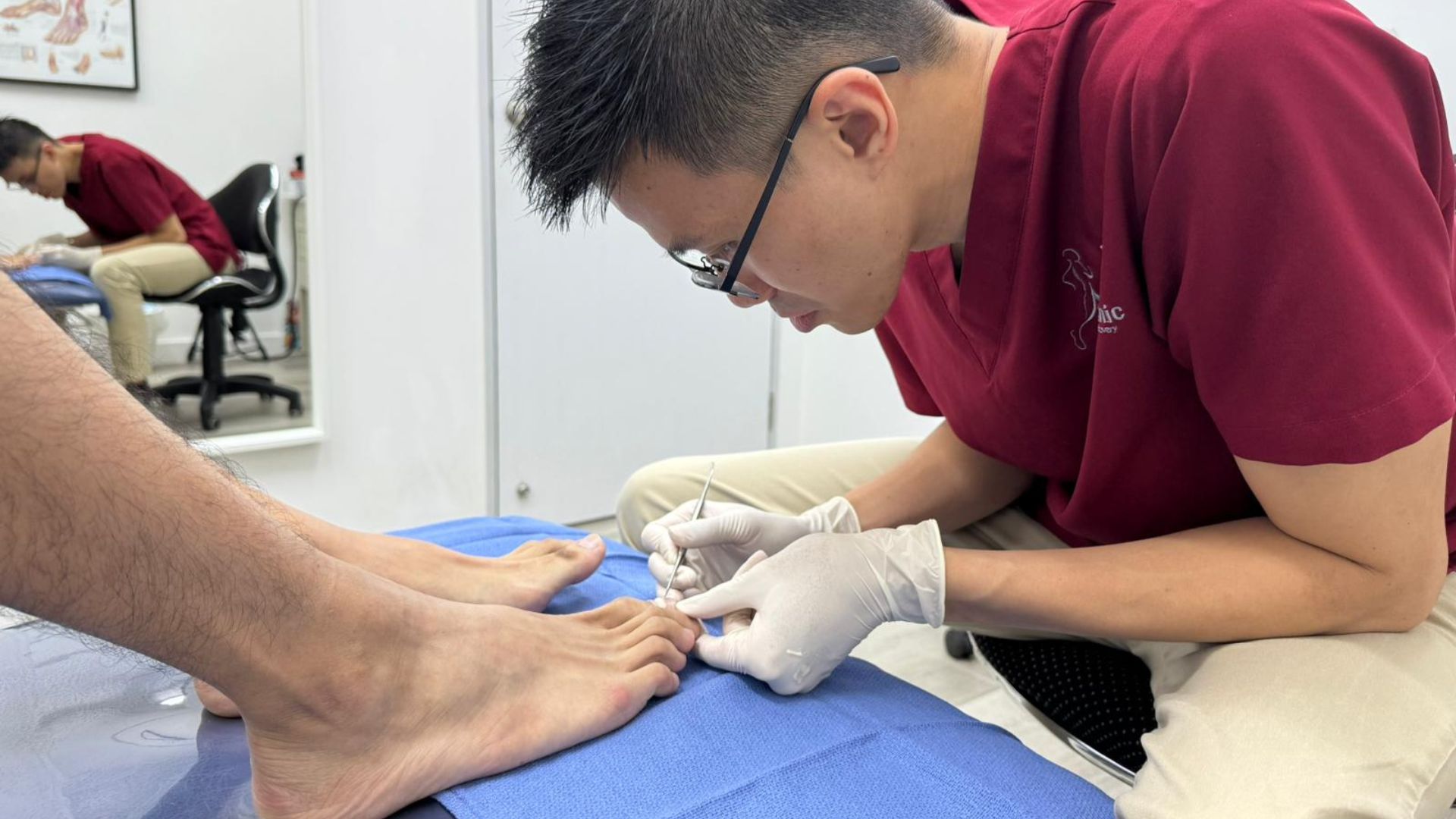
As a clinician, I often see patients in Singapore who are surprised to learn that a routine pedicure can sometimes contribute to foot problems rather than prevent them. Many come in thinking their nail changes, thickened skin, or recurring discomfort are simply part of ageing, an active lifestyle, or “normal wear and tear.” Others assume that as long as a pedicure looks clean and professional, it must also be safe for their feet.
The reality is more nuanced.
While salon pedicures can be relaxing and cosmetically satisfying, they are not designed to assess, manage, or prevent medical foot conditions. In contrast, a medical pedicure focuses on foot health, hygiene, and risk reduction, especially important in Singapore’s warm, humid climate, where nail infections, skin breakdown, and fungal issues are more common.
If you’ve ever wondered what a medical pedicure actually is, how it differs from a regular salon pedicure, or which option is safer for your feet, this article will walk you through the key differences so you can make an informed, confident decision.
How Do Pedicures Differ?

At first glance, a pedicure is a self-care treat: smooth soles, neat nails, and a splash of colour. But what many people don’t realise is:
Standard salon pedicures are largely cosmetic, focused on appearance, not diagnosis or prevention.
Tools may not always be medically sterilised between clients.
Nail and skin issues might be overlooked or worsened if trimming or scraping is too aggressive or done in the wrong way.
Even small breaks in the skin can allow bacteria or fungi to enter, and in a warm, moist environment like a foot spa/tub, this risk can be real.
Meanwhile, common conditions like fungal nail infections (onychomycosis) affect millions worldwide. Studies estimate that about 5.5% of people have fungal nail infections at any time, with prevalence increasing with age. In Singapore’s warm climate and our love for closed footwear, this risk is even higher if we don’t take proper foot care.
What Is a Medical Pedicure?
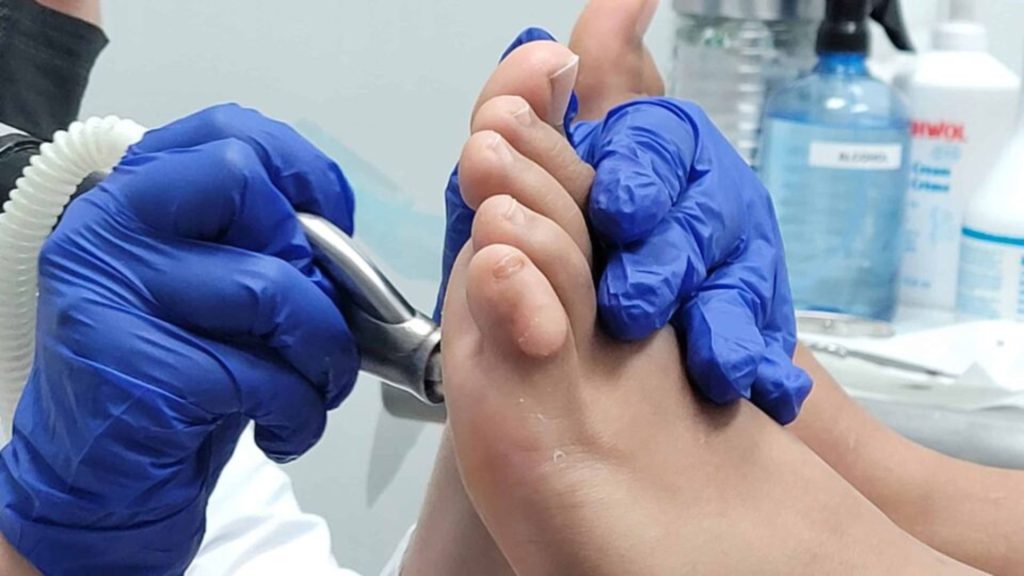
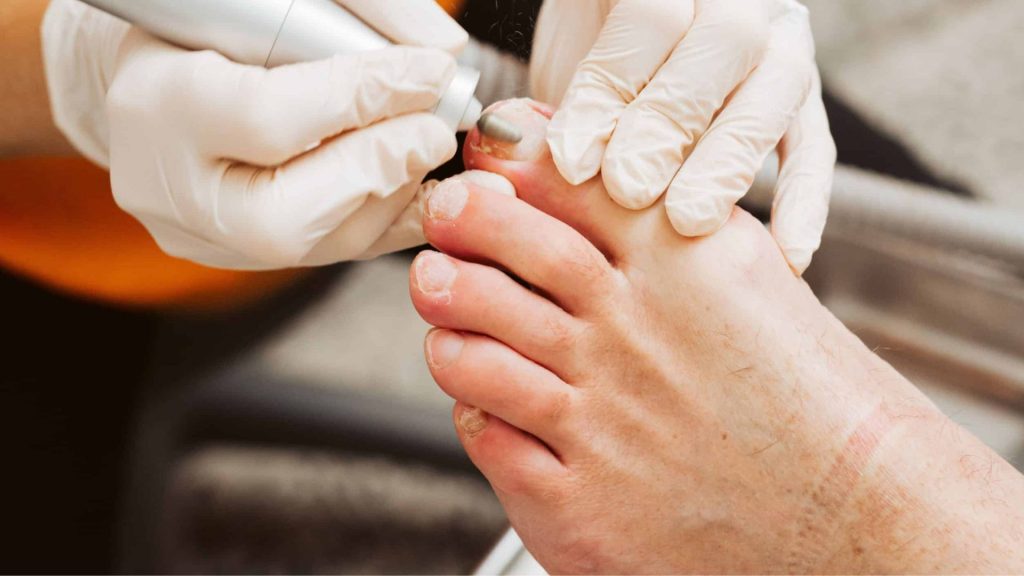
A medical pedicure, also called a medical-grade pedicure, is an advanced, health-focused foot care service provided by trained clinicians like podiatrists. It prioritises foot health and hygiene over aesthetics.
Unlike a regular salon treatment, it includes:
A foot and nail assessment to spot early signs of issues like ingrown toenails or fungal nails.
Medical-grade sterilisation and either disposable or thoroughly autoclaved tools.
Targeted care for corns, calluses, thickened nails, and more.
Education to prevent recurrence.
In contrast, salon pedicures focus on cuticle trimming, filing, buffing, and polishing, which might be fine for generally healthy skin and nails, but offer limited value beyond cosmetic upkeep. (For the full picture on what a medical pedicure can do for you, see our guide to the benefits of a medical pedicure.)
Is a Medical Pedicure Worth it?
Absolutely, if you value safe, lasting foot health rather than just temporary cosmetic results.
Here are common situations where a medical pedicure is particularly valuable:
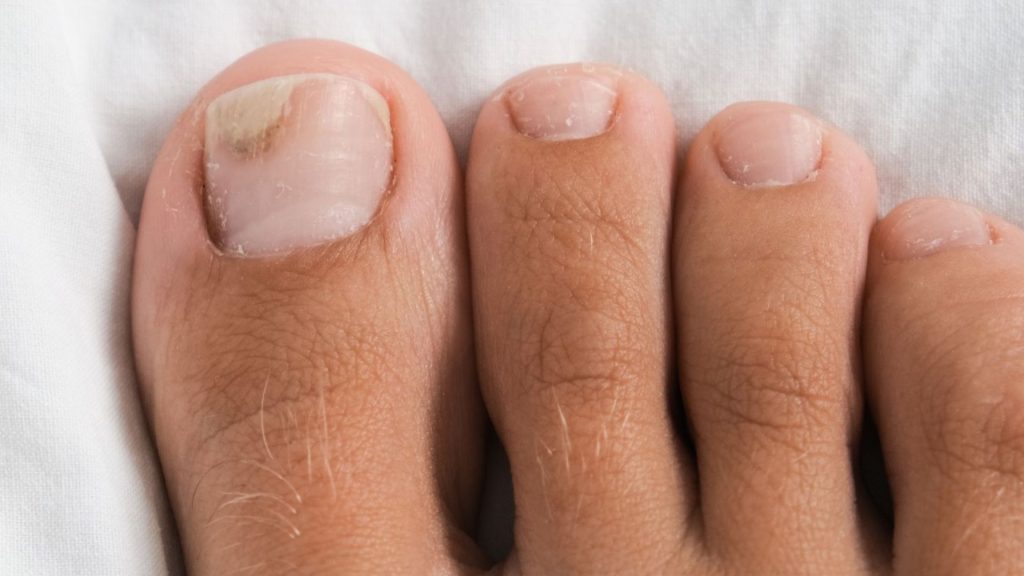
Persistent or thickened nails that won’t resolve with home trimming.
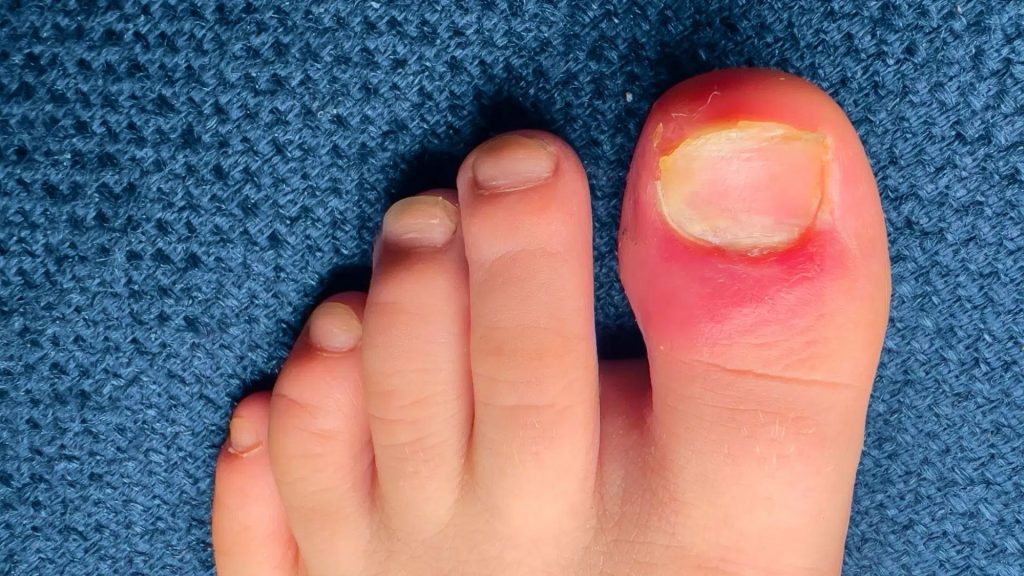
Recurring ingrown toenails that cause pain and swelling.
A history of fungal nails or athlete’s foot.
Diabetes or poor circulation, which increases the risk of complications (even small skin breaks).
Elderly patients (slower nail growth and reduced immune response).
In these cases, a medical pedicure isn’t “just nicer”; it’s a preventative health strategy.
Medical Pedicure vs Salon Pedicure: Key Differences at a Glance

Rather than thinking of pedicures as one single category, it helps to see them as serving different purposes.
A salon pedicure is designed for cosmetic upkeep, shaping, buffing, and polishing. A medical pedicure, on the other hand, is focused on maintaining foot health and reducing risk, especially when there are existing concerns.
| Feature | Medical Pedicure | Salon Pedicure |
|---|---|---|
| Performed by | Qualified clinician (Podiatrist) | Nail technician |
| Focus | Foot health + prevention | Cosmetic appearance |
| Tool sterilisation | Medical-grade | Varies by salon |
| Foot assessment | Included | Not included |
| Address foot conditions | Yes | No |
| Safe for at-risk groups | Yes (with precautions) | Often not recommended |
For patients with recurring nail or skin issues, this difference in training, environment, and intent are often what makes a medical pedicure the safer option.
Is a Medical Pedicure Safer for Your Feet?
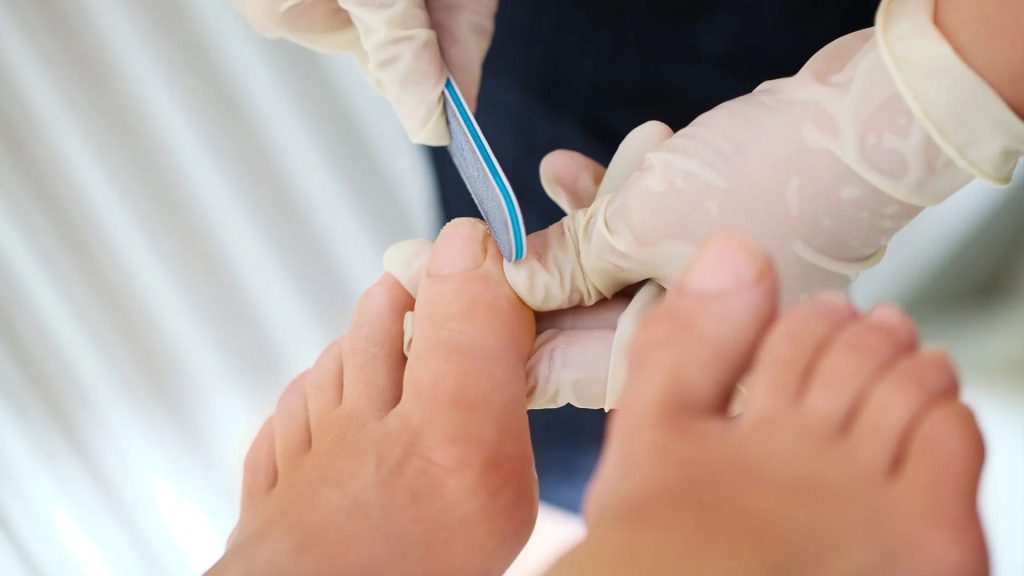
For generally healthy individuals with no ongoing foot issues, salon pedicures may be tolerated without problems. However, the margin for error becomes smaller when there are underlying risks.
A medical pedicure is usually the safer option if you:
Have diabetes, reduced sensation, or circulation issues
Experience repeated ingrown toenails or thickened nails
Are over 50 and noticing slower nail growth or nail changes
Are physically active and place repeated stress on your feet
This is not about fear, it’s about risk management. Even minor skin breaks can take longer to heal or become complicated when circulation or sensation is reduced.
Can a Medical Pedicure Help With Nail Fungus or Ingrown Toenails?
A medical pedicure does not “cure” infections on its own, but it plays an important supportive role in care.
It can help by:
Safely reducing nail thickness, improving comfort, and shoe fit
Lowering pressure on ingrown nail edges
Supporting other treatments, such as antifungal therapies
Reducing recurrence through proper nail shaping and education
For ongoing or worsening symptoms, a podiatry assessment is usually required to determine whether additional treatment is needed.
Who Should Be Cautious With Salon Pedicures?
Salon pedicures may not be suitable if you have:
Diabetes or nerve sensitivity issues
Circulation problems
A weakened immune system
Open skin, cuts, or active infections
A history of recurring foot or nail infections
In these situations, foot care shifts from a cosmetic choice to a health decision.
Key Takeaways for Patients in Singapore
Not all pedicures are designed to manage foot health
Medical pedicures prioritise safety, prevention, and comfort
The warmer, humid climate in Singapore can increase infection risk
Early professional care often prevents more complex problems later
When Should You See a Podiatrist in Singapore?
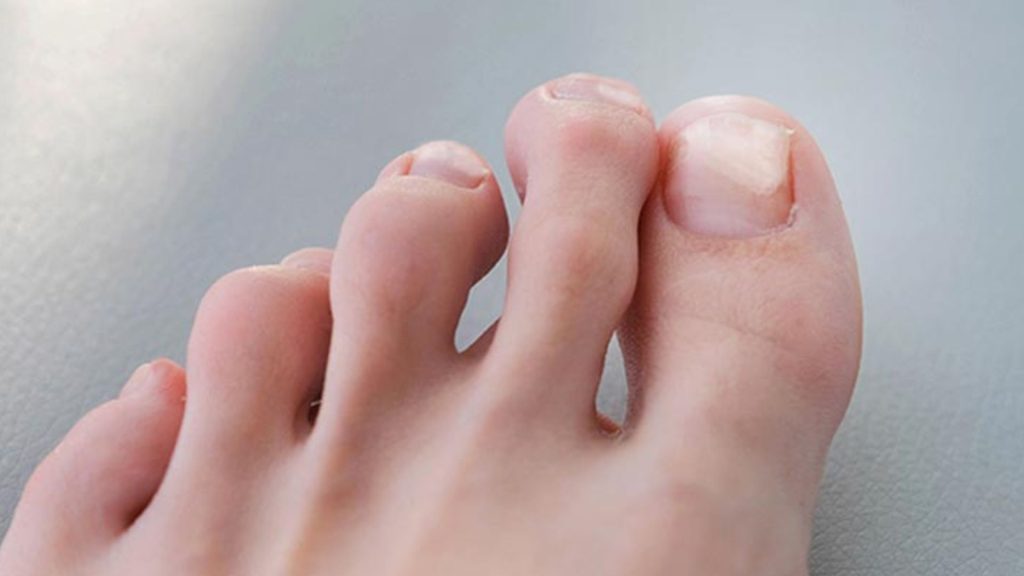
Consider booking an assessment if you notice:
Nails becoming thickened, discoloured, or difficult to cut
Recurrent ingrown toenails or nail pain
Skin breakdown, redness, or swelling
Foot discomfort that affects walking or exercise
Early intervention is especially important for individuals with diabetes or circulation concerns.
Making the Right Choice for Your Feet
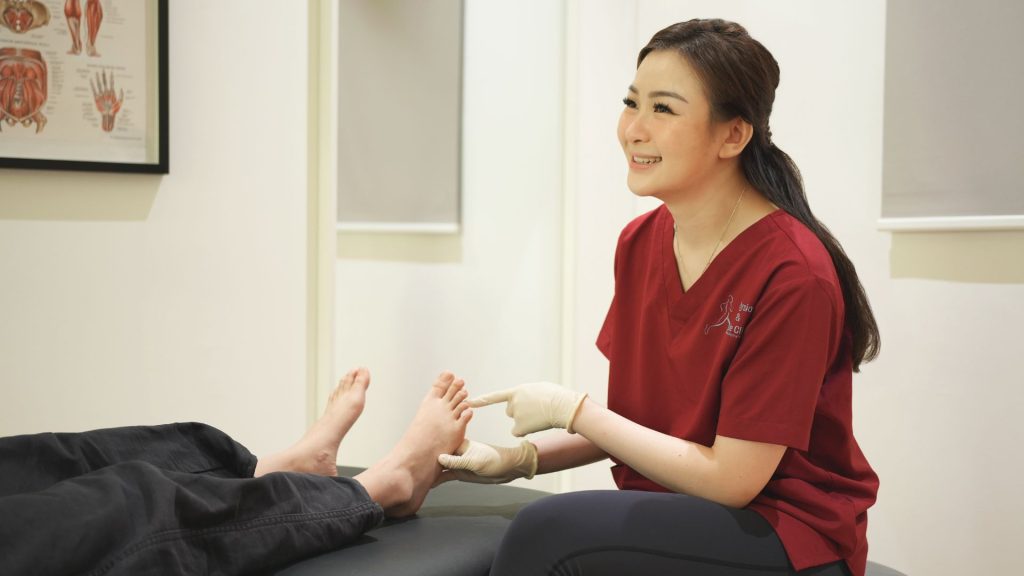
Foot care doesn’t need to be complicated, but it does need to be appropriate. A medical pedicure is not about replacing salon care for everyone; it’s about choosing the right level of care for your feet at the right time.
If you’re unsure which option is suitable for you, a podiatry assessment can provide clarity and reassurance.
If you’d like professional guidance, consider booking a foot health assessment with a podiatrist in Singapore. We’ll help you understand what your feet need, and how best to care for them long-term.
Ready to feel better?
Book a consultation with our podiatry team to get an assessment tailored to you.