




Written by
Wesley Chee
Director & Chief Sports Physiotherapist at Physio & Sole Clinic
A highly experienced sports physiotherapist with a strong background in musculoskeletal and sports rehabilitation, Wesley brings a performance-driven and evidence-based approach to injury management. He has a special interest in treating runners and shoulder conditions, and is passionate about helping patients recover, prevent injuries, and return to the activities they enjoy.
Quick Overview:
If you feel tightness, soreness, or discomfort around the centre of your chest after bench pressing, swimming, rowing, or exercising after long desk hours, the issue may not always be the sternum bone itself.
Often, the discomfort comes from the chest muscles surrounding it — especially the pectoral muscles, also known as the pecs. These muscles attach near the sternum and ribs. When they become tight, overloaded, or restricted, they can create a pulling sensation around the breastbone.
This article explains why sternum discomfort happens, how chest muscle tightness can contribute to it, what you can do to release tension safely, and how sports massage may help manage chest wall tightness.
In This Blog:
- What is the Sternum?
- Why Does Sternum Pain Happen?
- Why Do Tight Pecs Pull On the Breastbone?
- How Do You Know If Your Sternum Discomfort May Be Muscle-related?
- What Should You Do If You Feel Tightness Around the Sternum?
- How Can Sports Massage Help With Sternum-related Tightness?
- How Does Better Rib Cage Expansion Improve Breathing and Performance?
- Conclusion
- FAQ: Sternum Pain, Pec Tightness, and Sports Massage in Singapore
What is the Sternum?
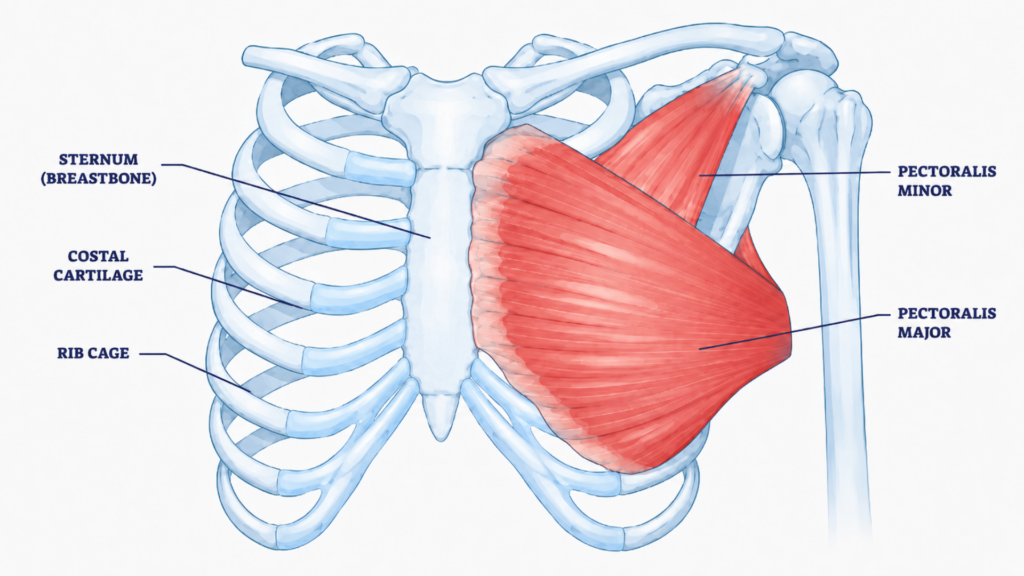
The sternum, also called the breastbone, is the flat bone at the front and centre of your chest. It forms part of the rib cage and connects with the ribs through cartilage. It helps protect important structures in the chest and serves as an attachment point for muscles and ligaments around the chest wall.
For athletes, the sternum matters because it is not just “a bone in the middle of the chest.” It is part of a moving rib cage system.
The pectoralis major (also known as the pecs), one of the main chest muscles used in bench pressing, swimming, and rowing, has attachments around the sternum and ribs. This means that tension in the pecs can sometimes be felt as discomfort around the breastbone.
In simple terms: your sternum may feel sore, but the “culprit” may be the tight chest muscles surrounding it.
Why Does Sternum Pain Happen?
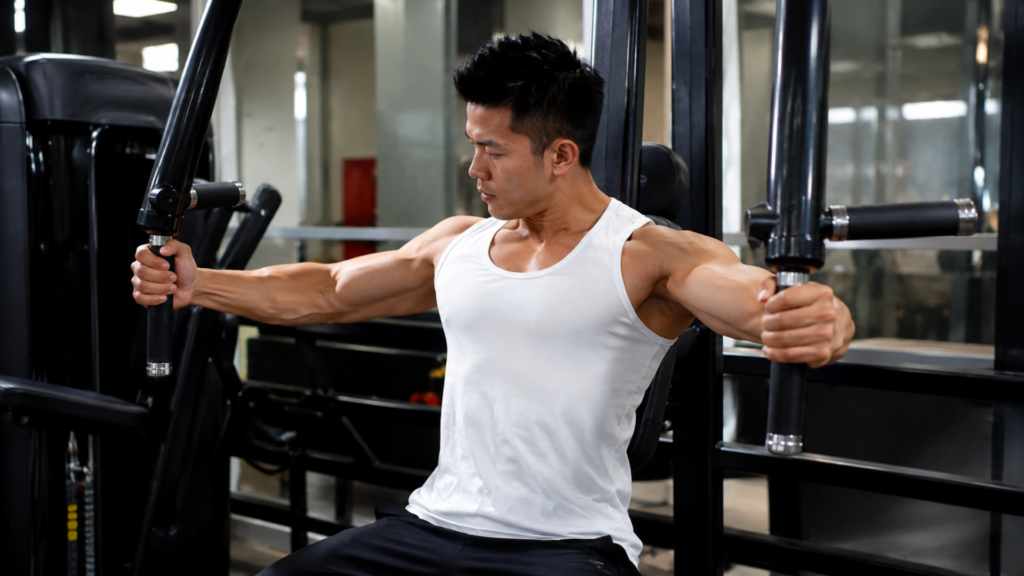
Sternum discomfort often happens when the chest muscles are repeatedly loaded, shortened, or held in a tight position.
This is common in people who do a lot of:
- Bench pressing
- Push-ups
- Chest flys
- Dips
- Swimming strokes
- Rowing
- Desk work followed by intense training
- Poorly balanced upper-body workouts
The key idea is this: your pecs attach around the sternum and ribs. When they become tight, stiff, or overloaded, they can pull on these attachment points.
That pulling can feel like:
- Localised soreness beside the sternum
- Discomfort when taking a deep breath
- Tightness when stretching the chest
- Pain after heavy pushing exercises
This is often linked to myofascial restriction.
Myofascial restriction means the muscle and the connective tissue around it become tight, stiff, or less flexible. In the chest, this may make the pecs feel “shortened” and create pulling around the sternum, ribs, and shoulders.
It does not always mean the sternum bone itself is damaged. Often, the discomfort comes from the soft tissue system around the sternum.
Why Do Tight Pecs Pull On the Breastbone?
Think of your pecs like strong elastic bands across the front of your chest.
When they are healthy, flexible, and well-conditioned, they help your arms move smoothly. They help you push, pull, swim, row, stabilise your shoulders, and breathe more efficiently during effort.
But when they become tight or overloaded, they can behave like an elastic band that is constantly under tension.
Because the pecs attach to the sternum and ribs, this tension can tug on the front of the chest wall. Over time, that repeated pulling may make the sternum area feel sore, tender, or compressed.
This can happen for a few reasons.
1. Too Much Pushing, Not Enough Pulling
Many gym-goers train chest more than back. Bench press, push-ups, dips, and chest machines all strengthen the front of the body.
But if the upper back, shoulder blade muscles, and rotator cuff are not trained enough, the shoulders may start to round forward. This keeps the pecs in a shortened position and increases tension around the front of the chest.
2. Heavy Bench Pressing With Poor Control
Heavy bench pressing places high load through the pecs.
If the shoulders roll forward at the bottom of the press, or if the chest is trained too frequently without enough recovery, the pecs may become irritated near their attachment points.
3. Swimming Volume
Swimmers repeatedly use the chest, shoulders, and ribs during strokes. Over time, the front of the chest can become tight, especially if the upper back is stiff or the shoulder blades are not moving well.
4. Rowing Posture
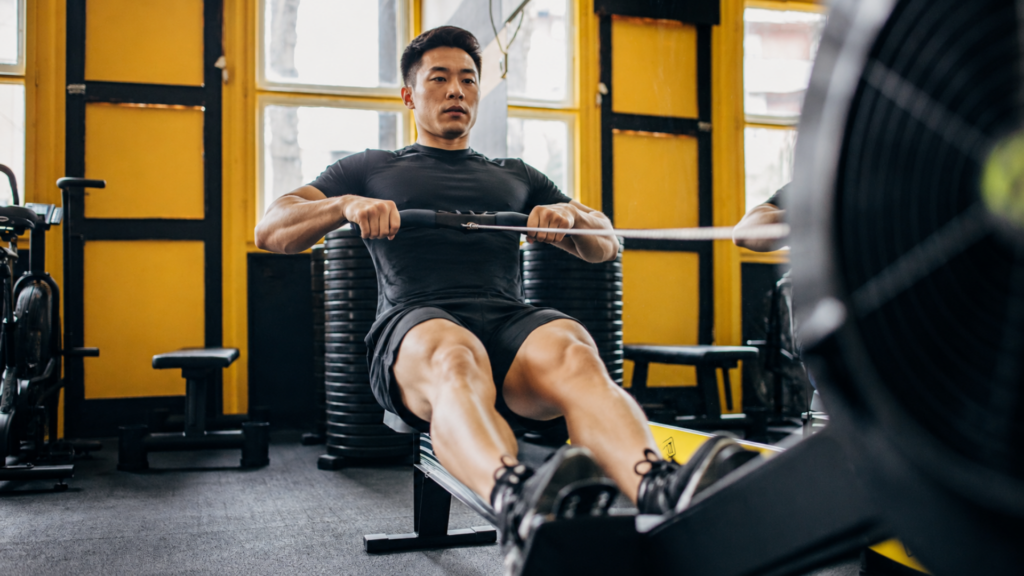
Rowers often spend long periods in a rounded position. Even though rowing is a pulling sport, the repeated forward posture can tighten the front of the chest and restrict rib cage movement.
If the chest wall becomes stiff, breathing and trunk movement may also feel more restricted during training.
5. Desk Work Before Exercise
Many corporate workers sit for hours before going to the gym after work.
This means they may already start training with rounded shoulders, a stiff upper back, and reduced rib movement. When they then add heavy lifting or intense cardio, the chest wall may feel tight or overloaded.
This is why sternum discomfort may not come from exercise alone. It can be the combined effect of work posture, training habits, and insufficient recovery.
How Do You Know If Your Sternum Discomfort May Be Muscle-related?
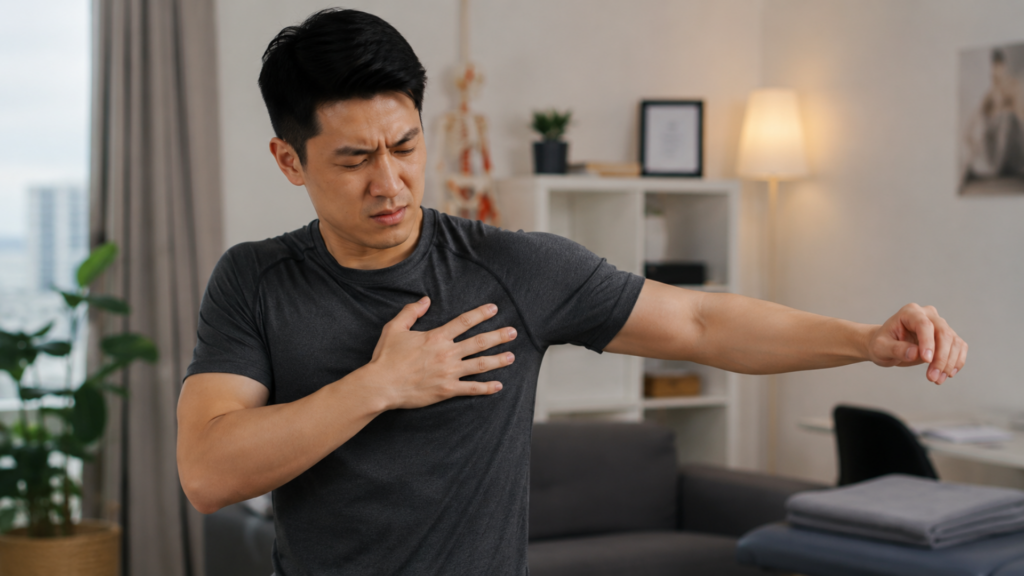
Sternum discomfort may be more likely to be muscle-related if:
- It started after training, often linking to bench pressing, push-ups, swimming, rowing, or stretching
- It feels worse when you move your arms or shoulders
- It improves with rest, mobility, or gentle release work
- It feels tender when pressing around the pec muscles
- It feels like tightness rather than deep internal pressure
That said, these signs are not a diagnosis. They simply suggest that a musculoskeletal assessment may be useful.
It is also important not to dismiss chest pain too quickly. If your chest pain is sudden, severe, unexplained, associated with breathlessness, or spreads to the arm, jaw, neck, back, or shoulder, seek medical attention first.
Once more serious causes have been ruled out, a physiotherapy assessment can help determine whether the discomfort is coming from tight pecs, rib stiffness, posture, training load, or movement habits.
What Should You Do If You Feel Tightness Around the Sternum?
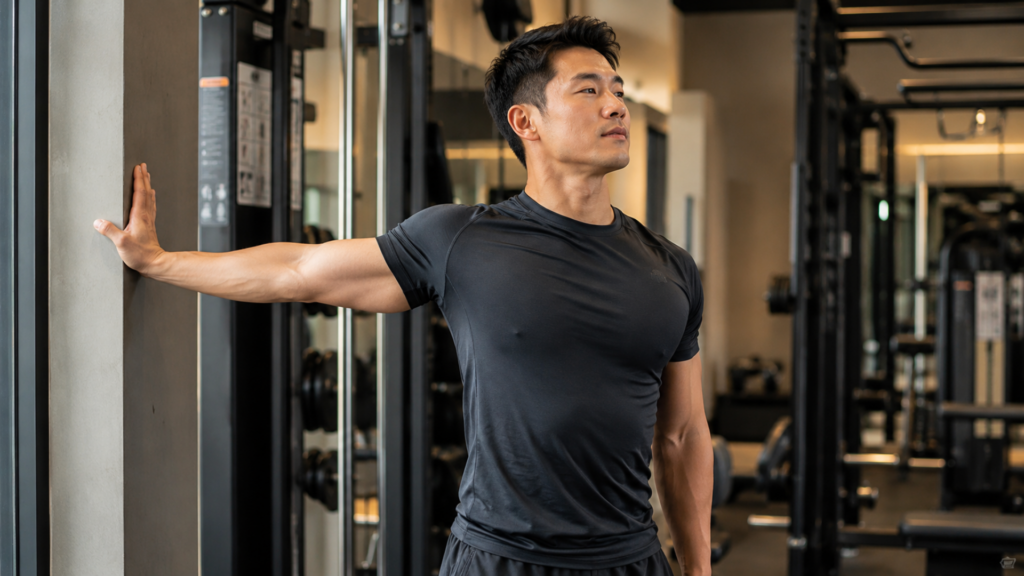
If the tightness is mild, movement-related, and clearly linked to training or posture, you can start with gentle self-management.
You can try:
- Reducing heavy chest exercises temporarily
- Avoiding painful dips, heavy flys, or deep push-up positions
- Doing gentle chest stretches instead of aggressive stretching
- Adding upper back mobility work
- Balancing chest workouts with pulling exercises
Avoid pressing hard directly on the sternum. The goal is not to “force-release” the breastbone. The focus should be on the surrounding muscles, rib cage, shoulders, and upper back.
If the discomfort keeps returning, worsens, affects breathing, or limits your training, it is worth getting assessed.
How Can Sports Massage Help With Sternum-related Tightness?
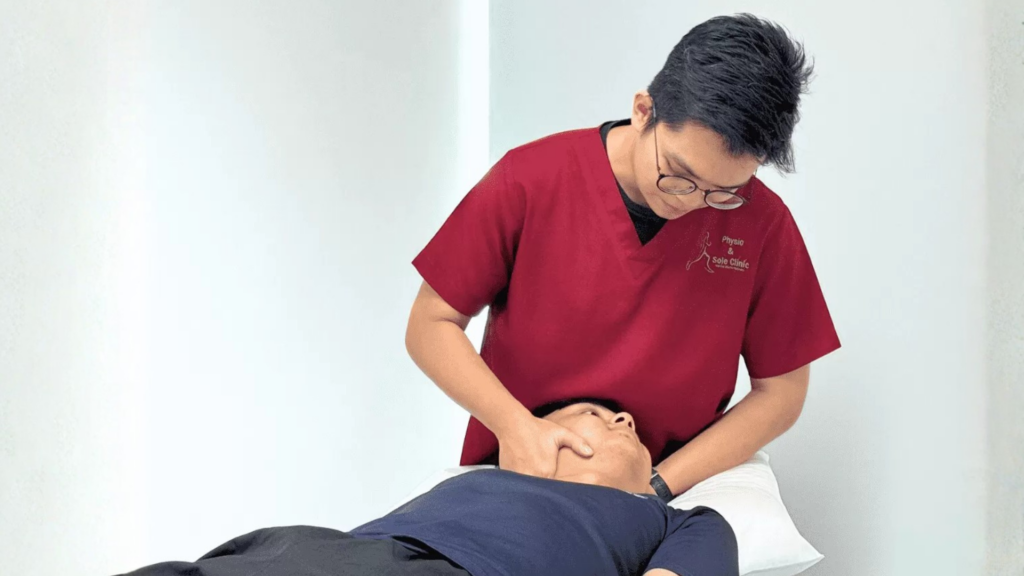
Sports massage is a hands-on treatment that targets muscles and soft tissues affected by training, posture, or repetitive movement. For sternum-related tightness, it may help reduce chest muscle tension, improve rib cage mobility, and support more comfortable movement.
At Physio & Sole Clinic, sports massage is not simply about “loosening the painful spot.” It is used as part of a more structured clinical approach.
A clinician may work on:
- Pectoralis major, Pectoralis minor
- Muscles around the ribs, shoulder and upper back
- Neck and breathing-related muscles
- Areas contributing to rounded shoulders or restricted chest movement
The aim is to reduce the pulling effect around the sternum and improve how the chest wall moves.
For example, if the pecs are tight and pulling the shoulders forward, sports massage may help reduce some of that soft tissue restriction. This can make it easier to open the chest, breathe more comfortably, and perform mobility or strengthening exercises more effectively.
However, sports massage works best when paired with proper assessment. If the same tightness keeps coming back, the root cause may be your training load, desk posture, shoulder control, breathing pattern, or exercise technique.
How Does Better Rib Cage Expansion Improve Breathing and Performance?
Your rib cage is not meant to be rigid. It should expand, rotate, and move as you breathe and exercise.
When the pecs and chest wall are tight, the rib cage may not expand comfortably. This can make deep breathing feel restricted, especially during swimming, rowing, or high-effort gym sessions.
Improved rib cage expansion may help with:
- Easier deep breathing
- Better oxygen intake during training
- Better posture during rowing and swimming
- More comfortable overhead or pressing movements
- Reduced sensation of chest tightness during exercise
For swimmers and rowers, rib cage mobility is especially important because breathing rhythm, trunk movement, and shoulder mechanics all affect performance.
For gym-goers, better chest and rib mobility may help pressing movements feel smoother and less restricted.
The key point is this: relieving chest tightness is not just about feeling less sore. It can also help the rib cage move better, which may support breathing efficiency and overall movement quality.
Still Feeling Tight Around Your Sternum? Get It Assessed Properly
Sternum pain after exercise is not always caused by the bone itself. For many gym-goers, swimmers, rowers, and corporate workers who exercise after long desk hours, it may be linked to tight pecs and chest wall restriction.
Because the pecs attach near the sternum and ribs, tightness in these muscles can create a pulling sensation around the breastbone, affecting breathing, shoulder movement, and training performance
The key is to manage it properly: rule out serious chest pain, identify the training or posture trigger, release the surrounding chest muscles, improve rib cage expansion, and rebuild strength progressively.
If your sternum discomfort keeps returning, a structured physiotherapy and sports massage approach can help you understand what is driving the tightness and how to manage it safely.
At Physio & Sole Clinic, our physiotherapists assess your chest, ribs, shoulders, upper back, and training habits to guide appropriate treatment. Where appropriate, sports massage may be combined with mobility work, strengthening, and movement retraining to help you manage symptoms and return to exercise more confidently.
FAQ: Sternum Pain, Pec Tightness, and Sports Massage in Singapore
Can tight chest muscles cause sternum pain?
Yes. The pecs attach near the sternum and ribs. When they become tight or overloaded, they can create a pulling sensation around the breastbone.
Why does my sternum hurt after bench pressing?
Bench pressing heavily loads the pecs. If your chest muscles are tight, overworked, or not recovering well, they may pull on their attachment points near the sternum and cause discomfort.
Can swimming or rowing cause sternum tightness?
Yes. Swimmers and rowers repeatedly use the chest, shoulders, ribs, and upper back. High training volume or poor mobility may contribute to chest wall tightness.
How do I release tension around my sternum?
Focus on the surrounding areas: pecs, ribs, upper back, shoulders, and breathing mechanics. Gentle chest stretches, rib mobility drills, breathing exercises, and sports massage may help.
Should I massage directly on the sternum?
Avoid aggressive pressure directly on the breastbone. The focus is usually on the surrounding muscles and rib cage, not forceful pressing on the sternum itself.
Is sports massage effective for sternum discomfort?
It may help if the discomfort is muscular or linked to myofascial restriction. If the pain is unexplained, severe, or associated with red flags, seek medical advice first.
When should I worry about sternum pain?
Seek urgent medical help if chest pain is sudden, severe, occurs at rest, spreads to the arm, jaw, neck, back, or shoulder, or comes with breathlessness, dizziness, sweating, or nausea.
Where can I get a sports massage in Singapore for chest tightness?
Physio & Sole Clinic provides sports massage and physiotherapy assessment in Singapore for active individuals experiencing muscle tightness, movement restriction, and training-related discomfort.