Skip to content



Written by Ng Jialin, Principal Podiatrist at Physio & Sole Clinic
As a podiatrist working with feet day in and day out in Singapore, one condition I see far more often than many people expect is fungal nail infection. It cuts across ages and lifestyles, from office professionals and gym regulars to runners and frequent flyers.
Many patients tell me the same thing:
“I don’t understand why this happened. I’m clean. I shower daily. I don’t walk barefoot outside.”
And that’s exactly the issue. In Singapore, you can be doing many things right and still be at a higher risk. Let’s unpack why.
Fungal Nail Infection Is More Than a Hygiene Issue
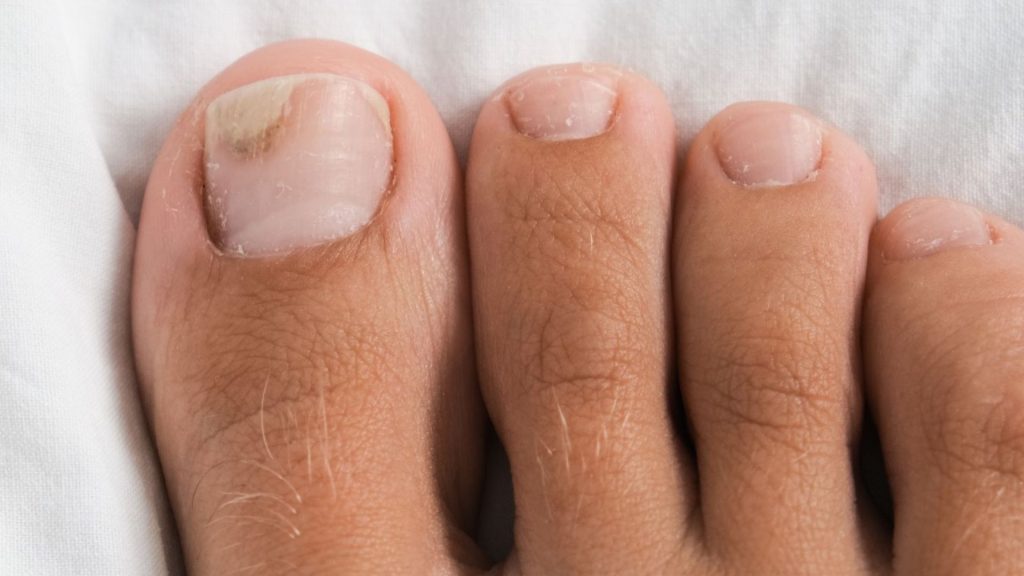
A fungal nail infection (also known medically as onychomycosis) happens when fungi invade the nail unit, the nail plate, nail bed, or surrounding skin. Over time, the nail may become:
- Yellow or brown
- Thickened or brittle
- Crumbly at the edges
- Lifted from the nail bed
- Distorted in shape
It’s rarely dangerous, but it is stubborn, slow to clear, and easy to ignore until it spreads or becomes painful.
In Singapore, I often see fungal nail infections develop quietly over months, sometimes years, before someone seeks help.
Why The Singapore Environment Makes Nail Fungus So Easy to Catch (and Hard to Get Rid Of)

Fungi thrive in:
- Warm environments
- Moist conditions
- Poor ventilation
Singapore’s year-round heat and humidity create the perfect breeding ground, especially inside shoes. Even if you’re only outdoors briefly, your feet often stay warm and damp for hours afterward.
Sweaty feet inside covered footwear = prolonged moisture exposure.
Moisture weakens the nail’s natural barrier, allowing fungi to penetrate more easily.
Unlike colder climates, where feet get air-drying breaks, many Singaporeans:
- Wear covered shoes from morning till night
- Commute in enclosed footwear
- Sit in air-conditioned offices without removing shoes
This combination is far more impactful than people realise.
Can wearing covered shoes all day cause nail fungus?

This is one of the most common lifestyle triggers I see.
Covered shoes themselves aren’t the enemy; the lack of airflow is.
Many office workers:
- Wear leather or synthetic work shoes
- Stay in them for 8–12 hours
- Change socks only once daily
- Re-wear shoes before they fully dry
Over time, this creates a chronically damp micro-environment around the nails.
Even “smart” shoes that look breathable often trap moisture. When this becomes a daily habit, the risk of fungal nail infection rises significantly, especially if there are small nail cracks or trauma present.
Are gym showers a risk for nail fungus?
Yes, and not just the showers themselves.

Public gyms, studios, and pools are high-risk environments because fungi spread via microscopic spores on wet surfaces. These spores can survive on:
- Shower floors
- Changing room tiles
- Pool decks
- Communal mats and benches
But here’s the part many people miss: It’s not only barefoot contact that matters.
After workouts, feet are often:
- Sweaty
- Warm
- Softened by moisture
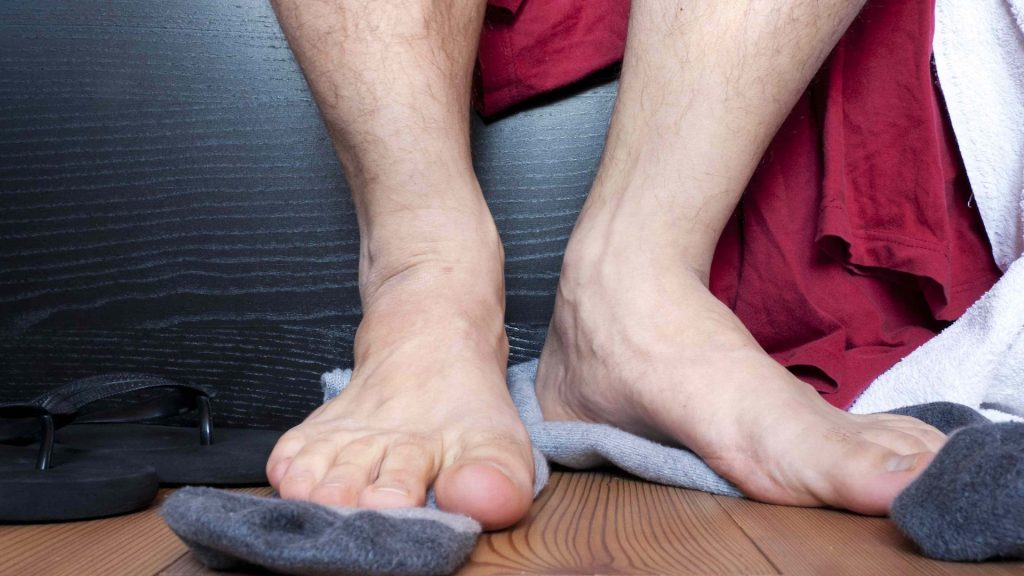
This temporarily weakens the skin and nail barriers. If fungal spores are present, even briefly, they can enter through tiny, invisible openings.
Combine this with:
- Tight training shoes
- Damp socks
- Back-to-back workouts
…and the risk multiplies.
Why do runners get fungal nail infections more often?

Runners are a group I see frequently, even those who are otherwise very health-conscious.
Here’s why running increases risk:
- Repeated nail trauma
Long runs, downhill running, or tight toe boxes cause micro-trauma to the nail. This creates entry points for fungi. - Prolonged moisture exposure
Training sessions mean long periods in sweaty shoes and socks. - Shoe rotation habits
Many runners rotate shoes for performance, but not always long enough for full drying. - Nail changes are dismissed as “normal”
Thickened or discoloured nails are often blamed on mileage, delaying diagnosis.
Fungal nail infection in runners is rarely due to poor hygiene; it’s usually a combination of trauma + moisture + time.
Can air travel and work shoes increase nail infection risk?

Absolutely, and this one surprises many frequent travellers.
Air travel contributes in several ways:
- Long hours in shoes without removal
- Reduced circulation when seated
- Cabin environments that dry skin but trap foot moisture
- Repeated shoe use across time zones with limited drying time
When this is layered on top of:
- Daily office footwear
- Business travel schedules
- Limited shoe rotation
…the nail environment becomes stressed, vulnerable, and slow to recover.
I often see fungal nail infections start or worsen during periods of frequent travel, even in people who otherwise take good care of their feet.
Why Fungal Nail Infections Are Often Missed Early
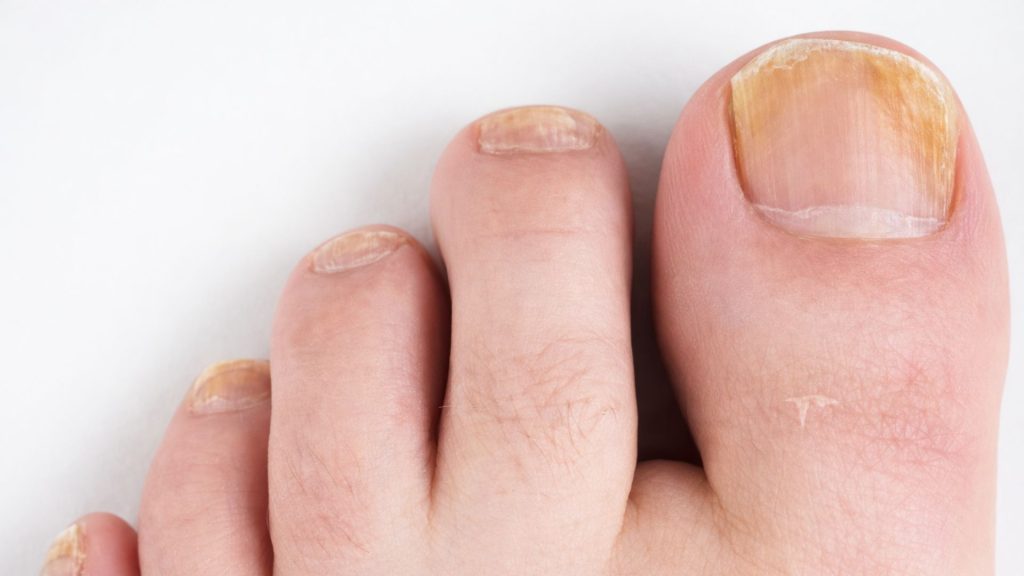
One of the biggest challenges is that fungal nail infection is painless in its early stages.
Early signs are subtle:
- Mild colour change
- Slight thickening
- A “dull” or chalky look
Because nails grow slowly, changes happen gradually, and many people normalise them.
By the time discomfort, nail lifting, or shoe pressure occurs, the infection is usually well established and harder to treat.
Lifestyle Awareness and Early Action Are Key to Preventing Fungal Nail Infections
The good news?
Most fungal nail infections are preventable or manageable when addressed early.
Here’s what I advise patients in Singapore:
1. Reduce prolonged moisture exposure
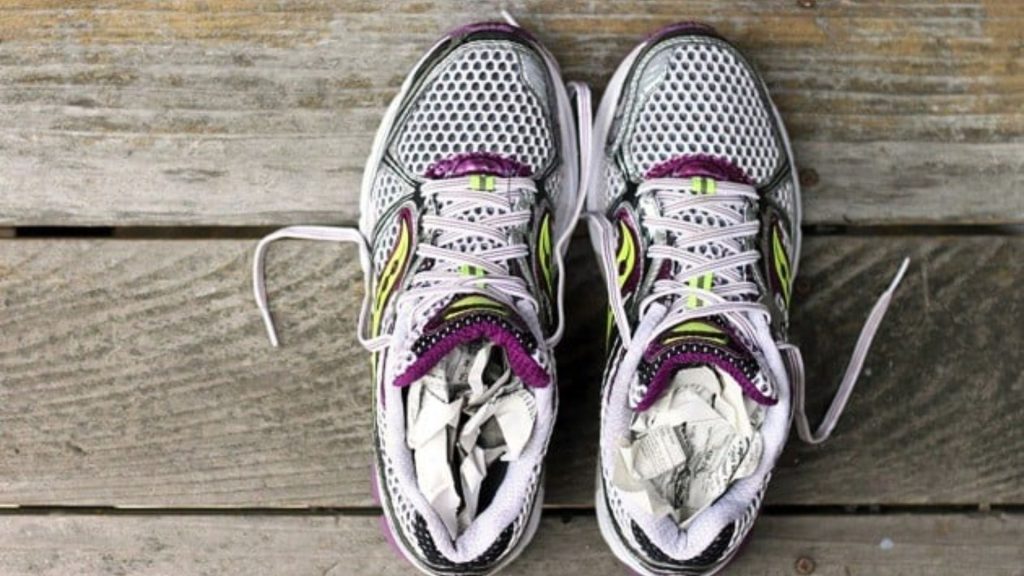
- Rotate shoes daily
- Allow shoes to dry fully (24–48 hours)
- Use moisture-wicking socks
- Change socks after workouts or long days
2. Be strategic at gyms and pools

- Wear slippers in communal wet areas
- Dry feet and between toes thoroughly
- Avoid putting damp feet straight back into tight shoes
3. Runners: Protect your nails
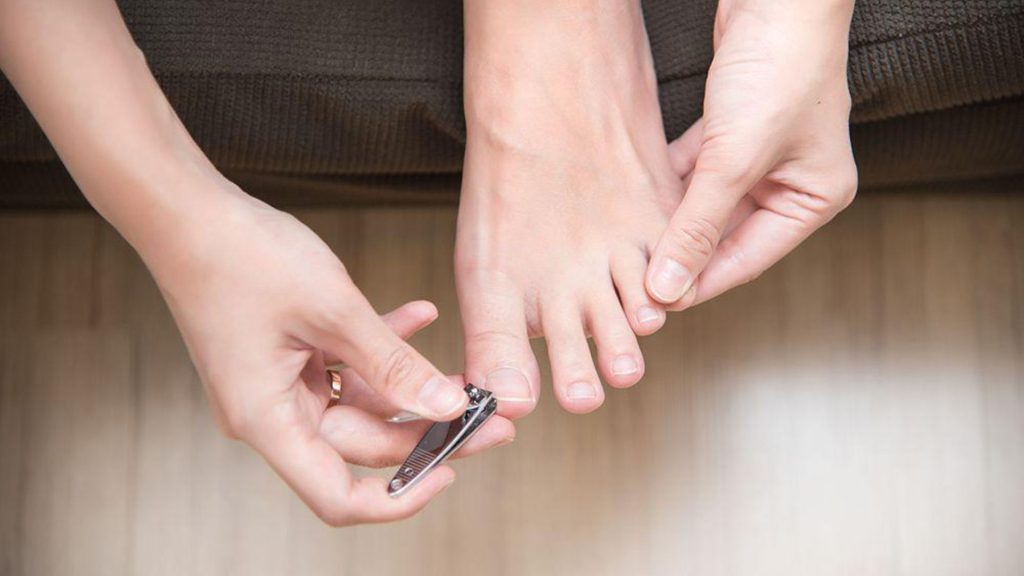
- Ensure proper shoe fit (especially toe box space)
- Trim nails correctly
- Address thickening or colour change early
- Rotate training shoes thoughtfully
4. Don’t self-diagnose for too long
Not every thick or discoloured nail is fungal, but many are.
Proper assessment matters because:
- Some nail conditions mimic fungal infection
- Treatment depends on accurate diagnosis
- Delayed care increases recurrence risk
When to Seek Professional Help
I recommend seeing a podiatrist if:
- Nail changes persist beyond a few weeks
- Nails are thickening or lifting
- There is discomfort in shoes
- Multiple nails are affected
- You have diabetes, circulation issues, or reduced immunity
Early care is always simpler than trying to reverse years of nail damage.
Final Thoughts
Fungal nail infection isn’t about being careless. In Singapore, it’s often a by-product of modern, active lifestyles.
Humidity, enclosed footwear, gyms, running, and travel all stack the odds against your nails. Awareness is the first step to prevention.
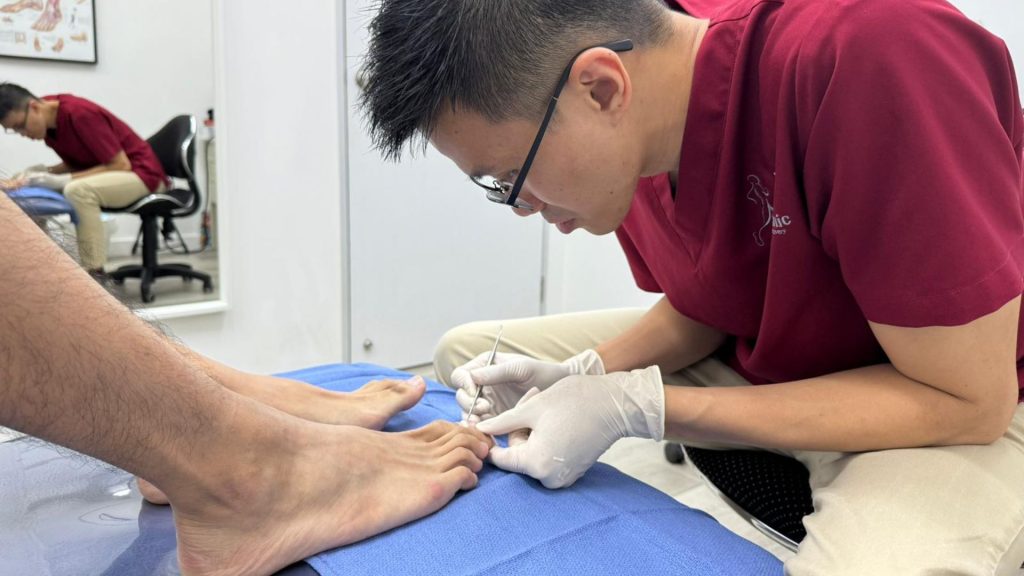
If you’ve noticed nail changes and aren’t sure what they mean, don’t wait for it to spread or hurt.
A simple podiatry assessment can clarify what’s going on and help protect your feet long-term. Your nails grow slowly, but acting early makes all the difference.
If you’re concerned about fungal nail infections, book an appointment for a professional foot assessment.