

This guide is for recreational and competitive runners who want to stay consistent and injury-free.

Your run felt great… until it didn’t.
That dull ache in your foot after cooling down. The heel pain you tell yourself will “ease off”. The shin discomfort that only shows up after the run, but somehow keeps coming back.
Many runners dismiss these as normal training pains. But when foot or lower-leg issues repeat, they’re often early warning signs, not badges of hard work.
Podiatry for runners focuses on understanding why these problems develop, how running load is affecting the feet, and what can be done before discomfort starts disrupting training consistency.
Here are five common foot and lower-limb conditions runners experience, and when it may be time to see a podiatrist.
Common running-related foot problems include:
- Foot aches after running
- Plantar fasciitis
- Achilles tendon pain
- Shin splints
- Recurrent ankle sprains
1. Foot Aches After Running

General foot ache after a run is one of the earliest and most commonly ignored signs of overload. While some post-run fatigue is normal, persistent soreness in the arch, heel, or forefoot isn’t something to brush off.
For runners, foot aches may be associated with:
- Sudden increases in mileage or intensity
- Insufficient recovery between runs
- Worn-out or unsuitable footwear
- Foot mechanics that concentrate load in specific areas
When foot discomfort consistently appears after runs, it’s often a sign that certain structures are struggling to cope with training demands.
Learn more about causes and early management in Foot Ache After Running.
2. Plantar Fasciitis & Persistent Heel Pain
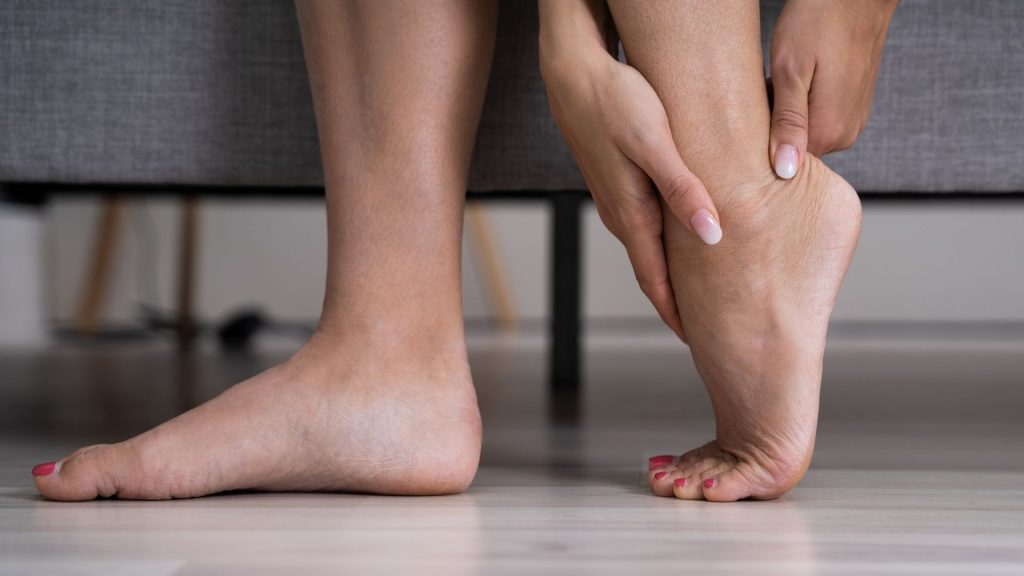
Heel pain that’s sharp, stabbing, or worst with the first few steps in the morning is a common complaint among runners. This type of pain is often associated with irritation of the plantar fascia, a band of tissue supporting the arch of the foot.
In runners, plantar heel pain may develop due to:
- Repetitive impact loading
- Tight or fatigued calf muscles
- Poor load distribution through the foot
- Training volume exceeding tissue tolerance
- Incorrect choice of running shoes
Ignoring early heel pain can lead to altered running patterns and longer recovery periods, making early assessment important.
Read more in How to Cure Plantar Fasciitis in One Week.
3. Achilles Tendon Pain in Runners

Pain or stiffness at the back of the heel, particularly during the first few minutes of a run or after speed training sessions, is commonly linked to Achilles tendon irritation.
Runners often develop Achilles pain due to:
- Rapid increases in training load
- Insufficient calf strength or endurance
- Limited ankle mobility
- Repetitive strain without adequate recovery
Early symptoms are often manageable, but pushing through ongoing Achilles discomfort can significantly extend recovery time.
Our guide on Achilles Tendonitis Treatment explains warning signs and treatment considerations for runners.
4. Shin Pain in Runners (Shin Splints & Overuse Injuries)

Shin pain is especially common among runners who increase distance, intensity, or frequency too quickly. It often presents as a dull ache along the front or inner part of the lower leg and may worsen during or after runs.
Common contributing factors include:
- Repetitive impact loading
- Training errors or sudden changes in terrain
- Reduced shock absorption through the foot and ankle
- Fatigue-related breakdown in running mechanics
While shin pain may start mild, persistent symptoms suggest the tissues are struggling to adapt. Continuing to run through it increases the risk of longer-term stress injuries.Learn more about causes and treatment options in Shin & Heel Pain Treatment.
5. Ankle Sprains and Ongoing Instability
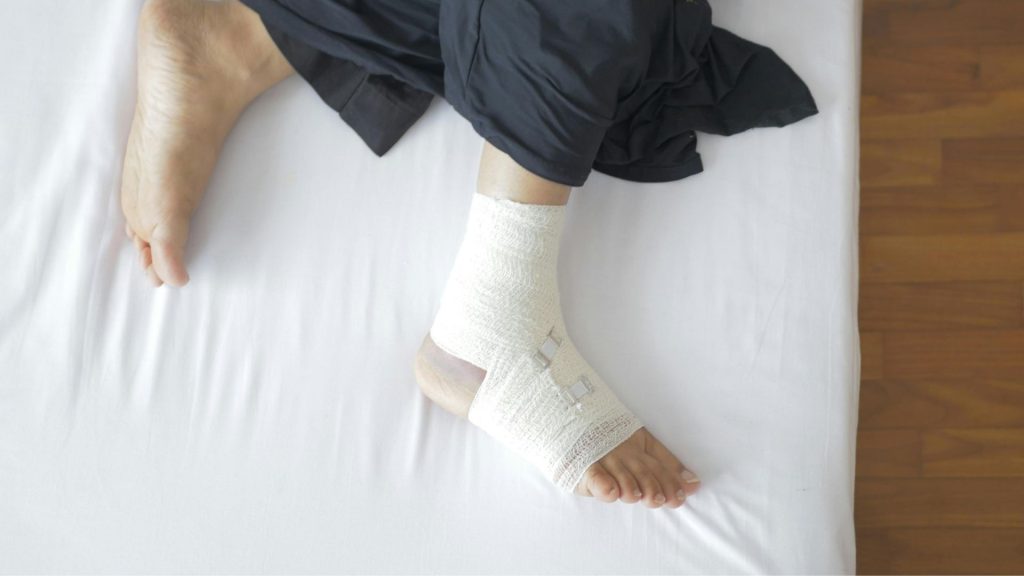
An ankle sprain doesn’t have to happen mid-run to affect running performance. Even a mild sprain can alter how you load your foot and ankle, increasing the risk of compensatory issues elsewhere.
Runners with previous ankle sprains may notice:
- Reduced confidence on uneven surfaces
- Subtle changes in running mechanics
- Recurring soreness or instability
Early management and proper rehabilitation help reduce the risk of repeated injuries and long-term compensation patterns.
Find out more in Sprained Ankle Treatment & Care in Singapore.
How Podiatry Helps Runners Manage and Prevent Foot Injuries
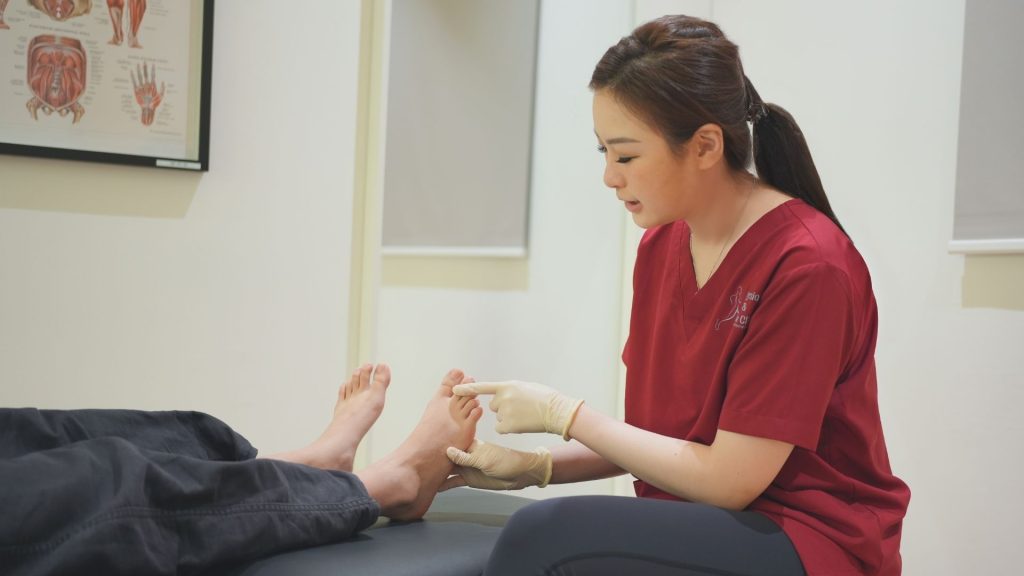
Podiatry for runners looks beyond symptoms. A runner-focused podiatry assessment considers:
- Foot and ankle mechanics
- How load is absorbed and transferred during running
- Footwear choices and training patterns
- Areas of excessive stress or compensation
This helps runners make informed decisions about treatment, training modifications, and long-term injury prevention.
When Should Runners See a Podiatrist?
Runners may benefit from seeing a podiatrist if they:
- Experience recurring foot, heel, or shin pain
- Notice discomfort that worsens with training
- Are returning from a previous foot or ankle injury
- Are training for an event and want to reduce injury risk
Addressing issues early often leads to better outcomes and fewer interruptions to training.
Book a Podiatry Assessment today

If you’re dealing with recurring foot pain, heel discomfort, shin pain, or ankle issues related to running, a podiatry assessment can clarify what’s contributing to the problem and how to manage it effectively.
At Physio & Sole Clinic, our podiatrists work with runners of all levels to assess foot mechanics, manage running-related conditions, and support long-term training consistency.
Book an appointment today and keep your runs comfortable, confident, and sustainable.
Ready to feel better?
Book a consultation with our podiatry team to get an assessment tailored to you.