Skip to content



Written by
Wesley Chee
Director & Chief Sports Physiotherapist at Physio & Sole Clinic
A highly experienced sports physiotherapist with a strong background in musculoskeletal and sports rehabilitation, Wesley brings a performance-driven and evidence-based approach to injury management. He has a special interest in treating runners and shoulder conditions, and is passionate about helping patients recover, prevent injuries, and return to the activities they enjoy.
Quick Overview:
Sports massage therapy is often associated with “loosening tight muscles” or “flushing out lactic acid”, but the science is more nuanced. In a clinical setting, sports massage is not simply about applying deep pressure. It is about using targeted soft-tissue techniques to influence pain, stiffness, recovery, movement comfort, and nervous system sensitivity.
This article explains what sports massage therapy is, who it may benefit, how it works physiologically, and why it should be viewed as part of a broader recovery or rehabilitation plan not a standalone quick fix.
You will also learn the difference between sports massage and spa massage, why soreness after training is not simply caused by lactic acid buildup, and how athletes can use sports massage more effectively around training and competition.
In This Blog:
- What is Sports Massage Therapy?
- Who Needs Sports Massage Therapy?
- What are the Physiological Effects of Sports Massage?
- Does Sports Massage Therapy Really Remove Lactic Acid?
- Sports Massage Vs Spa Massage: What is the Difference?
- How Should Athletes Use Sports Massage Therapy as Part of Recovery?
What is Sports Massage Therapy?
Sports massage therapy is a targeted manual therapy approach that uses pressure, rhythm, stretching, and soft-tissue techniques to influence muscles, fascia, tendons, and the nervous system.
It is commonly used by runners, gym-goers, cyclists, triathletes, footballers, racket-sport athletes, and active adults who experience tightness, soreness, or movement restriction.
In a clinical setting, sports massage therapy is not simply about “relaxing tight muscles”. It should be based on an assessment of training load, symptoms, movement pattern, pain behaviour, injury history, and recovery goals.
Who Needs Sports Massage Therapy?
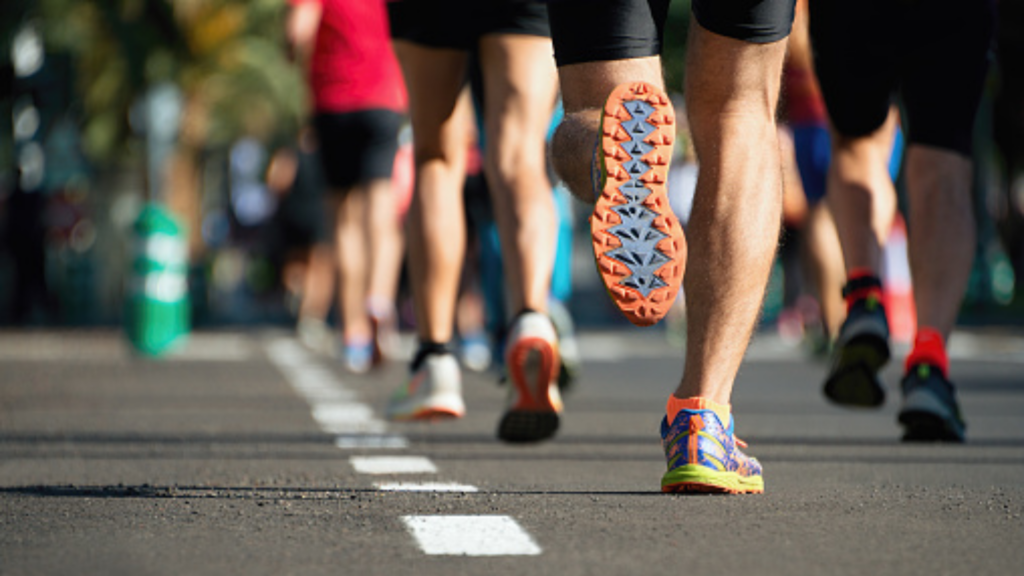
Sports massage therapy may be useful for athletes and active individuals who want to manage soreness, stiffness, or recovery between training sessions.
1. Runners and marathon trainees
Runners often experience calf tightness, quadriceps soreness, iliotibial band discomfort, plantar fascia irritation, or hip stiffness. Sports massage may help reduce perceived soreness and improve short-term movement comfort, especially during high-mileage training blocks.
2. Gym-goers and strength athletes
Heavy squats, deadlifts, lunges, presses, and hypertrophy training can cause delayed onset muscle soreness (also known as DOMS). Sports massage may help athletes tolerate movement better during recovery days, although it should not be used to mask poor programming or excessive load.
3. Court and field-sport athletes
Football, tennis, badminton, basketball, and pickleball involve repeated sprinting, jumping, rotation, and sudden direction changes. Sports massage may be used to support recovery in commonly loaded areas such as the calves, hamstrings, quadriceps, glutes, shoulders, and forearms.
4. Endurance athletes
Cyclists, triathletes, and long-distance runners may use sports massage during heavy training periods to manage perceived tightness and maintain movement comfort.
5. Injured athletes in rehabilitation
When pain is persistent, recurrent, or linked to a diagnosed injury, sports massage should be combined with proper physiotherapy assessment, progressive strengthening, load management, and return-to-sport planning.
What are the Physiological Effects of Sports Massage?
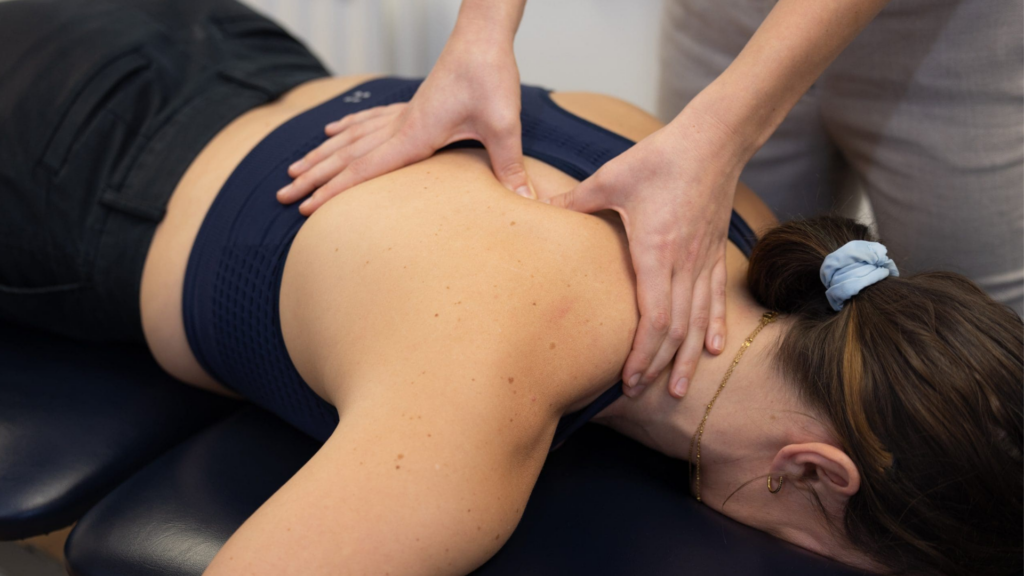
Sports massage works through several body systems at the same time. It does not simply “push out toxins” or “flush lactic acid”. Instead, it may help the body feel less guarded, less sore, and more ready to move.
1. It gives your tissues mechanical input
During sports massage, pressure and movement are applied to muscles, fascia, skin, and connective tissue.
This mechanical input can influence how sensitive the area feels. It may also help improve your tolerance to stretching or movement.
In simpler terms, massage does not “break” tight tissue apart. It helps the body receive new input, which can make the treated area feel easier and more comfortable to move.
2. It may support local blood flow
Massage may temporarily increase circulation around the treated area. This can create a feeling of warmth, looseness, and improved recovery.
However, this does not mean massage “flushes out lactic acid”. Active recovery, such as light walking or cycling, is generally more relevant for clearing lactate after exercise.
So, instead of seeing massage as a detox tool, it is better to see it as a recovery support tool.
3. It helps calm the nervous system
After intense training, your body can stay in a “high alert” state. This is why muscles may feel tight, sore, or protective even when there is no serious injury.
Sports massage uses steady pressure, slower movement, and controlled breathing to help calm this response.
In simple terms:
Sports massage can help tell the nervous system, “You are safe to relax now.” This may reduce muscle guarding and make movement feel more comfortable.
4. It may reduce the feeling of stiffness
Myofascial release techniques are often used in sports massage to work on areas that feel tight or restricted.
The goal is not to permanently stretch fascia in one session. A more realistic goal is to reduce sensitivity and create a short-term window where movement, stretching, or strengthening feels easier.
This is why sports massage works best when paired with active rehab or mobility exercises.
5. It can help with soreness
Massage may reduce pain by changing the way the body processes touch, pressure, and soreness signals.
This can be especially helpful for DOMS, which usually appears 24 to 72 hours after hard training.
Research suggests sports massage may help reduce soreness and improve flexibility, although it should not be seen as a direct way to boost sports performance.
In short, sports massage does not magically repair muscles overnight. It may help your body feel calmer, less sore, and more comfortable moving, which can make it easier to recover and return to training.
Does Sports Massage Therapy Really Remove Lactic Acid?
No, sports massage therapy should not be described as a proven way to “remove lactic acid”.
This is one of the most common myths in sports recovery. Lactate usually clears from the blood relatively quickly after exercise, especially with active recovery. Muscle soreness that appears 24 to 72 hours after exercise is more closely associated with exercise-induced muscle damage, inflammation, sensitivity, and nervous system response.
In other words, soreness is not caused by lactic acid being “stuck” in the muscle.
A more accurate explanation is that sports massage may reduce soreness, improve perceived recovery, reduce sensitivity, and help athletes feel more comfortable moving.
Sports Massage Vs Spa Massage: What is the Difference?
| Area | Sports Massage Therapy | Spa Massage |
| Main Goal | Recovery, movement comfort, soreness management, and sport-specific preparation | Relaxation and general wellness |
| Assessment | Usually includes training history, symptoms, and target areas | Often based on preference and relaxation goals |
| Pressure | Adjusted based on tissue sensitivity and recovery stage | Often based on comfort preference |
| Clinical Reasoning | Linked to sport, injury risk, load, and movement goals | Usually not injury-specific |
| Best For | Athletes, active adults, and rehabilitation support | General Relaxation |
| Follow-up | May include mobility, strengthening, or referral | Usually standalone |
Sports massage and spa massage both help you feel better, but they serve different goals.
Spa massage focuses mainly on relaxation and general wellness. Sports massage is more targeted, using training history, symptoms, recovery stage, and sport demands to guide the treatment.
In short, spa massage helps you relax. Sports massage helps support recovery, movement comfort, and return to training with a clearer purpose.
How Should Athletes Use Sports Massage Therapy as Part of Recovery?
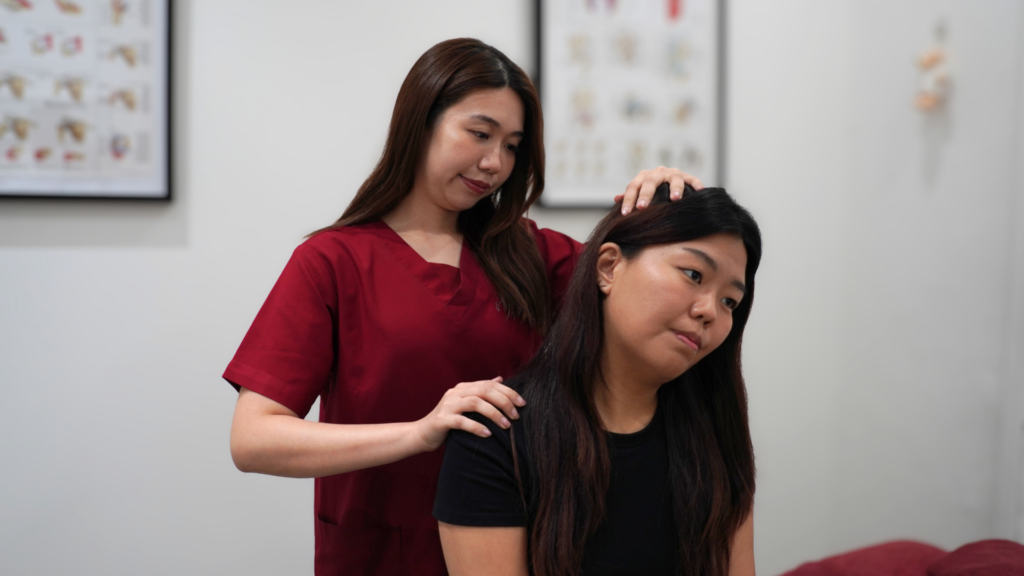
Sports massage works best when it is planned around your training, symptoms, and recovery goals. Instead of treating it as a one-off “quick fix”, think of it as one part of a bigger recovery plan.
1. Start with your recovery goal
Before booking a session, be clear on what you want the massage to help with.
This may include:
- Reducing soreness after a heavy training session
- Preparing your body before an event
- Improving movement comfort
- Managing tightness during a training block
- Supporting rehabilitation after an injury
The goal helps guide the pressure, timing, and areas treated.
2. Time it around your training
Timing can affect how your body responds after the session.
For general recovery, sports massage is often done 24 to 72 hours after intense training. This gives the body time to settle while still supporting recovery.
Before a race or competition, the massage should usually be lighter and more familiar. Avoid trying a very deep sports massage for the first time just before an event, as it may leave you feeling sore instead of ready.
3. Focus on the areas that matter most
Sports massage should be targeted, not random.
For example:
- Runners may benefit from work on the calves, quadriceps, hamstrings, glutes, and feet.
- Racket-sport athletes may need attention around the shoulders, forearms, upper back, and hips.
- Gym-goers may focus on areas affected by heavy lifts, such as the back, hips, thighs, or shoulders.
The treatment area should match your sport, symptoms, and training demands.
4. Pair it with active recovery
Massage may help you feel less sore and more comfortable, but it works best when combined with good recovery habits.
This includes sleep, hydration, nutrition, mobility work, strength training, and progressive loading.
Sports massage can support recovery, but it should not replace the basics.
5. Pay attention to how your body responds
After the session, monitor how you feel over the next 24 to 48 hours.
Look out for changes in soreness, range of motion, pain levels, training quality, ease of movement, and overall recovery.
This helps you understand whether the massage is actually supporting your performance and recovery.
6. Know when massage is not the right option
Sports massage may not be suitable if there are signs of a more serious issue.
Delay treatment and seek professional advice if you have:
- Acute swelling
- Severe unexplained pain
- Suspected fracture
- Infection or open wound
- Fever
- Sudden numbness or weakness
- Worsening symptoms
These signs may require proper assessment before any soft-tissue work is done.
7. Get assessed if pain keeps coming back
If the same tightness or pain keeps returning, the issue may not be the muscle alone.
It could be linked to training load, running technique, footwear, muscle weakness, joint stiffness, tendon overload, or foot and ankle mechanics.
In these cases, repeated massage may only provide short-term relief. A physiotherapy or podiatry assessment can help identify the root cause and guide a longer-term recovery plan.
Use Sports Massage as Part of a Smarter Recovery Plan
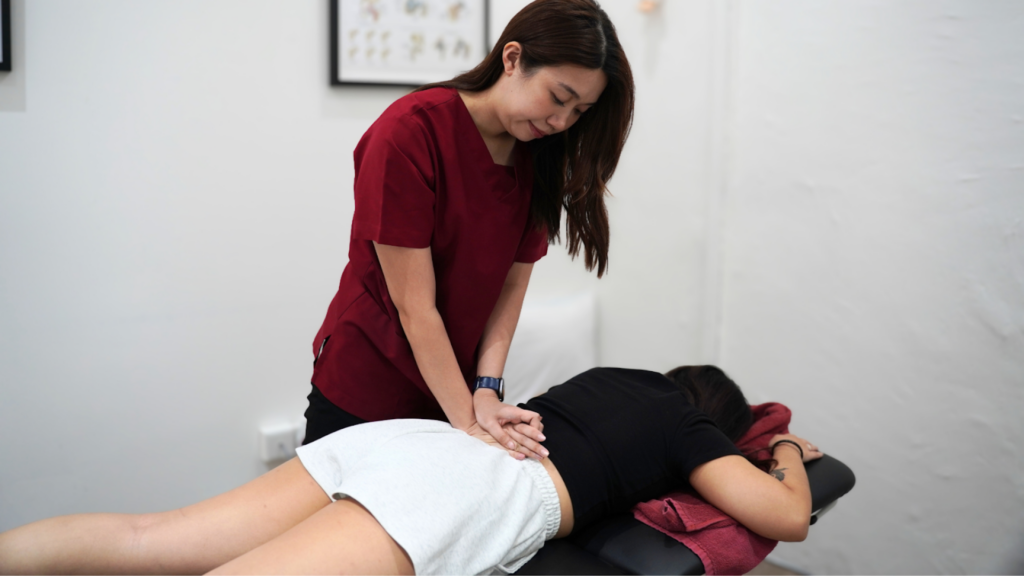
Sports massage therapy is most useful when it is used as a clinical recovery tool, not just a deep massage or relaxation treatment. Its benefits are not about “flushing lactic acid” but about reducing tissue sensitivity, calming the nervous system, improving movement comfort, and supporting perceived recovery.
For athletes, the key is to use sports massage at the right time, for the right reason, and alongside proper recovery habits such as sleep, hydration, mobility, strength training, and load management.
If tightness, soreness, or pain keep returning, the answer may not be more massage. It may be a sign that your body needs a clearer assessment of training load, movement mechanics, footwear, strength, or injury risk.
At Physio & Sole Clinic, sports massage therapy can be considered as part of a broader physiotherapy and podiatry-led recovery plan, especially for athletes dealing with recurring pain, foot and ankle concerns, running injuries, or training-related overload.
Need help understanding why your tightness or soreness keeps coming back?
Book an assessment with Physio & Sole Clinic to identify the cause and build a recovery plan that supports your sport, training goals, and long-term movement health.
Resources from Physio & Sole Clinic
This article is part of Physio & Sole Clinic’s Physiotherapy & Rehabilitation Resource Series, created to help patients better understand their treatment options and make informed decisions about their recovery journey.
You may also find these related resources helpful:
- Physiotherapy in Singapore
Learn how physiotherapy can help manage pain, injuries, and mobility issues. - Physio & Sole Clinic Locations Guide
Find a Physio & Sole Clinic near you across Singapore for convenient access to physiotherapy care. - Physiotherapy for Hybrid Athletes in Singapore
A guide to how physiotherapy helps hybrid athletes in Singapore manage training load, prevent common injuries, and recover from issues like shin splints, stress fractures, knee pain, and tendon problems while balancing strength and endurance training. - Top Sports Physiotherapist in Singapore
A guide to how sports physiotherapy in Singapore helps active individuals and athletes recover from injuries, prevent recurring pain, improve movement patterns, and train more safely through tailored rehabilitation, performance support, and return-to-sport planning.