

Quick Summary
This guide explains how physiotherapy in Singapore helps you recover from pain, injury, and movement problems by treating root causes — not just symptoms. Physios assess and treat conditions ranging from back and neck pain to sports injuries and post-surgical rehab, using movement assessment, hands-on therapy, and tailored exercise programmes. No referral is needed to book an appointment, and sessions typically cost $45–$90 at public hospitals or $120–$200+ at private clinics.
A Clinician’s Guide to How Physio in Singapore Helps You Move Pain-Free
As a physiotherapist practicing in Singapore, one of the most common things I hear from patients is:
“I thought the pain would go away on its own.” “I didn’t know when I should see a physio.” “I wasn’t sure if physio or chiro was better.”
Many Singaporeans live with pain for far too long, whether it’s recurring neck tension from long office hours, a stubborn knee injury from running at Marina Bay, or a back ache that keeps returning no matter how often you rest.
The truth is:
Pain is common, but it should never be considered “normal.”
And this is where physiotherapy, backed by science, movement analysis, and tailored treatment, can make a powerful difference.
In this guide, I’ll walk you through what physiotherapy really is, what a physio in Singapore does, what to expect, and how to choose the right physio for your needs.
What Exactly Is Physiotherapy?
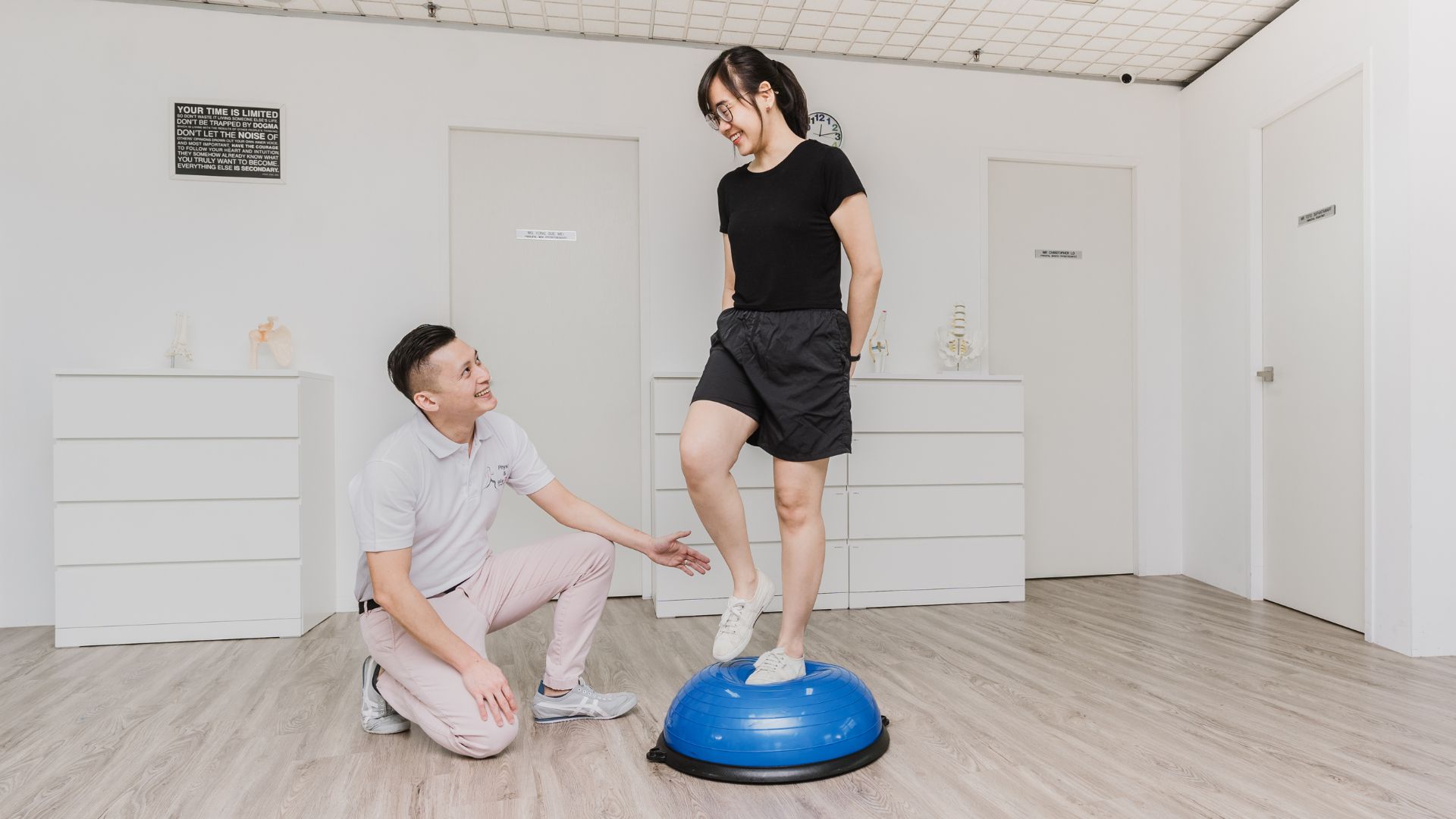
Physiotherapy (or “physio”) is an evidence-based healthcare profession that helps people recover from pain, injuries, and movement problems.
We’re trained to assess how your muscles, joints, nerves, and movement patterns work, and more importantly, why something has gone wrong.
So what does a physiotherapist do in Singapore?
Physios assess, diagnose, and treat conditions such as:
- Back and neck pain
- Knee and shoulder injuries
- Sports injuries
- Post-surgical rehabilitation
- Balance or gait issues
- Workplace-related pain
- Chronic pain conditions
Physios in Singapore work in:
- Private clinics
- Hospitals (public & private)
- Community rehab settings
- Home care services
- Sports & performance centres
Regardless of setting, the goal is the same: helping you move better, hurt less, and return to what you love.
Types of Physiotherapy: Finding the Right Specialisation
Physiotherapy isn't one-size-fits-all. Depending on your condition, you may be better served by a physio with a specific area of focus:
- Musculoskeletal Physiotherapy – treats pain and injuries affecting muscles, joints, ligaments, and tendons, from back pain to tennis elbow.
- Sports Physiotherapy – focuses on preventing, treating, and rehabilitating sports-related injuries, and on optimising performance for active individuals.
- Neurological Physiotherapy – supports recovery of movement and function after conditions like stroke, Parkinson's disease, or spinal cord injury.
- Geriatric Physiotherapy – addresses age-related issues such as balance, falls risk, arthritis, and mobility decline in older adults.
- Women's Health Physiotherapy – manages pelvic floor dysfunction, pre- and post-natal musculoskeletal changes, and other conditions specific to women.
- Paediatric Physiotherapy – helps children with developmental delays, congenital conditions, or movement difficulties build strength and coordination.
Knowing which specialisation fits your situation makes it easier to find a physio who's the right match for your recovery.
Why People in Singapore Seek Physiotherapy

Singapore’s lifestyle puts many of us at risk:
1Long hours at the desk
Many patients sit 6–10 hours a day in static postures, often with tension in the neck, shoulders, and lower back.
2High heat + active lifestyle
Running along the PCN, hiking, HIIT, popular activities that also increase injury risk if your muscles aren’t conditioned.
3Aging population
Joint stiffness, falls, balance issues, and chronic pain become more common with age.
4Post-surgery needs
Knee and shoulder surgeries, fractures, and spine surgeries require structured rehabilitation.
5Recurring pain cycles
Many patients rely on rest, massage, or painkillers, which offer temporary relief, not long-term solutions.
Over time, these issues can lead to:
- Persistent pain
- Reduced mobility
- Loss of confidence in movement
- Frequent re-injury
- Difficulty at work or during exercise
Why Ignoring Pain Doesn’t Work

Aches that “come and go” are often early warning signs.
Without proper intervention, small issues snowball into bigger problems:
- Neck stiffness becomes nerve compression
- Knee discomfort becomes meniscus irritation
- Lower-back tightness becomes chronic pain
- Ankle sprains cause long-term instability
- Poor posture leads to headaches and fatigue
About 75% of the patients I see tell me they waited weeks or months before seeking help, hoping the pain would resolve.
The earlier you address the root cause, the faster (and cheaper) your recovery usually is.
How Physio in Singapore Helps
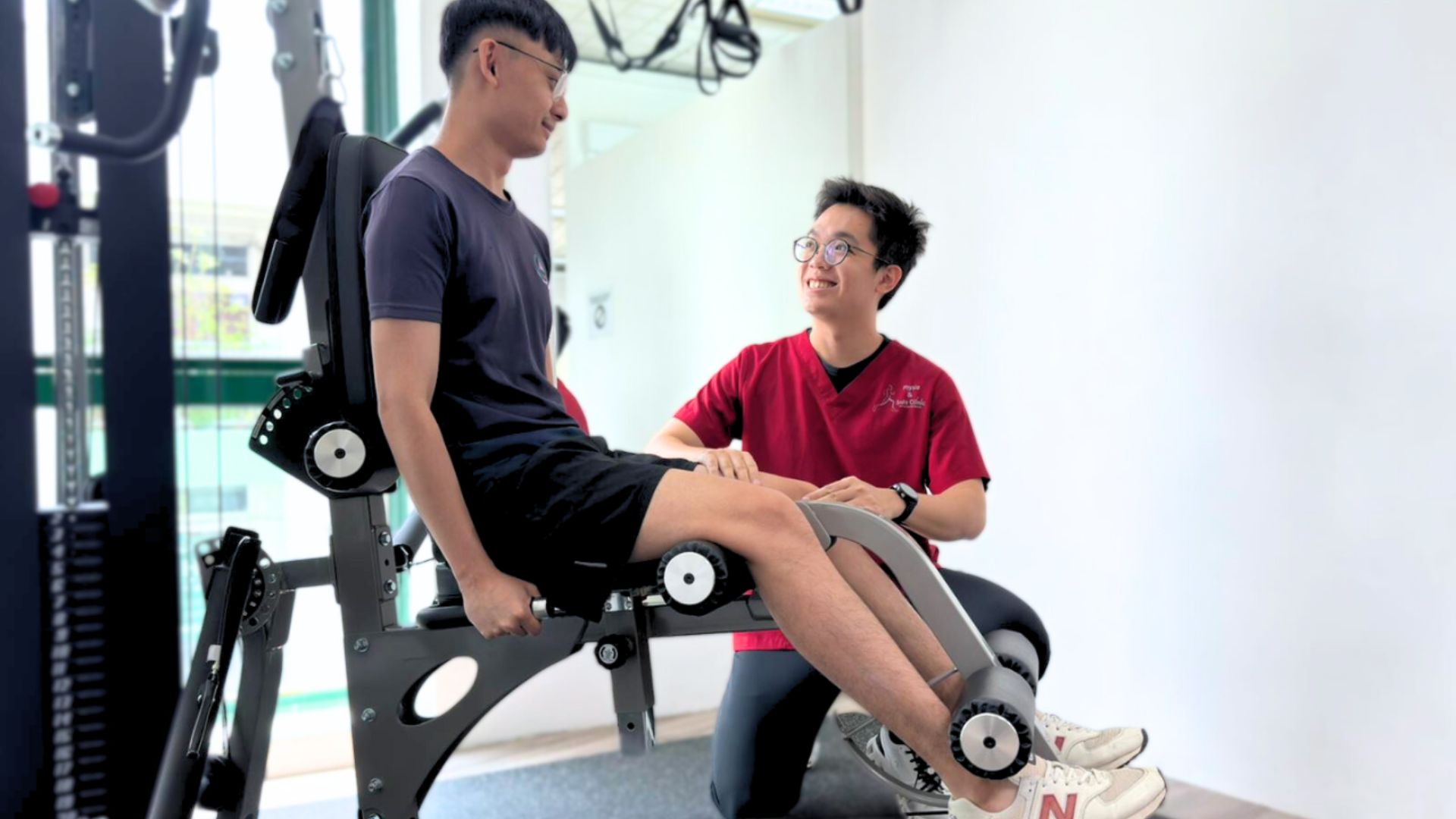
Physiotherapy combines:
- Movement assessment
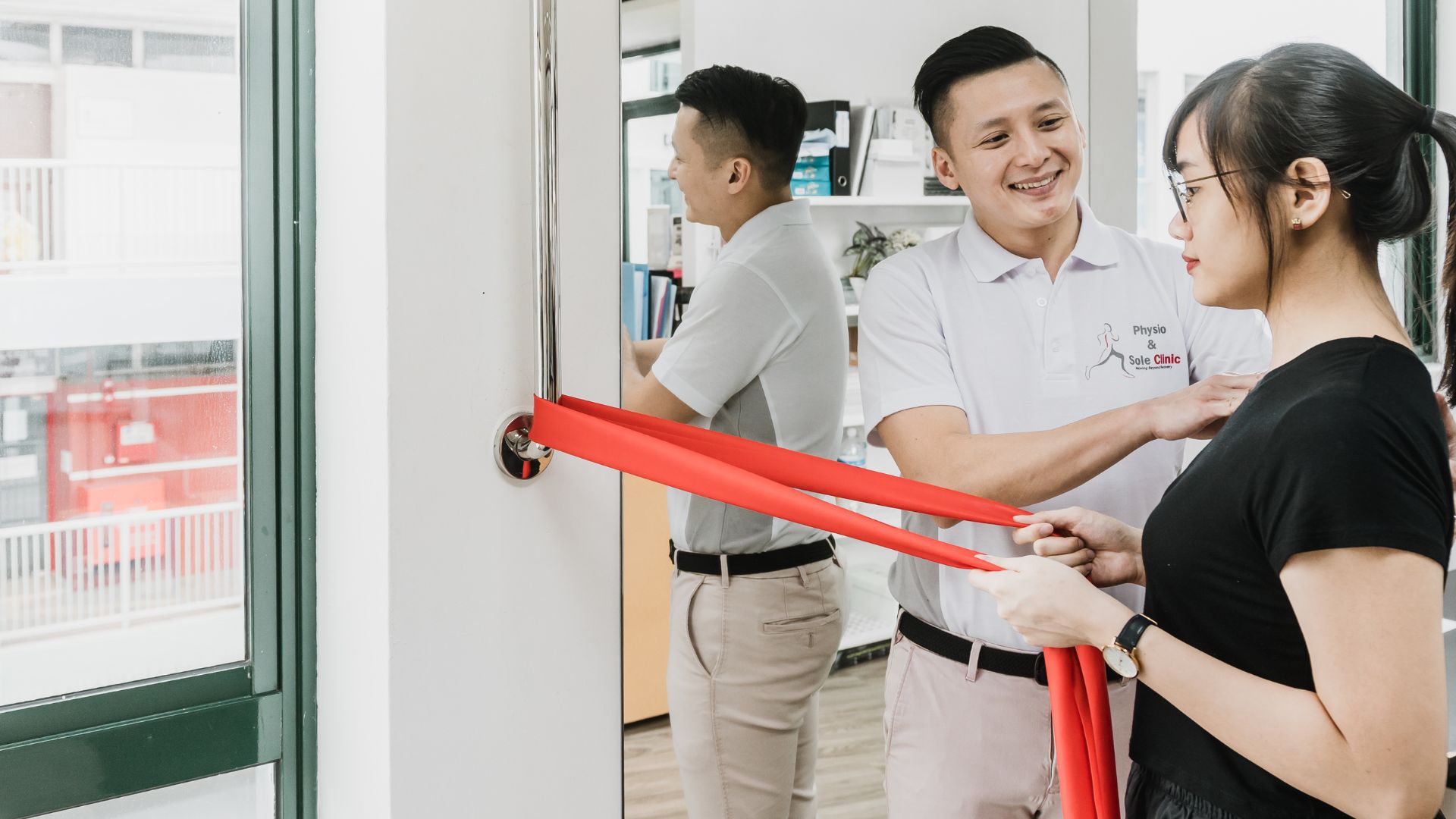
- Hands-on therapy
- Exercise prescription
- Strength & mobility training
- Education and prevention strategies
Unlike general treatments that focus only on short-term relief, physios aim to treat the root cause, not just the symptoms.
This is why physiotherapy is often considered one of the most effective long-term solutions for musculoskeletal pain.
What Conditions Can Physio in Singapore Treat

Common issues I treat in clinic include:
Back & Neck Pain
- Desk-related stiffness
- Slipped disc symptoms
- Sciatica
- Tension headaches
Shoulder Pain
- Rotator cuff injuries
- Frozen shoulder
- Shoulder impingement
Knee & Foot Pain
- Jumper’s knee
- Runner’s knee
- Plantar fasciitis
- Achilles tendinopathy
- High-arched or flat-foot pain
Sports Injuries
- Sprains & strains
- Shin splints
- Muscle tears
- Overuse injuries
Post-Surgical Rehab
- ACL reconstruction
- Meniscus repair
- Rotator cuff surgery
- Fracture rehabilitation
Physiotherapy is also highly beneficial for seniors with:
- Balance issues
- Falls risk
- Mobility decline
What Happens During a Physio Session in Singapore?
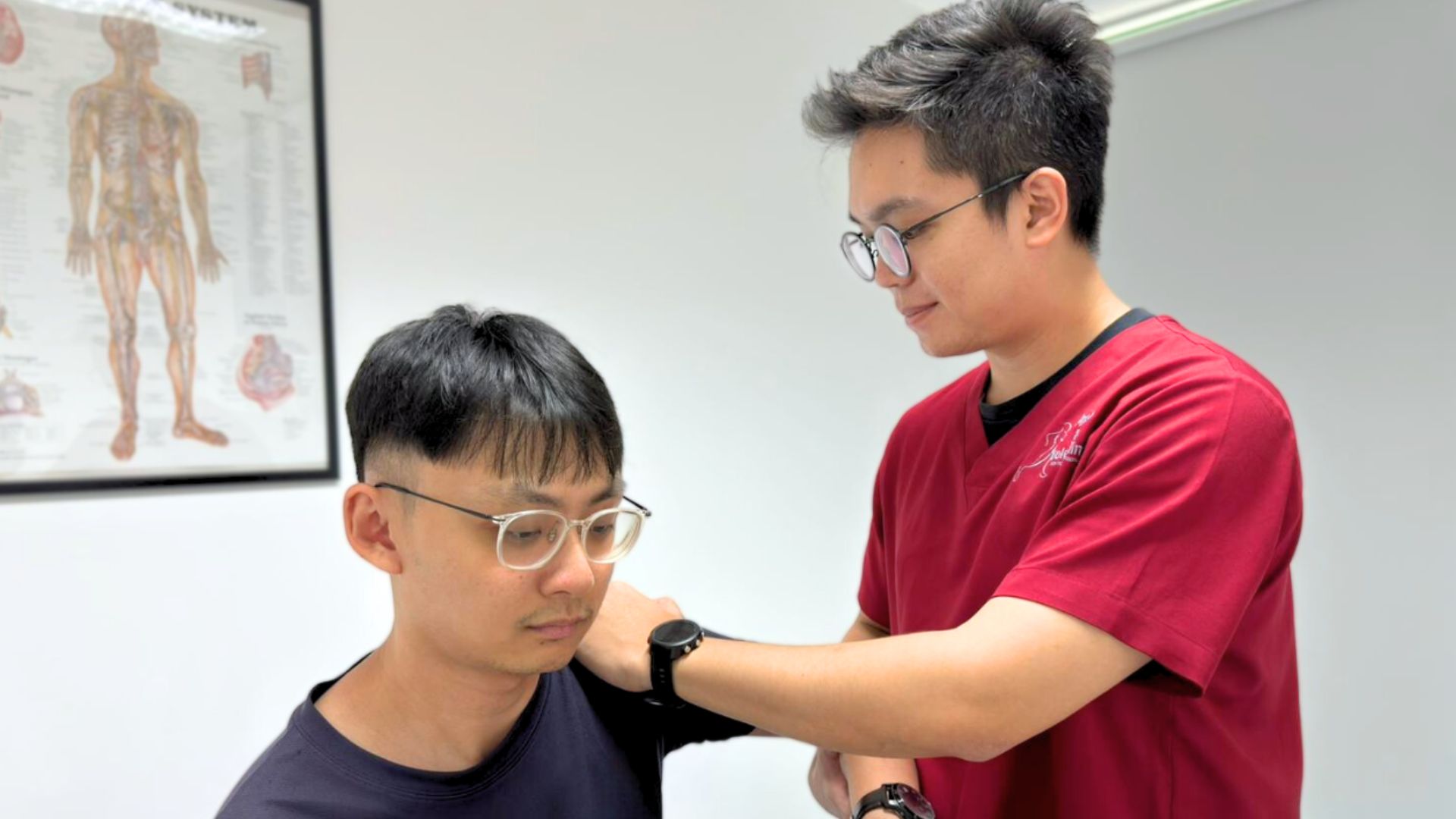
Many people imagine a physio session is just massage or stretching, but that’s only a small part of what we do.
Here’s what you can expect:
1Assessment & Diagnosis
We begin by understanding:
- Your symptoms
- Your daily habits
- Your medical history
- Your movement patterns
- Strength & flexibility
- Joint mobility
You’ll learn exactly what’s causing the pain and why.
2Hands-On Treatment
Depending on your condition, this may include:
- Joint mobilisation
- Trigger point release
- Soft tissue therapy
- Muscle stretching
- Manual therapy techniques
These help reduce pain and restore movement.
3Corrective Exercises
This is the backbone of physiotherapy. Your physio will guide you through exercises to build:
- Strength
- Flexibility
- Balance
- Coordination
These exercises are tailored to your condition and lifestyle.
4Home Programme
You’ll leave with simple, effective exercises that fit your daily routine. This speeds up your recovery and prevents relapse.
5Treatment Plan
We’ll map out:
- How many sessions you may need
- Expected progress
- What to avoid
- Long-term goals
This is where patients often ask:
How many physio sessions do I need?
It depends on the condition. Minor strains may need just 1–3 sessions. Long-term or chronic issues may require 6–12 sessions.
Is Physiotherapy Painful?

Most physiotherapy sessions are comfortable and safe. Some techniques may feel slightly sore, similar to stretching or working out, but the goal is always to reduce pain, not increase it.
A good physio always works within your comfort level.
Physio vs Chiropractor: Which Is Better?

This is a common question. Here’s the simplest explanation:
| Physiotherapist | Chiropractor |
|---|---|
| Focuses on muscles, joints, movement & function | Focuses mainly on spinal alignment |
| Uses exercises + manual therapy | Uses spinal adjustments/manipulation |
| Addresses root cause through movement analysis | Addresses spine-related mechanical issues |
| Long-term, active rehab approach | Short-term passive adjustments |
Both can help, but physiotherapy is often recommended when:
- You want long-term results
- You want to improve strength and mobility
- Your pain returns repeatedly
- You want personalised rehab
- You prefer active treatment
How Much Does Physio Cost in Singapore?
Costs vary by settings:
Public hospitals:
Approx. $45–$90 per session (subsidised rate)
Private clinics:
Approx. $120–$200+ per session depending on experience & equipment
Price differences typically reflect:
- Experience of the physiotherapist
- Duration of session
- Specialisation (sports, women’s health, etc)
- Use of technology (shockwave, movement analysis)
Do You Need a Referral to See a Physiotherapist in Singapore?
No, you can see a physio in Singapore directly. However, some insurance plans may require a GP or specialist referral for claims.
Is Physiotherapy Worth It?

Yes, especially if:
- Pain affects your work
- Pain recurs frequently
- You’ve had an injury
- You’re preparing for a race or event
- You want to improve posture or performance
Physiotherapy treats the root cause, not just temporary symptoms. Compared to painkillers, repeated massages, or “waiting it out,” physio offers long-term improvement.
When Should You See a Physio in Singapore?

Seek help if you experience:
- Pain lasting more than 1–2 weeks
- Pain that worsens with daily activities
- Numbness or tingling
- Recurring injuries
- Difficulty exercising
- Stiffness that limits movement
- Post-surgery recovery needs
- Persistent back, neck, knee, or foot pain
Early intervention means faster results.
How to Choose the Right Physiotherapy Clinic in Singapore

When choosing a physio clinic in Singapore, run through this quick checklist:
- Registration – Verify the therapist is AHPC-registered; this is your baseline guarantee of proper training and accountability.
- Expertise match – Choose a physio whose experience lines up with your condition, e.g. a sports physio for a running injury, a women's health physio for pelvic health concerns.
- Treatment-plan clarity – A good physio explains your diagnosis, expected number of sessions, and progress markers upfront, not just "come back next week."
- Active over passive – Look for a plan built around exercise and movement retraining, not one that relies solely on massage or machines.
- Communication & continuity – You should be able to ask questions easily and, ideally, see the same therapist throughout your recovery.
- Practical fit – Location, opening hours, and cost matter too; treatment only works if you can keep up with it.
- A friendly, supportive environment
At Physio & Sole Clinic, we combine physiotherapy and podiatry under one roof across 11 locations islandwide — so you get holistic care close to home or work. We don't just treat pain, we help you understand your body and prevent future injuries.
Ready to book? Find your nearest clinic and learn more about our physiotherapy services in Singapore.
Final Thoughts: You Don’t Have to Live With Pain
Pain shouldn’t stop you from working, exercising, or enjoying life. Physiotherapy offers a safe, effective, and science-based approach to getting you back on track, whether you’re dealing with a sports injury, work-related pain, or everyday aches.
If something feels “off,” listen to your body. You deserve to move freely and confidently.
Ready to Feel Better? We’re Here to Help.
If you’re struggling with persistent pain or unsure whether physiotherapy is right for you, we’d be happy to guide you.
Book a physiotherapy assessment today and start your journey toward pain-free movement.
Your body will thank you for it.
Learn more about our physiotherapy clinic in Singapore.
Ready to feel better?
Book a consultation with our physiotherapy team to get an assessment tailored to you.