

Quick Summary
Have you ever experienced a painful and stiff shoulder that makes simple tasks like reaching for a cup, putting on a shirt, or even sleeping feel impossible? If so, you might be dealing with frozen shoulder (adhesive capsulitis) - a condition that can last for months or even years if left untreated. The good news is, there are ways to make it better. Understanding the condition and seeking the right treatment can help you regain mobility and comfort.
What is Frozen Shoulder (Adhesive Capsulitis)?
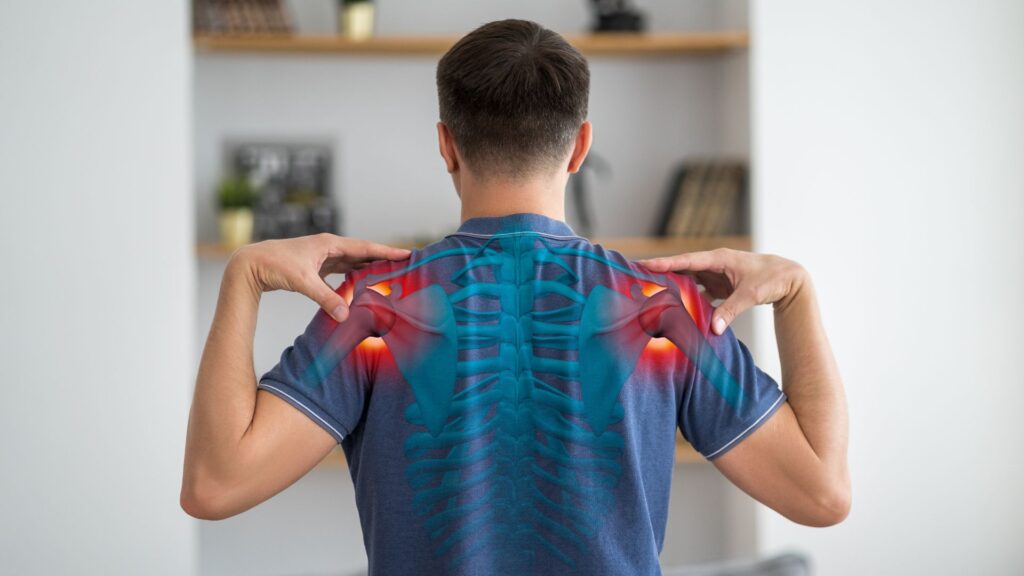
Frozen shoulder (also known as adhesive capsulitis) is a condition that causes pain, stiffness and restricted movement in the shoulder joint. The connective tissue surrounding the shoulder joint thickens and tightens, leading to restricted movement. It typically develops gradually and can take up to 2 years to resolve without treatment. Without proper care, it can severely impact daily activities such as reaching overhead, dressing or even sleeping.
Causes of Frozen Shoulder
While the exact cause of frozen shoulder is not always clear, there are certain risk factors that can increase the likelihood of developing the condition:
- Age & gender – More common in people aged 40 to 60, especially women.
- Inactivity or Immobilization – Prolonged shoulder immobility due to injury, surgery or other medical procedures (e.g. arm immobilised in a sling after a shoulder fracture).
- Medical conditions – Diabetes, thyroid disorders, Parkinson’s disease, and obesity have been linked to a higher risk of frozen shoulder.
Stages of Frozen Shoulder
Frozen shoulder progresses through three phases, the earlier you seek treatment, the better your chances of a faster recovery!
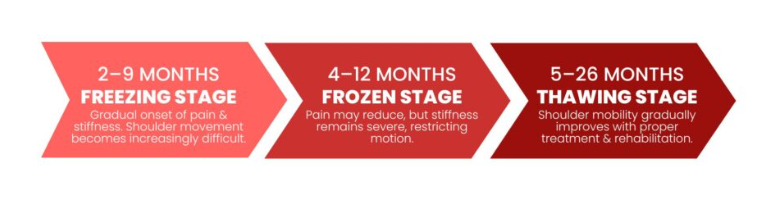
- Freezing – Pain is at its worst here, though the shoulder isn't especially stiff yet. This stage typically lasts 6 weeks to 9 months.
- Frozen – Pain starts to ease, but stiffness sets in and daily tasks like reaching overhead or behind your back become difficult. This stage typically lasts 4 months to a year.
- Thawing – Movement gradually returns. This final stage can take anywhere from 5 to 24 months.
Knowing which stage you're in matters because treatment approach differs by stage — it's the first thing your physiotherapist will assess.
Signs & Symptoms of Frozen Shoulder
If you are experiencing any of these symptoms, you may have frozen shoulder:

- Pain in the shoulder joint, especially at night
- Limited mobility, making it hard to lift your arm, reach behind your back, or perform overhead movements
- Stiffness that worsens over time
Frozen Shoulder Treatment Options
- Physiotherapy & Rehabilitation – individualised stretching & strengthening exercises can improve mobility and strength. See our step-by-step frozen shoulder exercise guide for routines you can start at home.
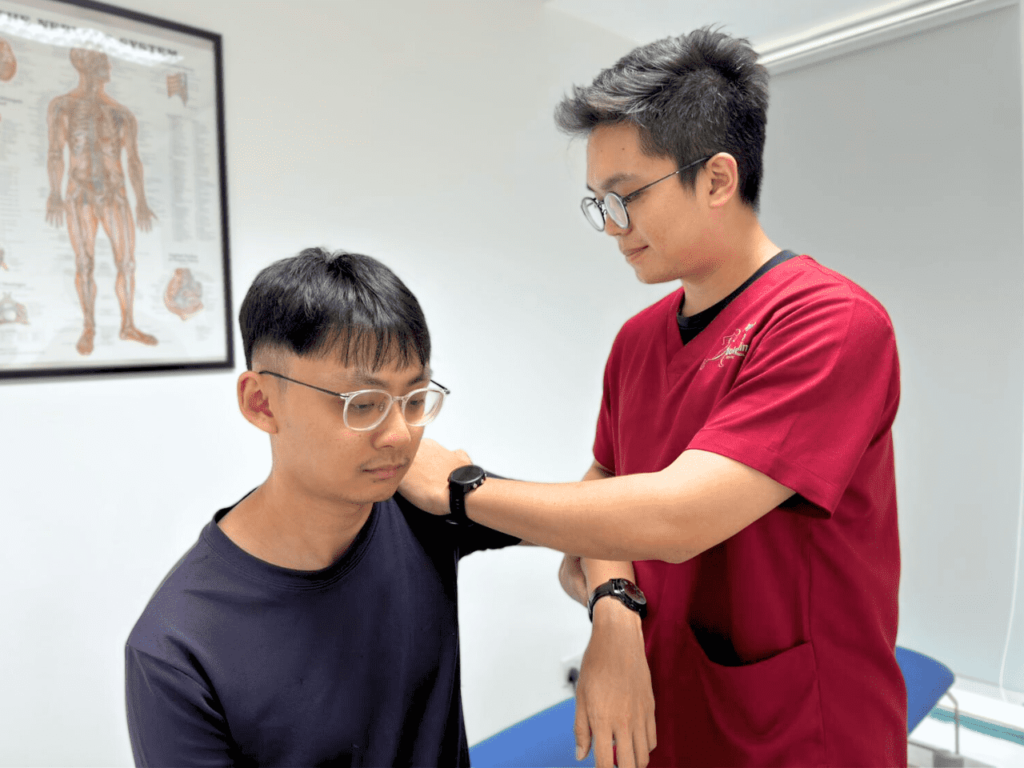
- Manual Therapy & Joint Mobilisation – Hands-on techniques such as soft tissue release and joint mobilisation can loosen tight shoulder joints and restore movement.
- Electrotherapy – Certain modalities can reduce inflammation and promote healing.
- Surgical Options (For severe cases) – Arthroscopic release or manipulation under anesthesia can restore movement.
Prevention & Self-Care for Frozen Shoulder
While frozen shoulder cannot always be prevented, you can reduce the risk with:
- Early rehabilitation – Avoid prolonged immobilisation after an injury or surgery and be compliant to exercises given by your physiotherapist to prevent stiffness.
- Regular shoulder exercises – Maintain good shoulder mobility and strength through regular exercise.
- Proper physiotherapy guidance – If you had a shoulder injury or surgery, follow the rehabilitation plan designed by your physiotherapist to prevent stiffness in your shoulder.
Why Choose Physio & Sole Clinic?
At Physio & Sole Clinic, our expert physiotherapists specialise in personalised treatment for frozen shoulder, helping you regain mobility and live pain-free. From targeted physiotherapy exercises to pain management techniques, we are dedicated to guiding you through every stage of recovery. With transparent pricing and convenient locations across Singapore, we make professional shoulder care accessible and stress-free.
Let us help you get your movement back—Book your appointment at Physio & Sole Clinic here!
Ready to feel better?
Book a consultation with our physiotherapy team to get an assessment tailored to you.
FAQs on Frozen Shoulder Syndrome
Recovery varies, but with physiotherapy, most patients see improvements within 3–6 months instead of waiting years for natural recovery.
It rarely recurs in the same shoulder, but some people develop it in the other shoulder within five years.
If pain and stiffness persist for more than a few weeks, seek early physiotherapy intervention to speed up recovery.