
Plantar Fasciitis in Singapore: Causes, Symptoms and Physiotherapy Treatment
It started as a dull ache under your heel. Maybe you brushed it off after a long walk at East Coast Park or a weekend hike at MacRitchie. But now? Every morning, that first step out of bed feels like stepping on broken glass. Welcome to the world of plantar fasciitis — one of the most common (and stubborn) causes of heel pain.
You're not alone. At Physio & Sole Clinic, we see hundreds of active adults across Singapore dealing with this very issue — from joggers and gym-goers to teachers and retail workers who are constantly on their feet. The good news? Plantar fasciitis is treatable, and with the right steps, recovery is absolutely possible.
Let's dive into what causes plantar fasciitis, how our physiotherapists and podiatrists treat it, and when it's time to book an assessment. (Looking for fast, at-home relief tips instead? See our 7-day relief guide.)
What is Plantar Fasciitis?
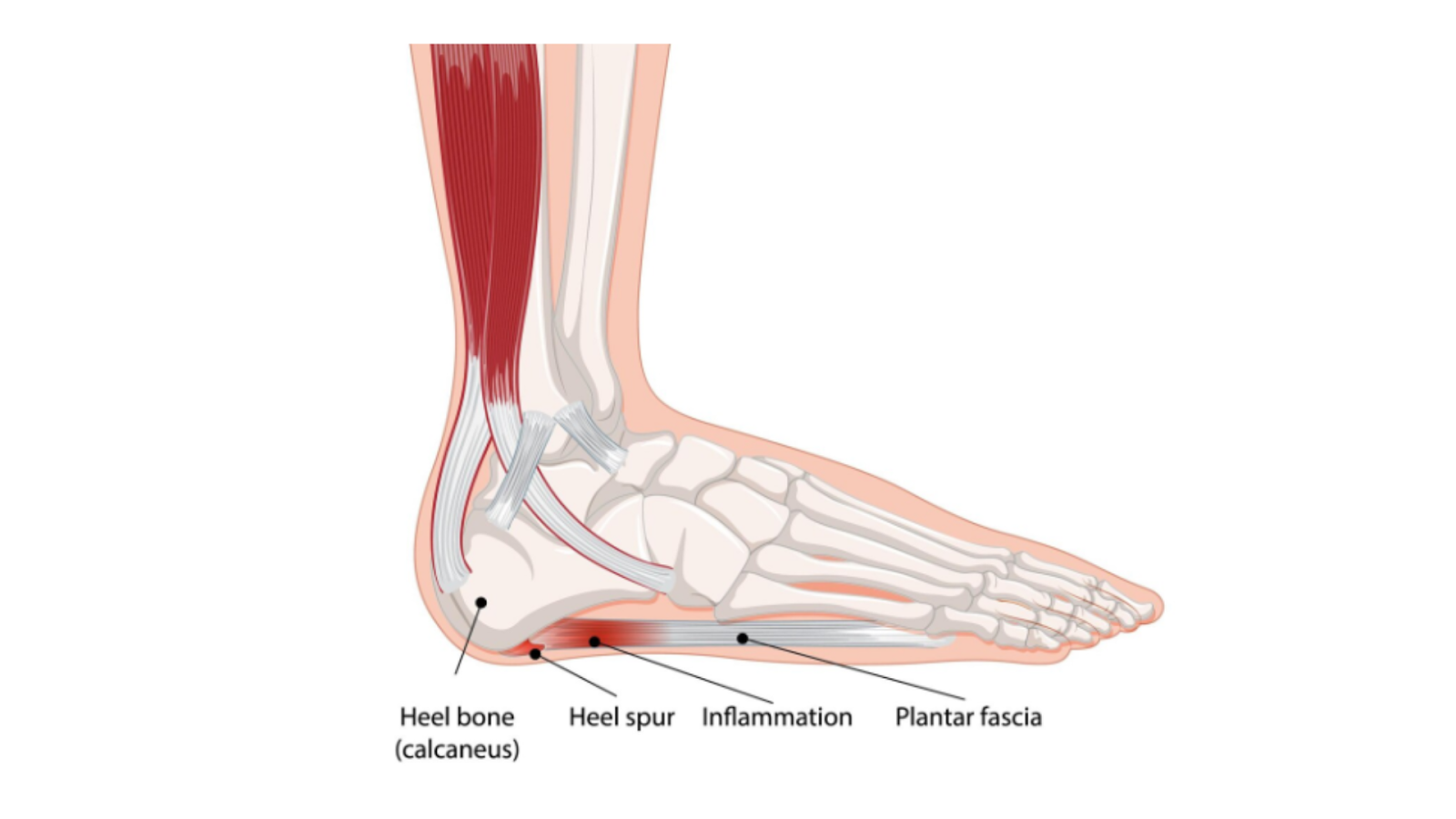
Plantar fasciitis refers to inflammation of the plantar fascia — a thick band of tissue that connects your heel to your toes. This structure acts like a shock-absorbing bowstring, supporting the arch of your foot. Overuse, improper footwear, or tight calves can strain this tissue, leading to microtears and inflammation.
In Singapore’s warm, humid climate, many people opt for flat slippers or sandals that lack arch support, contributing to the condition. Likewise, wearing worn-out sports shoes or going barefoot at home can strain the plantar fascia over time.
What is the Main Cause of Plantar Fasciitis?
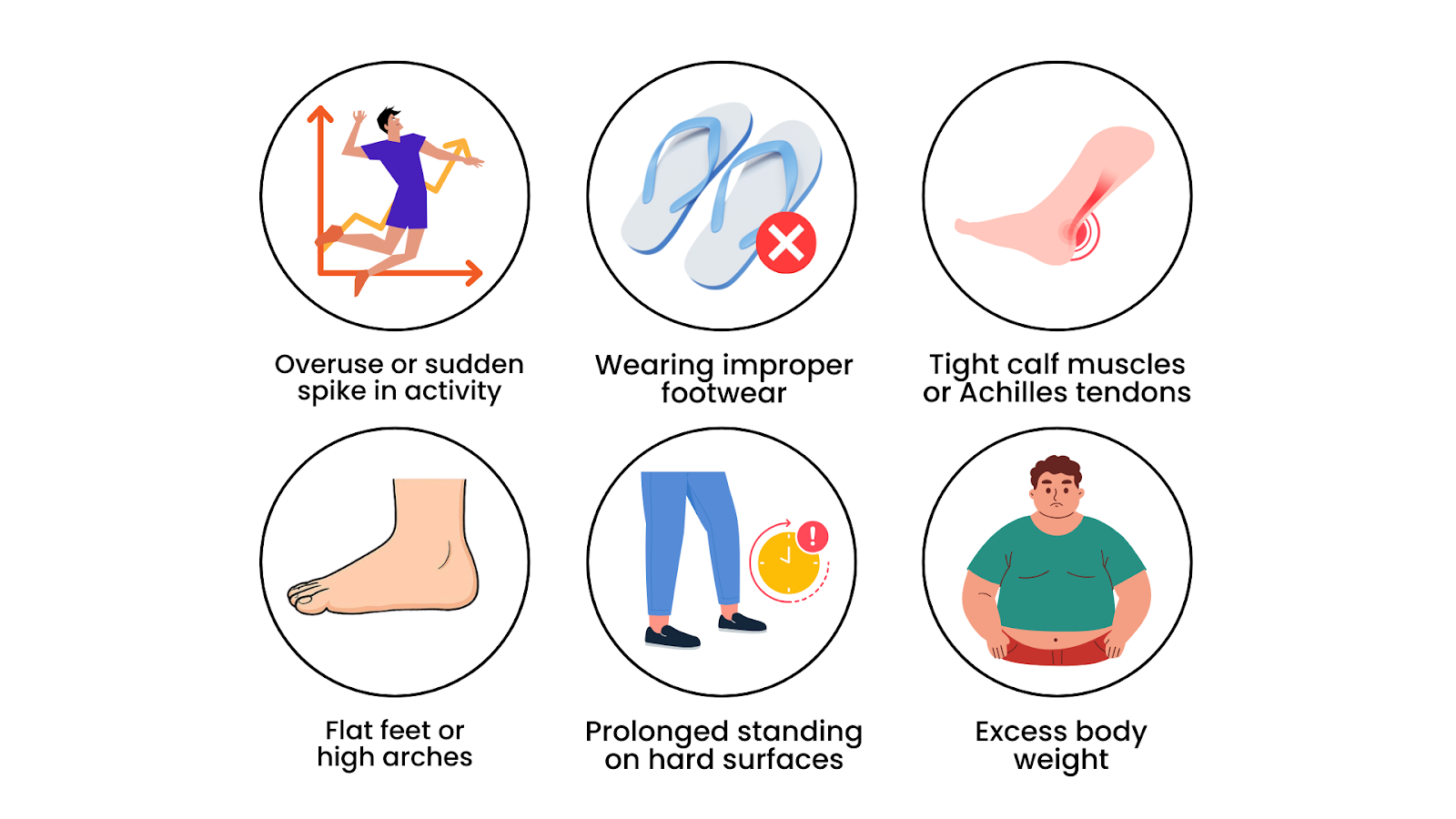
The most common causes of Plantar Fasciitis include:
- Overuse or sudden increase in activity (e.g., training for a marathon or walking long distances during travel)
- Improper footwear – Flat shoes or unsupportive sandals are common culprits
- Tight calf muscles and Achilles tendons
- Flat feet or high arches
- Prolonged standing – Common among teachers, nurses, and retail workers in Singapore
- Excess weight – Adds stress to the foot’s arch
Why is Plantar Fasciitis So Common in Singapore?
Singapore living means lots of walking on concrete surfaces, MRT stations, shopping centres, and office buildings. Couple that with our wet weather (meaning many of us reach for flat sandals or slippers), and it's a formula for plantar fasciitis. Add in prolonged standing (teachers, nurses, warehouse workers) or short bursts of high-intensity activity (marathon training, HIIT), and it's little wonder heel pain is so common among active adults here.
How Do You Know If You Have Plantar Fasciitis?
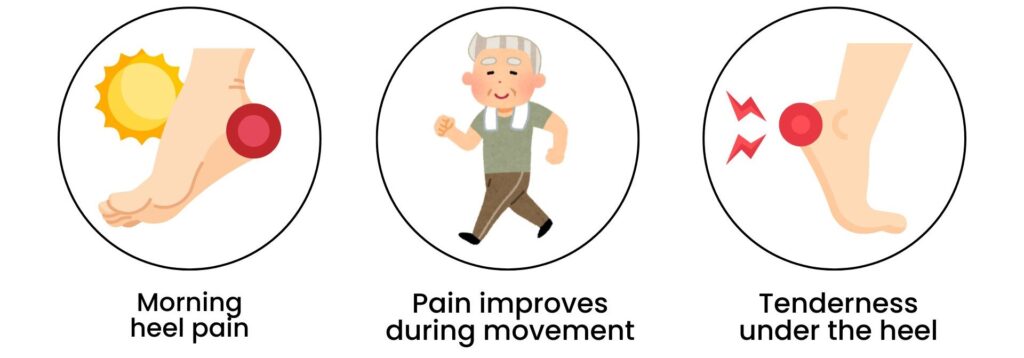
Symptoms of plantar fasciitis include:
- Sharp heel pain when you take your first steps in the morning
- Pain that improves during movement but worsens after prolonged standing or rest
- Tenderness under the heel or along the arch
How to Treat Plantar Fasciitis in Singapore?
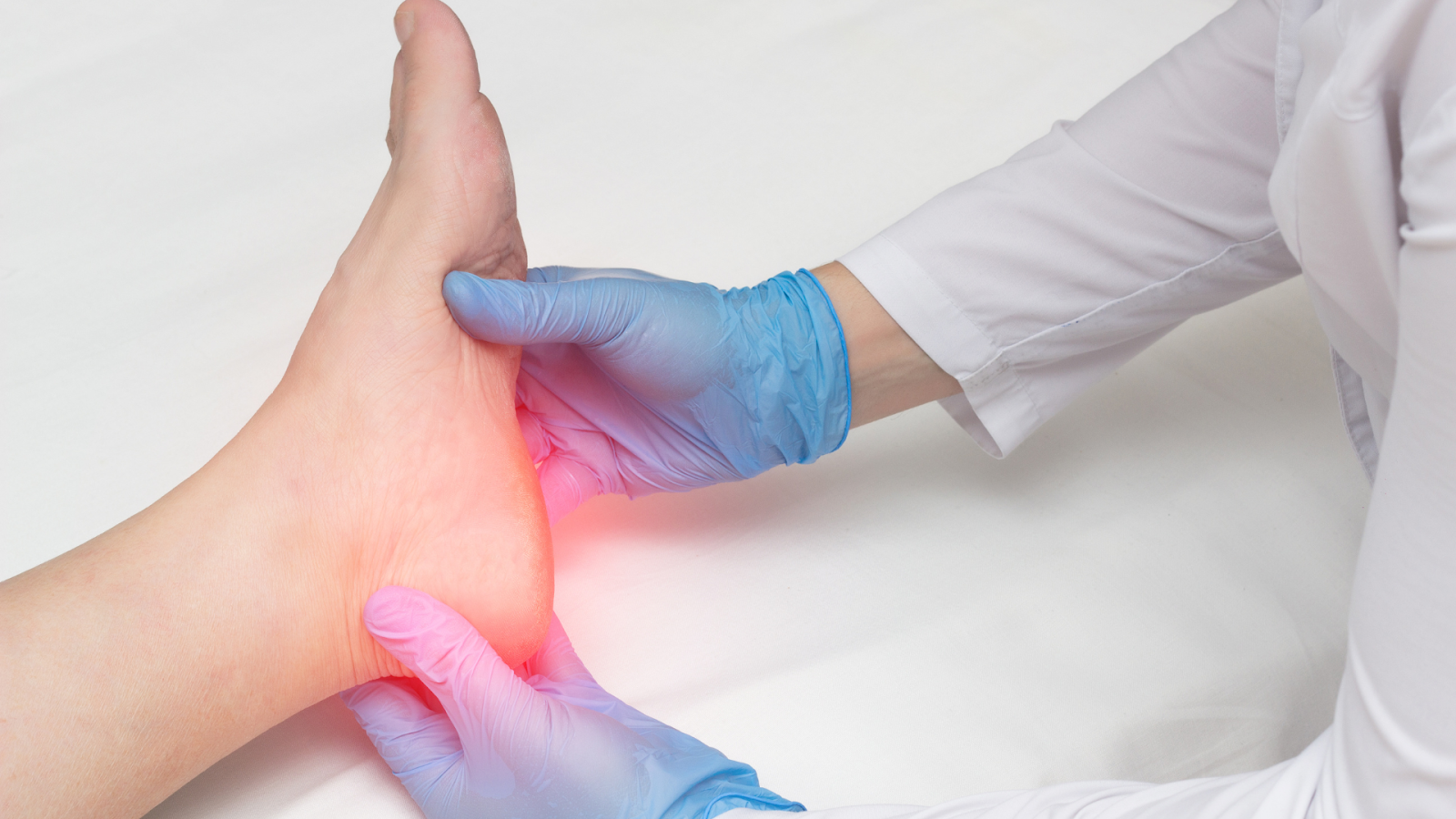
At Physio & Sole Clinic, we offer a multi-pronged approach that includes:
1. Physiotherapy
Your first session starts with a proper assessment — your physiotherapist checks your calf flexibility, foot and ankle mechanics, and how you walk, so treatment targets the actual cause of your strain, not just the sore spot. From there, a typical plan includes:
- Manual therapy to release tight calf and foot muscles
- Taping techniques to reduce strain
- Dry needling to address tight trigger points
- Guided strengthening and flexibility exercises, progressed over your course of sessions as pain settles
Most patients see us weekly in the earlier stages, tapering off as symptoms improve — consistent with the 6–12 week conservative-treatment timeline below.
- Gait analysis to identify biomechanical issues
- Customised insoles or orthotics
- Footwear recommendations based on your lifestyle (yes, there are stylish options available!)
- A non-invasive treatment that stimulates healing in chronic cases
4. Home Advice
- Ice rolling, towel stretches, and how to massage the arch correctly
Need Fast, At-Home Relief Right Now?
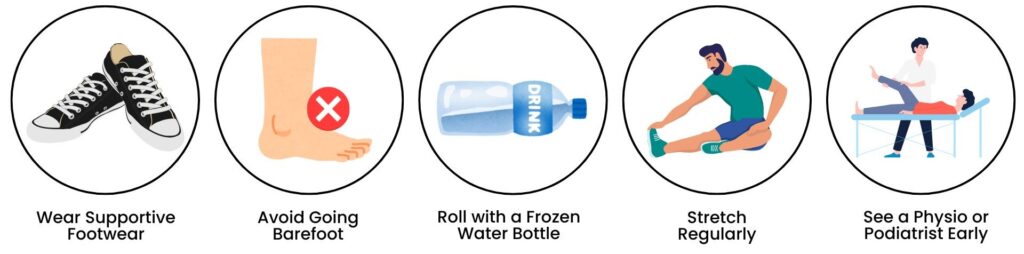
If your pain just started and you want practical things to try today — supportive footwear picks, stretches, icing, taping, and whether anti-inflammatory gels like Voltaren actually help — we've put everything into a dedicated 7-day relief guide: How to Cure Plantar Fasciitis in One Week: Relief Tips for Active Adults in Singapore. It covers home care in far more depth than we can here, written by the same podiatry team.
Is Plantar Fasciitis Curable?
Yes — with early intervention and consistent care. Most people feel meaningful relief within a few weeks, with full recovery typically taking 6–12 weeks under conservative treatment. Left untreated, it can drag on for 6–12 months or longer, so earlier treatment genuinely means a faster recovery.
Should I Exercise with Plantar Fasciitis?

Avoid high-impact activities (like running or jumping) during a flare-up. However, low-impact exercises like swimming, cycling, or Pilates are excellent ways to stay active while healing.
How to Massage Plantar Fasciitis?
You can massage your arch using:
- A massage ball or frozen water bottle
- Your thumbs (apply firm, slow pressure along the arch)
- Stretch your toes back (upwards) and massage along the fascia band
What Happens If I Ignore It?

Plantar fasciitis can become chronic and harder to treat. In some cases, people develop heel spurs, altered gait patterns, or knee and back issues from compensating.
Is Surgery Needed For Plantar Fasciitis?

Surgery is rarely needed. It’s considered only if conservative treatments have failed after 9–12 months, and even then, only for very persistent cases.
Your Next Step: How to relieve plantar fasciitis?
At Physio & Sole Clinic, we specialise in helping people in Singapore walk pain-free again. Whether you’re a weekend warrior, working adult, or active senior, our physiotherapists and podiatrists work together to get to the root of your pain.
With 11 locations islandwide, there’s always a clinic near you. Book an appointment today and start your journey to recovery.
Ready to feel better?
Book a consultation with our podiatry team to get an assessment tailored to you.