
Quick Summary
Quick Summary: Chronic Plantar Fasciitis Recovery Roadmap in Singapore
Chronic plantar fasciitis is a persistent heel pain condition that does not improve with rest, stretching, or common home remedies. In Singapore, it commonly affects active individuals, runners, and even desk-bound workers due to prolonged standing, poor footwear, and repetitive strain.
A proper recovery roadmap focuses on three key phases: pain control, load restoration, and long-term prevention. Instead of relying on temporary relief methods, treatment combines shockwave therapy, progressive strengthening, gait analysis, and custom orthotics to address the root cause.
A physiotherapist and podiatrist in Singapore play a critical role in guiding structured recovery, ensuring patients regain function and prevent recurrence.
What Is Chronic Plantar Fasciitis?
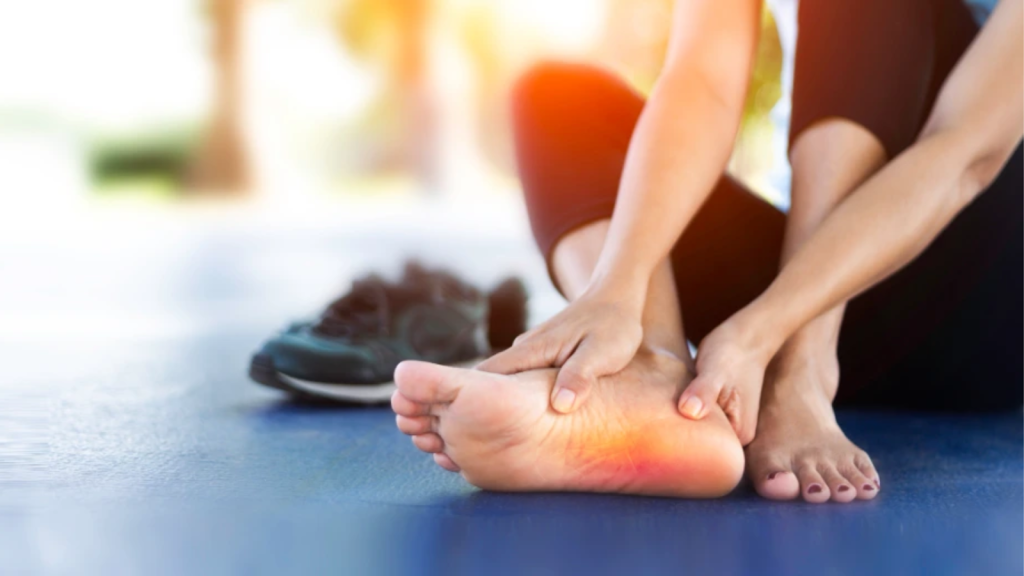
Chronic plantar fasciitis is a long-standing condition involving degeneration and overload of the plantar fascia, the thick band of tissue that supports the arch of your foot.
Unlike acute cases, chronic plantar fasciitis is not just inflammation, it is a failure of the tissue to adapt to repeated stress. This results in persistent heel pain, especially:
- During the first steps in the morning
- After prolonged sitting
- Following long periods of standing or walking
In Singapore, this is commonly seen in individuals with high daily walking loads, flat feet, poor footwear support, or sudden increases in activity levels.
Why Is My Heel Pain Not Going Away?
If your heel pain has lasted for months despite stretching or rest, you are not alone.
As a clinician, I often see patients stuck in a cycle of temporary relief. The problem is that most home remedies do not address the root cause.
Common reasons include:
- Stretching without strengthening the plantar fascia
- Excessive rest leading to weaker tissue
- Returning to activity too quickly without progression
- Poor footwear or lack of arch support
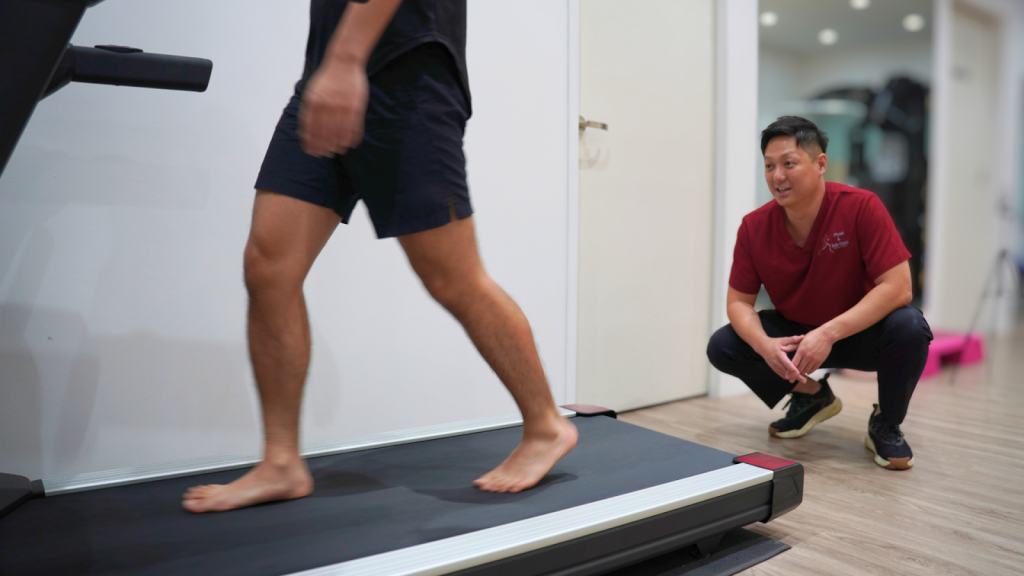
- No assessment of walking or running mechanics
Chronic plantar fasciitis is fundamentally a load management issue, not just a flexibility problem.
What Are the 3 Phases of Chronic Plantar Fasciitis Recovery?
A structured recovery roadmap is essential for long-term results.
Phase 1: Pain & Inflammation Control
Goal: Reduce pain to allow movement
This phase focuses on calming symptoms so that rehabilitation can begin.
Common treatments include:
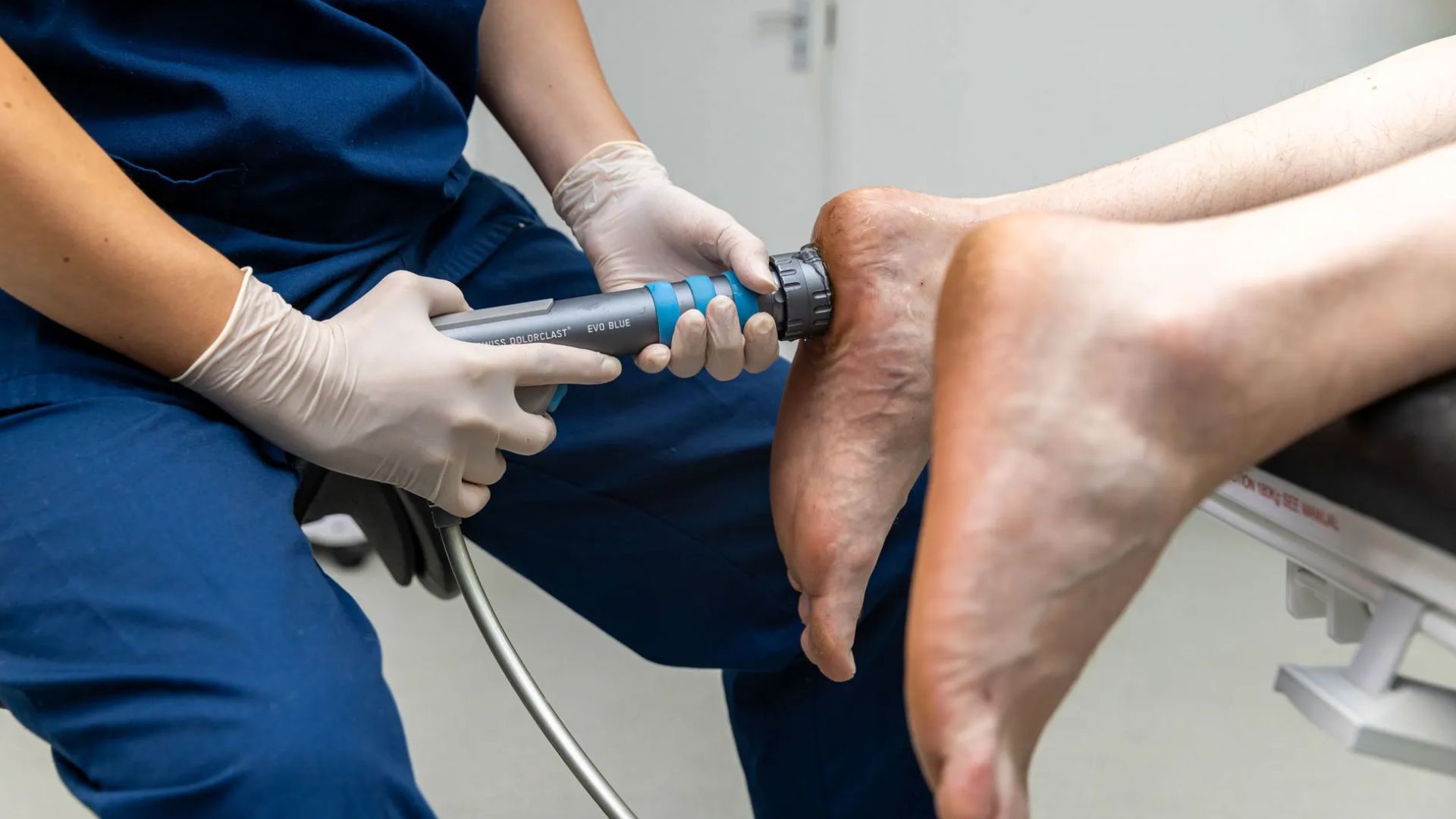
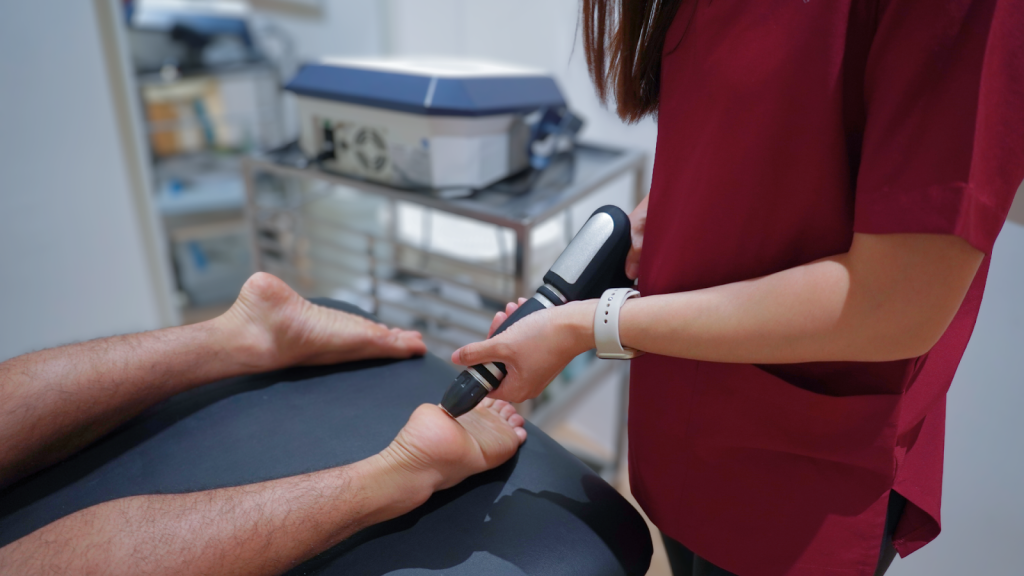
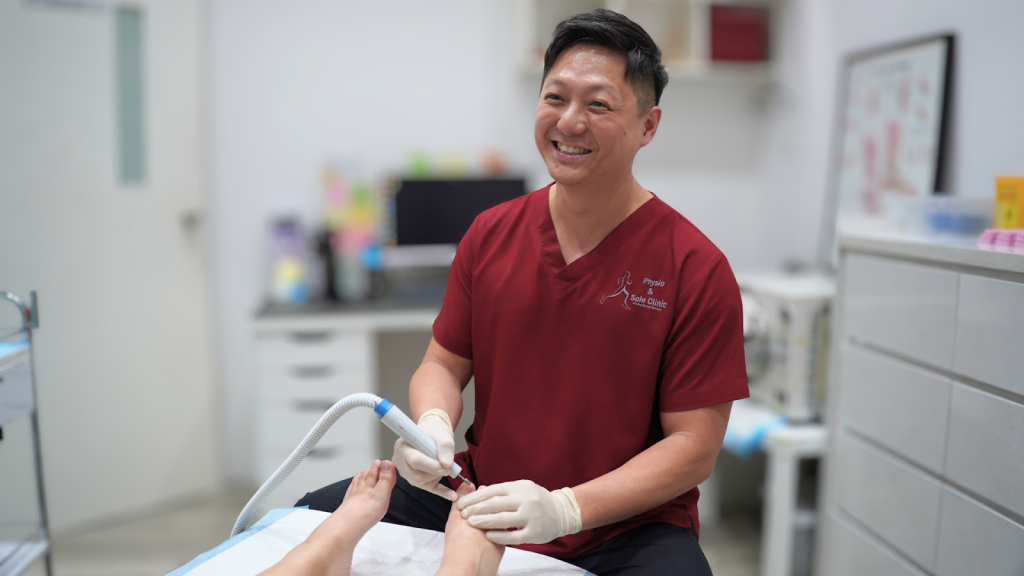
- Shockwave therapy for plantar fasciitis in Singapore
- Taping to offload the plantar fascia
- Temporary activity modification
- Orthotic therapy to offload plantar fascia
Shockwave therapy is particularly effective in chronic cases as it helps stimulate tissue healing and reduce pain sensitivity.
Phase 2: Load Management & Strengthening
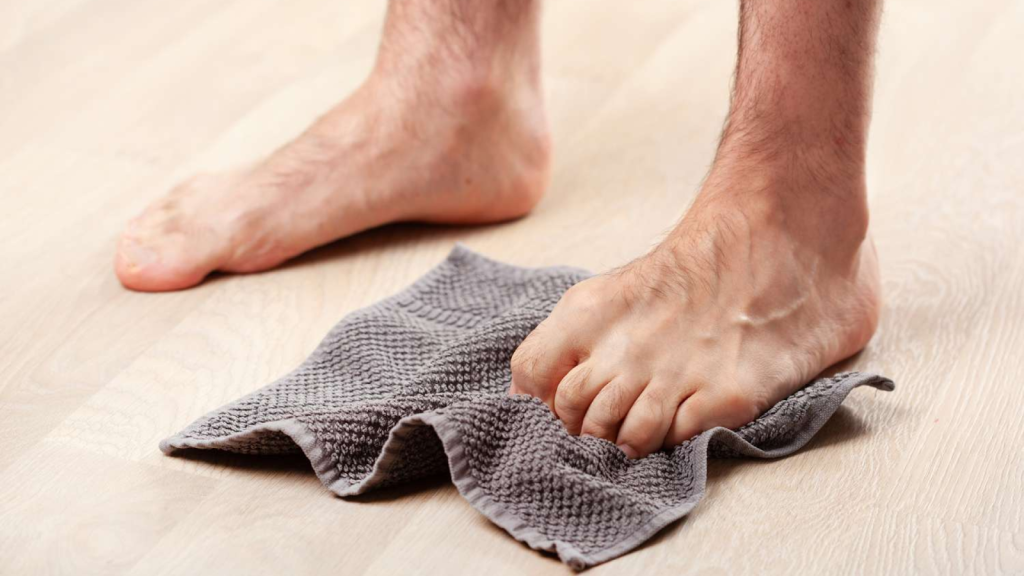
Goal: Restore tissue capacity
This is the most critical phase, and the one most patients miss.
Treatment focuses on:
- Progressive plantar fascia loading exercises
- Strengthening the calf and intrinsic foot muscles
- Gradual return to walking, running, or standing loads
Without rebuilding strength, the plantar fascia will continue to flare up with normal activity.
Phase 3: Long-Term Prevention
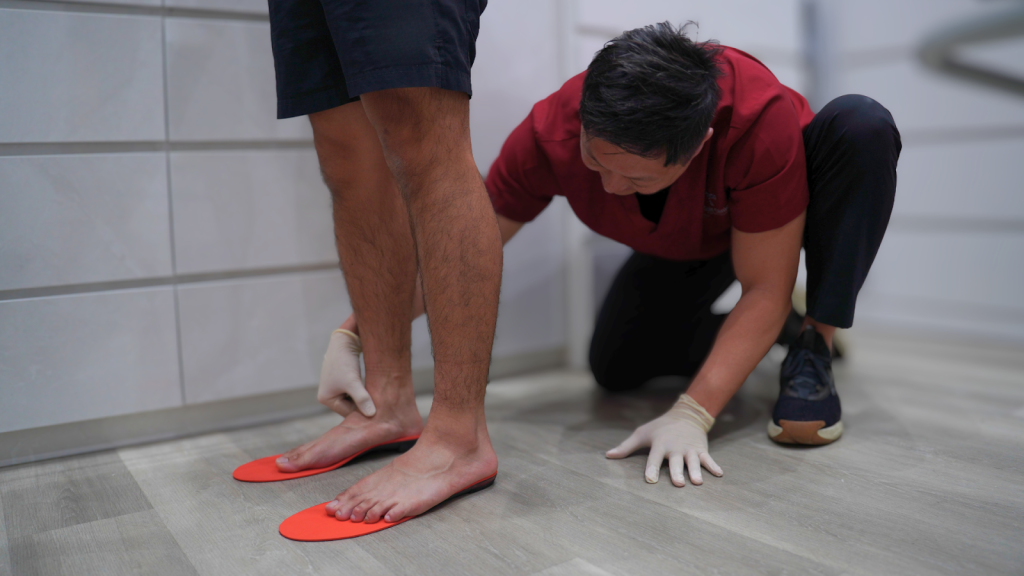
Goal: Prevent recurrence
Once pain improves, long-term strategies are essential.
These include:
- Gait analysis to identify movement inefficiencies
- Footwear recommendations
- Custom orthotics for plantar fasciitis (if required)
- Ongoing load management planning
This phase ensures that recovery is not temporary.
Why Does Rest Make Plantar Fasciitis Worse Sometimes?
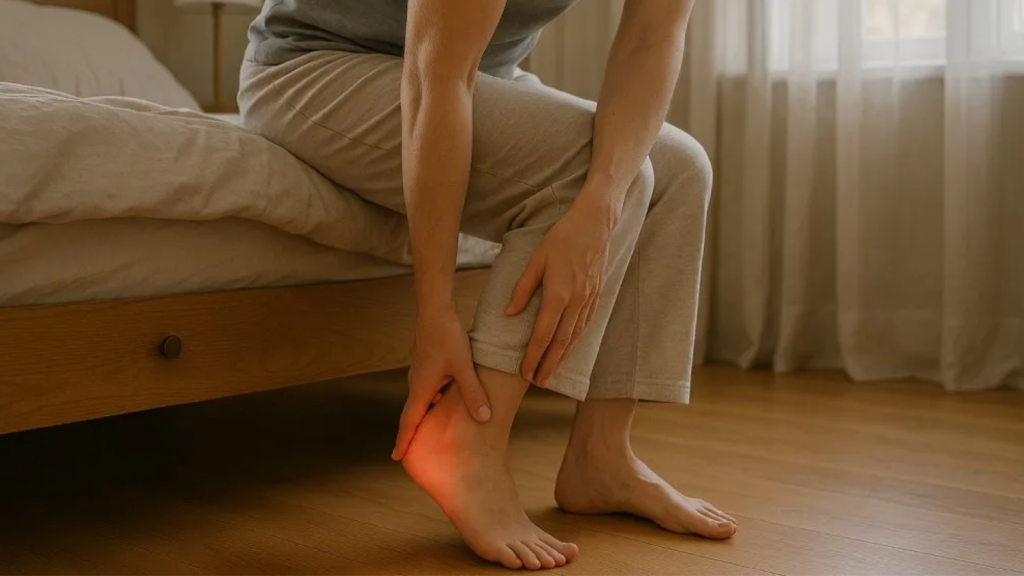
Many patients are told to “just rest,” but this can actually delay recovery.
Here’s why:
- Rest reduces pain temporarily but does not improve tissue strength
- The plantar fascia becomes less tolerant to load
- Pain returns when activity resumes
The goal is not complete rest, it is controlled, progressive loading.
Step-by-Step Clinical Recovery Process
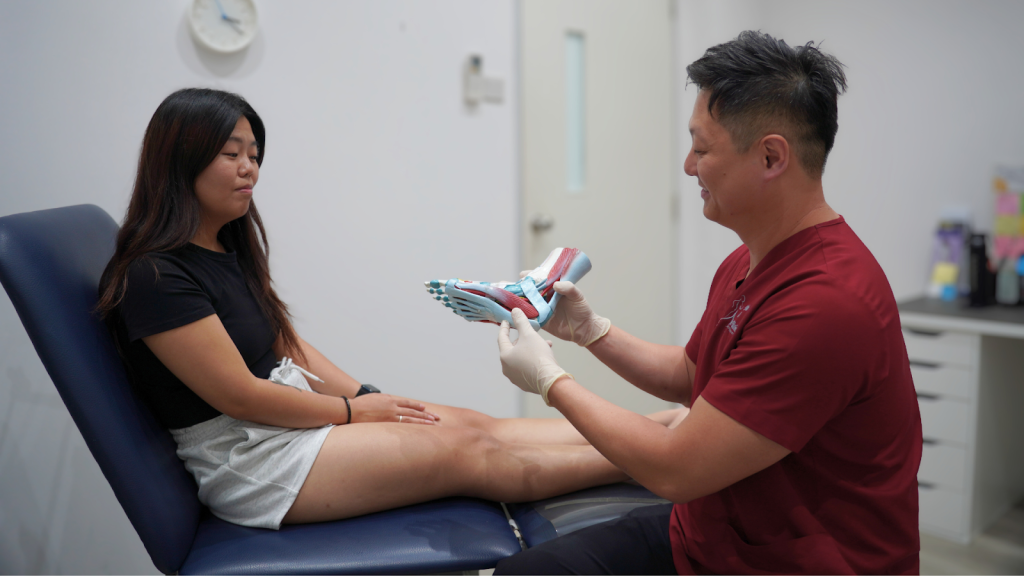
A structured approach used in plantar fasciitis treatment in Singapore typically includes:
Initial AssessmentEvaluation of pain history, lifestyle, and activity levels
Movement & Gait AnalysisIdentifying abnormal loading patterns
Diagnosis of Root CauseDetermining contributing factors such as footwear or biomechanics
Pain Management PhaseShockwave therapy, taping, and symptom control
Progressive Strengthening ProgrammeGradual loading of the plantar fascia
Return-to-Activity PlanningStructured progression back to walking, running, or sports
Prevention StrategyLong-term support through footwear and orthotics if needed
Common Mistakes That Delay Recovery

Many cases become chronic due to avoidable mistakes:
- Relying only on stretching
- Stopping activity completely for long periods
- Wearing unsupportive shoes
- Ignoring early symptoms
- Delaying professional treatment
These mistakes often turn a short-term condition into a long-term problem.
Comparison: Temporary Relief vs Long-Term Fix
| Approach | What It Does | Outcome |
|---|---|---|
| Stretching only | Improves flexibility | Temporary relief |
| Ice / massage | Reduces pain | Short-term comfort |
| Rest | Reduces irritation | Weakens tissue over time |
| Strengthening programme | Builds tissue capacity | Long-term recovery |
| Orthotics + gait correction | Reduces overload | Prevents recurrence |
When Should You See a Podiatrist in Singapore?
You should consider seeing a podiatrist for heel pain in Singapore if:
- Pain lasts more than 4–6 weeks
- Symptoms keep returning
- Walking or standing becomes painful
- Home remedies no longer work
Early intervention can significantly shorten recovery time. Not sure how to pick one? Our guide to choosing a podiatrist in Singapore covers what to check before booking.
Conclusion
Chronic plantar fasciitis is not just a stubborn injury, it is a condition that requires a structured and progressive recovery approach.
Relying on temporary relief methods often leads to recurring pain. The key to lasting recovery lies in addressing the root cause through proper load management, strengthening, and long-term prevention strategies.
If your heel pain is not improving despite rest or stretching, it may be time to take a more structured approach.
At Physio & Sole Clinic, our team provides plantar fasciitis treatment in Singapore through a personalised recovery roadmap, combining physiotherapy, podiatry, and evidence-based care to help you move pain-free again.
If you're unsure what stage your injury is at or what to do next, book an appointment with our team today and start your recovery with clarity and confidence.
Resources from Physio & Sole Clinic
This article is part of Physio & Sole Clinic’s Plantar Fasciitis Series, created to help patients better understand the condition and treatment options.
You may also find these related resources helpful:
Physiotherapy in SingaporeLearn how physiotherapy can help manage pain, injuries, and mobility issues.
Physio & Sole Clinic Locations GuideFind a Physio & Sole Clinic near you across Singapore for convenient access to physiotherapy care.
How to Cure Plantar Fasciitis in One Week: Relief Tips for Active Adults in SingaporeExplore practical ways to reduce pain quickly while supporting long-term recovery.
**Plantar Fasciitis in Different Sports: Why Runners, Dancers & Office Workers Need Different Treatment **Learn why plantar fasciitis varies across activities and how treatment should be tailored.
Plantar Fasciitis in Singapore: Causes, Treatment, and Fast Relief Tips Full overview of plantar fasciitis causes and treatment options.
Ready to feel better?
Book a consultation with our podiatry team to get an assessment tailored to you.
Frequently Asked Questions About Plantar Fasciitis Recovery
Most cases take 3 to 6 months with proper treatment, depending on severity and consistency.
Stretching alone does not improve the load capacity of the plantar fascia. Strengthening is required.
Recovery typically involves:
- Pain control
- Load restoration
- Long-term prevention
Recovery varies. Mild cases may improve within weeks, while more persistent cases can take longer. The timeline A combination of:
- Shockwave therapy
- Strengthening exercises
- Load management
- Gait correction
- Orthotics (if needed)
If not treated properly, it can persist for years due to repeated overload.
Not necessarily. Walking must be modified and progressed, not completely avoided.