
Quick Summary
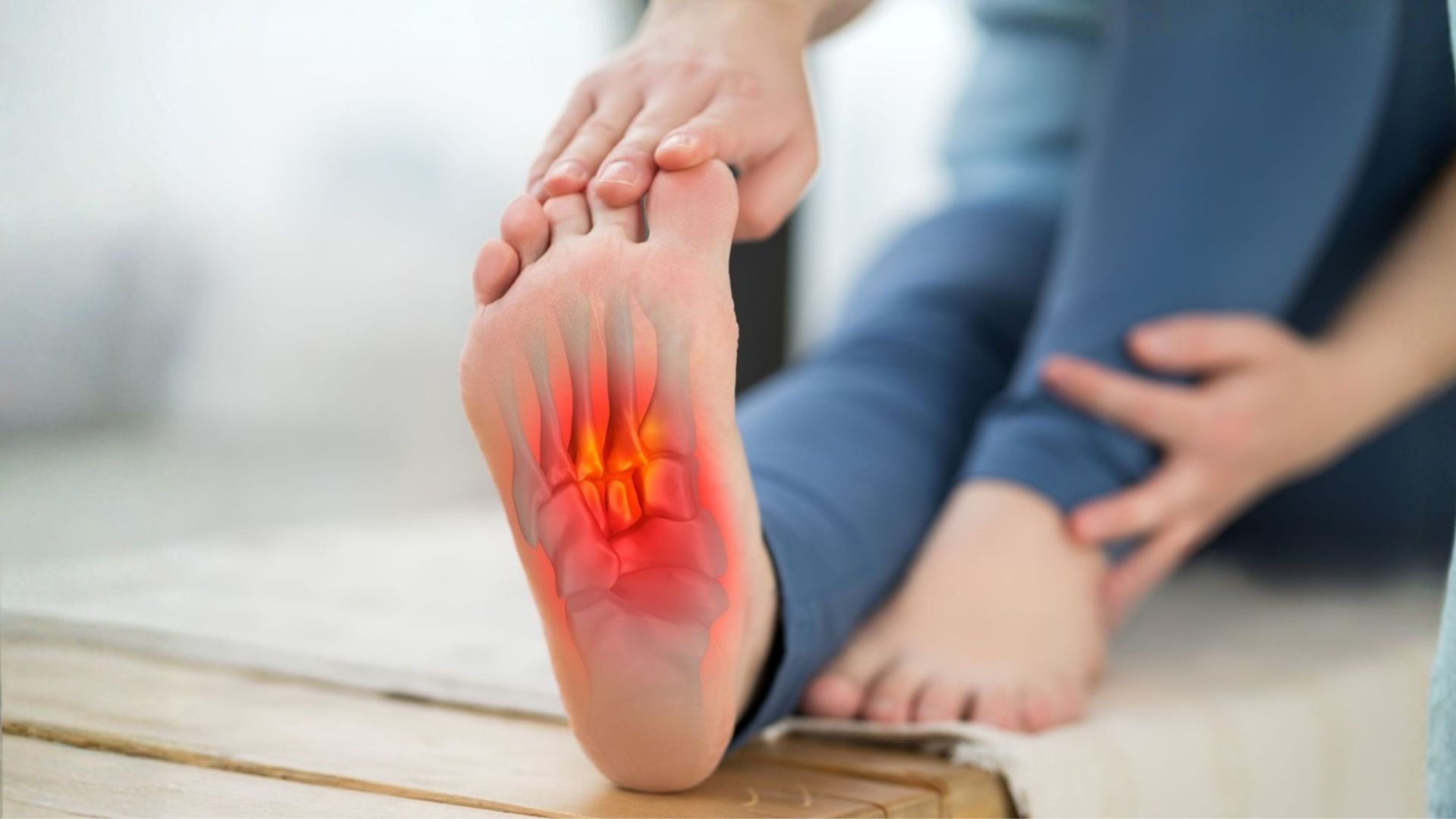
Plantar fasciitis is one of the most common causes of heel pain I see in the clinic, and yet it’s also one of the most misunderstood.
Many people are told the same thing: stretch your calves, ice your heel, wear better shoes, and consider trying insoles. While these suggestions may help in the short term, they do not explain why some people recover quickly while others struggle for months.
From treating runners, dancers, gym users, office workers, and teachers across Singapore, I’ve learned that the diagnosis may look the same, but the underlying cause and the right treatment often aren’t.
Why the Same Plantar Fasciitis Advice Doesn’t Work for Everyone
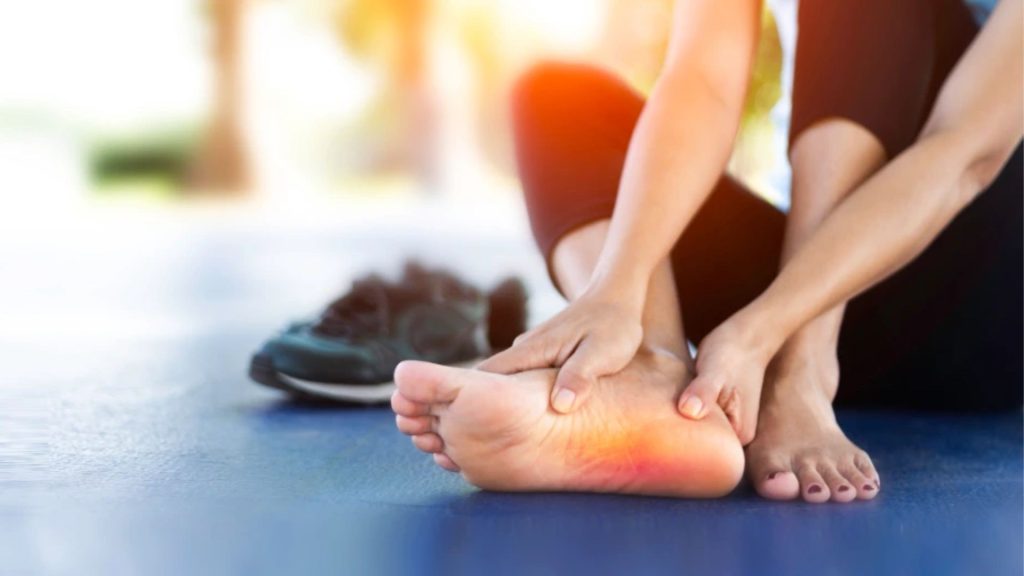
Plantar fasciitis is often described as an inflammatory condition, but in reality, most ongoing cases behave more like a load-related tissue problem. The plantar fascia becomes painful when the demands placed on it exceed what it can tolerate.
This overload can come from:
Repetitive high-impact activity
Poor recovery between loads
Sudden increases in standing or walking
Reduced strength or endurance in the foot and calf
Because different people load their feet in different ways, a single treatment approach rarely works for everyone.
Why Does Plantar Fasciitis Affect Runners Differently From Office Workers?

For runners, plantar fasciitis is usually driven by repetitive stress.
Every step places load through the plantar fascia as it supports the arch and helps propel the body forward. Problems often arise when:
Weekly mileage increases too quickly
Speed or hill work is added without adequate preparation
Calf muscles fatigue and shift more load onto the fascia
Footwear doesn’t match training demands
Many runners rest until pain settles, then return to running at the same intensity, only to find the pain comes back. This happens because rest alone doesn’t restore tissue capacity.
Office workers experience something quite different.
Can Office Work Cause Plantar Fasciitis Without Exercise?
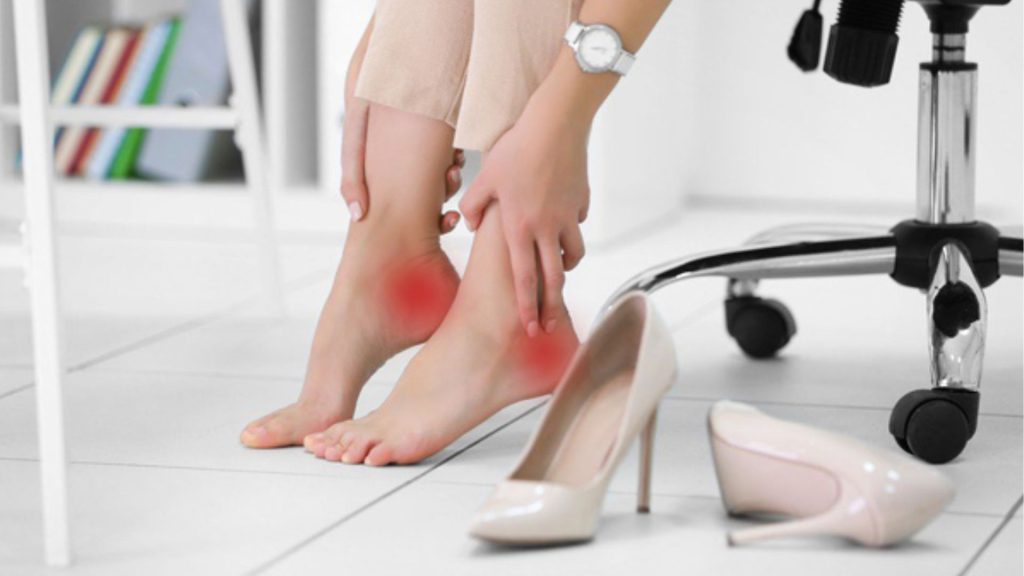
Yes, and this is very common in Singapore.
In office workers, plantar fasciitis often develops due to low baseline conditioning combined with sudden increases in load. I frequently see this pattern in people who:
Sit for long hours during the workday
Start using standing desks without a gradual transition
Walk barefoot or in thin slippers on hard tiled floors at home
Become very active on weekends after a sedentary week
The plantar fascia isn’t exposed to regular, progressive loading, so it struggles when demand increases. The result is heel pain that seems to appear “out of nowhere,” even without structured exercise.
Does Plantar Fasciitis Treatment Differ by Sport or Activity?
Yes. Effective plantar fasciitis treatment should reflect how the foot is being used day to day.
Understanding why the fascia is overloaded is far more important than treating the pain in isolation. This is where activity-specific care becomes essential.
Runners: Building Load Tolerance, Not Avoiding Activity
In runners, treatment focuses on restoring the foot’s ability to handle repetitive impact.
This often includes:
Progressive calf and foot strengthening
Temporary adjustments to running volume or intensity
Reviewing training surfaces and footwear
Gradual return-to-run planning rather than complete rest
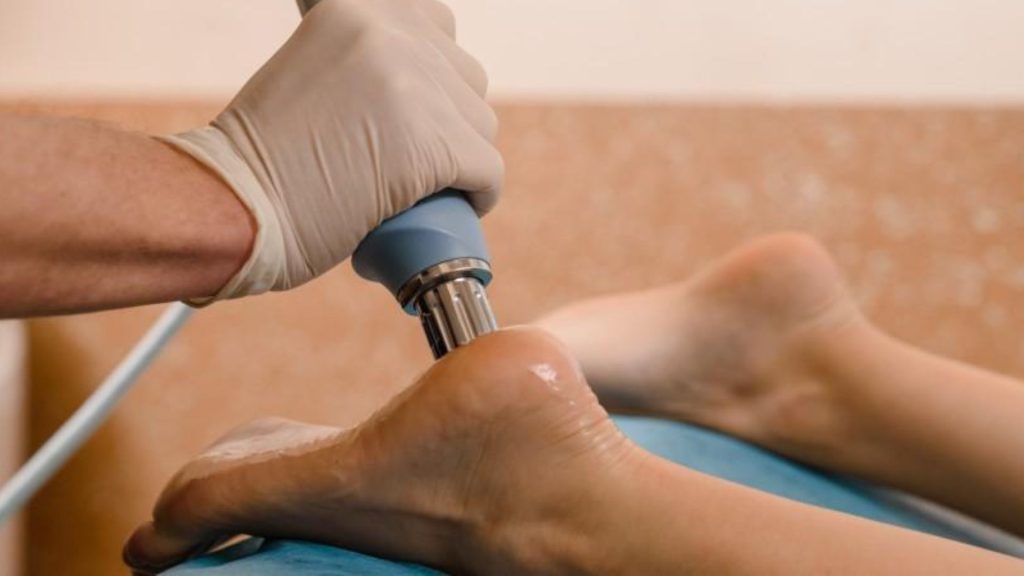
Stretching alone is rarely sufficient, and prolonged inactivity can delay recovery. In more persistent cases, treatments such as shockwave therapy may be used to support tissue healing, but they work best when combined with active rehabilitation.
Why Dancers Get Plantar Fasciitis Despite Good Flexibility
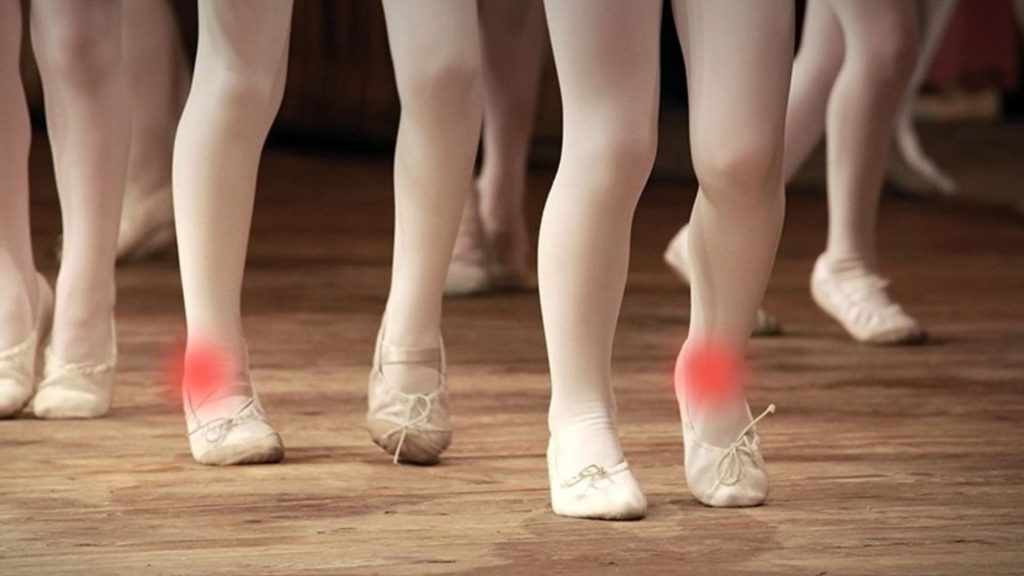
Dancers are often surprised by a plantar fasciitis diagnosis because they tend to be strong and flexible. However, flexibility does not protect against overload.
In dancers, the plantar fascia is stressed through:
Repeated demi-pointe and pointe positions
Long rehearsal hours with limited recovery
Barefoot or minimally cushioned footwear
High demands on foot control at extreme ranges
In these cases, pain is usually related to fatigue and control, not stiffness. Over-stretching can sometimes worsen symptoms. Treatment typically focuses on improving endurance and load management while allowing the dancer to continue training safely, where possible.
Teachers: A High-Risk, Often Overlooked Group
Teachers are one of the groups I see most often for heel pain, yet they rarely think of themselves as being at risk the way an athlete would. Most are on their feet for 4 to 6 hours a day, moving between standing at the whiteboard, walking the classroom floor, and supervising outdoors, often in flat, unsupportive shoes.
This pattern of load is closer to office workers than to runners: there's no single traumatic overload, just sustained standing that the plantar fascia and surrounding structures aren't conditioned to handle. Where it differs from office work is the near-total lack of sitting breaks during the school day, which removes the natural recovery windows an office worker gets between meetings.
Treatment for teachers usually involves:
Insoles to reduce tension on the plantar fascia during long standing hours, including slimmer designs that fit into smart or formal shoes without losing support
Trigger point release and joint mobilisation to manage pain that's already built up
A gradual return to full standing hours rather than pushing through pain, paired with stretching and strengthening exercises for the calf and foot
A review of footwear worn both in and out of the classroom, since flat, cushion-less shoes are a common hidden contributor
Gym Users and High-Intensity Training: A Growing Risk Group

Gym-related plantar fasciitis is increasingly common, especially among those doing HIIT, HYROX-style training, or mixed strength and cardio workouts.
Common contributors include:
High-impact movements on fatigued calves
Minimal warm-up before explosive exercises
Using lifting shoes for jumping or running
Rapid increases in training intensity
Treatment often involves modifying training structure temporarily, improving calf endurance, and ensuring footwear suits the type of activity being performed.
What Effective, Personalised Treatment Looks Like
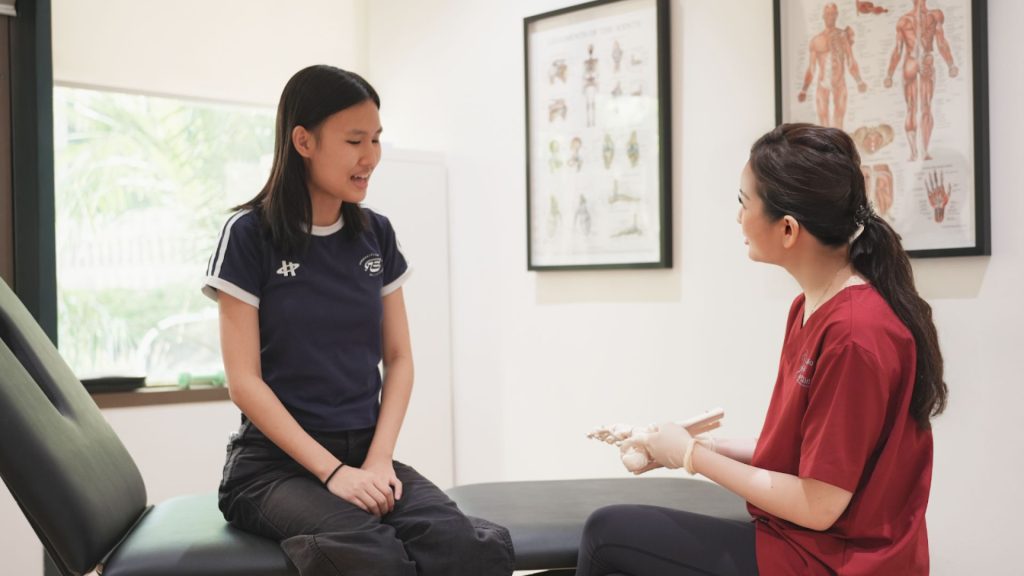
In practice, successful plantar fasciitis treatment involves:
Identifying how and when the foot is overloaded
Gradually rebuilding tissue capacity
Addressing footwear and daily habits
Progressing activity in a structured, sustainable way
Most people do not need surgery, and many do not need long-term orthotics. What they do need is a plan that fits their lifestyle, sport, and work demands.
When Is It Time to Seek Professional Care?
It’s worth getting assessed if:
Heel pain lasts longer than 2–3 weeks
Morning pain is getting worse, not better
Pain interferes with work, training, or daily walking
Generic advice hasn’t led to improvement
Early, targeted care can prevent plantar fasciitis from becoming a long-term problem.
Other Foot Conditions to Watch For in Standing Professions
Heel pain isn't the only foot problem that shows up in people who stand for hours at a time. Two others I see regularly, particularly in teachers and other standing professions, are worth knowing about:
Sesamoiditis affects the two small sesamoid bones under the big toe joint, which stabilise the toe as you push off with each step. Excessive pressure under the ball of the foot, from prolonged standing, ill-fitting shoes, or high heels, can inflame these bones. Feet with bunions, high arches, or flat feet are more prone to it. Assessment of foot structure and gait guides treatment, which typically involves insoles and padding to offload the painful area.
Posterior tibialis tendon dysfunction involves the tendon that runs from the inner shin to the arch of the foot, holding it up. Long hours of standing and walking can overuse and weaken this tendon, causing pain and swelling behind the inner ankle, a flattening arch, and difficulty rising onto the toes. Left untreated, it tends to worsen, so it's worth seeing a podiatrist early. Treatment includes insoles to support the tendon, taping, and stretching and strengthening exercises.
Final Thoughts
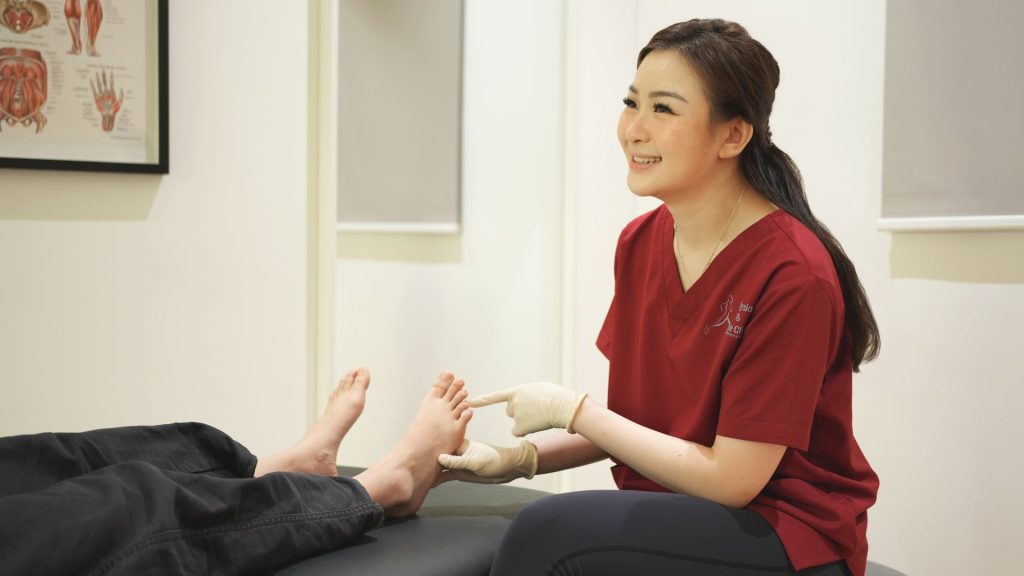
Plantar fasciitis is rarely just a foot issue. It reflects how your feet are coping with the demands placed on them.
When treatment is matched to your activity level and lifestyle, recovery becomes far more predictable and far less frustrating.
If your plantar fasciitis isn’t improving, or you’re unsure which treatment approach is right for you, a professional assessment can help clarify the cause and guide the next steps.
With the right plan, most people can return to walking, training, or performing comfortably, without relying on guesswork.
Ready to feel better?
Book a consultation with our podiatry team to get an assessment tailored to you.