Skip to content




Written by
Kwok Siew Kong
Principal Podiatrist at Physio & Sole Clinic
An experienced podiatrist who spent eight years at Singapore General Hospital (SGH), where he was part of the MSK Specialist Team and worked closely with the Orthopaedics Department. SK has extensive experience managing musculoskeletal foot conditions, advanced wound care, and post-operative recovery, and is passionate about helping patients stay active and mobile through comprehensive foot and lower-limb care.
If your foot pain keeps returning despite trying general insoles, massages, or rest, it may not have been properly diagnosed. The best podiatrists in Singapore for foot pain go beyond treating symptoms by identifying the root biomechanical cause, using tools like gait analysis and custom orthotics. This approach leads to longer-lasting relief, fewer recurrences, and improved overall movement.
In This Blog
- Why does foot pain keep coming back?
- What does a podiatrist do in clinic?
- Why gait analysis matters?
- Custom orthotics vs retail insoles
- When to seek treatment?
- Insurance coverage in Singapore
The Problem: “I’ve Tried Everything… Why Does It Still Hurt?”

You’ve bought better shoes.
You’ve tried gel insoles.
Maybe even gone for massages or stretches.
It works for a while.
Then the pain comes back.
That’s the frustrating reality many patients face with chronic foot pain in Singapore. Whether it’s heel pain when you wake up, aching arches after walking, or discomfort that travels up to your knees… the issue is rarely just the foot itself.
The real problem?
You’re treating the symptom, not the cause.
Why Most Foot Pain Keeps Coming Back

Most treatments focus on relieving pain, but not understanding it.
Common “quick fixes” include:
- Off-the-shelf insoles
- Foot massages
- Rest or icing
These can reduce discomfort temporarily, but they don’t address how your foot moves.
Foot pain is often caused by:
- Poor biomechanics
- Uneven pressure distribution
- Misalignment during walking
Without correcting these, your body keeps repeating the same stress patterns.
And that’s why the pain returns.
What Does the Best Podiatrist in Singapore for Foot Pain Actually Do?
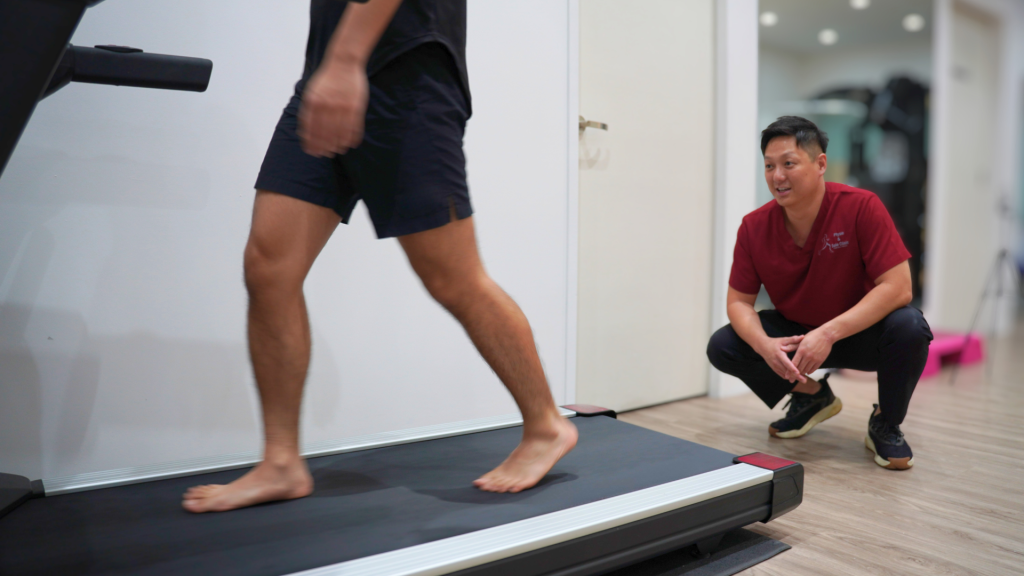
A podiatrist doesn’t just look at your foot—they analyse how your entire lower body functions.
The key difference is diagnostic depth.
Instead of guessing, they:
- Assess how you walk (gait analysis)
- Identify pressure points
- Evaluate alignment from the foot to the knee to the hip
This allows them to answer the most important question:
Why is your pain happening in the first place?
Beyond Visual Checks: Why Gait Analysis Changes Everything
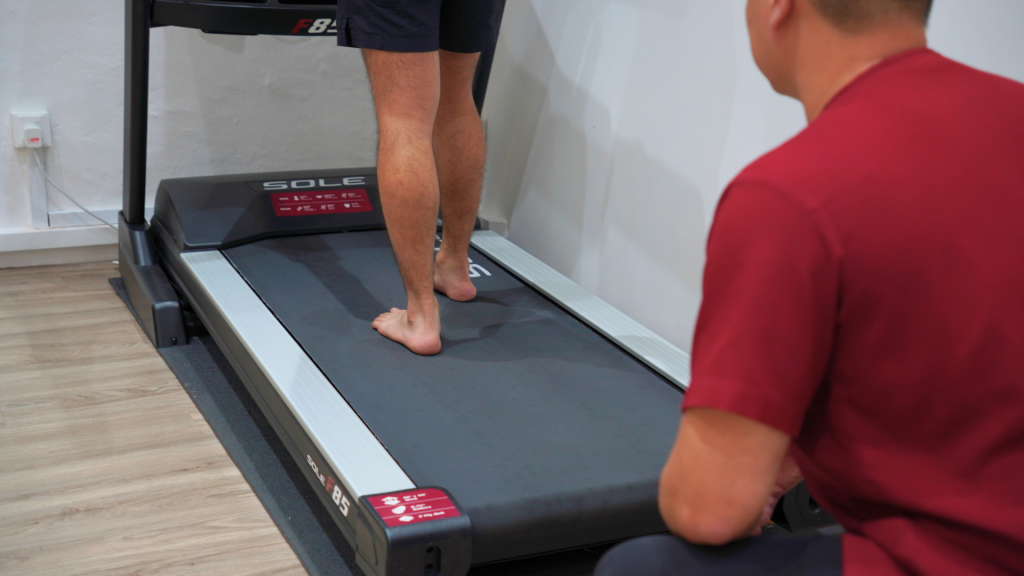
Most people assume foot problems can be diagnosed just by looking.
But many issues only appear when you move.
That’s where gait analysis comes in.
It helps identify:
- How your foot strikes the ground
- Where pressure is concentrated
- Whether your arch collapses during walking
- Imbalances between left and right
This level of insight is what separates: Temporary relief VS Long-term correction
What Happens During a Proper Podiatry Assessment
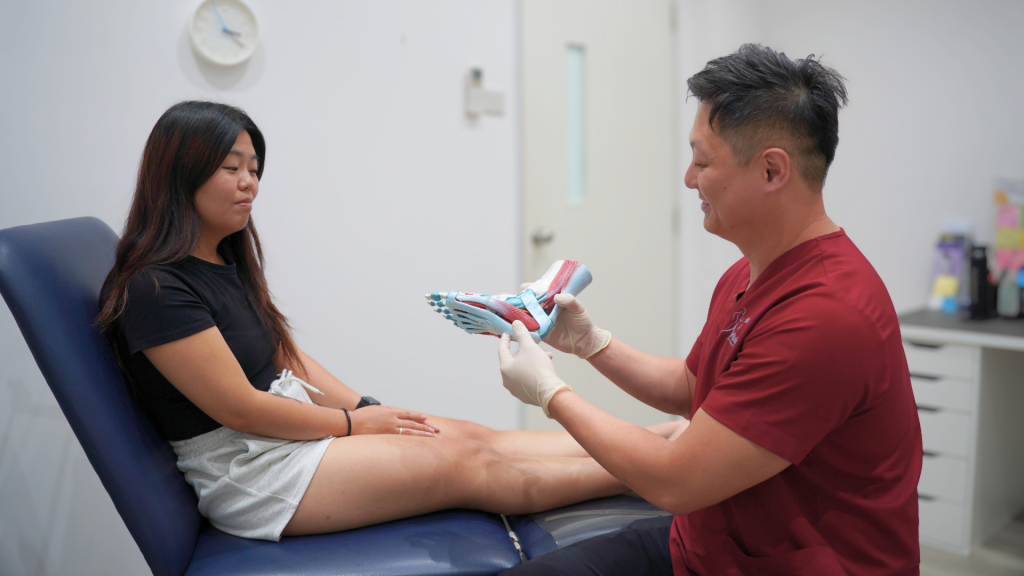
A proper assessment is structured and detailed—not rushed.
It typically includes:
- Clinical History
Understanding your pain patterns, lifestyle, and activity levels - Foot & Posture Assessment
Checking alignment, arch type, and joint mobility - Gait Analysis
Observing how you walk or run in real-time and in slow motion
By the end, you’re not just told what hurts—you understand why it hurts.
Custom Orthotics vs Retail Insoles: What’s the Real Difference?
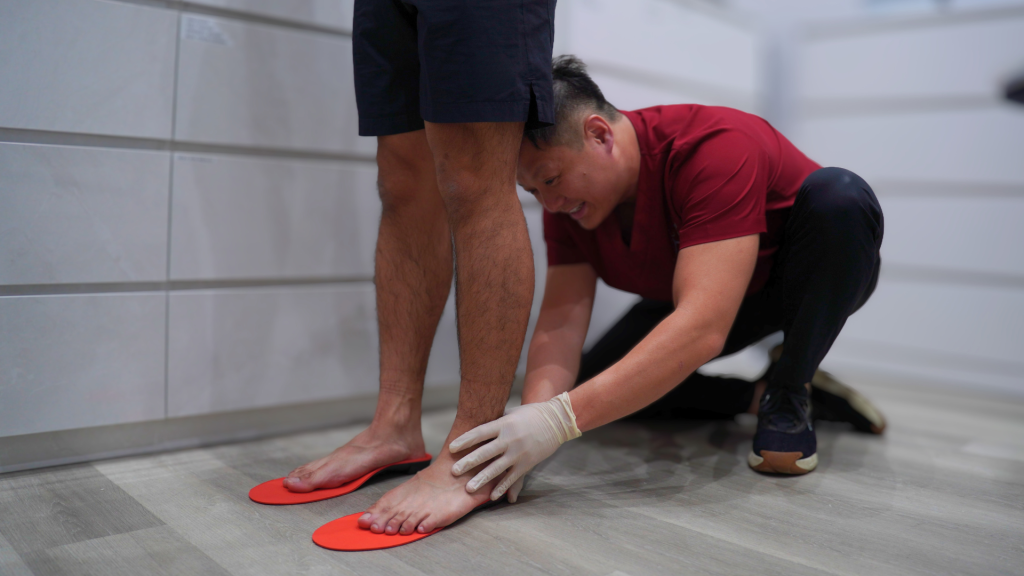
This is where many people get misled.
At first glance, retail insoles and custom orthotics may seem similar—but they serve very different purposes.
Custom Orthotics vs Retail Insoles
| Retail Insoles | Custom Orthotics |
| One-size-fits-all | Designed based on your biomechanics |
| General comfort support | Corrects alignment and load distribution |
| Provides short-term relief | Targets the root cause of pain |
Retail insoles are designed to provide general cushioning and comfort, which may help in temporary discomfort reduction. However, they do not address how your foot moves or functions.
Custom orthotics, on the other hand, are prescribed based on a detailed assessment of your foot mechanics. They are designed to correct alignment, improve load distribution, and address the underlying cause of your pain.
The difference is simple:
Retail insoles cushion.
Custom orthotics correct.
If you’re unsure which option is right for you, you can learn more in our detailed guide on Custom Insoles vs Store-brought: What’s Best for Your Feet?
The Bigger Picture: Your Foot Affects Your Entire Body

Your foot is your foundation.
If something is off at the base, everything above adjusts.
This can lead to:
- Knee pain
- Hip tightness
- Lower back discomfort
That’s why treating foot pain properly often improves issues beyond just the foot.
When Should You See a Podiatrist in Singapore?

You should consider seeing a podiatrist if:
- Pain lasts more than 2–4 weeks
- Heel pain is worst in the morning
- Pain keeps returning despite treatment
- Walking or exercise becomes uncomfortable
- You notice changes in foot shape or posture
The earlier you address it, the easier it is to correct.
Treating More Than Just Foot Pain

A podiatrist Singapore clinic doesn’t only handle pain.
They also manage:
Some clinics also offer:
- Minor nail procedures
- Advanced therapies like laser treatment
This makes podiatry a comprehensive foot health solution, not just pain management.
Why Cheap Fixes Can Be Expensive
It’s tempting to go for the cheapest option.
But here’s the reality:
- Multiple failed treatments = higher long-term cost
- Ongoing pain = reduced quality of life
- Delayed recovery = lost time and productivity
Instead of asking:
“How much does this cost?”
Ask:
“Will this actually fix the problem?”
Because a proper diagnosis often means:
- Fewer repeat treatments
- Faster recovery
- Long-term relief
Is Podiatry Covered by Insurance in Singapore?
In some cases, yes.
Depending on your policy, you may be able to use:
- Corporate health insurance
- Outpatient benefits
- Selected private insurance plans
Coverage varies, so it’s best to check your policy.
But when covered, it can significantly reduce out-of-pocket costs.
Frequently Asked Questions About Private vs Public Physiotherapy
- What can a podiatrist do for foot pain?
They diagnose the root cause of pain using biomechanical assessments and provide targeted treatments such as custom orthotics and therapy. - When should I see a podiatrist for chronic heel pain?c
If your heel pain lasts more than 2–4 weeks or keeps returning despite rest or insoles. - Is podiatry covered by insurance in Singapore?
Some corporate and private insurance plans cover podiatry under outpatient benefits.
Stop Guessing, Start Diagnosing
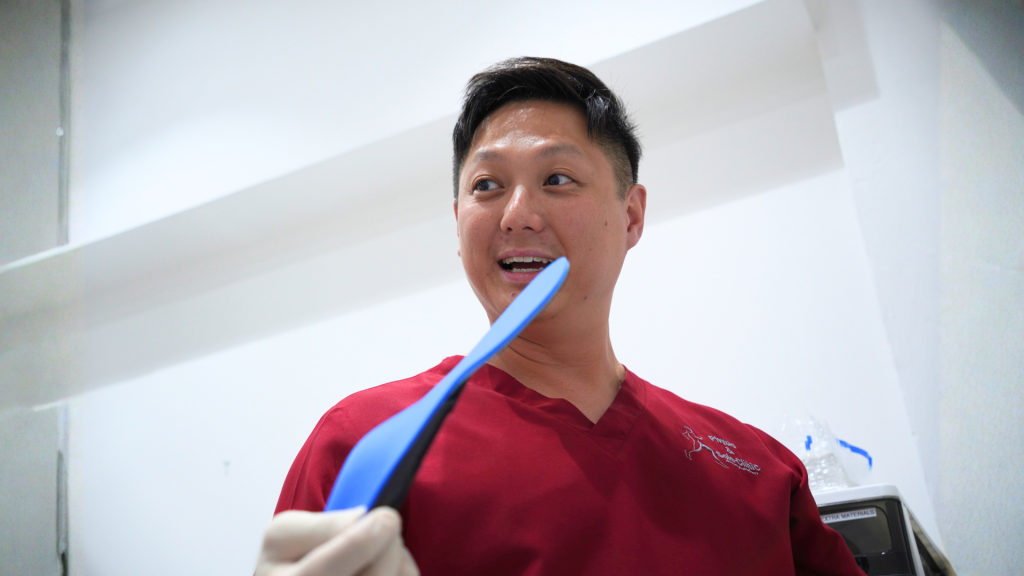
Alt text: podiatrist showing custom orthotic insole during consultation in Singapore clinic
The biggest shift is this:
From treating symptoms to understanding the cause
The best podiatrist in Singapore for foot pain is not defined by claims—but by how thoroughly they assess and diagnose your condition.
Because once you understand the root cause, everything else becomes clearer and more effective.
Looking Beyond Temporary Fixes
There’s no shortage of foot pain solutions out there.
But not all solutions are built the same.
If you’ve been stuck in a cycle of temporary relief, it may be time to look deeper—beyond insoles, beyond quick fixes.
If you are dealing with recurring foot pain and want a clearer diagnosis, consider booking an assessment at Physio & Sole Clinic.
Resources from Physio & Sole Clinic
This article is part of Physio & Sole Clinic’s Podiatry & Foot Health Resource Series, created to help patients better understand the root causes of foot pain and make informed decisions about their treatment options in Singapore.
You may also find these related resources helpful:
- Podiatry In Singapore: What It Is What It Treats, and Which Type Is Right for You
Understand what a podiatrist does, the conditions they treat, and when it’s time to seek professional care for persistent foot issues. - Physio & Sole Clinic Locations Guide
Find a Physio & Sole Clinic near you across Singapore for convenient access to physiotherapy care. - Running Gait Analysis Singapore: Is It Worth It for Runners?
A Singapore sports physiotherapist explains what running gait analysis involves, how much it costs, and who benefits most from it. - Chronic Plantar Fasciitis Recovery Roadmap 2026
Discover the real causes behind chronic heel pain and how proper diagnosis leads to more effective, long-term relief.