Skip to content


Written by
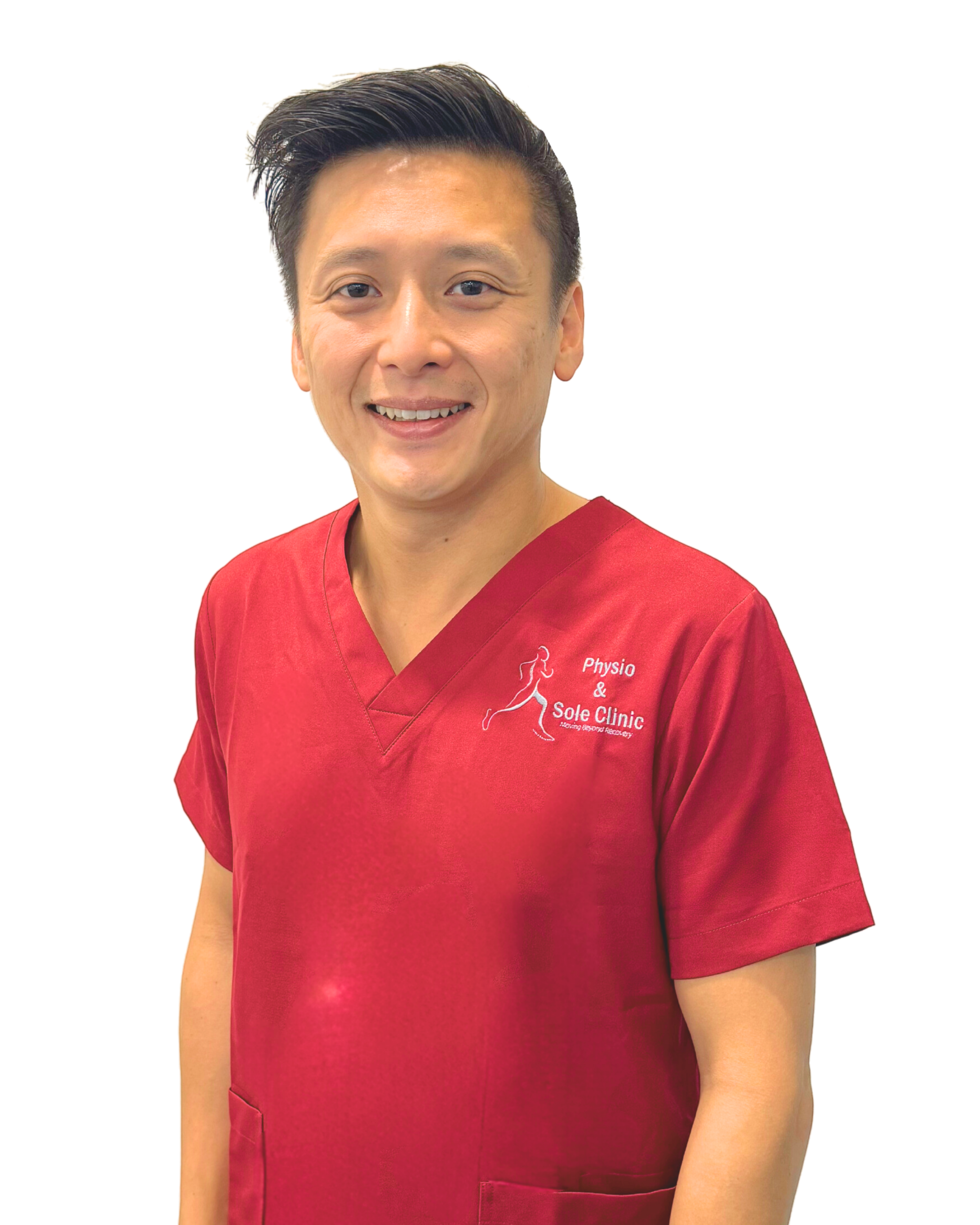
Wesley Chee
Director & Chief Sports Physiotherapist at Physio & Sole Clinic
A highly experienced sports physiotherapist with a strong background in musculoskeletal and sports rehabilitation, Wesley brings a performance-driven and evidence-based approach to injury management. He has a special interest in treating runners and shoulder conditions, and is passionate about helping patients recover, prevent injuries, and return to the activities they enjoy.
Quick Overview on Physiotherapists in Singapore
If you’re searching for a physiotherapist in Singapore, the most important factors are qualification, relevance of expertise, and clarity of treatment approach. In Singapore, all physiotherapists must be registered under the Allied Health Professions Council regulated by the Ministry of Health.
Not all physiotherapists are the same — private physio clinics in Singapore typically offer different types of physiotherapists, including musculoskeletal, sports, geriatric, neurological, and post-surgical specialists.
In This Blog
- What is a Physiotherapist?
- Why Does Choosing the Right Physiotherapist Matters in Singapore?
- What Types of Physiotherapists Are Available in Singapore Private Clinics?
- How to Choose the Right Physiotherapist in Singapore?
- Private vs Public Physiotherapy in Singapore
- Insurance and Payment Considerations in Singapore
- How to Choose the Right Physiotherapist in Singapore: Key Takeaways
What is a Physiotherapist?
A physiotherapist in Singapore is an AHPC-registered Allied Health Professional who assesses, diagnoses, and treats pain, injuries, and movement problems using evidence-based methods. However, not all physiotherapists are the same. In Singapore’s private healthcare landscape, physiotherapists often develop different clinical focus areas, treatment styles, and patient profiles. Choosing the right physiotherapy provider is not just about location or price — it directly affects recovery speed, treatment effectiveness, and long-term outcomes.
Patients should look for a licensed professional regulated by the Allied Health Professions Council under the Ministry of Health.
They are trained to:
- Assess movement, strength, and function
- Identify causes of pain or limitation
- Deliver structured rehabilitation programmes
- Guide recovery through exercise, education, and hands-on treatment
Why Does Choosing the Right Physiotherapist Matters in Singapore?
In Singapore, private physiotherapy clinics vary widely in expertise, approach, and patient experience.
Choosing the wrong physiotherapist can result in:
- Slow or incomplete recovery
- Recurrent injuries
- Over-reliance on passive treatments (e.g. machines, massage only)
- Poor understanding of your condition
Choosing the right one leads to:
- Faster, more targeted recovery
- Better long-term outcomes
- Clear understanding of your condition
- Reduced risk of recurrence
For adults and seniors, this is especially important because delayed or ineffective care can lead to chronic pain, reduced mobility, and increased fall risk.
What Types of Physiotherapists Are Available in Singapore Private Clinics?
| Type | Conditions | Best For |
|---|---|---|
| Musculoskeletal (MSK) Physiotherapists |
|
|
| Sports Physiotherapists |
|
|
| Geriatric Physiotherapists (Elderly Care) |
|
|
| Neurological Physiotherapists |
|
|
| Post-Surgical / Orthopaedic Rehabilitation Physiotherapists |
|
|
| Women’s Health Physiotherapists |
|
|
How to Choose the Right Physiotherapist in Singapore?

1. Check Registration
Before choosing a physiotherapist, always ensure they are registered with the Allied Health Professions Council under the Ministry of Health. Registration is a legal requirement and confirms that the physiotherapist has met recognised training standards and is authorised to practise. This step helps you avoid unqualified providers and ensures that your care meets Singapore’s healthcare regulations and professional standards.
2. Match Their Expertise to Your Condition
At Physio & Sole Clinic, the physiotherapy team includes clinicians with experience across different areas such as musculoskeletal care, sports rehabilitation, geriatric physiotherapy, and post-surgical recovery. This allows patients to be guided by a physiotherapist whose experience is relevant to their condition.
Where needed, cases can also be managed collaboratively within the team to ensure continuity and appropriate progression of care.
3. Look for Clear Treatment Plans
A good physiotherapist should provide a clear and structured plan from the first session. You should leave knowing:
- What your condition is (in simple, understandable terms)
- What is likely causing it
- What the treatment plan involves
- What you need to do between sessions
- What progress should look like over time
A physiotherapist should also be able to give a realistic recovery timeline (e.g. improvement within 2–4 weeks, functional goals within 6–8 weeks), while adjusting the plan based on your progress.
If you leave the session unsure about your diagnosis or next steps, the plan is not clear enough.
4. Prioritise Active Rehabilitation
Effective physiotherapy includes:
- Exercise
- Movement retraining
- Strength work
Not just passive treatments.
5. Look for Clear Communication and Coordinated Care
A good reliable physiotherapist should communicate clearly, consistently, and collaboratively — not just with you, but also with other healthcare professionals involved in your care.
At a patient level, this means the physiotherapist should:
- Explain your condition in simple, understandable terms
- Answer your questions without rushing
- Involve you in decisions about your treatment plan
- Set clear expectations on recovery timelines and progress
Beyond that, effective physiotherapy often involves communication with referring doctors or specialists (e.g. orthopaedic surgeons, GPs). This is especially important for:
- Post-surgical rehabilitation
- Persistent or complex conditions
- Cases requiring imaging or medical follow-up
A physiotherapist should be able to:
- Align rehabilitation goals with the doctor’s diagnosis or surgical protocol
- Provide progress updates where needed
- Flag any concerns (e.g. lack of progress, red flags) early
Clear communication ensures that your care is coordinated, consistent, and appropriate, rather than fragmented across different providers.
You should feel informed, involved, and confident — not confused — after each session.
6. Consider Continuity of Care
Continuity of care refers to seeing the same physiotherapist consistently throughout your treatment, rather than rotating between different clinicians. This is an important but often overlooked factor when choosing a physio clinic in Singapore.
When you see the same physiotherapist:
- Your progress is tracked more accurately over time
- Exercises can be progressed appropriately based on your response
- Small changes in movement, strength, or pain are picked up early
- Treatment remains aligned with your original goals
In contrast, rotating between multiple physiotherapists can lead to:
- Repetition of assessments
- Inconsistent exercise progression
- Mixed or conflicting advice
Continuity also improves clinical decision-making. A physiotherapist who has followed your case from the start will better understand:
- What has worked (and what hasn’t)
- Your pain patterns and triggers
- Your lifestyle, habits, and recovery barriers
This is especially important for:
- Chronic pain conditions
- Post-surgical rehabilitation
- Elderly patients requiring balance and mobility training
Ask the clinic whether you will be seeing the same physiotherapist each session, or if care is shared across a team. Consistency often leads to more efficient and effective recovery.
7. Evaluate Practical Factors
Practical factors play a key role in whether you can stay consistent with physiotherapy, which directly affects outcomes.
Consider:
- Location: Choose a clinic that is convenient to your home or workplace to reduce missed sessions
- Session duration: Most sessions range from 45–60 minutes at Physio & Sole Clinic — ensure there is enough time for assessment, treatment, and exercise guidance
- Frequency: Many patients start with 1–2 sessions per week, depending on the condition and severity
Consistency is one of the biggest drivers of recovery. Even the best treatment plan will be less effective if sessions are irregular or difficult to attend.
Choose a clinic setup that fits realistically into your schedule — not just ideally, but consistently.
Private vs Public Physiotherapy in Singapore
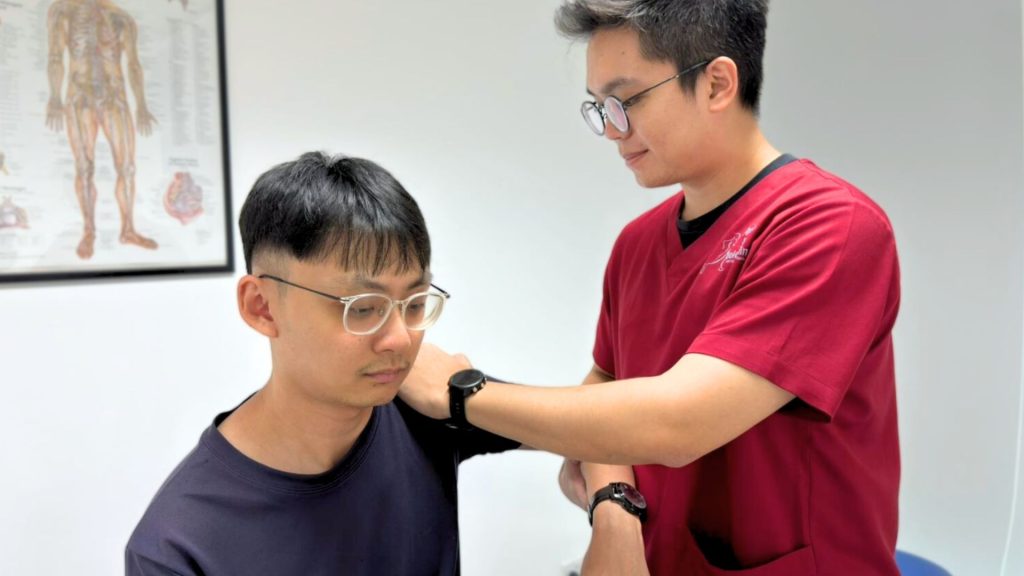
Understanding the difference between private and public physiotherapy helps you choose the most appropriate care pathway based on your needs, urgency, and budget.
Private Physiotherapy Clinics
Private physio clinics Singapore are often the first choice for working adults and patients who want faster, more personalised care.
Typically:
- Faster access: Appointments are usually available within a few days
- Consistent therapist: You are more likely to see the same physiotherapist each session
- Personalised care: Treatment plans are tailored closely to your goals, lifestyle, and progress
- Flexible scheduling: Evening or weekend slots are often available
Private clinics are generally more suitable for:
- Acute injuries (e.g. back pain, sports injuries)
- Busy individuals who need flexible timing
- Patients who prefer continuity and one-to-one care
Public Sector (Hospitals / Polyclinics)
Public physiotherapy services are typically accessed through referral and are integrated within the broader healthcare system.
Typically:
- Referral-based: Often requires a doctor’s referral
- Subsidised care: Costs may be lower depending on eligibility
- Structured programmes: Common for post-surgical or medically complex cases
- Longer waiting times: Appointments may take longer to schedule
Public settings are often more suitable for:
- Post-surgical rehabilitation under hospital care
- Patients requiring multidisciplinary medical management
- Individuals prioritising subsidised treatment options
Insurance and Payment Considerations in Singapore
For many patients, insurance coverage is an important factor when choosing a physiotherapy clinic in Singapore.
In Singapore, physiotherapy may be covered under:
- Corporate health insurance plans
- Integrated Shield Plans (with outpatient riders, depending on policy)
- Personal accident or sports injury insurance
However, coverage varies depending on:
- Your insurer and policy terms
- Whether a doctor’s referral is required
- The clinic’s panel status
At Physio & Sole Clinic, we are on 9 insurance panels, which may allow eligible patients to utilise their insurance benefits for physiotherapy. Direct billing may also be available on a case-by-case basis, depending on the insurer and policy requirements.
Before starting treatment, it is advisable to check with both your insurer and the clinic on coverage, claim requirements, and whether direct billing is available.

How to Choose the Right Physiotherapist in Singapore: Key Takeaways
Choosing the right physiotherapist Singapore depends on a few key factors, including proper qualifications, experience relevant to your condition, clear communication, and a well-structured treatment plan. Not all physiotherapists are the same, and in Singapore’s private healthcare landscape, selecting one whose experience matches your condition can make a meaningful difference in how efficiently you recover.
If you’re unsure which physiotherapist is right for your condition, you can view our team of physiotherapists to better understand their areas of expertise. Alternatively, feel free to enquire with us directly — our team will guide you and connect you with the physiotherapist best suited to your needs.
Resources from Physio & Sole Clinic
This article is part of Physio & Sole Clinic’s physiotherapy resource library. Our physiotherapists treat a wide range of musculoskeletal conditions across Singapore.
- Signs You Need Physiotherapy
How to tell if your condition warrants a physiotherapy assessment. - What to Look for in A Physiotherapist in Singapore
Qualifications, red flags, and questions to ask before you book. - What to Expect at Your First Physiotherapy Appointment
A step-by-step walkthrough of a first session at our clinic. - Physiotherapy Cost in Singapore — What’s Covered?
Session costs, Medisave eligibility, and insurance coverage explained. - Private vs Public Physiotherapy in Singapore
Real differences in access, waiting time, and quality of care.