Skip to content




Written by
Kwok Siew Kong
Principal Podiatrist at Physio & Sole Clinic
An experienced podiatrist who spent eight years at Singapore General Hospital (SGH), where he was part of the MSK Specialist Team and worked closely with the Orthopaedics Department. SK has extensive experience managing musculoskeletal foot conditions, advanced wound care, and post-operative recovery, and is passionate about helping patients stay active and mobile through comprehensive foot and lower-limb care.
Running long distances places repeated stress on the feet. Without proper preparation, runners may experience foot pain, blisters, heel discomfort, or toenail injuries during training or race day. These issues are commonly caused by sudden increases in training distance, improper footwear, muscle tightness, or friction inside the shoe.
By preparing your feet properly before long-distance runs, you can significantly reduce the risk of injury and improve overall running comfort. Simple steps such as choosing appropriate running shoes, strengthening foot muscles, stretching regularly, and recognising early warning signs of foot pain can help runners train safely.This guide outlines practical strategies runners can use to prevent foot pain while running, and prepare their feet for long-distance runs.
In This Blog
- Why Foot Pain Happens During Runs?
- How to Gradually Increase Distance?
- Choosing the Right Running Shoes
- Strengthening Your Feet and Lower Legs
- Preventing Blisters and Nail Injuries
- Stretching for Foot and Calf Flexibility
- Recognising Early Warning Signs of Foot Pain
- Common Causes of Foot Pain
- When to See a Podiatrist
- FAQs About Foot Pain
- How Physio & Sole Clinic Can Help
Is foot pain common during or after running?
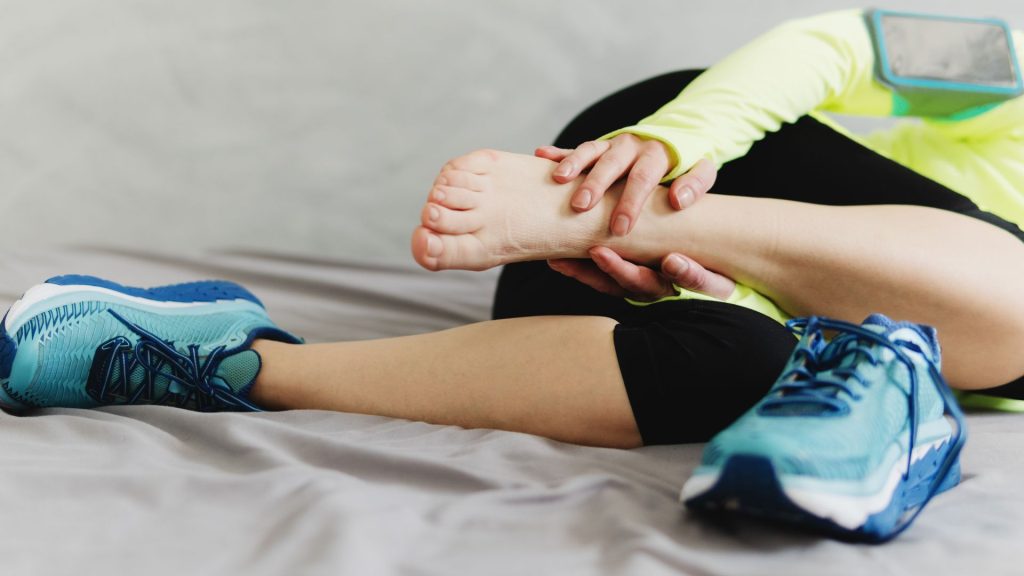
Foot pain is one of the most common complaints among runners in Singapore. From heel pain to blisters, various factors such as poor footwear, tight muscles, or training overload can cause discomfort.
Preparing your feet properly helps improve performance and lowers the risk of running injuries, allowing you to enjoy every kilometre comfortably and safely.
What Causes Foot Pain in Runners?
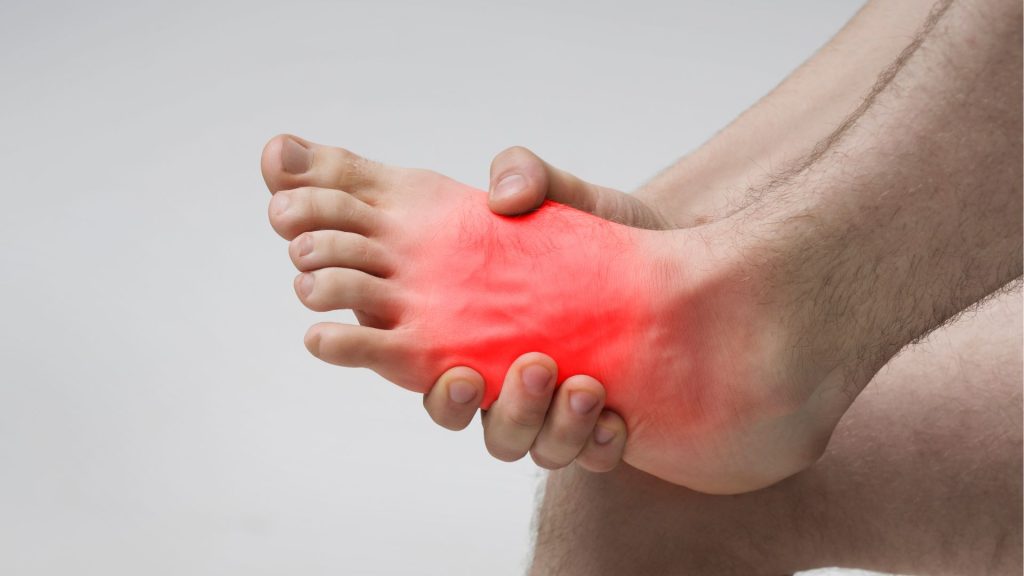
Running places repetitive impact on the feet. Over time, this stress can affect the muscles, tendons, and ligaments that support the foot.
Some of the most common causes of foot pain include:
- Increasing mileage too quickly
- Wearing shoes that lack proper support
- Tight calf muscles or limited flexibility
- Friction that causes blisters
- Repetitive pressure on the toes
Long-distance running events such as the 2XU Compression Run or Standard Chartered Marathon often involve thousands of steps, which means even small issues can become painful if not addressed early.
Preparing the feet properly before long runs helps reduce the risk of injury and improves running comfort.
How to Prepare Your Feet for a Long Distance Run

Long-distance running places repeated stress on the feet, which can lead to foot pain, blisters, and other common injuries if the feet are not properly prepared. Taking a proactive approach before increasing training mileage can help runners reduce strain on the feet and improve overall comfort during runs.
The following tips can help runners prepare their feet for long-distance training and reduce the risk of running-related foot problems.
1. Gradually Increase Your Running Distance

Sudden increases in training distance are one of the most common reasons runners experience foot pain after running.
Your feet need time to adapt to the repeated impact of running. Increasing mileage too quickly can overload the tissues in the feet and lead to overuse injuries.
Many runners follow the 10% rule, where weekly running distance is increased gradually instead of making large jumps in training volume.
Allowing the body to adapt gradually helps strengthen the muscles, tendons, and ligaments in the feet.
2. Choose the Right Running Shoes
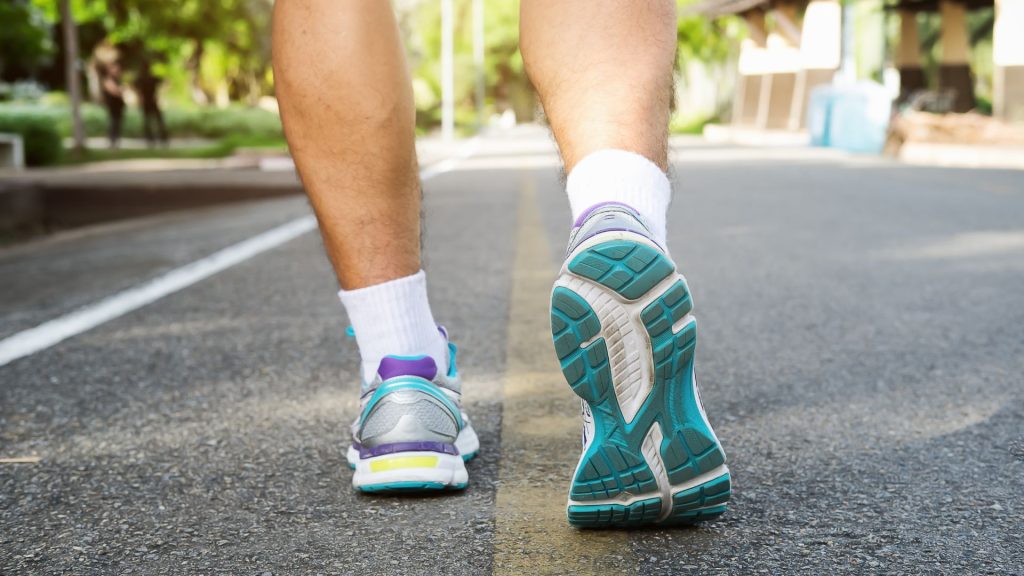
Improper footwear is a major contributor to running foot pain.
Running shoes should provide:
- Adequate cushioning to absorb impact
- Proper lacing mechanism around the ankles to prevent slippage
- A comfortable wide fitting toe box
- Stability suited to your running style
Shoes that are worn out or poorly fitted may increase pressure on certain areas of the foot.
Replacing running shoes when the cushioning begins to wear out helps maintain proper support during long-distance training.
3. Strengthen Your Feet and Lower Legs

Strong muscles in the feet and lower legs help improve stability and reduce the risk of injury.
Exercises that strengthen the feet include:
- Calf raises
- Toe curls
- Arch strengthening exercises
These exercises help improve foot control and support the structures that absorb impact during running.
Strengthening the feet can also improve running mechanics and reduce strain on the plantar fascia.
4. Prevent Blisters During Long Runs
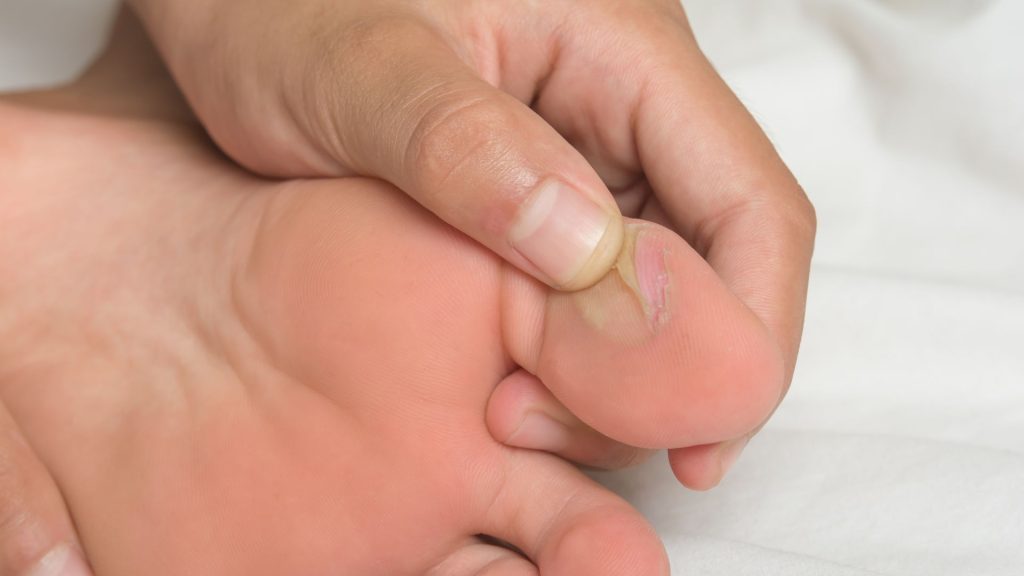
Blisters are one of the most common problems runners experience during long-distance runs.
They occur when repeated friction develops between the skin, socks, and running shoes.
To reduce the risk of blisters:
- Wear moisture-wicking running socks
- Ensure shoes fit properly
- Secure your laces well to prevent slippage
- Use anti-friction balm or tape in areas prone to rubbing
Keeping the feet dry and minimising friction helps prevent blister formation during longer runs.
5. Trim Your Toenails Properly
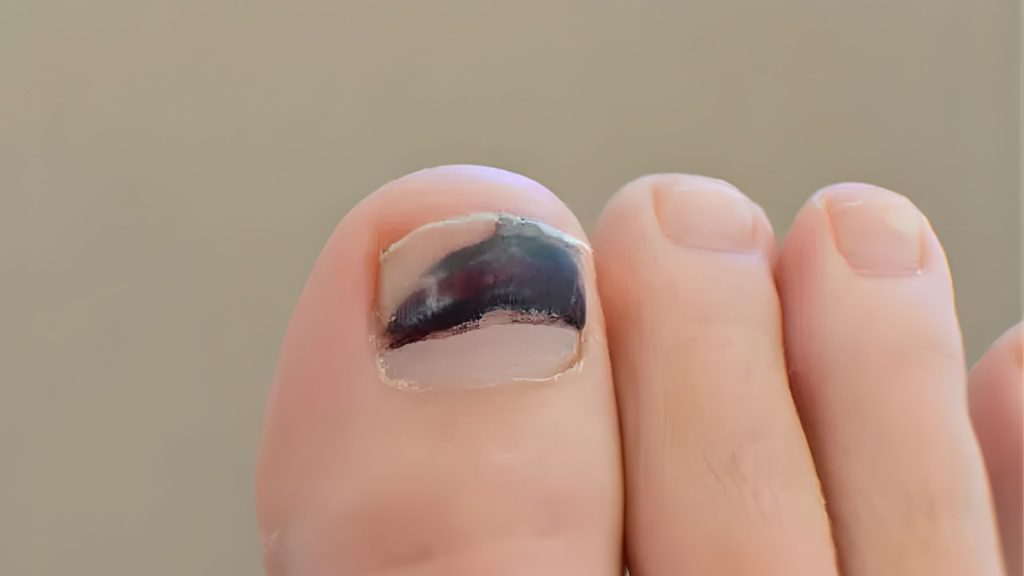
Long-distance running can place repeated pressure on the toes, particularly during downhill running.
If toenails are too long, they may repeatedly hit the inside of the shoe, which can lead to black toenails or nail trauma.
To prevent this:
- Trim toenails straight across
- Avoid cutting nails too short
- Ensure your running shoes have enough space in the toe box
Proper nail care helps reduce discomfort during long runs.
6. Stretch Your Calves and Feet
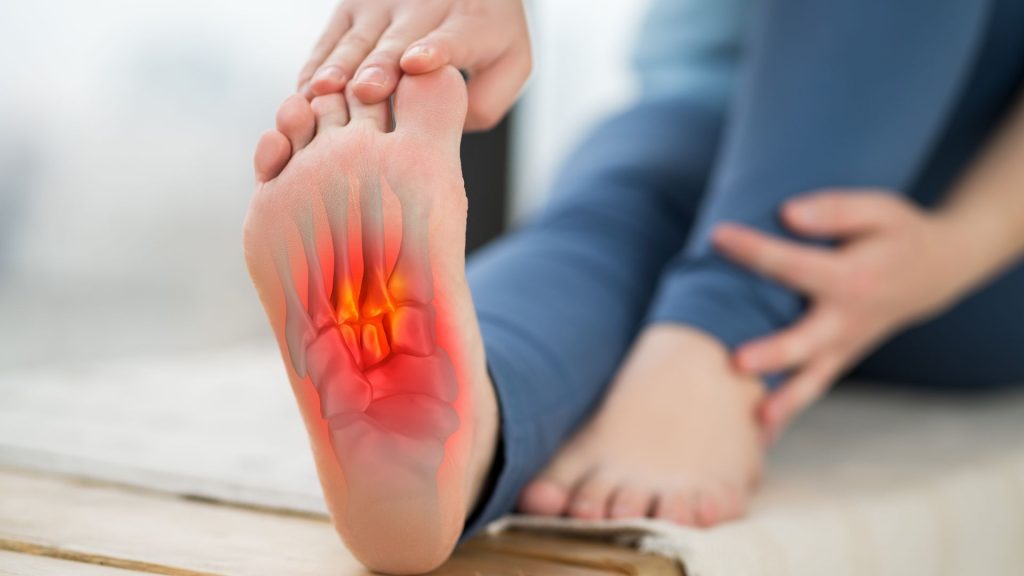
Tight calf muscles can increase pressure on the heel and arch of the foot, which may contribute to heel pain during running.
Regular stretching can help reduce tension in these muscles.
Helpful stretches include:
- Calf stretches
- Achilles tendon stretches
- Plantar fascia stretches
Stretching before and after running may improve flexibility and reduce stress on the foot.
7. Watch for Early Signs of Foot Pain

Many runners continue training despite discomfort, but ignoring early symptoms may allow minor issues to become more serious injuries.
Early warning signs of foot pain include:
- Heel pain after running
- Arch discomfort
- Persistent soreness in the foot
- Sharp pain when placing weight on the foot
If symptoms continue despite rest or adjustments to training, it may be helpful to seek professional assessment.
Frequently Asked Questions
- Why do my feet hurt after running long distances?
Foot pain after running can occur due to overuse, improper footwear, muscle tightness, or increasing training distance too quickly. Repeated impact during running can place stress on the structures of the foot.
- How can I prevent foot pain?
Preventing foot pain involves gradually increasing training distance, wearing supportive running shoes, strengthening the feet, stretching regularly, and paying attention to early symptoms of discomfort.
- Are blisters common during long-distance runs?
Yes. Blisters are one of the most common issues runners experience. They usually occur due to friction between the foot, socks, and shoes during long runs.
- Should I stop running if I have foot pain?
Mild discomfort may improve with rest and adjustments to training. However, persistent or worsening foot pain should not be ignored, as it may indicate an underlying injury.
Experiencing Foot Pain during Running?
Foot discomfort during training should not be ignored. Persistent foot pain, heel pain, or recurring blisters may indicate an underlying issue affecting your feet.
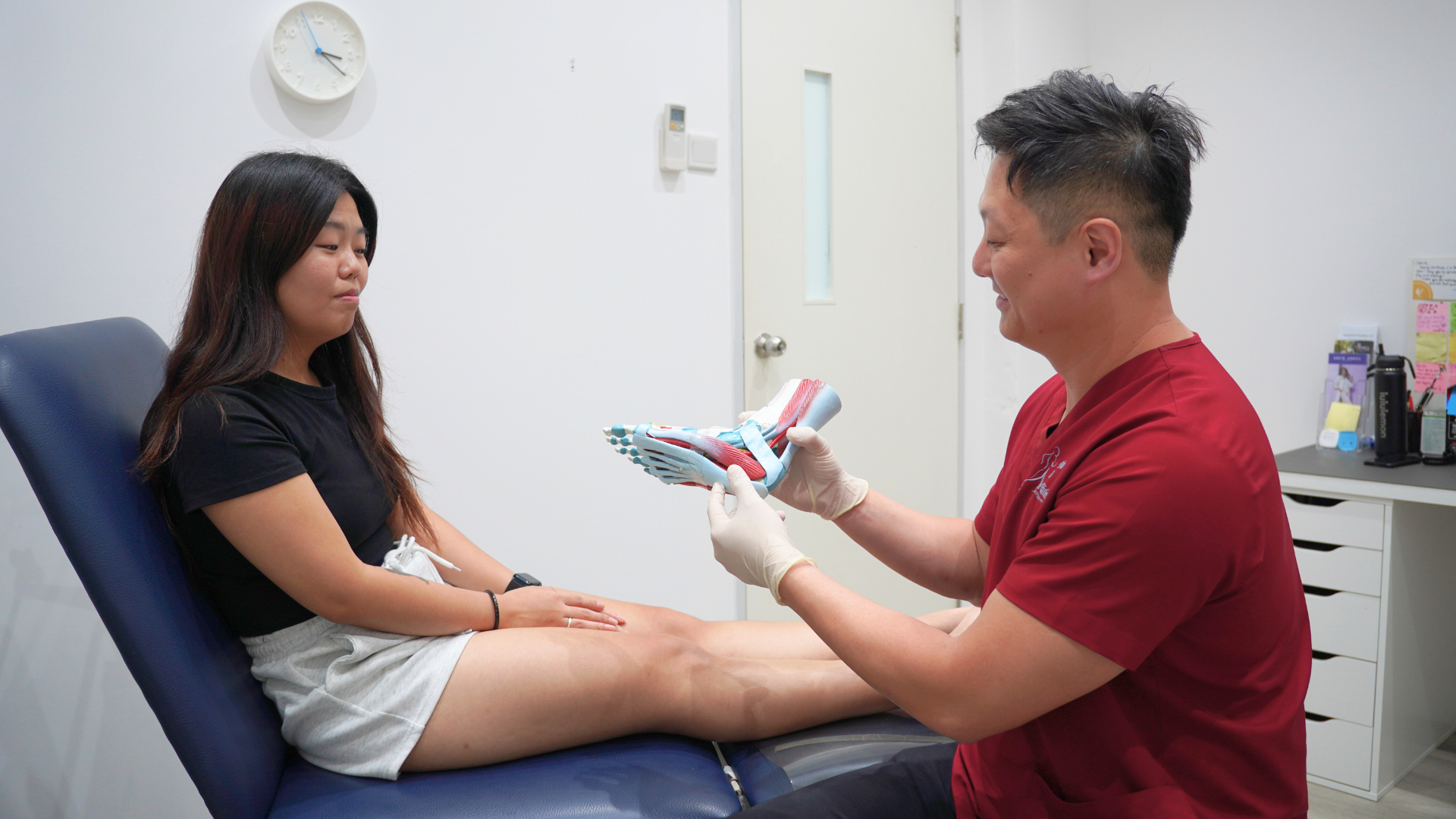
Our podiatry team at Physio & Sole Clinic provides comprehensive assessments and personalised treatment plans to help runners manage foot pain and continue training safely.
Early assessment can help identify the cause of pain and prevent minor problems from developing into more serious running injuries. Book an appointment with us today.
Resources from Physio & Sole Clinic
This article is part of Physio & Sole Clinic’s Podiatry for Runners Resource Series, created to help runners understand common causes of foot pain, prevent injuries, and maintain healthy feet during training and long-distance runs.
You may also find these related resources helpful:
- Running Gait Analysis in Singapore
Understand how a professional running gait analysis can help identify biomechanical issues and improve running efficiency.
- Plantar Fasciitis Treatment for Runners
Learn about one of the most common causes of heel pain in runners and how proper treatment can help relieve symptoms.
- Foot Pain After Running: 5 Common Problems
Explore common reasons runners experience foot pain after training and what you can do to address them.
- Running in Singapore’s CBD & Marina Bay: A Podiatrist’s Guide
Practical tips for runners navigating popular running routes while reducing the risk of injuries.
- Foot Ache After Running
Understand the causes of foot ache after running and how to manage symptoms effectively.
Visit our Podiatry & Foot Health Blog for more educational articles on running injuries, foot care, and podiatry treatments.