
Podiatry condition
Blisters水疱
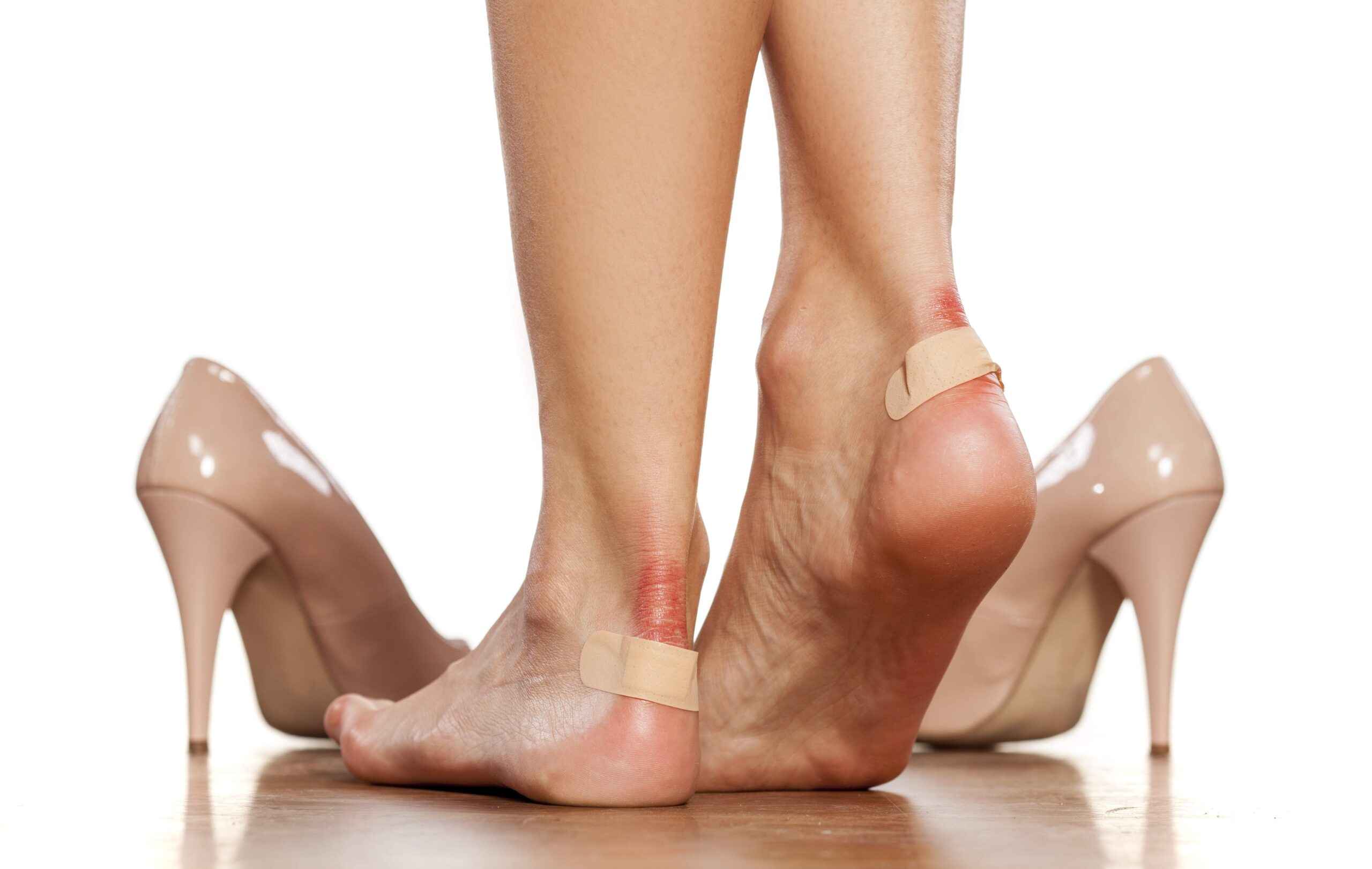
Blisters are usually formed when there is excessive friction, pressure or moisture on particular areas of the skin.
Common causes of blisters:
Ill-fitting Footwear
Hyperhidrosis/Sweaty Feet
Eczema
Allergic Reaction
Chicken Pox
Burns
Fungal Infection
Chemical Exposure
How to prevent blisters?
Wear cotton socks for better moisture absorption. Avoid socks made of nylon or synthetic materials
Apply an antiperspirant spray if you have sweaty feet
Wear appropriately fitted footwear. Shoes should not be too tight or narrow, which may cause friction
Wear protective equipment when handling heat or chemicals
What should you do if you have a blister?
For mild blisters, you should cover the blister with a simple plaster for protection while it heals. They will naturally dry and heal on their own. You should never attempt to burst or drain a blister yourself as there is a high risk of causing infection once the blister is exposed.
If the blister is already exposed, do apply an antiseptic cream (e.g. betadine) and cover the area with a plaster. Keep your feet clean and dry as much as possible, and avoid wearing tight fitting shoes.
If the blister is painful and affecting your daily activities, you should seek treatment from a podiatrist, who will be able to help drain or deroof the blister using sterilised instruments, and advise on the appropriate aftercare to prevent recurrence or infection.
Feel free to seek free advice from our friendly podiatrists by sending a photo of your blister to Ask Emma on Telegram.
Frequently Asked Questions on Blisters
Should I pop a blister myself?
No. Popping or draining a blister yourself breaks the skin's natural protective barrier and significantly raises the risk of infection. If a blister is painful or getting in the way of daily activities, see a podiatrist, who can drain or deroof it using sterilised instruments and advise on the right aftercare.
How long does a foot blister take to heal?
A mild, unbroken blister usually dries up and heals on its own within about a week if it's kept clean, protected with a plaster, and not exposed to further friction. Blisters that have already burst or become infected can take longer and may need podiatric treatment to heal properly.
Can I still exercise or walk with a blister?
You can, but continuing the activity that caused the blister — especially in the same footwear — will usually make it worse. Cushion the area, switch to properly fitted shoes, and consider resting the area until the skin has settled if the blister is large or painful.
When should I see a podiatrist about a blister?
See a podiatrist if the blister is large, very painful, keeps recurring, or shows signs of infection such as redness, warmth, swelling or pus. This is especially important if you have diabetes or poor circulation, where even a small blister can become a serious wound.
How can I stop blisters from coming back?
Wear cotton socks instead of nylon or synthetic ones for better moisture absorption, make sure your footwear fits properly and isn't too tight or narrow, and use an antiperspirant spray if you have sweaty feet. If blisters keep recurring in the same spot despite this, a podiatrist can assess whether your footwear or gait is the underlying cause.
Personalised care
Ready to get back on your feet?
Our podiatrists can assess your symptoms and build a care plan around your goals.
Cashless care options
Insurance
We work with leading insurers to make eligible physiotherapy and podiatry visits more convenient.









Direct billing is subject to your membership terms. Our clinic team can help check your panel eligibility.