

Quick Summary
Have you ever finished a run feeling great, only to notice your foot aching a few hours later? You’re not alone. In Singapore, running is one of the most popular ways to stay active, whether it is along the park connectors, around Marina Bay, or at East Coast Park. Foot aches are one of the most common issues I see in active adults.
The good news? Most cases aren’t serious. But ignoring that foot ache and trying to “run through it” can turn a small problem into a long-term injury. Let’s break down what’s happening, what’s normal, and what you can do about it.
Why does My Foot Ache After Running?
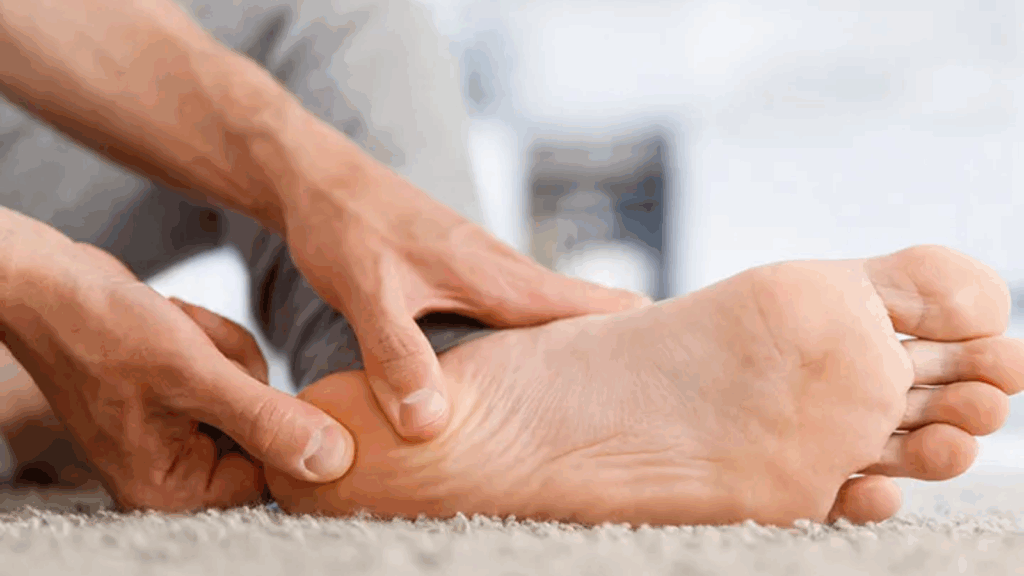
Running places forces of up to three or four times your body weight on your feet. That is a lot for the bones, joints, tendons, and muscles to manage, especially if:
- You suddenly increase mileage or intensity
- Your shoes are worn out, which happens faster in Singapore’s hot and humid climate
- You mainly run on hard surfaces like pavements
- You have flat feet or high arches
- You have weak foot muscles
Common conditions that cause foot ache after running
**Plantar fasciitis **This causes heel or arch pain, especially with the first steps in the morning or after running.
MetatarsalgiaThis feels like a burning or bruised sensation in the ball of the foot.
Fat pad painThis feels like a deep bruise in the heel, often after long runs.
**Tendon strains, such as Achilles or peroneal tendinopathy **These cause aching or tightness around the sides of the foot or ankle.
**Stress fractures **These cause persistent, pinpoint pain that does not ease with rest and can sometimes cause swelling.
Not every ache is dangerous. However, sharp pain that forces you to limp or that does not go away should be taken seriously.
How Much Pain is Normal?
Many runners ask me about this. Muscle fatigue or slight soreness the day after a run are common. Sharp pain during or after a run, or pain that changes the way you move, is not normal. Pain that lingers for more than a couple of days also should not be ignored.
Should I Keep Running if My Foot is Aching?

This depends on the situation. If the ache is mild and improves once you warm up, you may continue running but do reduce the intensity and distance. Pay close attention to how your body responds.
If the pain worsens with every step or if you are limping, it is better to stop. Taking a short break or switching to cycling or swimming is often the smarter choice. Missing one or two weeks of running is far better than being out for months due to a serious injury.
What to do When Your Foot Hurts After Running
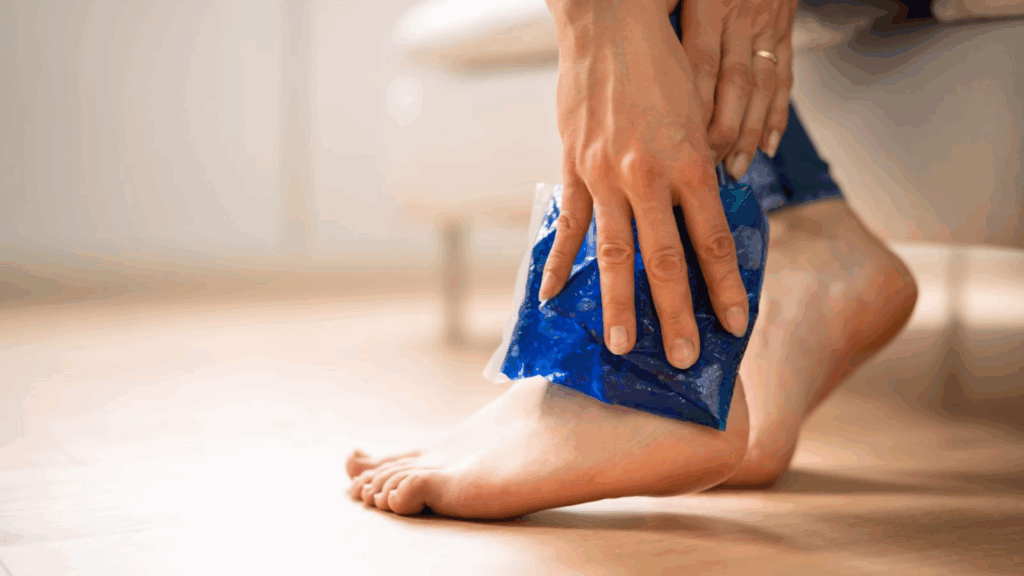
Here are some simple steps to support recovery:
Rest or reduce loadCut back your mileage but keep moving with low impact activities like cycling or swimming.
Ice and elevateApply ice for ten to fifteen minutes a few times a day, especially if there is swelling.
Gentle stretchesStretch your calves and the bottom of your foot to relieve tension.
Strengthen your foot musclesExercises like picking up marbles with your toes or towel scrunches are a good start.
Support your feetWear cushioned yet supportive running shoes, replace them regularly, and avoid walking barefoot on hard floors at home.
Pain relief if necessaryTopical gels or short-term medication may help, but use them to stay comfortable rather than to mask pain.
If pain does not improve after three to five days, or if it worsens, it is time to see a physiotherapist or podiatrist. In Singapore, our clinicians at Physio and Sole Clinic can provide gait analysis, hands-on treatment, strengthening programmes, and footwear advice.
How to Strengthen Your Feet for Running
Stronger feet are more resilient. Here are some of my go-to exercises:
- Short foot exercise where you lift your arch without curling your toes
- Calf raises with slow lowering off a step
- Ankle resistance work with a band in all directions
- Balance drills such as single leg standing or wobble board training
Aim to do these a few times per week. They do not take long but they make a big difference over time.
Prevention Tips for Runners in Singapore
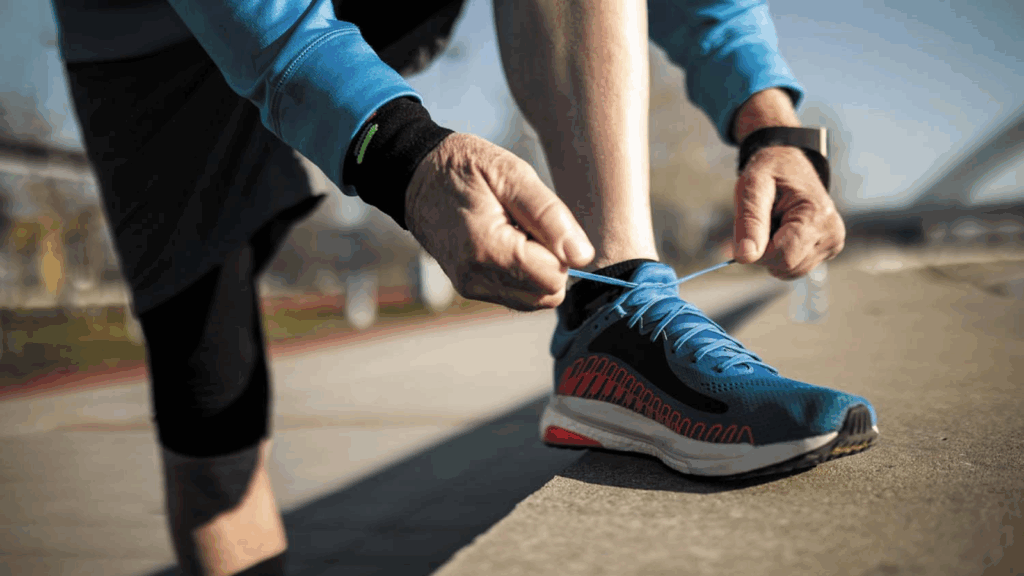
Choose the right running shoes and replace them after 500 to 800 kilometres. In our hot climate, rain, sweat and humidity wear them out faster
Increase training load gradually rather than in big jumps
Mix up your runs with softer surfaces such as trails or grass fields
Get a gait assessment if you are prone to aches or recurrent injuries
Seek Help From A Physiotherapist or Podiatrist
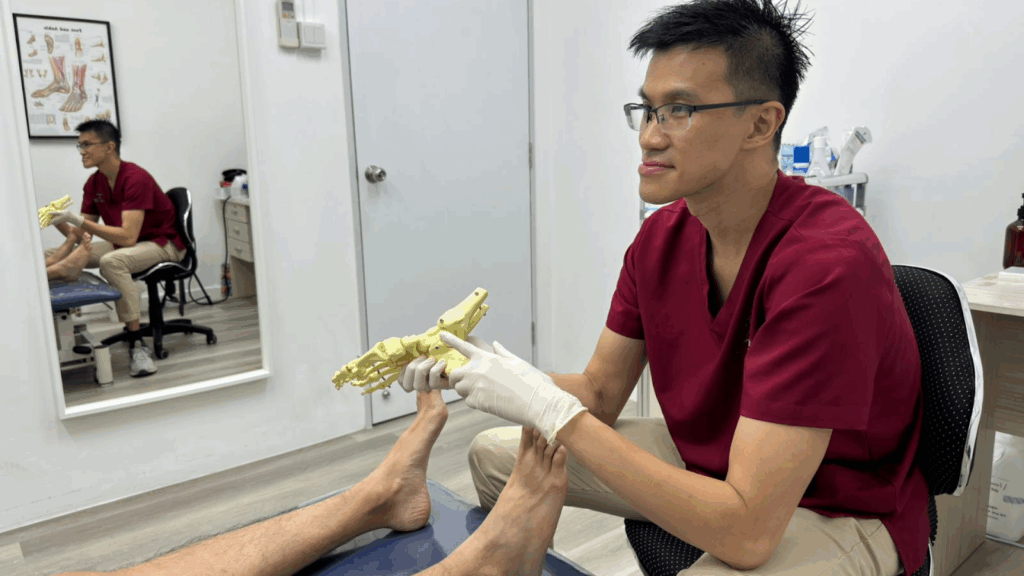
See a physiotherapist or podiatrist if:
You cannot walk normally or bear weight
The pain is sharp, swollen, or bruised
The ache does not improve after five to seven days
You experience repeated flare ups despite rest
Foot ache after running is common, but it is not something you should ignore. With smart training, proper footwear, and strengthening, your feet can stay pain free. If your pain persists, professional help is available at Physio and Sole Clinic. Your body is always giving you feedback. By listening and acting early, you can enjoy your runs for many years to come. Book your appointment today.
Ready to feel better?
Book a consultation with our podiatry team to get an assessment tailored to you.