
When Heel Pain Slows You Down
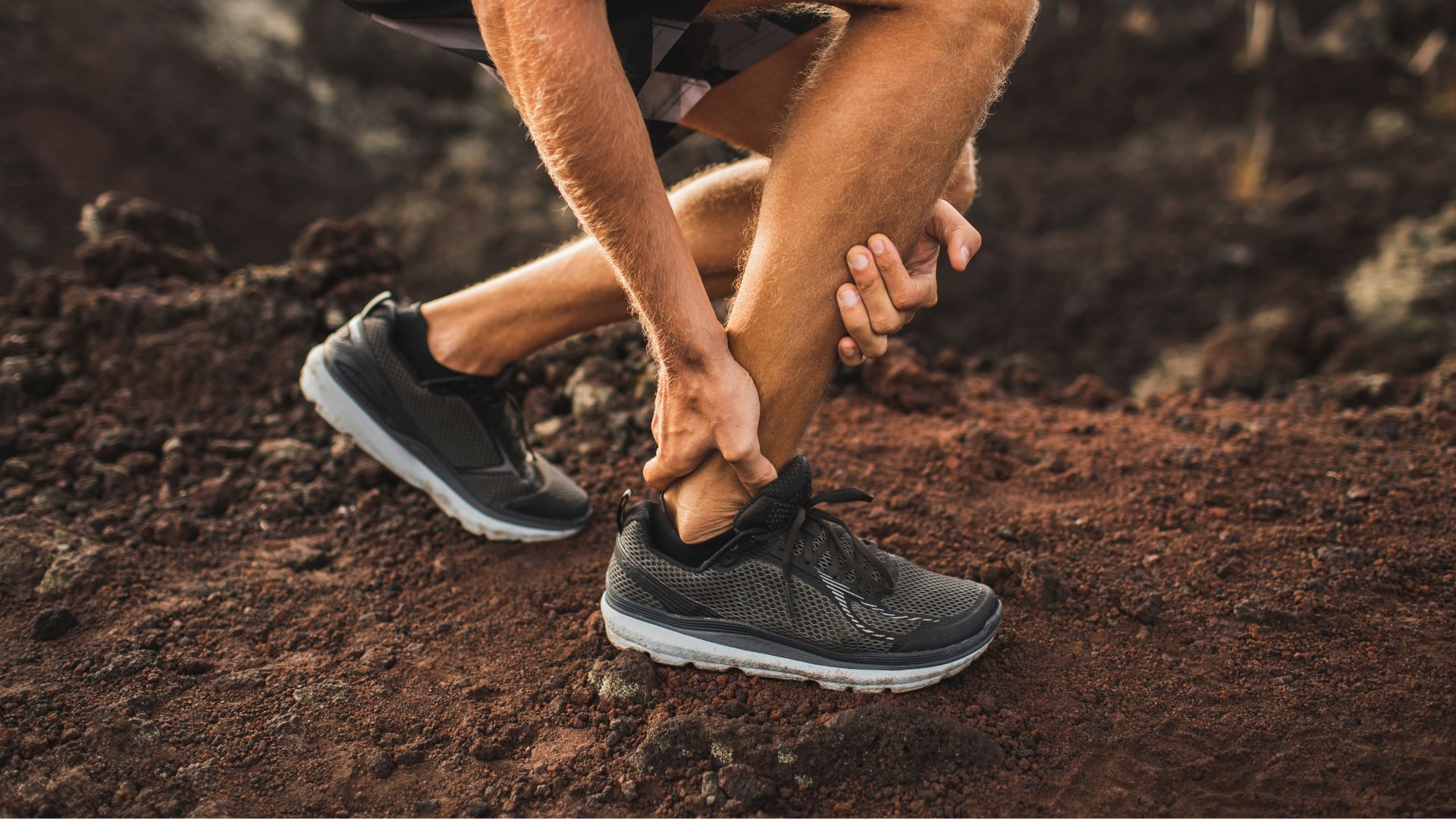
It’s Saturday morning at East Coast Park. You’re lacing up your running shoes, ready for your weekly 10km. Then you feel it: that stubborn ache at the back of your heel. You try to ignore it, thinking it’s just “tight calves” or last night’s spin class catching up with you. But with every step, the pain nags louder.
If this sounds familiar, you may be experiencing Achilles tendonitis. And you’re not alone. Many active adults in Singapore, from weekend warriors to daily runners, encounter this condition at some point in their lives. The good news? With the right understanding and treatment, you can recover fully and get back to the activities you love.
In this guide, we’ll cover everything you need to know about Achilles tendonitis treatment: signs, recovery, massage, footwear tips, and when to seek professional help.
What Is Achilles Tendonitis?
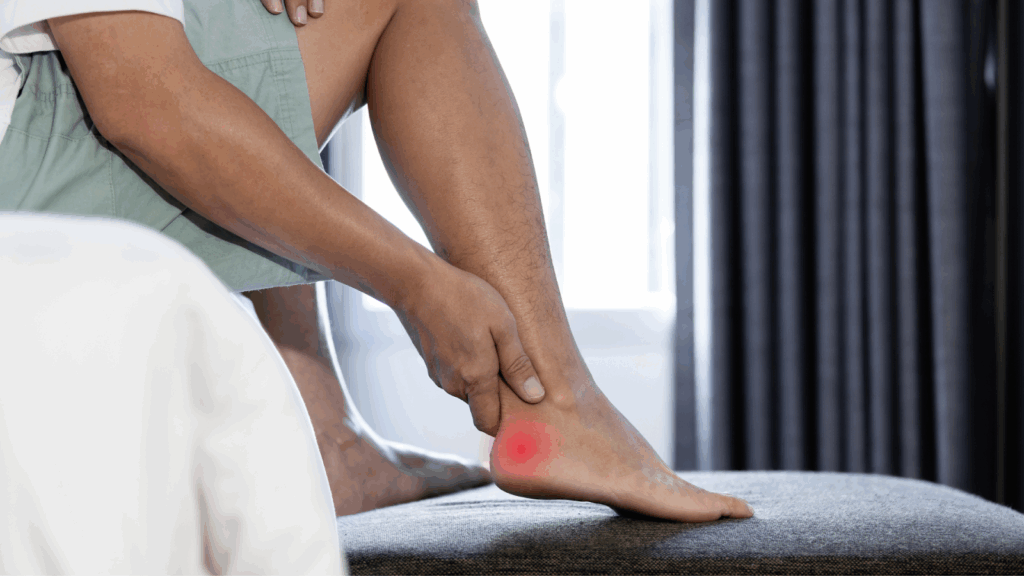
The Achilles tendon is the thick band of tissue connecting your calf muscles to your heel bone. It’s the largest tendon in your body and takes on huge loads every time you walk, run, or jump.
Achilles tendonitis happens when the tendon becomes irritated and inflamed, usually from overuse or sudden increases in activity. Left unchecked, it can progress to tendon degeneration (tendinopathy) or, in severe cases, rupture.
It’s common in:
- Runners who increase mileage or intensity too quickly.
- Gym-goers who perform repetitive jumping or calf exercises.
- Weekend warriors who pack intense activity into short bursts.
- Adults who wear unsupportive footwear like slippers or flat sandals which is a common sight in Singapore.
What Are the Warning Signs of Achilles Tendonitis?
Two common signs include:
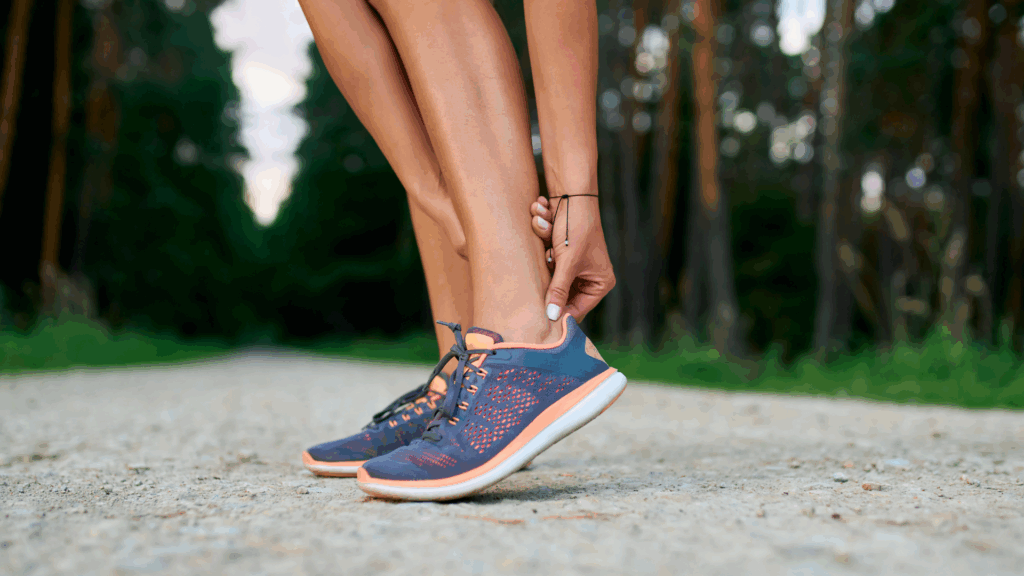
- Pain and stiffness along the back of your heel or lower calf, especially in the morning or after exercise.
- Swelling and tenderness that worsen with activity.
You may also notice:
- Pain when climbing stairs or standing on tiptoes
- A creaking or crackling feeling when moving the ankle
- Thickening of the tendon over time
Are There Warning Signs Before an Achilles Rupture?
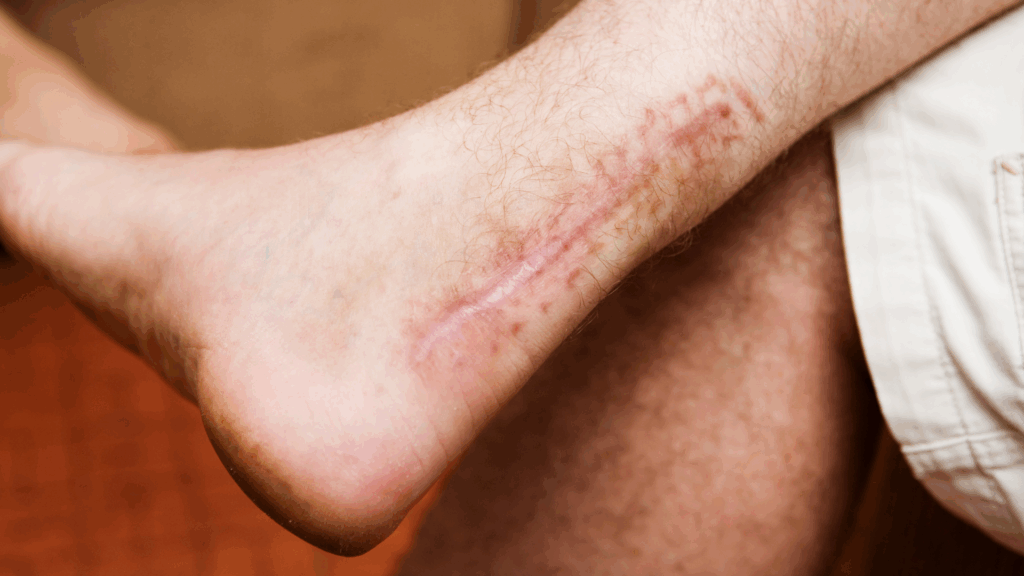
Yes. Most ruptures don’t happen suddenly out of the blue — they’re often preceded by ongoing pain, stiffness, or swelling from untreated tendonitis. If you’ve had persistent Achilles pain and suddenly feel a sharp “pop” with difficulty walking, it could signal a rupture.
Take recurring pain seriously. Don’t ignore it until it reaches the breaking point.
What Can Be Mistaken for Achilles Tendonitis?

It’s important to know that heel and calf pain isn’t always tendonitis. Other conditions that mimic it include:
- Plantar fasciitis (pain under the heel)
- Retrocalcaneal bursitis (inflammation of the fluid sac near the tendon)
- Calf muscle strain
That’s why professional assessment is crucial. A physiotherapist or podiatrist can pinpoint the exact cause and tailor the right treatment.
Is Walking OK with Achilles Tendonitis?

Light walking is usually safe, but pushing through sharp pain can worsen the injury. Think of it as a “yes, but” situation:
- Yes, you can keep moving with low-impact activity.
- But if pain increases, it’s your body’s way of asking for rest.
Switch to lower-impact options like cycling, swimming, or using the elliptical until your tendon calms down.
Should I Massage the Achilles Tendon?
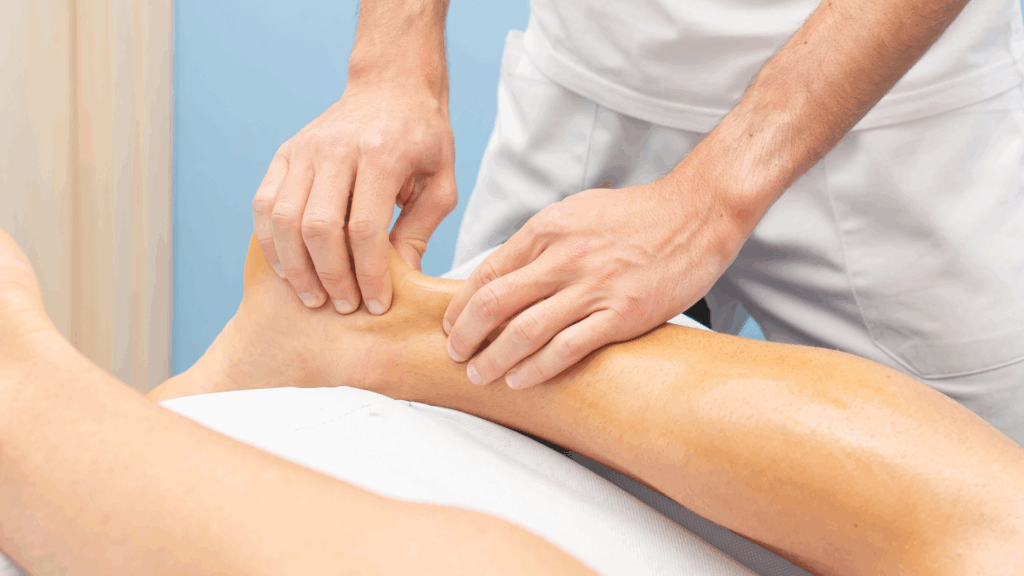
Massage can help, but with caution.
- Gentle massage around the calf muscles may improve blood flow and relieve tightness.
- Deep or aggressive massage directly on the tendon can worsen irritation.
For best results, physiotherapists may use a combination of specific techniques like manual therapy, dry needling, or shockwave therapy as part of a treatment plan.
Can Achilles Tendonitis Lead to a Rupture?
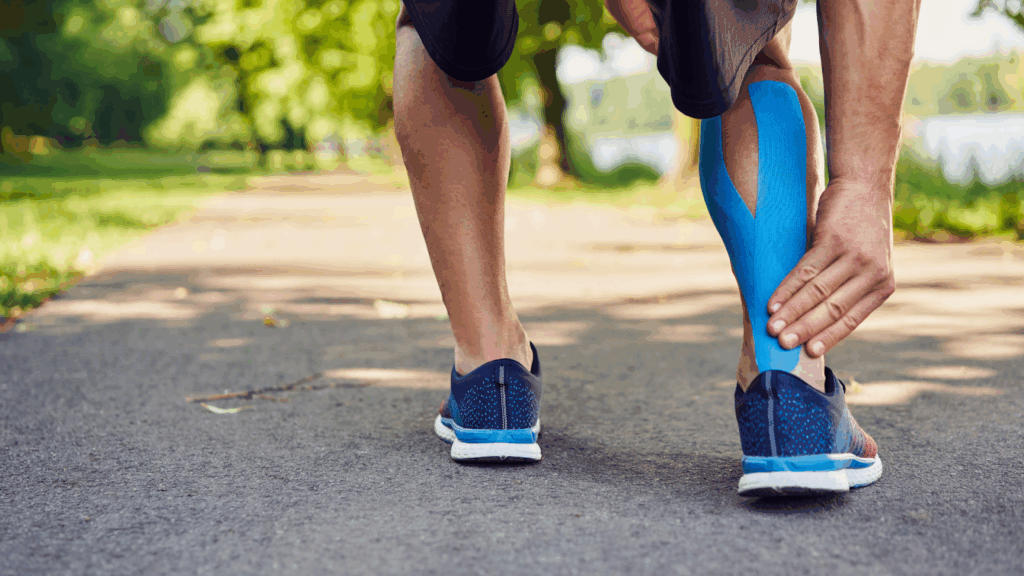
**Are there warning signs before an Achilles rupture?**Yes. Persistent pain, swelling, and difficulty walking are red flags. If you hear a sudden “pop” or feel a sharp snap in the heel, seek emergency care — that’s often a rupture.
What Is the Fastest Way to Heal Achilles Tendonitis?
There’s no magic “quick fix,” but the right treatment plan can speed up recovery and prevent recurrence. Here’s what works best:
1Physiotherapy
- Eccentric calf exercises (proven to strengthen and repair the tendon)
- Manual therapy and joint mobilisation
- Progressive load management to avoid overloading the tendon
2Podiatry
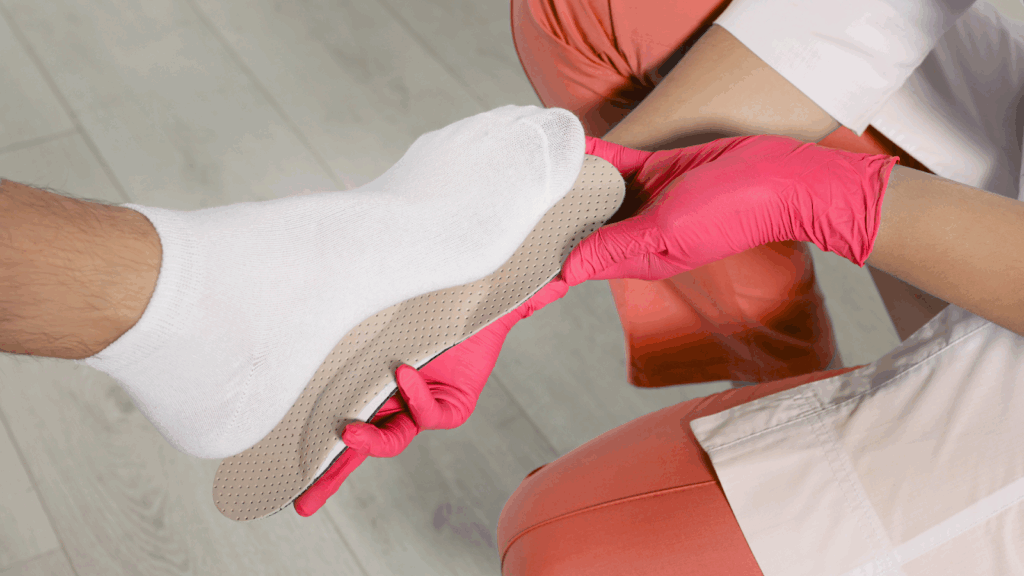
- Custom insoles to correct biomechanical misalignments
- Footwear recommendations to reduce tendon strain and support recovery
3Shockwave Therapy
- A non-invasive, evidence-based treatment that stimulates tendon healing
- Often used for stubborn or chronic cases that don’t respond to exercise alone
4Lifestyle Adjustments
- Replace flat slippers with supportive sandals or shoes, even at home
- Add cross-training (cycling, swimming, elliptical) to reduce impact while staying active
- Modify training volume and intensity gradually to protect the tendon
5Early-Stage Relief
- Relative Rest: Swap high-impact runs for low-impact activity, but keep moving
- Ice and Elevation: Useful for reducing pain and swelling in the early stages
For persistent cases, advanced options like PRP (platelet-rich plasma) injections may also be considered under medical guidance.
The fastest path to healing? A structured plan combining physiotherapy, podiatry, and lifestyle adjustments, tailored to your activity level and goals.
What Shoes Are Best for Achilles Tendonitis?
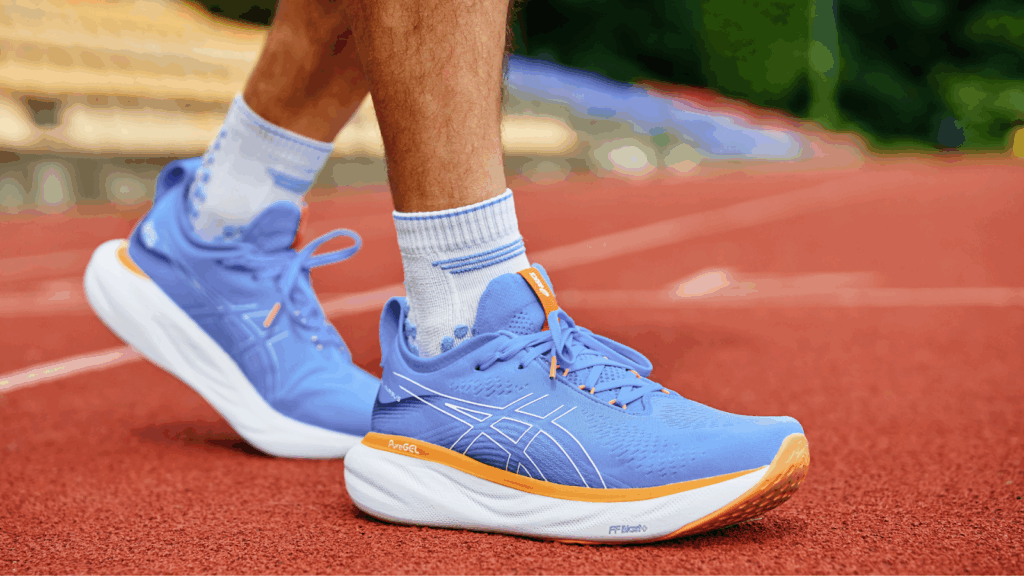
Shoes play a huge role in both prevention and recovery. Look for:
- Cushioning: Reduces impact on the heel.
- Higher heel lift: Takes pressure off the tendon.
- Supportive midsole: Prevents overpronation (rolling in of the foot).
- Proper fit: Shoes that are too tight around the heel can irritate the tendon.
In Singapore, popular choices for Achilles support include running shoes with firm heel counters and cushioned soles. For personalised solutions, podiatrists can fit custom orthotics to support alignment.
Can Achilles Tendonitis Come Back?
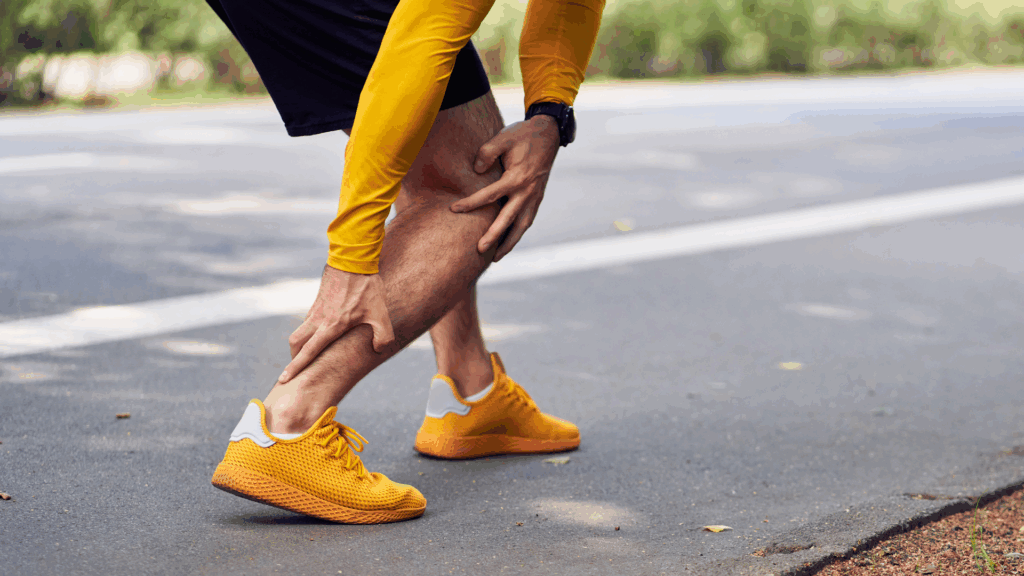
Unfortunately, yes. Without addressing root causes, such as weak calf muscles, poor footwear, or training errors, tendonitis can recur. That is why long-term strategies like strength training and proper shoe choice are vital.
Are There Long-Term Risks If Left Untreated?
Ignoring Achilles tendonitis can lead to:
- Chronic pain
- Tendon thickening and stiffness
- Reduced performance in running or sports
- Higher risk of partial or full tendon rupture
A Singaporean Runner’s Story: From Pain to Recovery

Meet Daniel, a 38-year-old weekend runner training for the Standard Chartered Singapore Marathon. Midway through his training block, he started feeling heel pain that worsened every morning. Instead of resting, he pushed through and continued running. Until one day, he couldn’t run at all.
With physiotherapy, gait retraining, and shoe adjustments, Daniel gradually recovered. Today, he’s back to running, smarter, stronger, and pain-free.
His takeaway? “I wish I had paid attention to the early warning signs instead of ignoring them. Recovery was faster once I got the right help.”
Key Takeaways for Active Adults in Singapore
- Achilles tendonitis treatment works best when started early.
- Warning signs include pain, stiffness, and swelling at the back of the heel.
- Walking is okay, but don’t push through sharp pain.
- Massage can help if done gently — but avoid pressing directly on the tendon.
- The fastest way to heal involves rest, targeted exercises, supportive shoes, and physiotherapy.
- Proper footwear and long-term strengthening are key to preventing recurrence.
Heel and tendon pain doesn’t have to derail your active lifestyle. Achilles tendonitis is highly treatable with the right mix of rest, therapy, and support.
If you’ve been battling recurring heel pain, don’t wait until it becomes a bigger problem. At Physio & Sole Clinic, our physiotherapists and podiatrists work together to provide evidence-based Achilles tendonitis treatment, helping active adults in Singapore get back on their feet — and back to the activities they love. Book an appointment with us today.
Ready to feel better?
Book a consultation with our podiatry team to get an assessment tailored to you.
FAQs About Achilles Tendonitis
Mild cases: a few weeks. Chronic cases: several months. Early treatment makes a big difference.
No. Ignoring it risks chronic tendon damage or rupture.
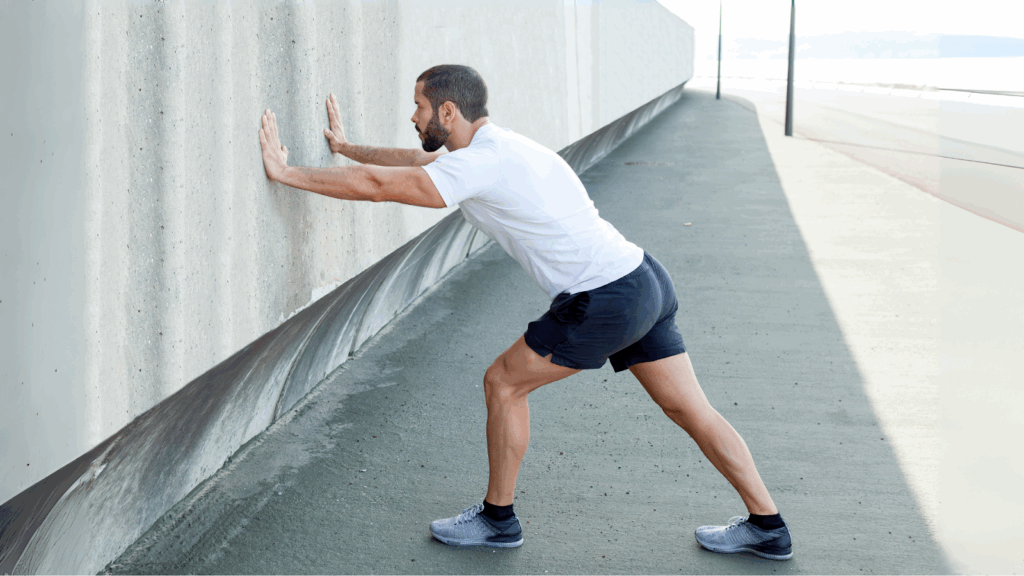
Yes, gentle calf stretches can reduce stiffness, but only when pain is under control.