Skip to content



Written by
Ng Jia Lin
Principal Podiatrist at Physio & Sole Clinic and Women & Children’s Centre
A senior podiatrist with extensive experience in complex wound management, formerly leading diabetic foot care at Khoo Teck Puat Hospital and helped to establish Singapore’s first diabetic foot unit. She is also passionate about paediatric foot conditions, providing holistic, multidisciplinary care to help patients recover with confidence.
Many parents in Singapore notice their child’s feet look flat, and assume it’s something they’ll “grow out of”.
Sometimes that’s true. But in the clinic, we often see children after pain, fatigue, or movement issues have already developed, simply because early signs were missed.
Here are 5 critical things parents need to know about flat feet in children:
1. Flat Feet Are Common, But Pain and Fatigue Are Not
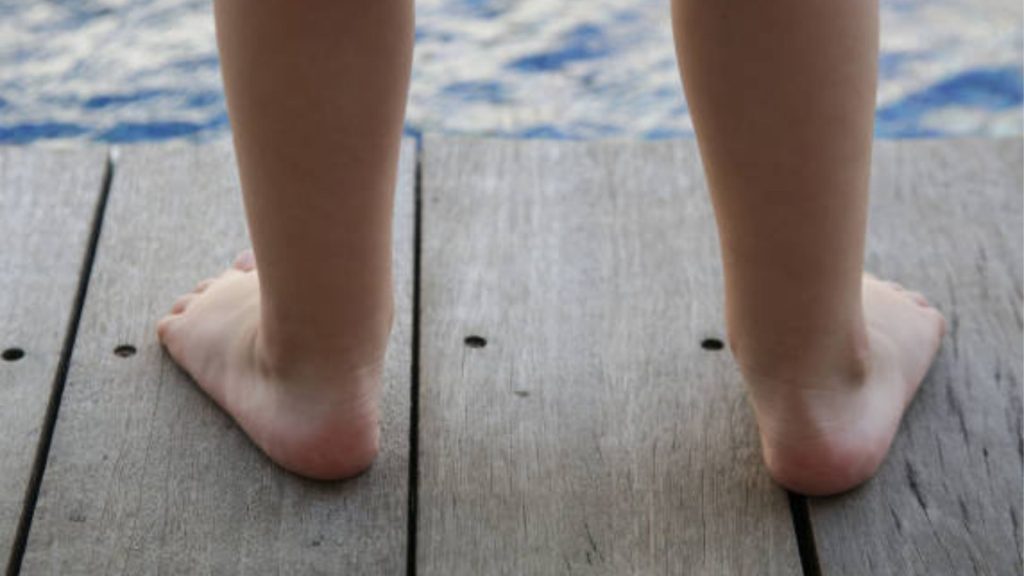
Flat feet are normal in many young children because arches typically develop over time. However, flat feet should not cause discomfort or limit activity.
If your child:
- Complaints of foot, leg, or heel pain
- Gets tired faster than peers
- Avoids walking or running
These are signs that the feet may not be coping well.
Read this if you’re unsure whether your child’s flat feet are normal or require intervention.
2. Not All Flat Feet Are the Same, Some Need Monitoring
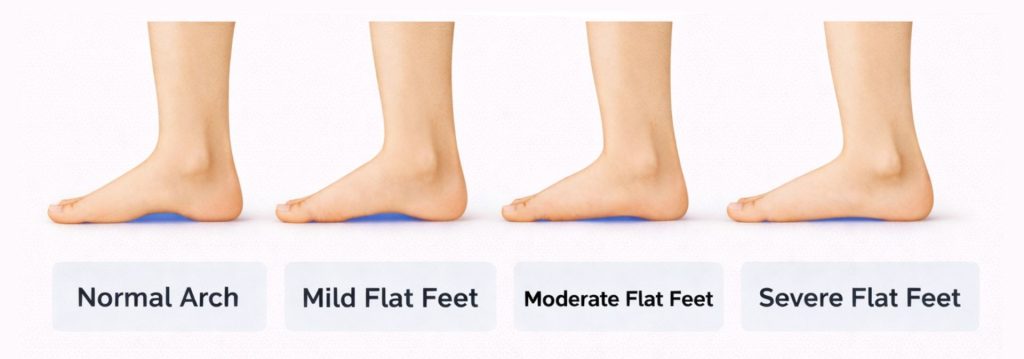
One of the biggest misconceptions parents have is that all flat feet are identical.
In reality, flat feet can be:
- Flexible and symptom-free
- Persistent and affecting movement
- Linked to posture, muscle tightness, or alignment
Some children will improve naturally. Others won’t, and waiting too long can allow poor movement patterns to set in.
Learn how flat feet in kids present in Singapore and when treatment is considered:
3. Tripping, Clumsiness & Uneven Shoe Wear Are Red Flags
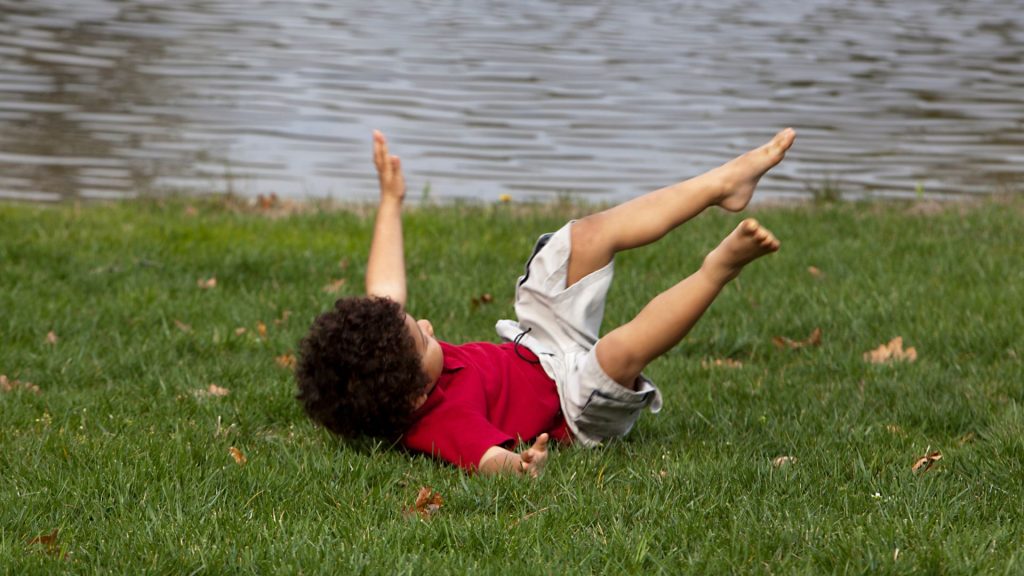
Children rarely explain pain clearly, they show it through behaviour.
Parents should take action if they notice:
- Frequent tripping or falling
- Shoes wearing out unevenly
- Complaints of “tired legs” after short walks
- Reluctance to participate in sports or PE
These signs often appear before pain becomes obvious.
Understand when flat feet may require intervention:
4. Insoles Can Help, But the Wrong Ones Can Make Things Worse
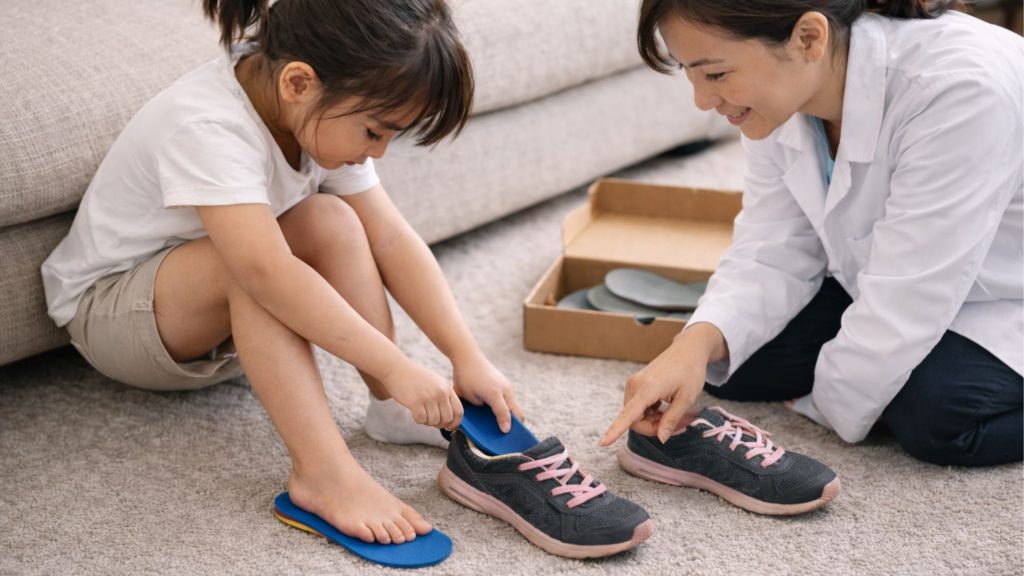
A common reaction is to buy off-the-shelf insoles once flat feet are noticed.
This can backfire.
Not all children need insoles, and poorly fitted orthotics can increase discomfort or alter gait negatively, especially in growing feet.
When orthotics are recommended, they should be:
- Customised to the child
- Reviewed as they grow
- Prescribed for a clear reason
Learn more about orthotics and when they’re appropriate:
Learn how flat feet affect both children and adults:
5. Early Paediatric Foot Assessment Prevents Bigger Problems Later
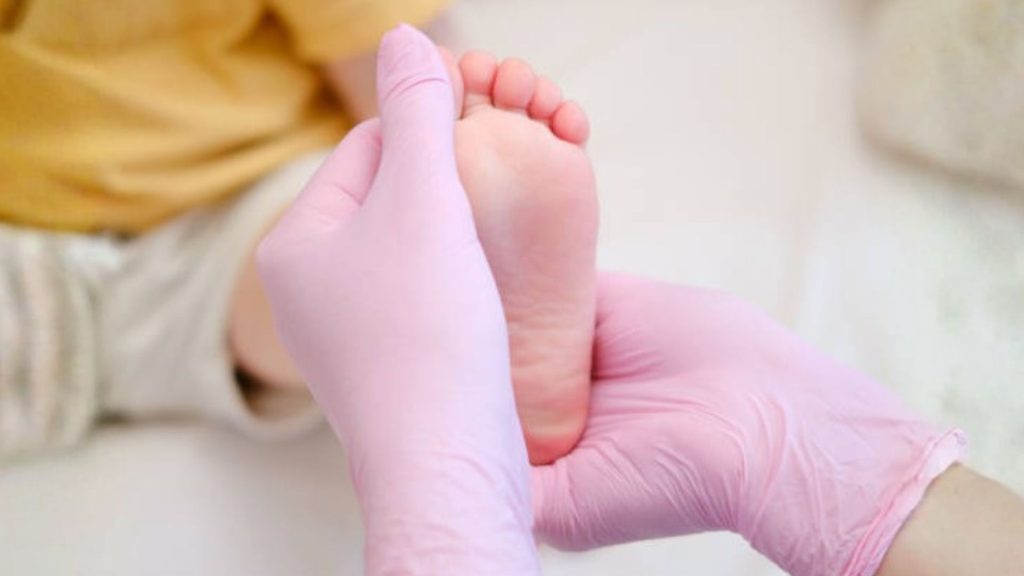
This is where many parents say, “I wish we checked earlier.”
A proper paediatric foot assessment looks beyond the arch to assess:
- Foot posture and flexibility
- Walking and running mechanics
- Leg alignment and posture
- Strength and balance
Early assessment:
- Doesn’t mean aggressive treatment
- Helps parents make informed decisions
- Prevents small issues from becoming persistent problems
Find out what a paediatric foot assessment involves:
When Parents in Singapore Should Act, Not Wait

You should consider booking an assessment now if your child:
- Has ongoing foot, leg, or knee pain
- Trips or falls frequently
- Avoids physical activity
- Gets tired easily
- Has flat feet that haven’t improved with age
If you’re unsure, that uncertainty alone is a valid reason to check.
The Takeaway for Parents
Flat feet in children are common. Ignoring early warning signs isn’t harmless.
Early assessment helps:
- Protect your child’s comfort
- Support healthy movement
- Keep them active and confident as they grow
Book a paediatric foot assessment at Physio & Sole Clinic and take action early, before small issues become bigger ones.