
Quick Summary
No — orthotics are not just for flat feet. They're inserts that correct alignment and redistribute pressure, prescribed just as often for heel pain, arthritis, sports injuries, and diabetic foot care. In Singapore they range from semi-customised insoles (around $460) to fully customised foot orthoses (around $710), built from an assessment of how your foot actually moves.
What Are Orthotics for Feet?
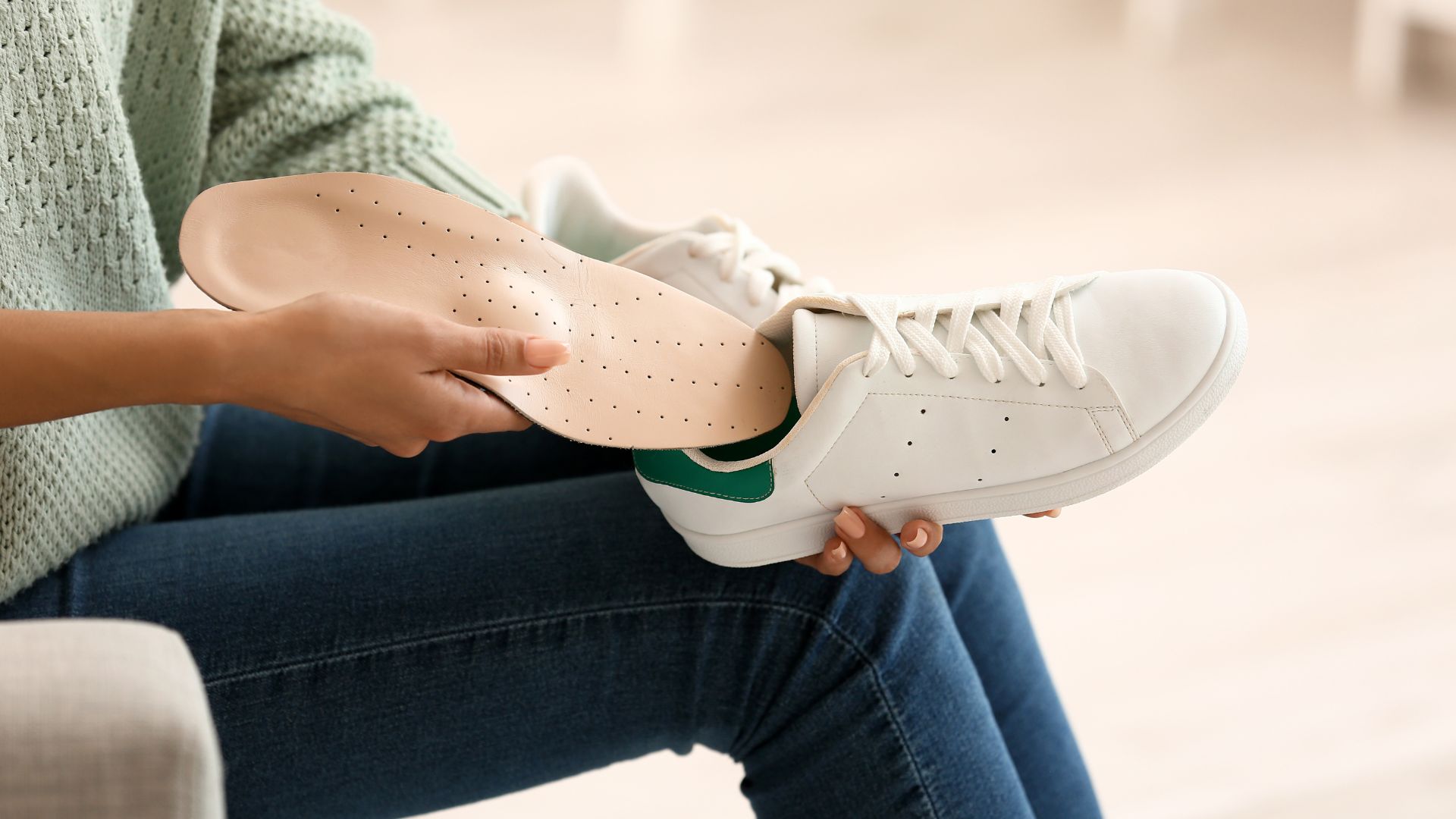
Orthotics (also called foot orthoses or insoles) are inserts that fit into your shoes to correct alignment, redistribute pressure, and support how your foot moves, not just add cushioning. In Singapore, they range from semi-customised insoles (from around $460) to fully customised foot orthoses (around $710), built from an actual assessment of your foot mechanics. They're prescribed for far more than flat feet — heel pain, high arches, arthritis, sports injuries, and diabetic foot care all commonly call for them too.
“I don’t have flat feet, do I still need orthotics?” I hear this question all the time. Many people in Singapore think orthotics are only for those with flat feet… but that’s far from the truth.
Yet, because most people associate orthotics with flat feet, they often miss out on the real benefits these devices can provide for heel pain, arthritis, sports injuries, and posture problems too.
The Hidden Impact of Foot Misalignment

When your feet don’t move properly, the effects ripple upwards to your knees, hips, and even your lower back. You might experience:
- Persistent heel pain or plantar fasciitis
- Knee or hip discomfort when walking or running
- Frequent ankle sprains
- Uneven shoe wear or tired legs after short walk
These are common problems I see every day, and they often stem from poor foot alignment or instability.
The longer these issues go untreated, the harder it becomes to move comfortably, which affects everything from your morning commute to your evening jog.
Understanding What Orthotics Actually Do
So, what do orthotics do to your feet?
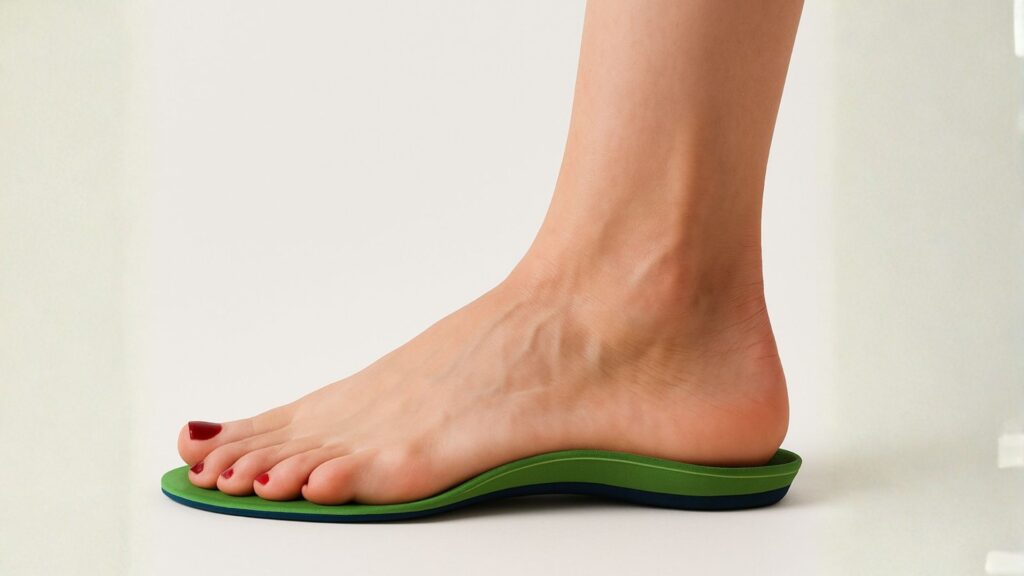
Orthotics work by redistributing pressure and improving the way your foot interacts with the ground. They gently guide your foot into a more efficient position, which helps:
- Support your natural arch structure
- Reduce strain on muscles, tendons, and joints
- Absorb shock during walking or running
- Improve balance and posture over time
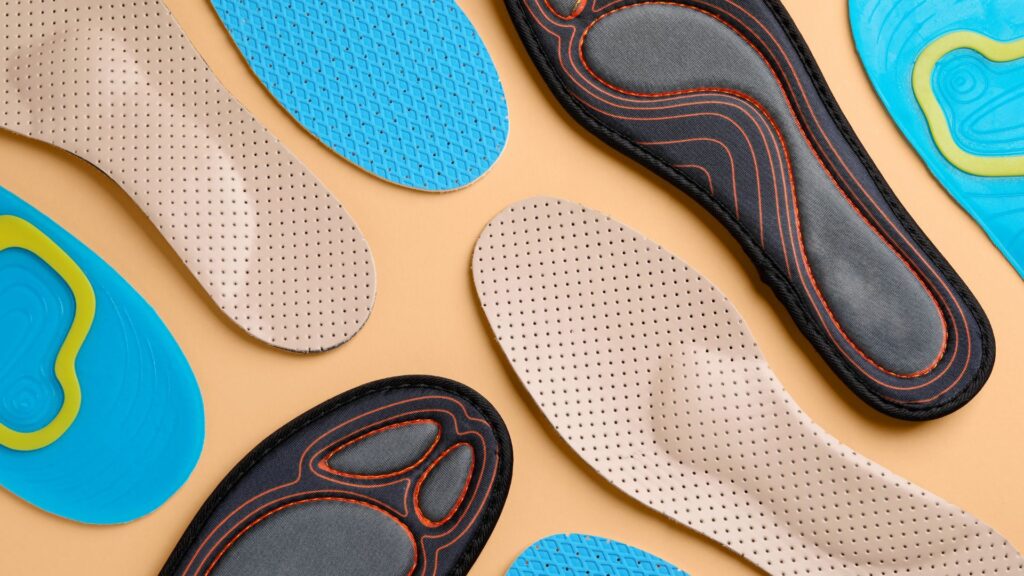
Unlike generic store-bought insoles, custom orthotics are made based on your foot shape, movement patterns, and lifestyle. At Physio & Sole Clinic, we use detailed 3D scans and a thorough video gait analysis to prescribe orthotics that fit your feet precisely.
Are Orthotics Only for Flat Feet?
No, and this is one of the biggest misconceptions I aim to correct.
While orthotics are extremely helpful for flat feet, they also play a role in managing many other foot and lower-limb conditions.
Here are some examples:
1Heel and Arch Pain (Plantar Fasciitis)
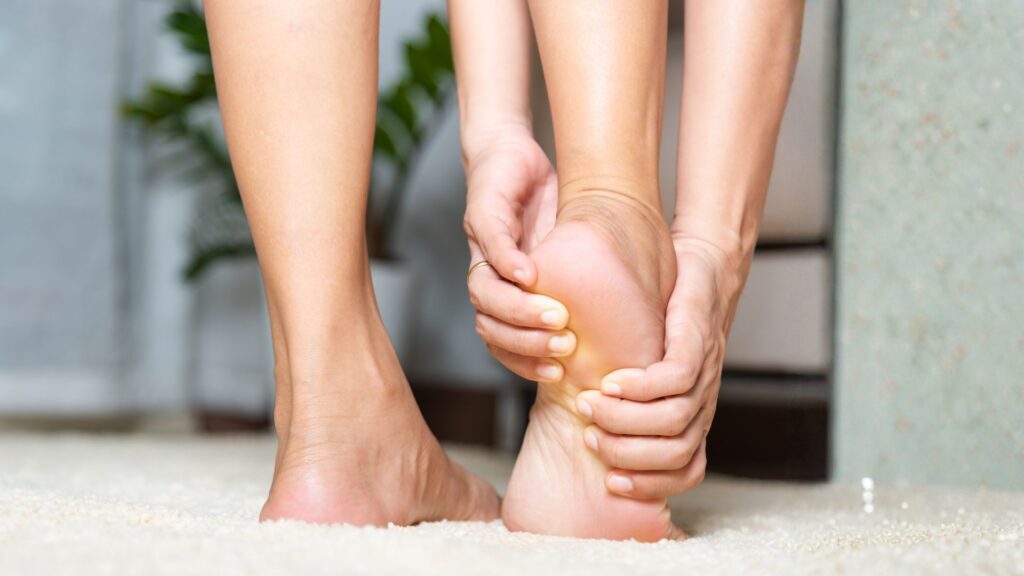
Plantar fasciitis is one of the most common reasons Singaporeans seek podiatry care. Orthotics help by off-loading pressure from the inflamed heel area, allowing the tissue to heal while you stay active.
2High Arches
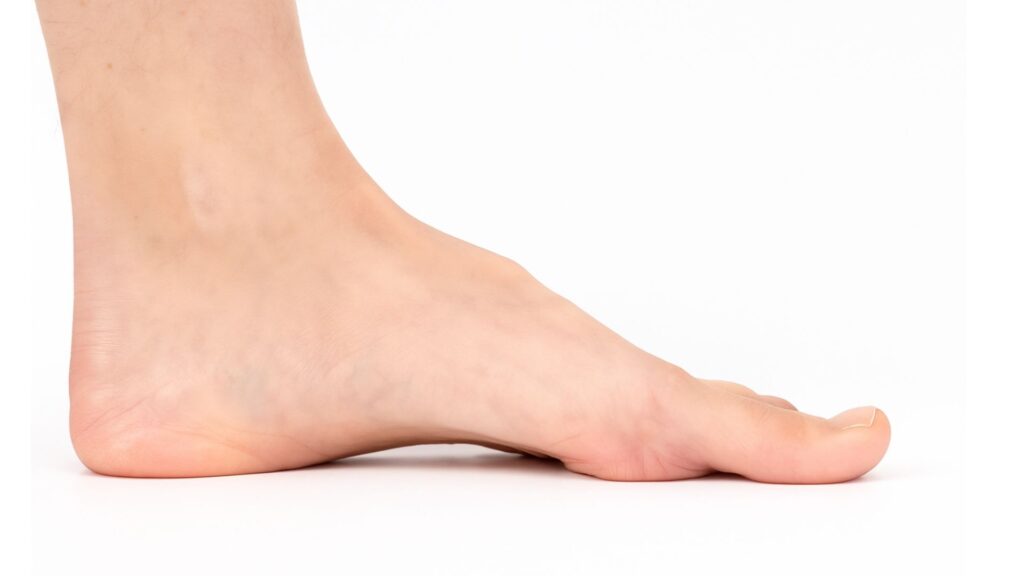
Feet with high arches don’t absorb impact well, leading to stress fractures or ankle instability. Custom orthotics cushion the arch and improve shock absorption, protecting the feet and the knees.
3Arthritis
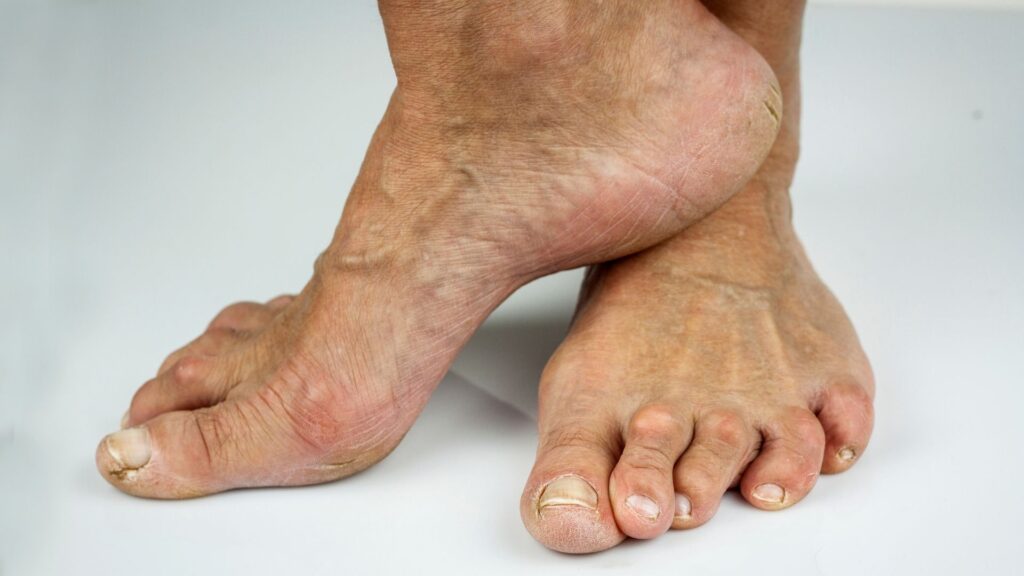
In older adults, orthotics can help redistribute pressure and reduce joint stress caused by arthritis, making daily activities like walking or climbing stairs more comfortable.
4Sports Injuries
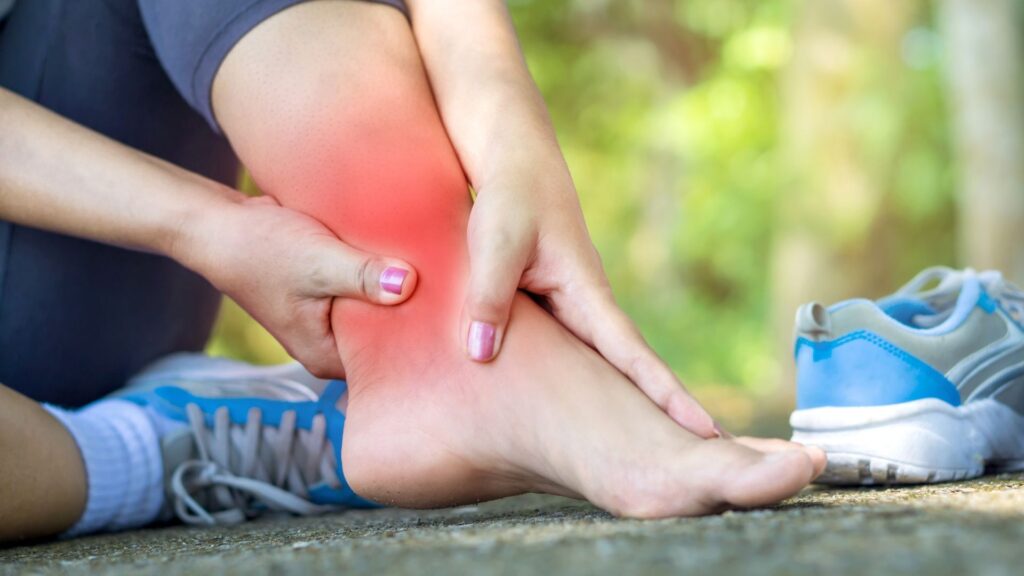
Athletes benefit from orthotics that control motion and reduce excessive pronation or supination. This minimises injury risk and can even enhance performance.
5Diabetic or Sensitive Feet
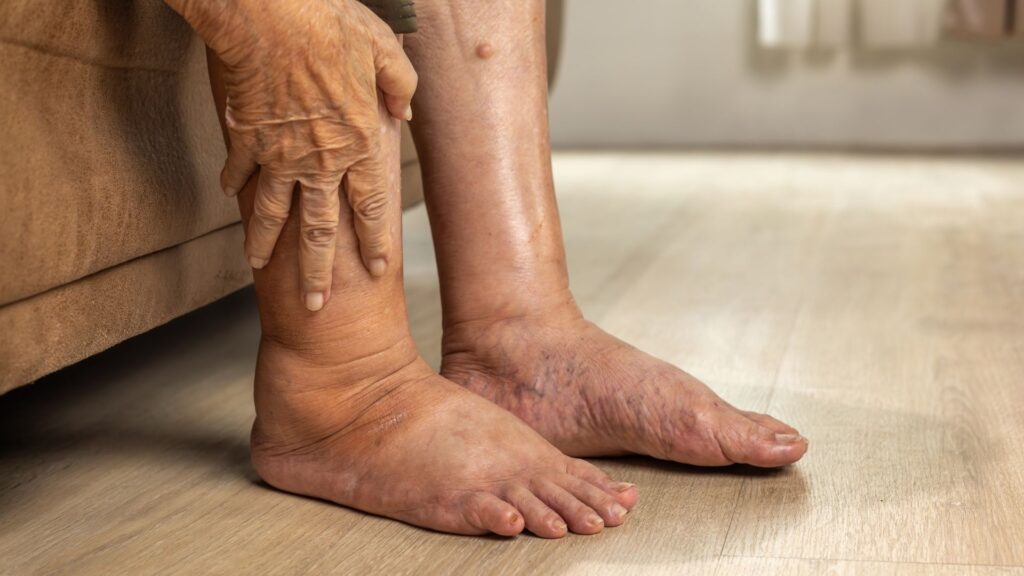
Orthotics can prevent calluses, ulcers, and skin breakdown by cushioning pressure points, which is crucial for long-term foot health in diabetics.
So if you’re wondering, “Who should wear orthotics?” The answer is simple: anyone who is experiencing pain or imbalance in their feet, regardless of arch type.
How Orthotics Help With Balance and Movement
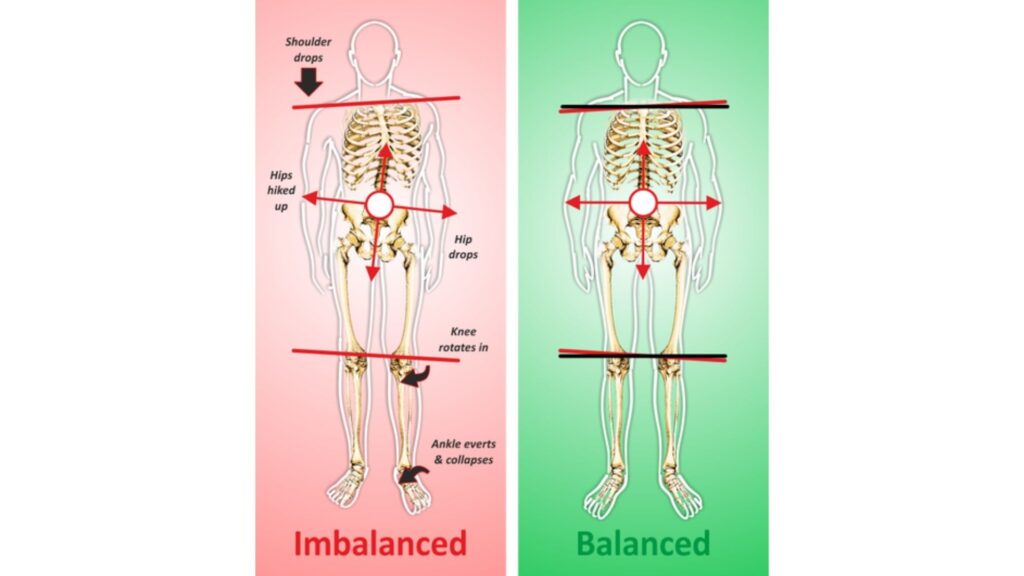
A common question asked: “How do orthotics help with foot pain?” The answer lies in alignment and stability.
When your feet are properly aligned, every joint above your knees, hips, and spine functions better. Orthotics help you stand and move with improved balance, reducing muscle fatigue and the risk of falls or injuries.
In clinical terms, orthotics support the kinetic chain, meaning they influence your entire body’s movement pattern, not just your feet.
Who Benefits Most From Orthotics?

Orthotics aren’t one-size-fits-all; different groups benefit in different ways:
Athletes: reduce overuse injuries, prevent sports-specific injuries, improve stride efficiency, and enhance recovery.
Occupations requiring prolonged standing (e.g. Teachers, Chefs, Construction workers): relieve pain from prolonged standing or walking in hard shoes.
Seniors: improve balance, posture, and stability to prevent falls.
Children: support proper growth and gait development when foot posture is still forming.
Even if you don’t have pain now, the right orthotics can prevent future strain, especially if your job or lifestyle involves long hours on your feet.
Over-the-Counter vs Custom Orthotics
Not all orthotics are the same. Over-the-counter insoles offer basic cushioning, but custom orthotics are designed from a podiatry assessment to match your exact foot shape and lifestyle, providing better comfort, longer durability, and lasting pain relief.
Read more about the difference here
When Should You Not Wear Orthotics?
Orthotics are generally safe for everyone, but there are a few exceptions. If your feet are swollen due to infection, or if you have had recent surgery, or open wounds, it’s best to delay orthotic use until your podiatrist advises otherwise.
You should also avoid using old or damaged orthotics that no longer fit properly, as they can cause more harm than good.
How Long Do Orthotics Last and When to Replace Them?
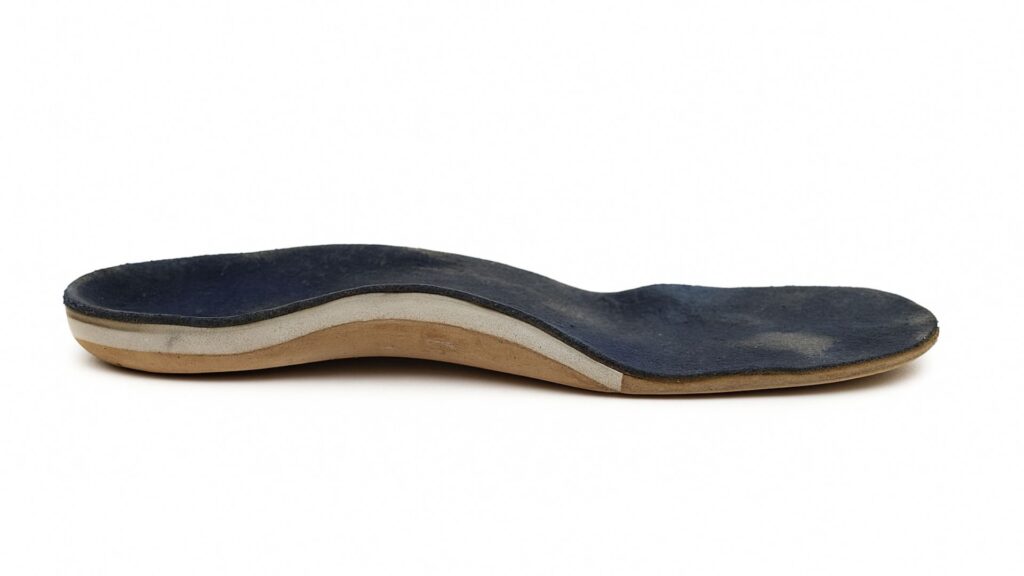
Most custom orthotics last three to five years, depending on how often you wear them. But it’s important to look out for signs that they need replacement:
- They feel flat or less supportive than before
- You notice new pain or fatigue in your feet or knees
- The top cover or shell is worn or cracked
If you’re unsure, bring them in for review. At Physio & Sole Clinic, we reassess patients yearly to ensure their orthotics still fit their current posture and gait.
Remember: your feet and your lifestyle changes over time, so your orthotics may need to change too.
What Foot Conditions Require Orthotics?
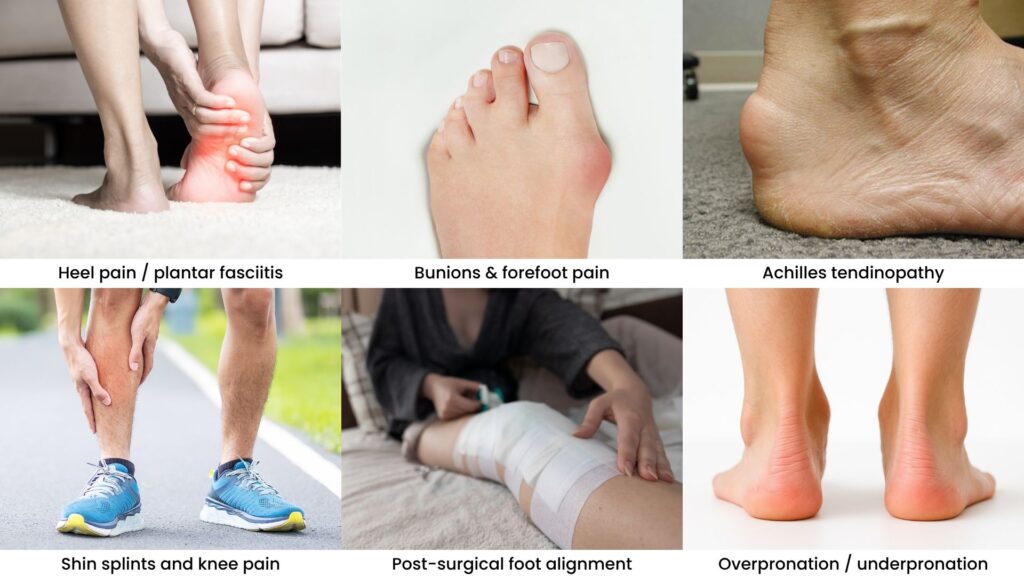
Apart from flat feet, orthotics can help manage:
- Heel spurs and plantar fasciitis
- Bunions and forefoot pain
- Achilles tendinopathy
- Shin splints and knee pain
- Post-surgical foot alignment
- Overpronation or Supination (underpronation)
Essentially, orthotics are prescribed whenever your foot mechanics cause pain, inefficiency, or imbalance.
What Are the Disadvantages of Orthotics?
Like any treatment, orthotics aren’t perfect. Some patients experience mild discomfort during the first week as their body adjusts to the new alignment. This is normal, it’s like wearing braces for your feet.
In rare cases, poorly fitted or non-custom orthotics may worsen symptoms, which is why professional fitting and follow-up care are crucial.
When prescribed correctly, however, the advantages far outweigh any temporary adjustment period.
How Many Hours Should You Wear Orthotics?
If you’re new to orthotics, start gradually:
- Day 1–3: Wear them for 1–2 hours daily.
- Day 4–7: Increase to half a day.
- After 1 week: You should be able to wear them full-time in most shoes.
This progressive approach allows your muscles and joints to adapt comfortably.
Why Professional Podiatry Assessment Matters
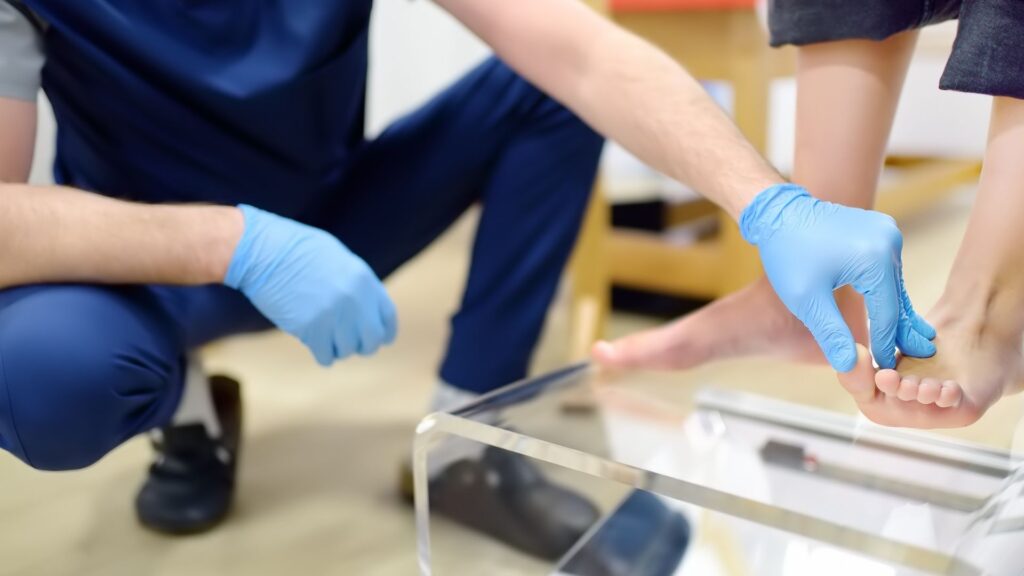
Every foot is different, and so is every orthotic. A professional podiatry assessment includes gait analysis, muscle testing, and sometimes pressure mapping to understand how your feet function dynamically.
This ensures your orthotics are not just comfortable but also therapeutic. They should be addressing the root cause of your symptoms, not just masking them.
At Physio & Sole Clinic, we combine podiatry and physiotherapy expertise so that your orthotics are supported with a holistic treatment plan. That might include strengthening exercises, footwear advice, and follow-up checks for long-term success.
When you consult a physiotherapist in Singapore at our clinic, they can work alongside your podiatrist to ensure your lower limb alignment is supported by the necessary muscle strength and mobility for a complete recovery.
The Takeaway: Orthotics Are Not Just For Flat Feet
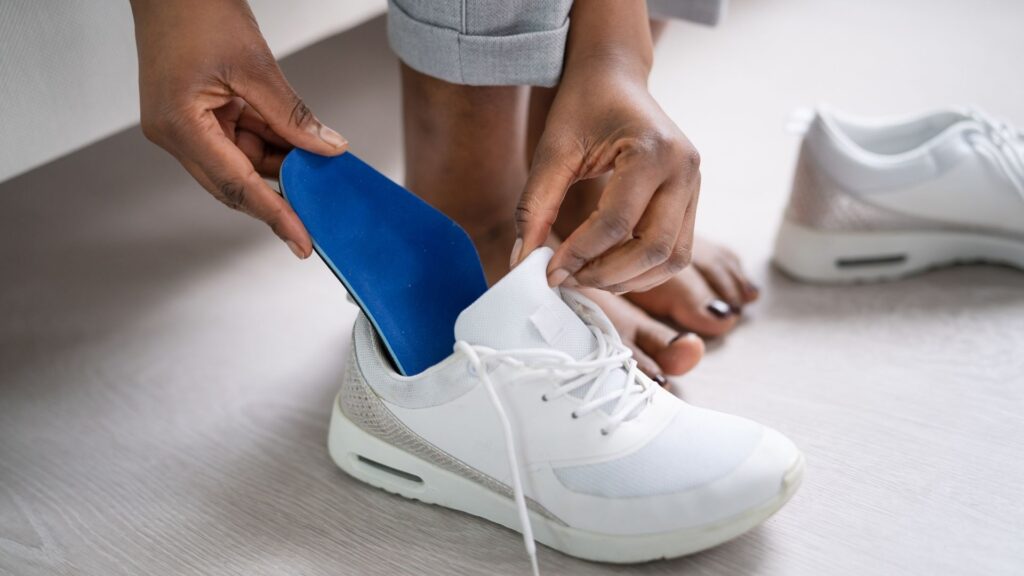
So, are orthotics only for flat feet? Absolutely not.
They’re a versatile device that can help with pain relief, performance, posture, and prevention across all ages and activity levels. Whether you’re an athlete, an office worker, or someone simply looking to walk comfortably again, the right orthotics can make a meaningful difference.
Ready to Take Your First Step?
If you’ve been struggling with foot pain, fatigue, or poor posture, don’t wait for it to worsen. Book an appointment with our podiatrists at Physio & Sole Clinic and find out how custom orthotics can support your feet and your lifestyle.
Ready to feel better?
Book a consultation with our podiatry team to get an assessment tailored to you.