
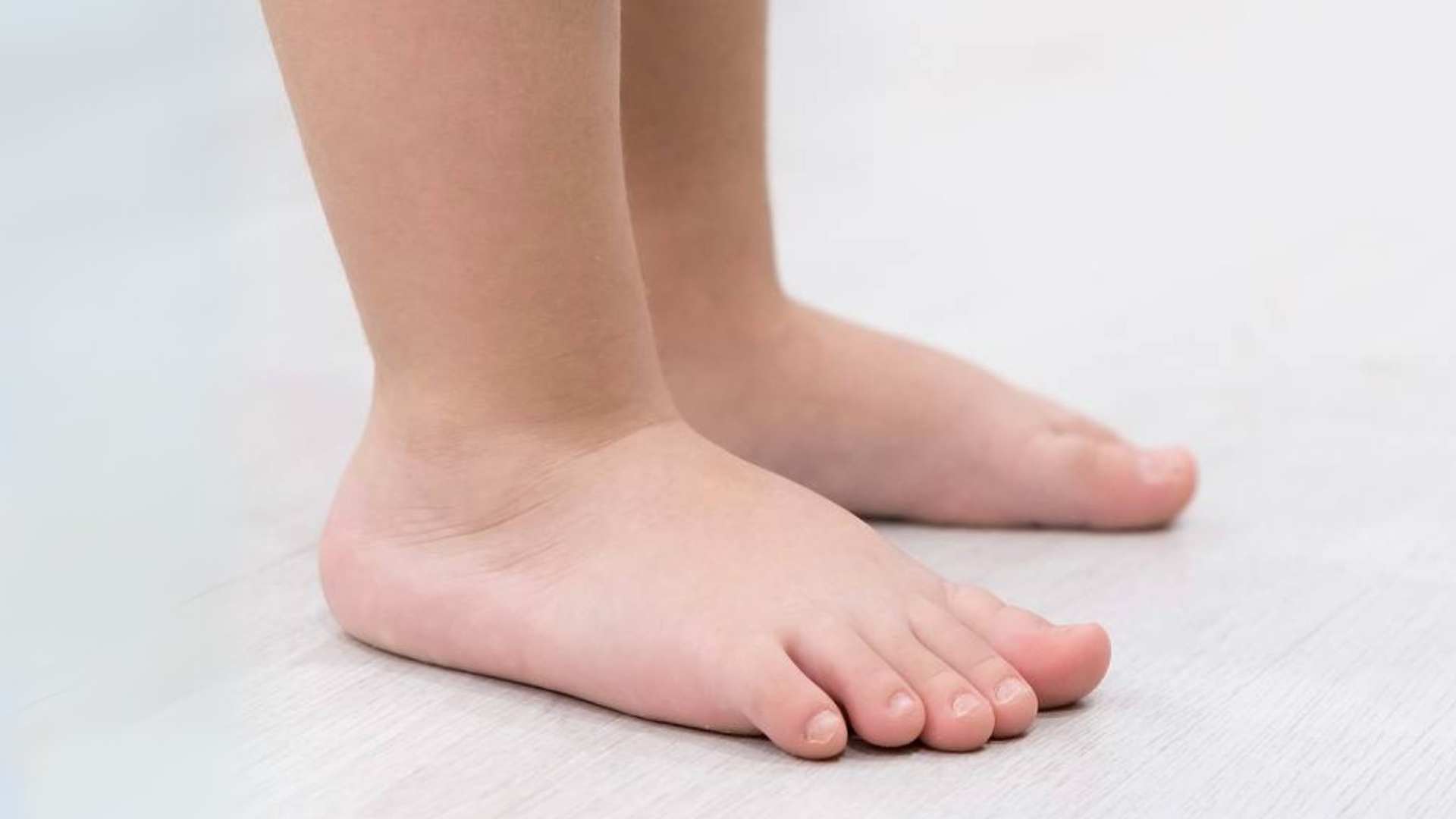
Worried About Your Child’s Flat Feet? Here’s What Singaporean Parents Need to Know
It’s something many parents notice early — their child’s feet looking unusually flat, or they seem to walk with their ankles rolling in. Sometimes they tire easily during play or complain of aches in their legs and feet. The big question: Is this normal?
Flat feet, also known as pes planus or “fallen arches”, are common in kids. In most cases, they’re part of normal development, but sometimes, they can lead to discomfort, clumsiness, or even long-term issues if left unaddressed.
If you’re unsure whether your child needs treatment, this guide will help you understand what’s normal and what’s not, as well as how our podiatrists and physiotherapists at Physio & Sole Clinic can help.
Are flat feet normal in children?
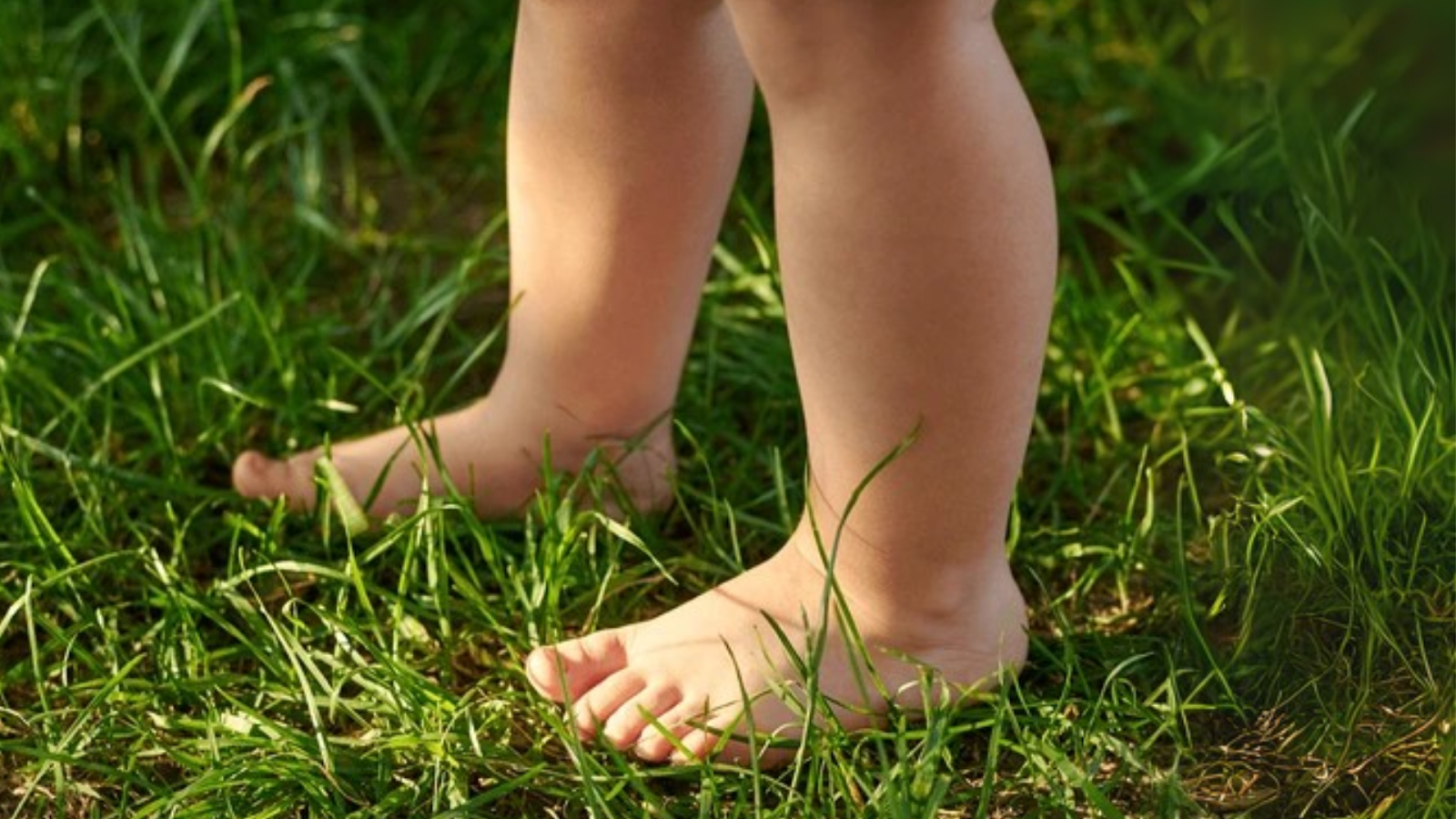
Yes — for many young children, flat feet are completely normal. Most babies and toddlers appear flat-footed because:
- Their arches haven’t fully developed yet
- Their joints and ligaments are still loose
- A fat pad on the foot hides the natural arch
In most cases, arches begin to form around age 3 to 5, and by age 7, the structure is usually more defined. However, if your child still has flat feet after this age — especially if accompanied by pain or poor balance — it’s a good idea to have them assessed.
It’s also worth remembering that flat feet alone aren’t a diagnosis. How a child’s foot looks when they’re standing still tells you far less than how it actually functions when they’re walking, running, or jumping. Plenty of children with visibly flat arches move perfectly well and never develop symptoms — which is why a proper assessment looks at movement and function, not just foot shape.
Types of Flat Feet in Children: Flexible vs. Rigid
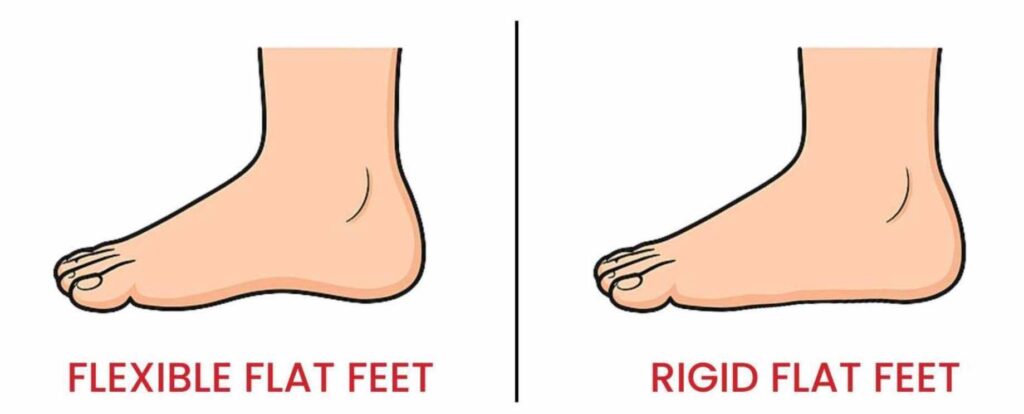
Not all flat feet are the same — knowing whether your child has flexible or rigid flat feet can help determine if treatment is needed.
Flexible Flat Feet
This is the most common type of flat feet in children and is often asymptomatic.
- Arches appear when sitting or standing on tiptoes
- Flatten when standing normally
- Usually not painful
- Often doesn’t require treatment unless there are symptoms like pain or fatigue
Rigid Flat Feet
This type is less common and may signal an underlying issue that needs attention.
- No visible arch at all, even when off the ground
- May cause stiffness or restricted movement
- Can lead to pain in the foot, ankle, or lower leg
Should be assessed early by a podiatrist to prevent complications
Can flat feet cause pain in children?
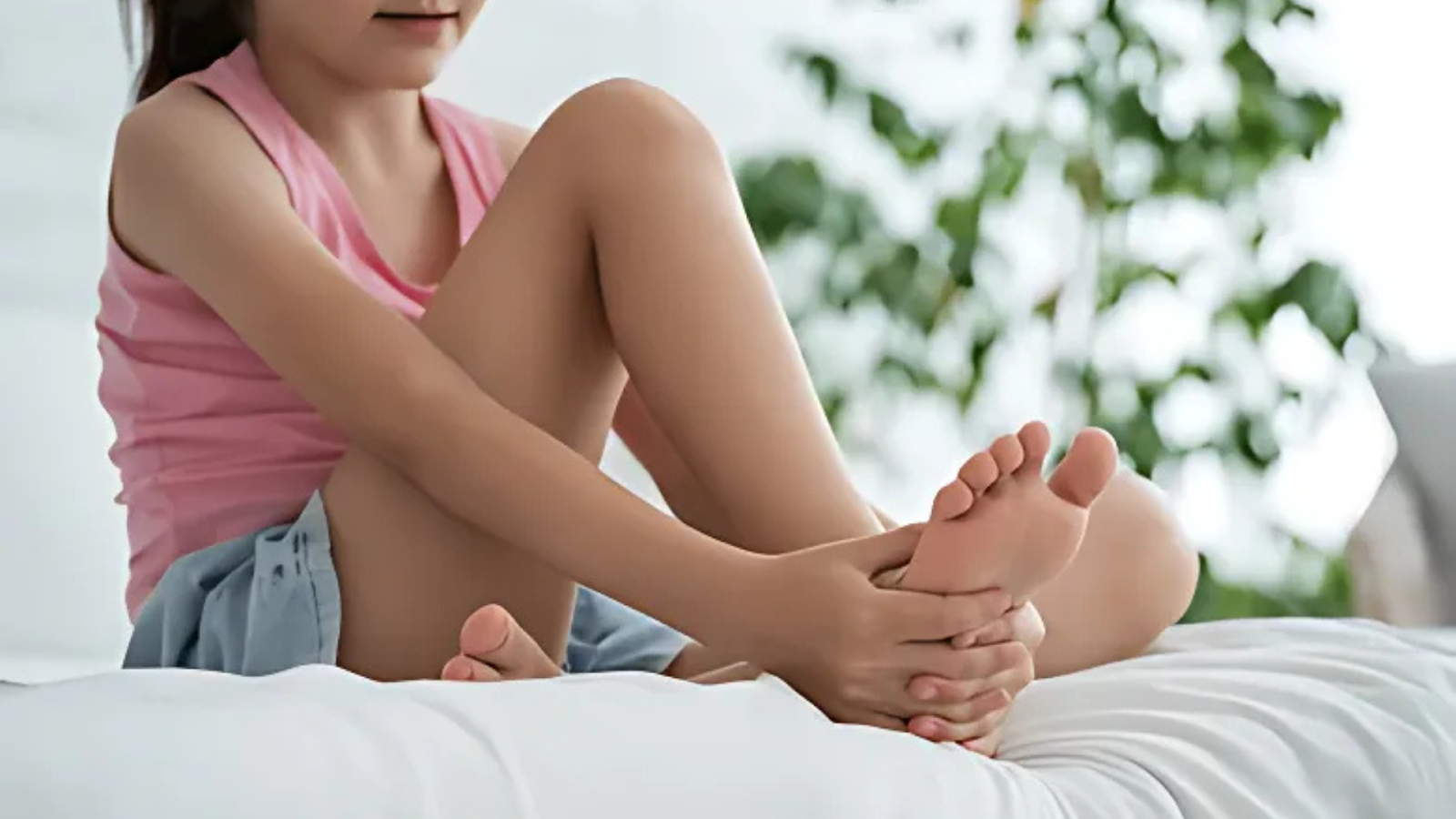
Yes — while many children with flat feet don’t experience any symptoms, some do develop pain or discomfort, especially as they grow more active.
Common pain-related issues include:
- Foot fatigue after walking, running, or sports
- Arch or heel pain, especially after prolonged standing
- Ankle instability or rolling inwards (overpronation)
- Knee or lower leg pain due to poor alignment
- Delayed motor skills or clumsiness during play
In some cases, pain may even extend to the hips or lower back as the body tries to compensate for the lack of foot support.
Pain is not “just part of growing up” — if your child frequently complains of aches in the feet or legs, it’s worth getting them checked by a podiatrist to rule out underlying structural issues and start treatment early if needed.
When Should You Be Concerned?
Book a podiatry assessment if you notice any of the following:
- Arches remain flat beyond age 7
- Your child complains of foot, ankle, knee, or hip pain
- They trip or fall often
- They avoid physical activity due to discomfort
- Their shoes wear out unevenly
- They have trouble standing on tiptoes
- There’s a family history of foot problems
What causes flat feet in children?
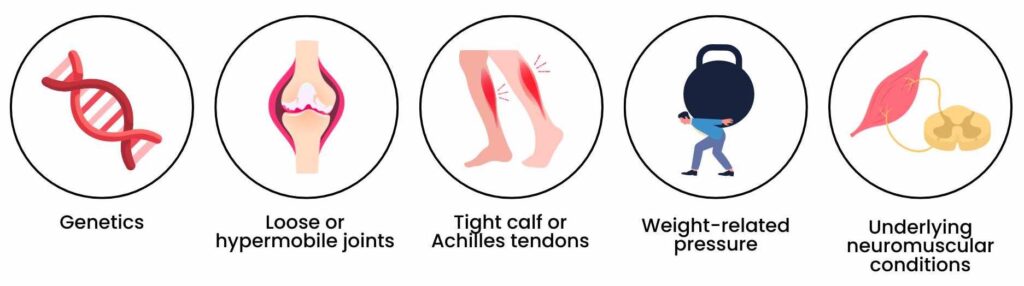
Several factors can contribute:
- Genetics (family history)
- Loose or hypermobile joints
- Tight calf or Achilles tendons
- Weight-related pressure on the feet
- Underlying neuromuscular conditions (less common)
A Singapore-specific factor to consider
Our local school and lifestyle routines can also play a part. Many children here spend long hours in closed, structured school shoes, get relatively little barefoot time on natural or varied surfaces, and stay highly active outdoors despite the heat and humidity. None of this causes flat feet on its own, but it can affect how quickly little feet tire and how symptoms show up — which is worth keeping in mind when planning footwear and activity breaks.
How are children’s flat feet treated?
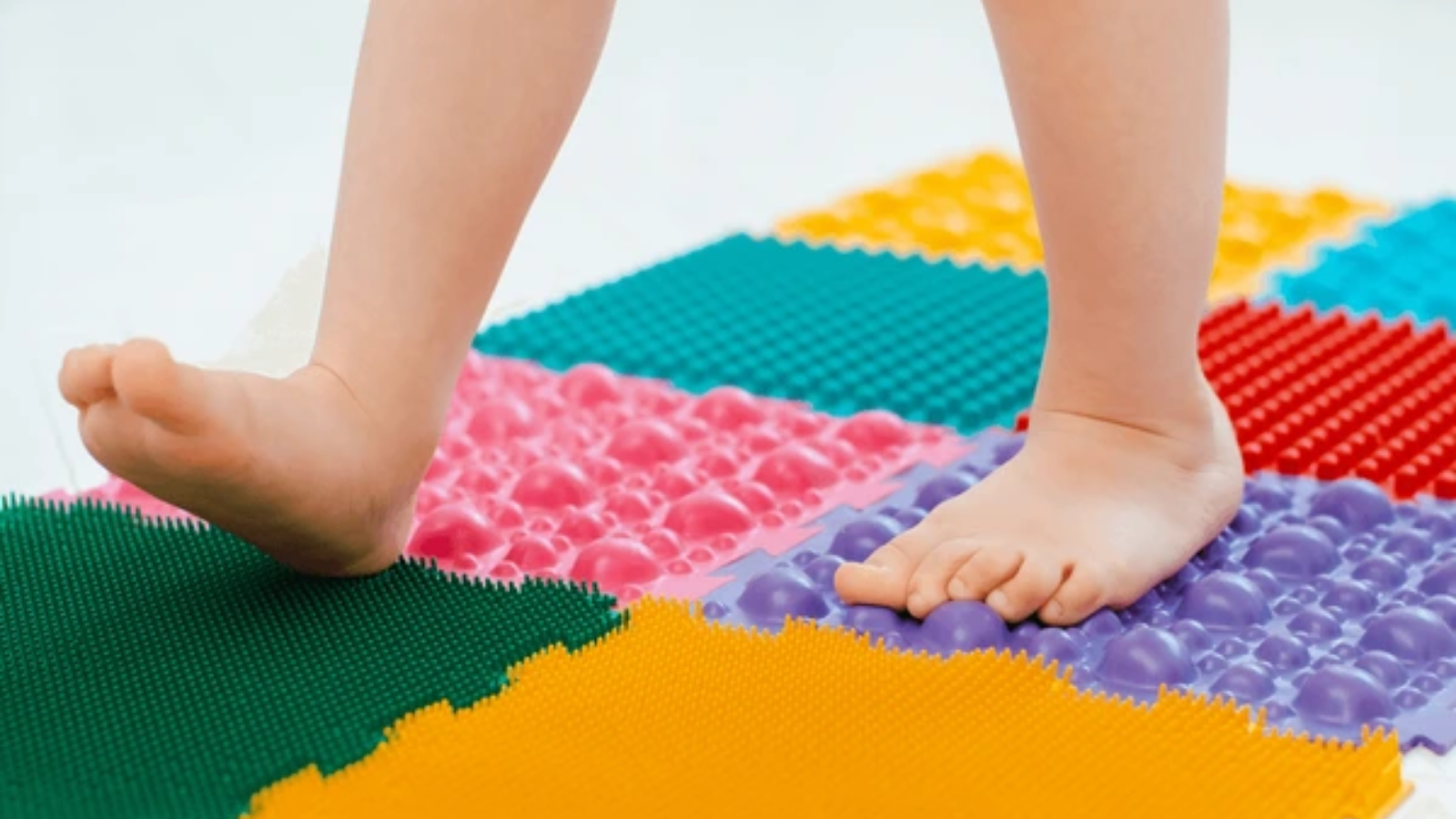
At Physio & Sole Clinic, our approach is always based on your child’s symptoms, lifestyle, and foot structure.
If there’s no pain:
- No intervention may be needed — just regular monitoring
- Advice on proper footwear to support growing feet
If there are symptoms:
We offer a co-managed treatment plan with our podiatrists and physiotherapists, which may include:
- Foot orthotics (custom or pre-fabricated)
- Stretching & strengthening exercises
- Gait retraining with a physiotherapist
- Footwear recommendations
- Posture and balance training
A note on custom vs. off-the-shelf insoles
For growing children, the choice between custom and off-the-shelf insoles matters more than it might for adults. Kids’ feet change shape and size quickly, and their arches are still developing, so an insole that fits well today may not support them the same way in a few months. Custom orthotics can be moulded to a child’s specific foot shape and gait, which is often more suitable for pronounced or symptomatic flat feet, while off-the-shelf options can work well for milder cases.
That said, insoles aren’t a one-size-fits-all fix. A poorly fitted orthotic — custom or otherwise — can sometimes add pressure in the wrong places, feel uncomfortable, or even alter a child’s gait for the worse. This is why we always recommend a proper paediatric feet assessment before fitting any orthotics, so that whatever’s prescribed actually matches your child’s feet and how they move.
Our team also provides guidance on school shoes and sports footwear, especially for kids involved in running, football, or ballet.
What kind of shoes are best for children with flat feet?
Good shoes can support better movement and prevent fatigue. Look for:
- A firm heel counter
- Flexible sole at the ball of the foot
- Secure closure (like velcro or laces)
- A wide, roomy toe box
Avoid:
- Soft, flimsy shoes (e.g., canvas shoes with no support)
- Hand-me-downs that may be worn unevenly
Where Can You Get Treatment for Children’s Flat Feet in Singapore?
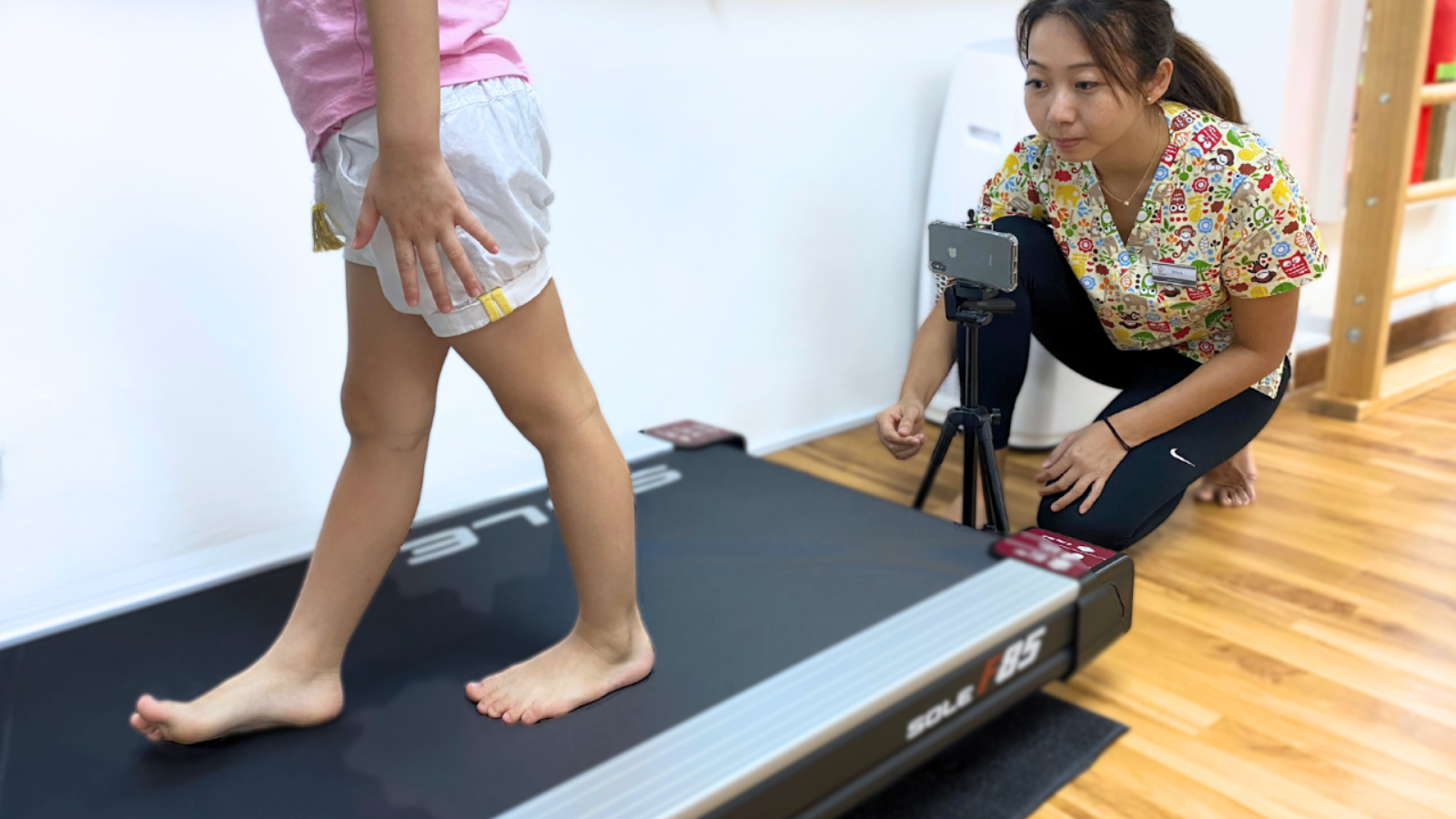
If you’re looking for trusted care for your child’s flat feet, Physio & Sole Clinic offers expert, child-friendly treatment right here in Singapore. Our team of podiatrists and physiotherapists works together under one roof to provide:
- Detailed gait and posture assessments
- Customised or prefabricated orthotics (insoles)
- Stretching and strengthening programmes
- Footwear advice tailored to school, play, and sports
- Co-managed care for long-term results
With multiple clinic locations islandwide and a track record of working with children of all ages, we’re here to support your child’s movement and development, pain-free.
Early Support Makes a Difference
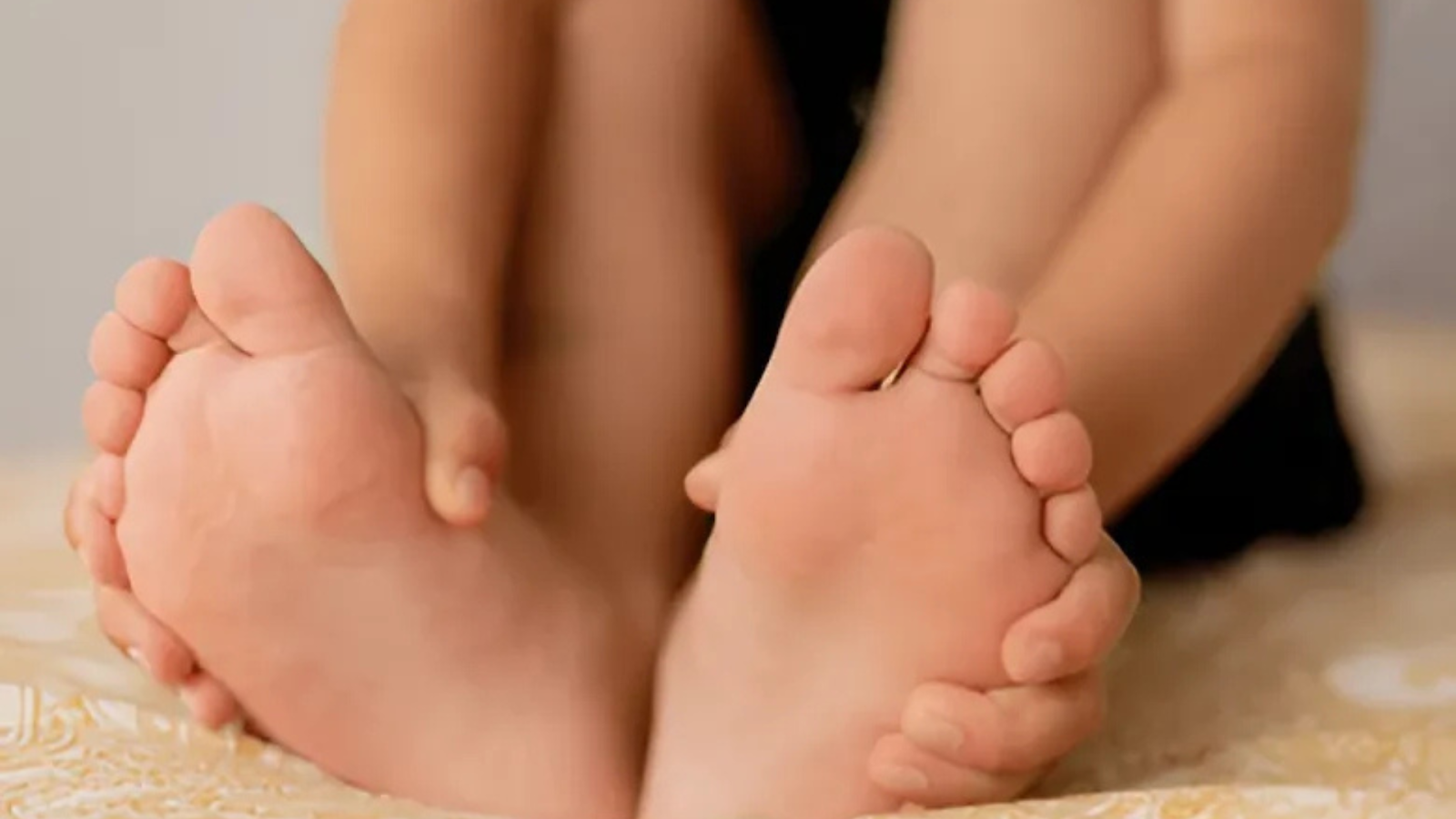
Flat feet are common in children, but they shouldn’t be ignored if there’s pain, imbalance, or frequent tripping. With the right guidance and early intervention, many children can improve their posture, comfort, and confidence in movement.
At Physio & Sole Clinic, we make it easy for parents to get the answers and care they need — all in one place. Let us help your child walk, run, and grow with confidence. Book a consultation with our podiatrists today.
Ready to feel better?
Book a consultation with our physiotherapy team to get an assessment tailored to you.