
Quick Summary
Our feet are highly adaptable. Over time, they respond to how much we walk, stand, commute, and the types of shoes we wear each day. Many of these changes are completely normal and don’t cause any issues. The challenge is knowing which changes are harmless adaptations and which ones gradually increase the risk of pain or injury.
In this article, I’ll walk you through:
How everyday footwear choices can influence the way your feet move and take load
Which changes are part of normal use and ageing, and which may signal overload
Common signs that footwear may be contributing to discomfort
How podiatry and gait assessment in Singapore can help, and when intervention is necessary
If you walk, stand, or commute daily in Singapore, your footwear is doing more than just protecting your feet. Over time, it can shape how your feet move, load, and adapt: often quietly and long before pain shows up. I see this every week in clinic: patients who “did nothing wrong,” yet develop heel pain, aching arches, knee strain, or forefoot discomfort that seems to appear out of nowhere.
When Comfortable Shoes Don’t Match How Your Feet Work

Many people assume foot problems only come from poorly made or “wrong” shoes. In reality, it’s often a mismatch rather than an obvious flaw. Even footwear that feels comfortable can influence how your feet function if it doesn’t support the demands you place on them day after day.
In Singapore, this mismatch is common. Daily routines often involve:
Long hours on your feet at work, whether in offices, retail, or healthcare settings
Regular walking on hard, unforgiving surfaces like MRT stations, malls, and park connectors
Frequent use of casual footwear such as slip on shoes, flip-flops, or very soft trainers
Switching between work shoes and weekend footwear without much consideration for support or fit
Over time, these habits can subtly affect how your feet absorb load, maintain stability, and push off with each step.
Why Foot Changes Often Go Unnoticed at First
Your feet are designed to adapt. That adaptability allows you to cope with different surfaces and activities, but it also means changes tend to happen gradually and quietly.
Over the years in the clinic, I often observe:
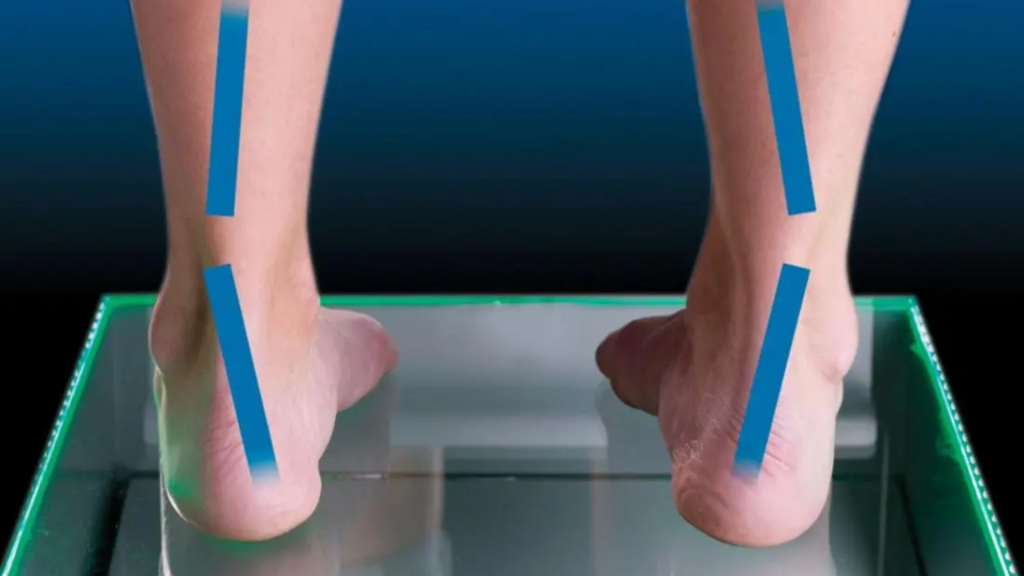
Arches that appear fine in the morning but sit lower by the end of the day
Increased inward rolling of the foot during walking
Shifting pressure towards the big toe or second toe
Calves and the Achilles tendon working harder to maintain balance and control
These changes don’t always cause pain initially. However, they alter how forces travel through the ankles, knees, hips, and lower back. When discomfort eventually appears, many patients feel they are caught off guard because nothing obvious seems to have changed.
In most cases, something has changed, just slowly.
Can shoes change the shape of your feet over time?
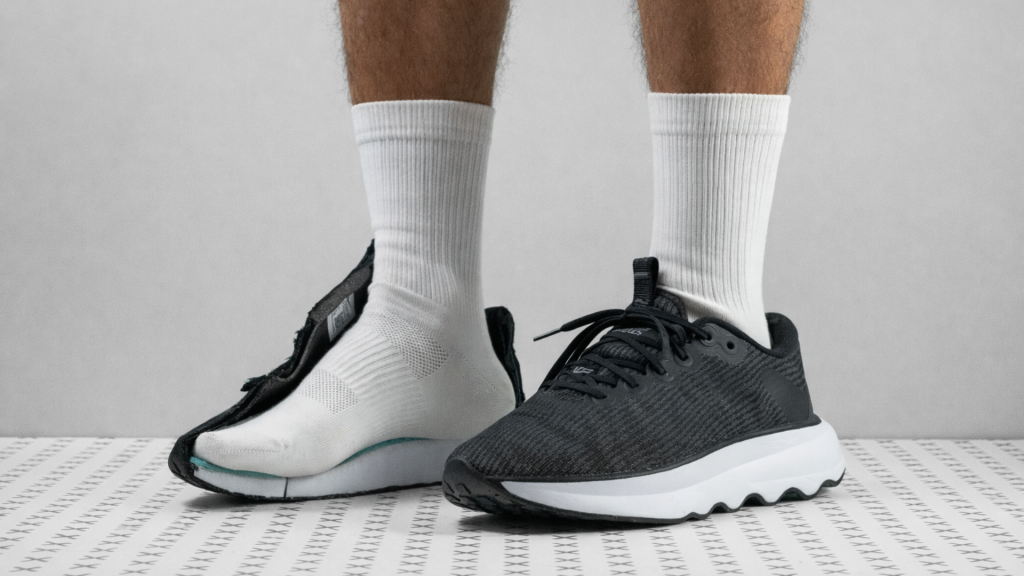
They can, but indirectly. Shoes don’t permanently reshape bones overnight. What they influence instead is how your feet function.
Footwear can affect:
Muscle strength and endurance
How tendons are loaded with each step
Joint motion and alignment during walking
For example:
Very soft or overly cushioned soles may reduce feedback from the ground, leading to less engagement of the small stabilising muscles in the foot
Narrow toe boxes can gradually encourage toe crowding and increased joint stress
Unsupportive slippers or sandals can increase strain on the plantar fascia and Achilles tendon, especially with prolonged walking
Over time, your feet adapt to the tasks they are asked to perform most often, for better or for worse.
How do I know if my footwear is causing foot pain?
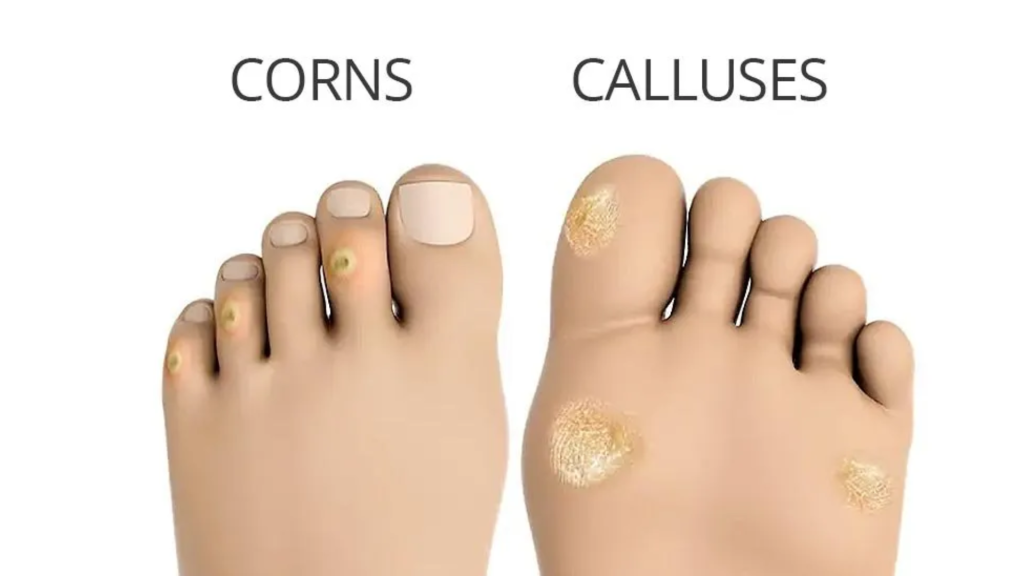
Pain isn’t always the first sign. Look for patterns:
Pain or aching that builds up as the day goes on
Symptoms that improve when you’re barefoot, or worsen without shoes
Uneven wear on shoe soles
Recurrent calluses or corns in the same spots
Frequent calf, heel, or arch tightness
If discomfort is activity-related, repetitive, or slowly worsening, footwear and foot mechanics are often part of the picture.
Common Misconception: “I’ll Just Change Shoes”

Changing shoes can help, but it’s rarely the whole solution.
I often meet patients who’ve tried:
Buying more cushioned shoes
Switching brands repeatedly
Adding generic insoles
Sometimes these help temporarily. At other times, it shifts the stress elsewhere. Without understanding how your foot moves, it’s mostly just guessing without addressing the root cause.
Why Footwear Works Best When It Matches How You Move
Good foot care isn’t about finding the ‘best shoe.’ It’s about matching footwear to your foot function and daily demands.
That starts with understanding your gait.
What does a podiatrist check during a gait assessment?
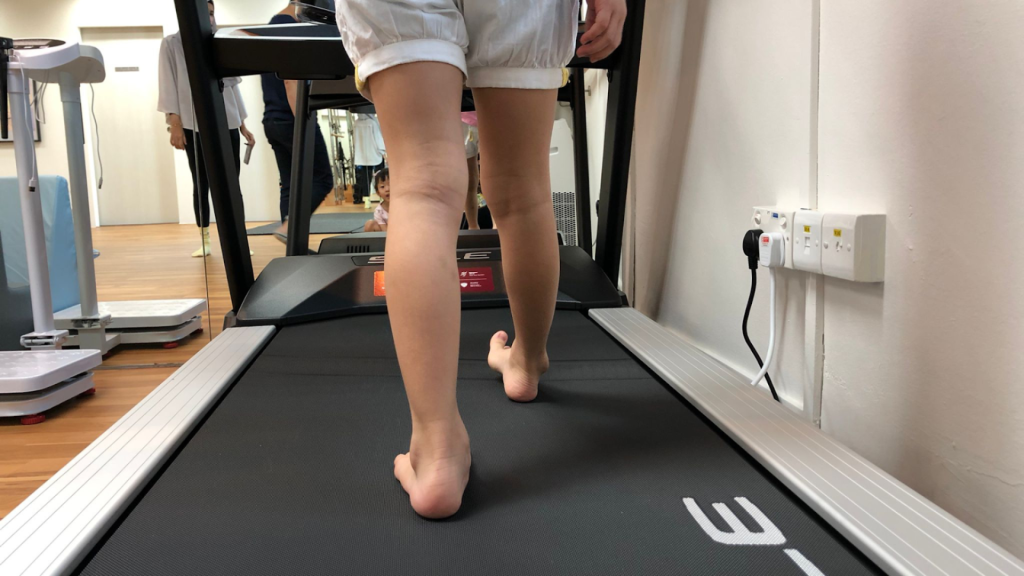
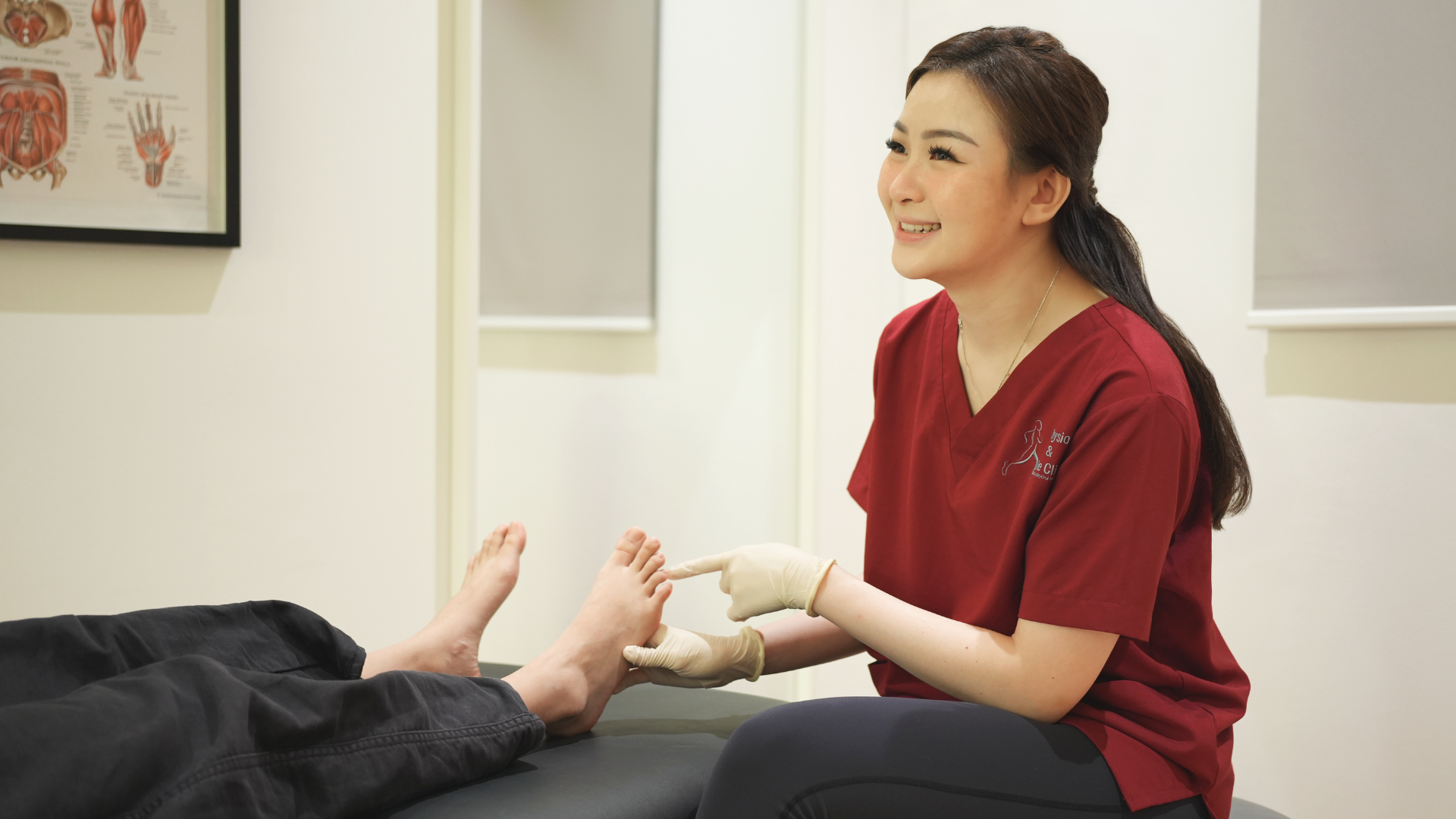
A gait assessment in Singapore podiatry clinics typically looks at how your feet and lower limbs function during walking or running.
In the clinic, we assess:
Foot posture at rest and during movement
How your arches behave through stance and push-off
Ankle, knee, and hip alignment
Step length, cadence, and stability
Pressure distribution under the foot
This allows us to identify early overload patterns, often before injury develops.
Can podiatry prevent foot problems before pain starts?
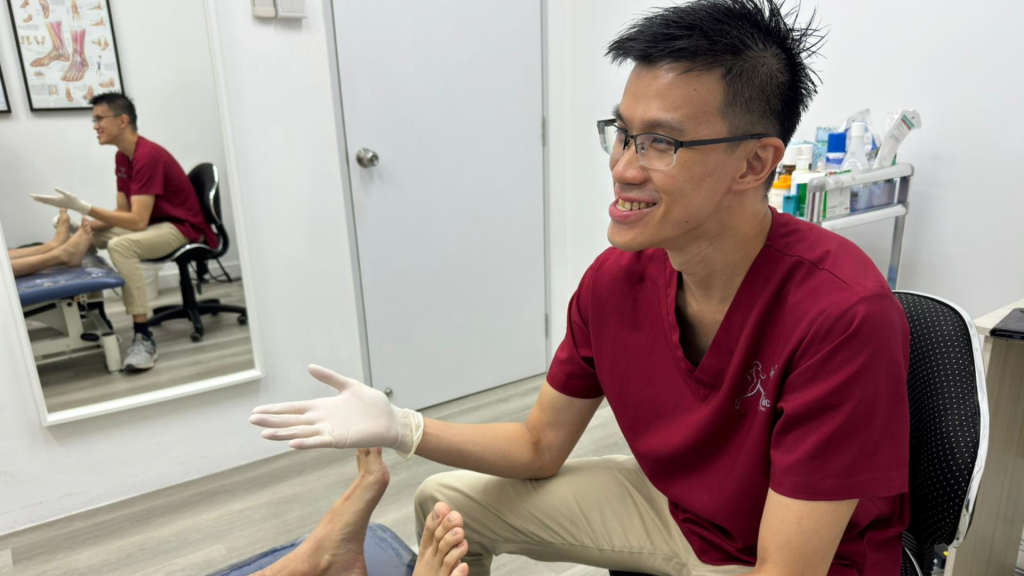
Absolutely, and this is one of the most underused aspects of podiatry in Singapore.
Preventive podiatry may involve:
Footwear guidance tailored to your work and lifestyle
Targeted strengthening or mobility exercises
Early offloading strategies for high-pressure areas
Custom or semi-custom orthoses only when appropriate
The goal isn’t to “fix” your feet, but to support them before overload becomes an injury.
When should I see a podiatrist for foot discomfort?
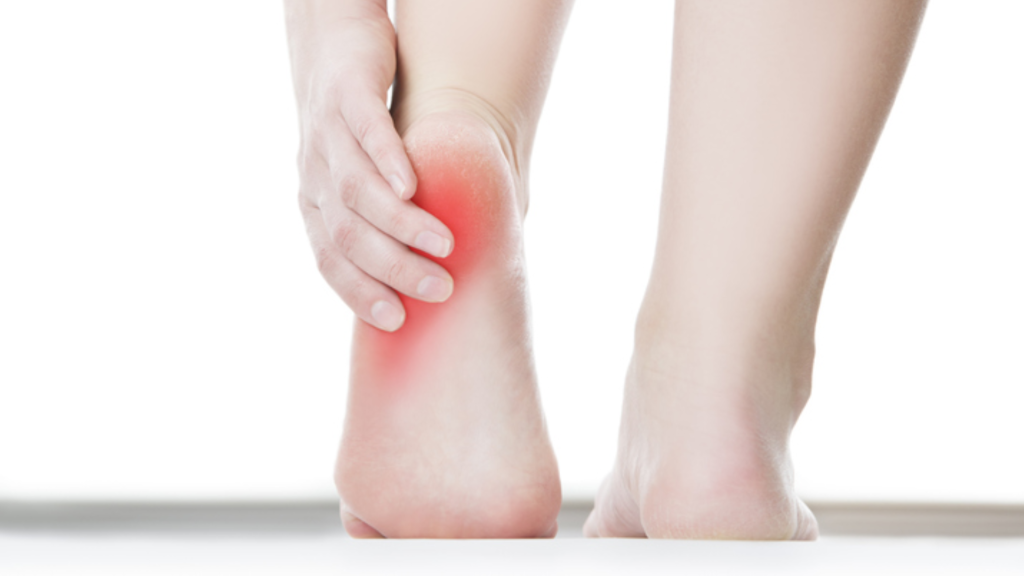
Consider seeing a podiatrist in Singapore if:
Pain lasts more than 1–2 weeks despite rest or shoe changes
Discomfort keeps returning with the same activities
You notice changes in how you walk
You’re increasing activity (new job, training, travel)
You have diabetes or circulation issues
Early assessment often means simpler, more conservative care.
Practical Tips You Can Start Today
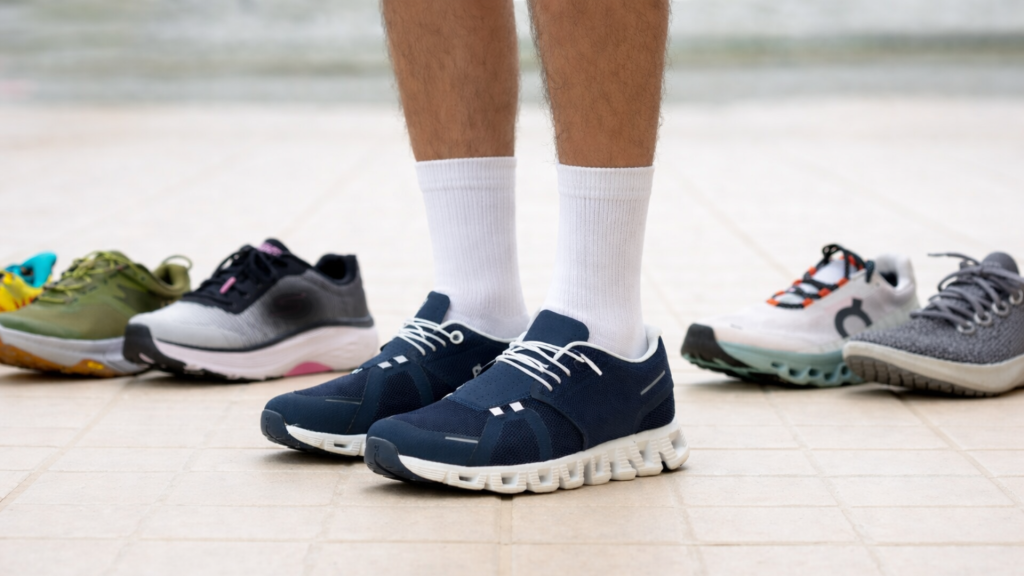
Before your next appointment, consider:
Rotating between at least two different shoe types
Checking toe box width, not just shoe length
Replacing shoes once support breaks down (not when holes appear)
Paying attention to where shoes wear out first
These small habits can reduce cumulative strain.
Foot Health Isn’t About Finding the “Perfect” Shoe
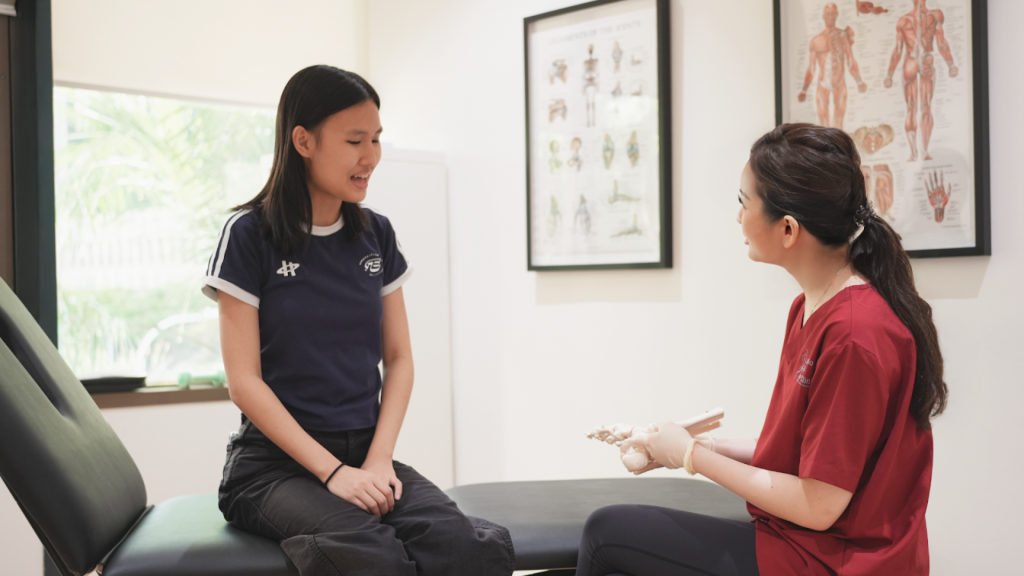
In the clinic, I often remind patients that feet aren’t fragile, but they are responsive. Over time, your footwear choices influence how your feet adapt, distribute load, and age. When these changes are understood early, discomfort doesn’t have to turn into a long-term limitation.
If you’ve been wondering whether your shoes, or the way you walk, might be contributing to foot discomfort, a professional gait and footwear assessment can provide clarity and reassurance. The goal isn’t to label something as “wrong,” but to understand how your feet are working and whether small adjustments can make daily movement more comfortable.
At our clinic, we focus on how you move, not just where it hurts. If you’re unsure whether podiatry is right for you, an assessment can help you make an informed decision, without pressure. The same principle applies to children’s foot development. Booking an early assessment for flat feet in children at Physio & Sole Clinic allows us to provide personalised, evidence-based advice tailored to your child’s needs, so you can feel confident about supporting their foot health as they grow.
Looking after your feet is one of the simplest ways to stay active, comfortable, and confident in the long run.
Ready to feel better?
Book a consultation with our podiatry team to get an assessment tailored to you.