Skip to content




Written by
Felicia Cher
Senior Musculoskeletal Physiotherapist at Physio & Sole Clinic
A physiotherapist with a unique background in dance and STOTT Pilates, she brings a strong movement-based approach to musculoskeletal, orthopaedic and neurological rehabilitation. She is passionate about helping patients regain function and return to the activities they love.
As a senior musculoskeletal physiotherapist, one of the most common things I hear from older adults in Singapore is this:
“I know something isn’t right, but I’m not sure if it’s serious enough to see a physio.”
Joint pain, stiffness, and slower movement often creep in gradually. Many seniors learn to live with discomfort, walking less, avoiding stairs, or relying on painkillers just to get through daily routines.
However, pain and loss of movement are not inevitable parts of aging.
In this article, I’ll explain what musculoskeletal physiotherapy is, the conditions it treats, how it differs from general physiotherapy, and how it helps seniors move with greater comfort, confidence, and independence.
The Pain and Stiffness That Slowly Limits Daily Life

As we age, our muscles and joints naturally changes:
- Muscles lose strength if not regularly used
- Joints become stiffer with reduced movement
- Balance and coordination may decline
At first, these changes may feel minor, a sore knee here, a stiff back there. Over time, however, they can affect how safely and confidently you move.
Why this matters for seniors
When pain or stiffness is left unaddressed:
- Walking becomes slower and more tiring
- Fear of falling increases
- Daily activities like standing up, climbing stairs, or going out feel harder
- Independence gradually declines
This is where musculoskeletal physiotherapy plays an important role.
What Is Musculoskeletal Physiotherapy?
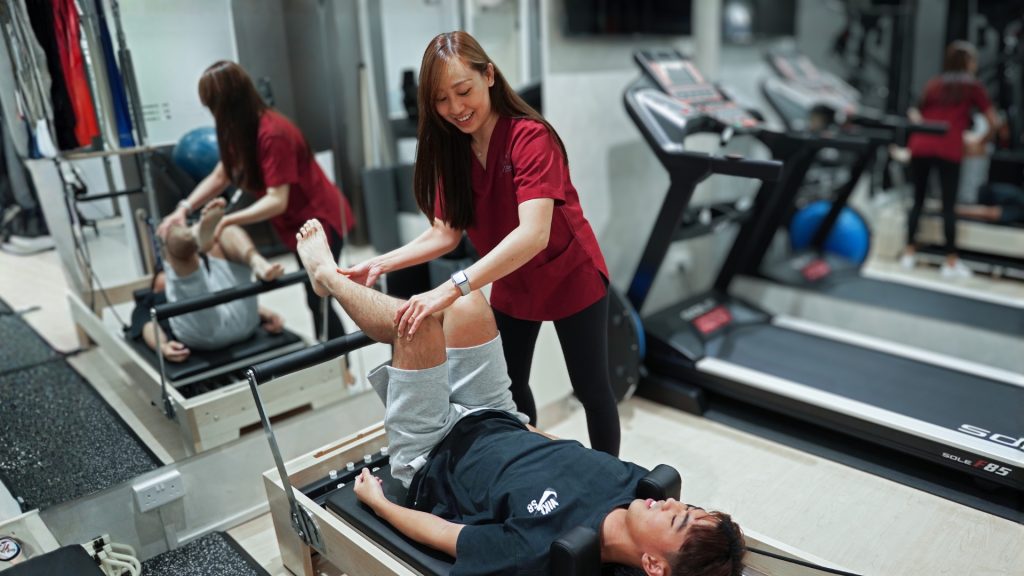
Musculoskeletal physiotherapy focuses on conditions affecting:
- Muscles
- Joints
- Bones
- Tendons
- Ligaments
- Neural tissues
Unlike general exercise or massage, musculoskeletal physiotherapy is about understanding how your body moves as a whole, identifying the source of pain or limitation, and addressing it with targeted treatment.
For seniors, this is especially important because pain is often influenced by:
- Age-related joint changes
- Muscle weakness
- Reduced balance
- Long-standing movement habits
Musculoskeletal physiotherapy helps restore function and not just relieve symptoms.
What Does a Musculoskeletal Physiotherapist Do?
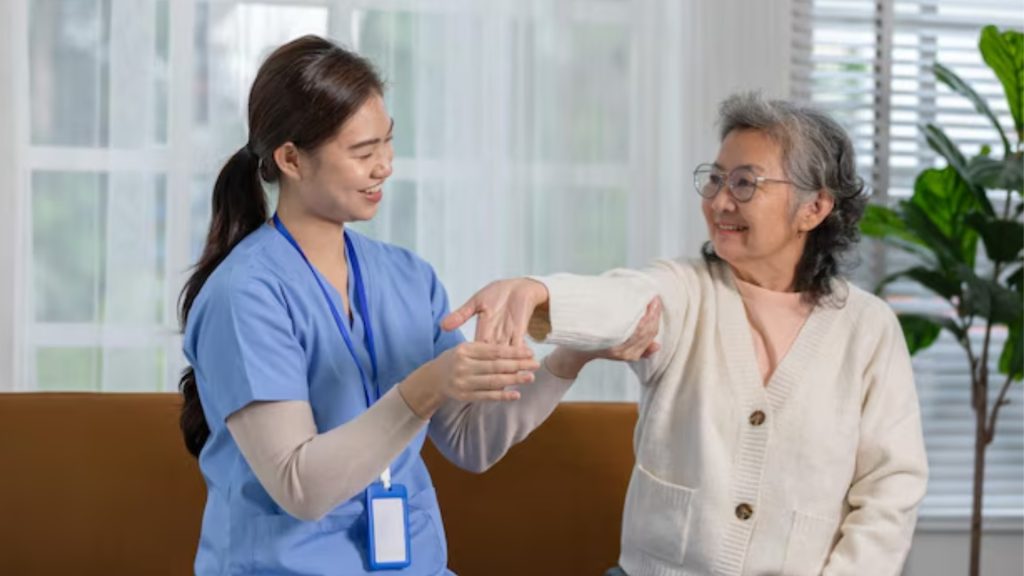
A common misconception is that physiotherapy is simply about exercises.
In reality, as a musculoskeletal physiotherapist, my role involves:
- Conducting a thorough assessment of your joints, muscles, and movement
- Understanding how pain affects your daily activities
- Identifying weakness, stiffness, or poor movement patterns
- Designing a personalised treatment plan
Treatment may include:
- Hands-on therapy to improve joint and soft tissue mobility
- Targeted strengthening and flexibility exercises
- Balance and gait training
- Education on posture, activity pacing, and daily movement strategies
The aim is to help you move more easily and confidently in everyday life.
Physiotherapist vs Musculoskeletal Physiotherapist: What’s the Difference?
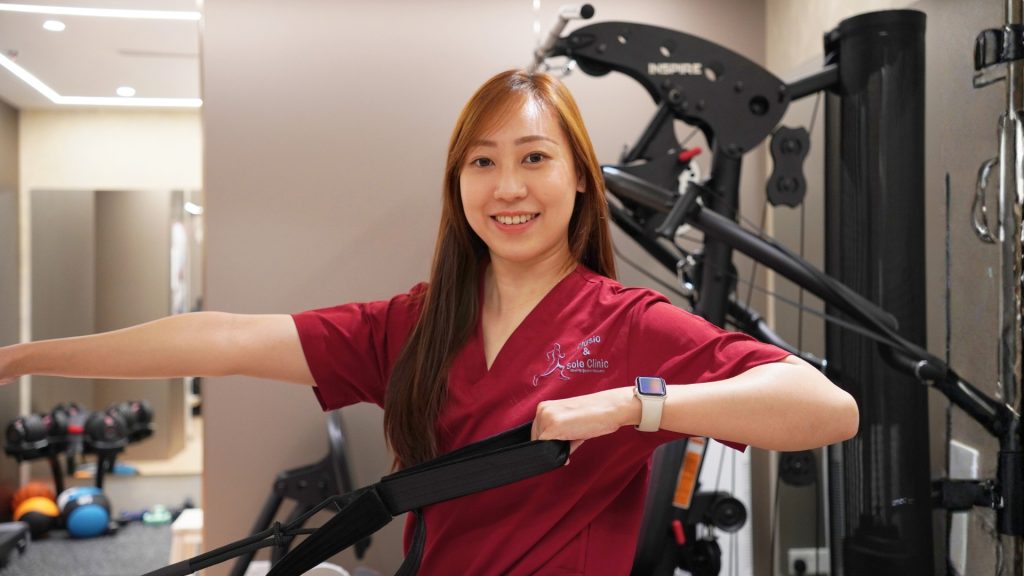
This is one of the most common questions seniors ask.
All musculoskeletal physiotherapists are trained physiotherapists, but not all physiotherapists specialise in musculoskeletal care.
Here’s a simple comparison:
| General Physiotherapist | Musculoskeletal Physiotherapist |
| Treats a broad range of conditions | Specialises in muscle, joint, and movement disorders |
| May work across different rehab areas | Focuses deeply on orthopaedic and age-related conditions |
| Often manages acute issues | Manages both acute and chronic musculoskeletal pain |
| Broad treatment approach | Advanced assessment and targeted treatment strategies |
For seniors with ongoing joint pain, stiffness, or mobility issues, a musculoskeletal physiotherapist provides more focused and condition-specific care.
What Conditions Does Musculoskeletal Physiotherapy Treat?

Musculoskeletal physiotherapy treats a wide range of conditions commonly seen in older adults.
Common musculoskeletal conditions in seniors include:
- Osteoarthritis (knees, hips, spine)
- Chronic low back pain
- Neck and shoulder stiffness
- Rotator cuff and shoulder tendon problems
- Degenerative spinal conditions
- Sciatic-type nerve pain
- Postural-related aches
- Muscle weakness affecting balance
- Tendon degeneration
- Movement difficulties after falls
Many seniors assume these conditions cannot improve, but with the right physiotherapy approach, meaningful progress is often possible.
How Musculoskeletal Physiotherapy Helps Seniors

Musculoskeletal physiotherapy is not about pushing through pain.
Instead, it focuses on:
- Improving joint movement
- Restoring muscle strength
- Enhancing balance and coordination
- Reducing fear of movement
For seniors, this often translates to:
- Walking longer distances with less discomfort
- Standing up and sitting down more easily
- Feeling steadier on uneven surfaces
- Relying less on pain medication
Progress is gradual and tailored, but it is achievable at any age.
Is Musculoskeletal Physiotherapy Safe for Older Adults?

Yes, when done appropriately.
As a senior clinician, I always consider:
- Age-related joint changes
- Bone health concerns, such as osteoporosis
- Existing medical conditions
- Individual comfort and tolerance
Treatment is adjusted to your abilities and progressed safely. The goal is to build capacity, not strain the body.
When Should Seniors See a Musculoskeletal Physiotherapist in Singapore?

You should consider seeing a musculoskeletal physiotherapist if:
- Pain lasts more than two to three weeks
- Stiffness limits daily activities
- Walking feels unsteady or tiring
- You’ve had a fall or near-fall
- Painkillers are becoming a regular habit
In Singapore, physiotherapy services are available through:
- Private physiotherapy clinics (no referral required)
- Polyclinics and restructured hospitals under clusters such as SingHealth (usually with a referral)
Early assessment can prevent further decline and reduce long-term discomfort.
A Common Question I Hear: “Is It Too Late for Me?”
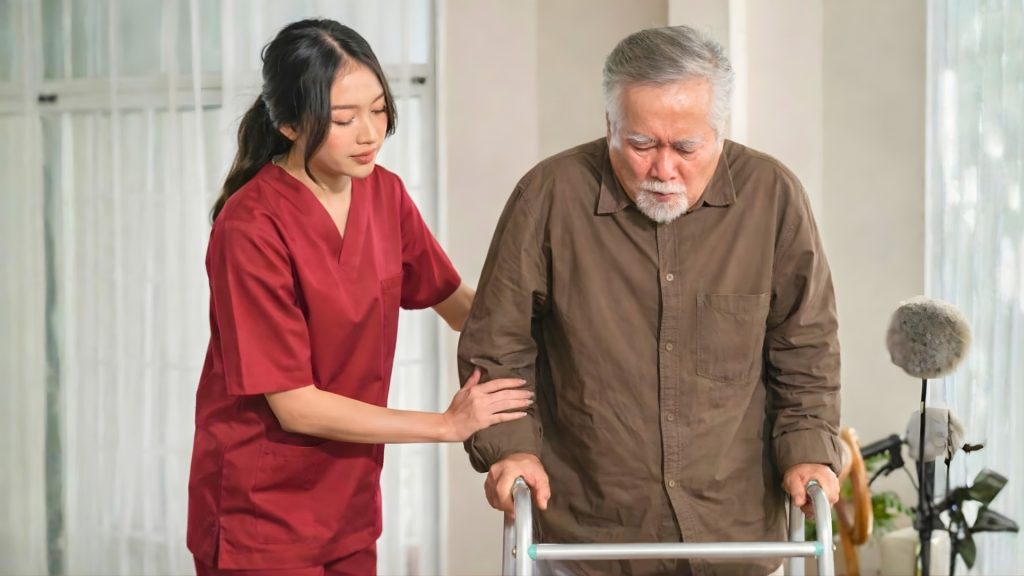
This is something many seniors worry about.
The honest answer is no.
I’ve worked with older adults in their 70s and 80s who have:
- Regained confidence walking outdoors
- Reduced long-standing knee or back pain
- Returned to activities they had stopped doing
The body can adapt at any age, with the right guidance and support.
How Musculoskeletal Physiotherapy Supports Independence

Maintaining independence is often the biggest concern for seniors.
Musculoskeletal physiotherapy supports this by:
- Improving strength and balance
- Reducing fall risk
- Keeping joints mobile
- Helping you stay active safely
It’s not about perfection, it’s about helping you continue doing the things that matter to you.
Knowing When to Seek Help

Pain, stiffness, and movement difficulties should not be dismissed as “just ageing.”
If something doesn’t feel right, it’s worth getting assessed.
Your Next Step Starts Here
Understanding your body is the first step to feeling better. A musculoskeletal assessment can uncover the root cause and the right way forward.
At Physio & Sole Clinic, we take time to listen, assess thoroughly, and support you every step of the way.
Book your appointment today and take the first step towards moving better and feeling better.