Skip to content




Written by
Felicia Cher
Senior Musculoskeletal Physiotherapist at Physio & Sole Clinic
A physiotherapist with a unique background in dance and STOTT Pilates, she brings a strong movement-based approach to musculoskeletal, orthopaedic and neurological rehabilitation. She is passionate about helping patients regain function and return to the activities they love.
If you’re dealing with jaw pain in Singapore, you’ve probably tried something already.
- Painkillers.
- A mouth guard.
- Avoiding hard food.
Maybe it helped for a while. But then the pain returned.
As a physiotherapist, this is something I see often. Patients don’t just come in for jaw pain. They come in for neck stiffness, headaches, or upper back tension, and then casually mention:
“Oh, by the way, my jaw also hurts sometimes.”
That’s usually the missing piece.
Let’s talk about why your jaw pain keeps coming back, and what actually fixes it.
Why Does My Jaw Pain Keep Coming Back?

Most recurring temporomandibular joint pain isn’t just a joint problem.
The temporomandibular joint (TMJ) is influenced by:
- Neck posture
- Muscle tension
- Stress and clenching habits
- Sleep position
- Gym bracing patterns
If only the joint is treated, but the surrounding system isn’t addressed, the pain often returns.
In Singapore’s fast-paced, desk-bound lifestyle, this pattern is especially common.
It’s Rarely Just a Jaw Issue

Your jaw doesn’t function in isolation.
It shares muscular and neurological connections with your neck and upper back. That’s why many patients with jaw pain also experience:
- Tension headaches
- Neck stiffness
- Shoulder tightness
- Ear fullness or pressure
- Jaw clicking pain
Forward head posture, common in desk workers, increases the load on the jaw muscles. When your head sits forward, your jaw has to work harder just to stay aligned.
If you’ve ever been told you have “tight neck muscles,” there’s a good chance your jaw is involved too.
Can Neck Problems Cause Jaw Pain?

Yes, very commonly.
The upper cervical spine (top of the neck) shares nerve pathways with the jaw. When those segments are stiff or irritated, the brain can interpret pain in the jaw region.
In the clinic, I often assess:
- Upper cervical mobility
- Muscle tension in the SCM and suboccipitals
- Deep neck flexor control
- Postural endurance
If these are not addressed, jaw pain tends to cycle back.
Is Jaw Pain Caused by Stress?

In many working adults, yes.
Singapore’s work culture often means:
- Long screen hours
- High-performance pressure
- Unconscious daytime clenching
Many patients don’t realise they clench until I ask them to relax their jaw, and they can’t.
Chronic low-grade clenching overloads the jaw muscles. Over time, this contributes to inflammation and temporomandibular joint pain.
Night grinding (bruxism) can worsen this.
A mouth guard protects your teeth, but it doesn’t retrain the muscles.
Why Does My Jaw Click But Not Hurt?

Jaw clicking without pain is common.
Clicking usually indicates a minor disc movement inside the joint. If there’s no pain or locking, it may not require aggressive treatment.
However, if clicking is accompanied by:
- Pain
- Locking or catching
- Difficulty opening
- Recurring headaches
That’s when assessment is important.
Clicking is often a sign of altered mechanics. Ignoring it doesn’t always mean it goes away.
Can TMJ Heal on Its Own?
Mild flare-ups may settle on their own. However, persistent or recurring jaw pain usually requires targeted treatment, especially if symptoms last more than a few weeks or continue to return. Long-term improvement is unlikely without addressing contributing factors such as posture, muscle imbalance, and stress-related clenching.
Should I See a Dentist or Physiotherapist for TMJ?
Both professionals play important roles, but for different reasons.
See a dentist if:
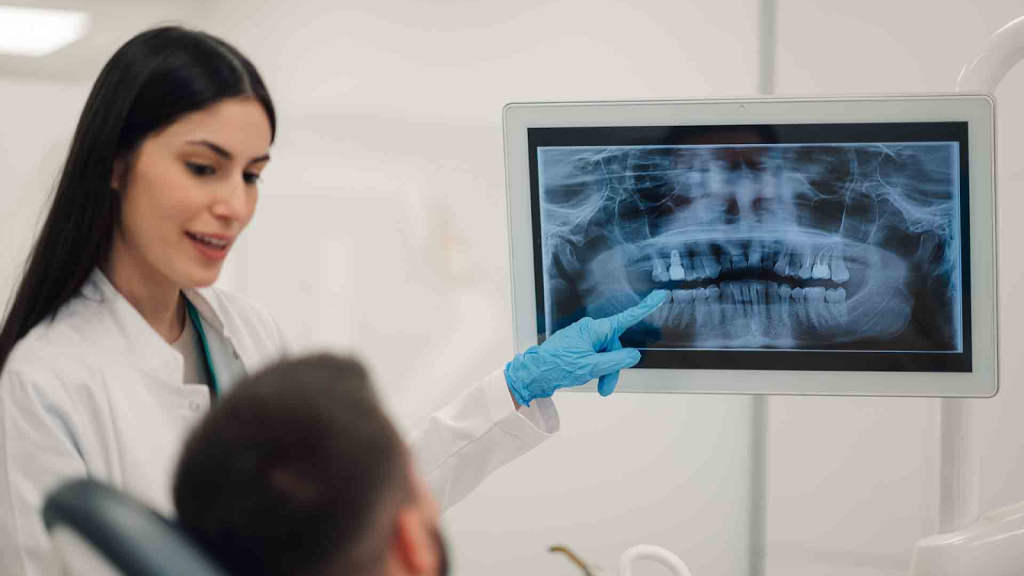
- You suspect tooth damage
- There is significant grinding
- Bite alignment issues are suspected
See a physiotherapist if:
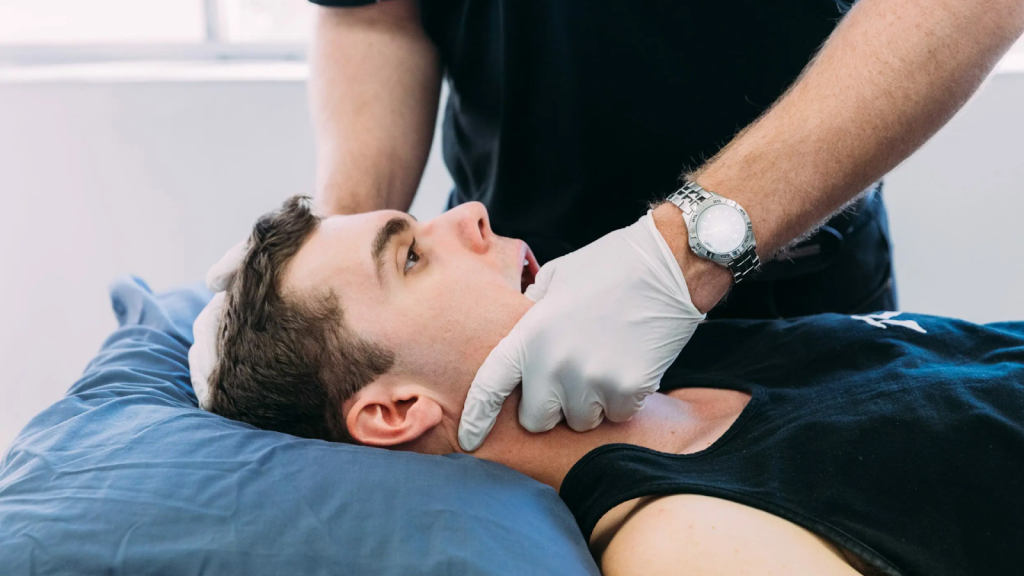
- Pain worsens with movement
- You have associated neck pain
- Jaw pain keeps returning despite dental treatment
- You experience muscular tightness or headaches
If your symptoms are movement-related and musculoskeletal in nature, physiotherapy is often more appropriate.
At Physio & Sole, we assess the jaw as part of the whole upper body system, not just the joint.
What Actually Fixes Recurring Jaw Pain?
Effective treatment requires a comprehensive approach.
1. Joint & Muscle Assessment

We evaluate:
- Jaw opening mechanics
- Muscle tension patterns
- Neck mobility
- Postural alignment
2. Manual Therapy
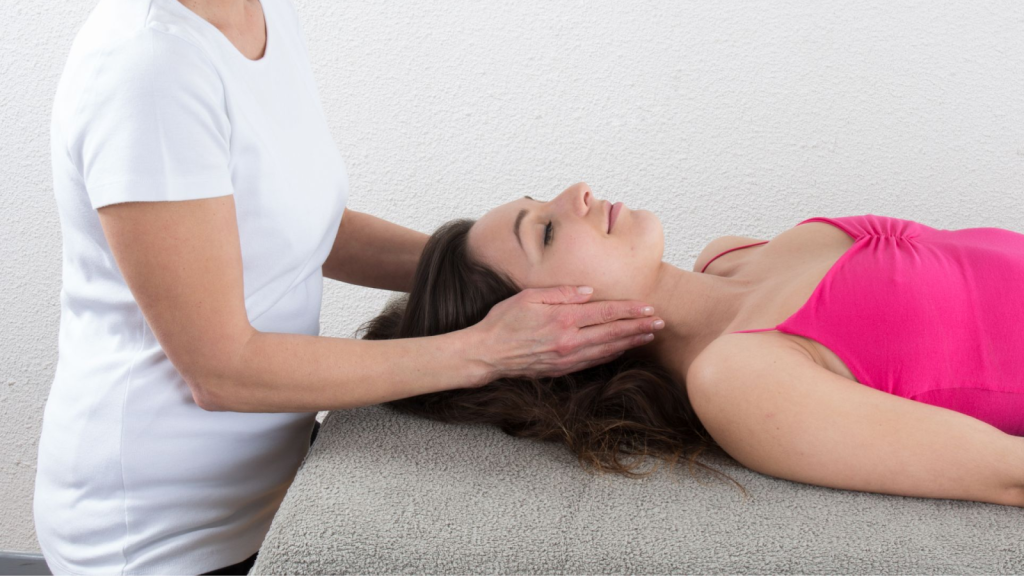
Hands-on techniques help:
- Improve joint mobility
- Reduce muscle tightness
- Restore normal movement patterns
This often provides immediate symptom relief.
3. Dry Needling

For persistent muscular tension, dry needling can:
- Reduce trigger points
- Improve muscle relaxation
- Decrease referred pain
It’s particularly effective for deep jaw and neck muscles that are difficult to stretch.
4. Exercise & Postural Retraining
Long-term change requires retraining.
We prescribe:
- Deep neck stabilisation exercises
- Jaw control exercises
- Postural endurance drills
- Controlled breathing strategies
These reduce recurrence by addressing root causes.
How Long Does TMJ Take to Heal?
It depends on severity and duration.
For mild cases:
- 2–4 weeks of guided rehab may be sufficient.
For chronic cases:
- 6–8 weeks or longer may be required.
The earlier the intervention begins, the faster the recovery tends to be.
Common Misconceptions About Jaw Pain
“It’s just stress.”
Stress contributes, but muscle and joint mechanics matter.
“If the clicking doesn’t hurt, it’s fine.”
Not always. Mechanics still need monitoring.
“Painkillers mean it’s healed.”
They reduce inflammation, but they don’t correct movement.
When Should You Seek Professional Care?
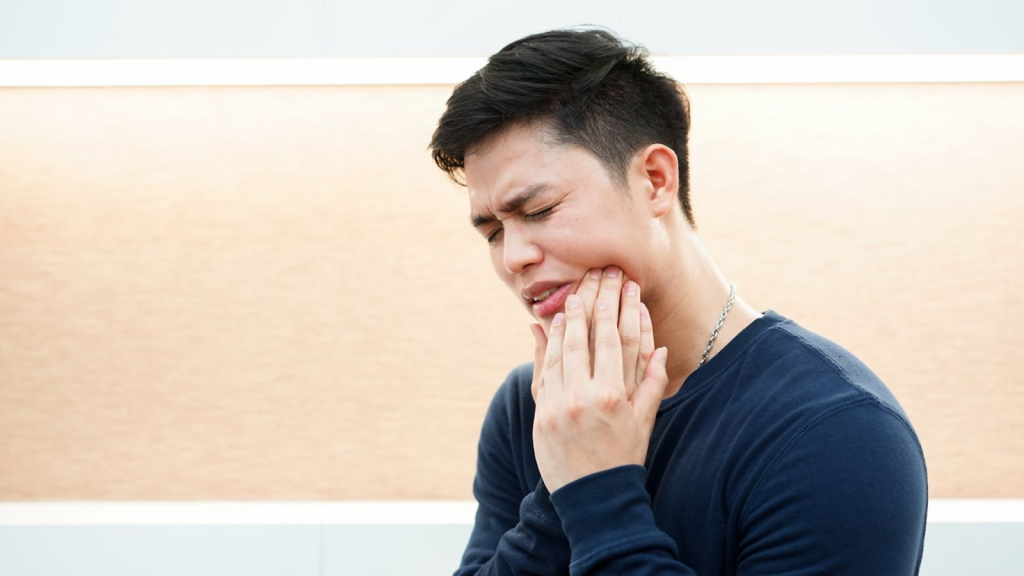
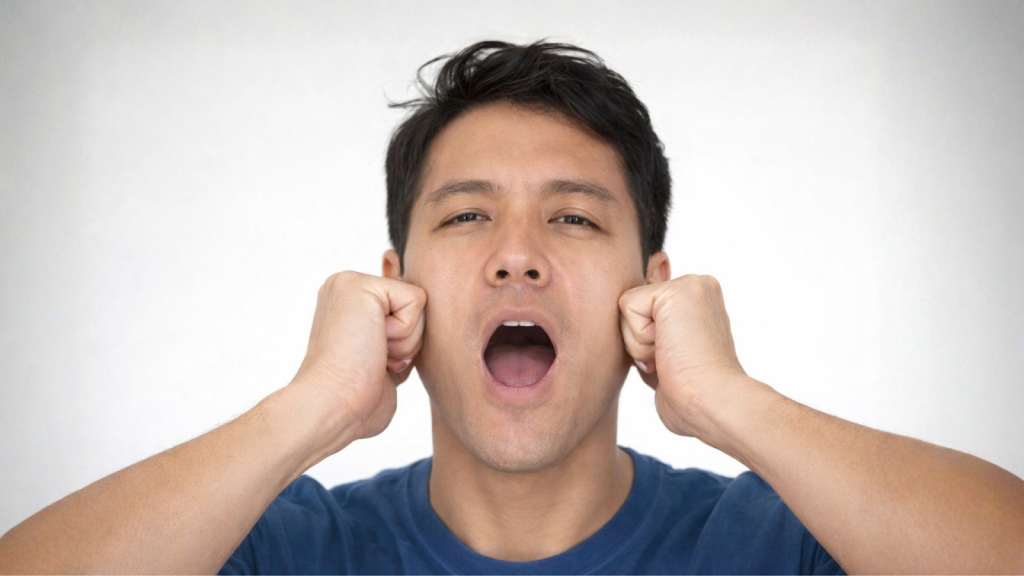
Alt text: Asian man holding his jaw in pain, showing symptoms of temporomandibular joint discomfort.
Consider assessment if you have:
- Jaw pain lasting more than 2–3 weeks
- Recurring episodes
- Locking or restricted opening
- Jaw pain with neck stiffness
- Headaches linked to chewing or clenching
Early treatment reduces the risk of chronic dysfunction.
Jaw pain can be frustrating, especially when it keeps returning.
In many cases, it is not simply a joint problem. It is a system issue involving posture, muscle tension, and movement control.
If your jaw pain persists despite medication or dental treatment, it may be time to assess the neck, posture, and muscular system, not just the joint.
At Physio & Sole, we evaluate jaw pain as part of the full musculoskeletal system to help you move, work, and live comfortably again.
If you are experiencing persistent jaw pain in Singapore, book an appointment today and have it properly assessed before it develops into a long-term issue.