Skip to content



Written by
Kwok Siew Keong (SK)
Principal Podiatrist at Physio & Sole Clinic
A highly experienced podiatrist with 8 years at Singapore General Hospital, he specialises in musculoskeletal care, advanced wound management and post-operative foot and ankle rehabilitation. An award-winning clinician, he is known for his clinical excellence and heartfelt patient care.
If you’ve ever had an ingrown toenail, you’ll know this pain doesn’t stay “minor” for long.
What often starts as a small sore corner of the nail that can quietly worsen, until walking becomes uncomfortable, shoes feel unbearable, or exercise grinds to a halt.
As a podiatrist practising in Singapore, I see ingrown toenails every week in people who are otherwise active, healthy, and busy. Many wish they had addressed it earlier.
This guide to ingrown toenail management is written to help you understand what’s happening, what your options are, and when professional care makes sense, without fear-mongering or unnecessary medical jargon.
Why Ingrown Toenails Are Common in Active Adults

An ingrown toenail occurs when the edge of the nail presses into the surrounding skin instead of growing straight out. The big toe is most commonly affected.
In active adults, this usually isn’t caused by one single factor, but a combination of:
- Tight or narrow footwear
- Repetitive impact from running or sports
- Long hours standing or walking at work
- Excessive sweating in Singapore’s humid climate
- Improper nail trimming (cutting too short or rounded)
- Naturally curved or thick nails
Initially, the symptoms may be mild, characterised by tenderness or redness. Many people try to “push through” it, especially if they’re training or busy.
What Happens When Ingrown Toenails Are Ignored
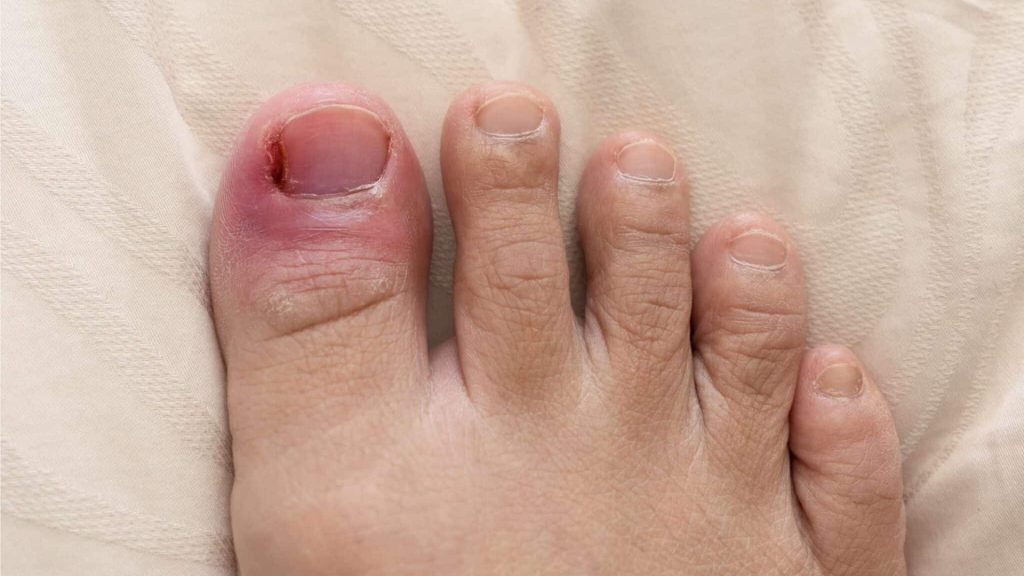
This is where problems tend to escalate.
When the nail continues pressing into the skin:
- Swelling increases
- The skin becomes more vulnerable to infection
- Pain worsens with walking or exercise
- Simple home fixes stop working
Many patients come to me only after weeks or even months of recurring pain, once infection, bleeding, or sharp discomfort with every step has set in. At that stage, treatment remains effective, but it’s often more complex than it needs to be.
What Does a Stage 1 Ingrown Toenail Look Like?
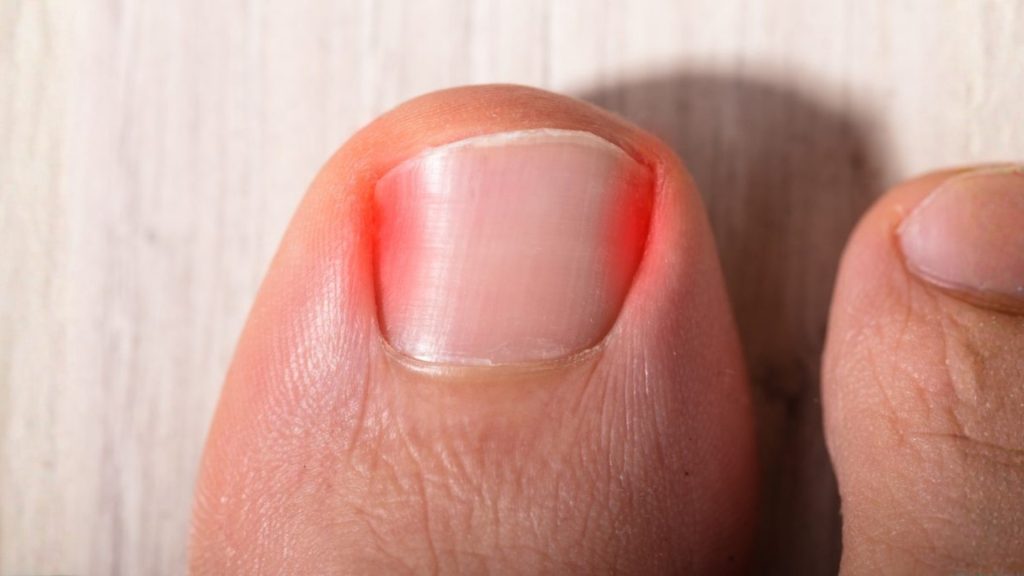
One of the most common questions patients ask is whether their ingrown toenail is “bad enough” to worry about.
Stage 1 (Mild) Ingrown Toenail
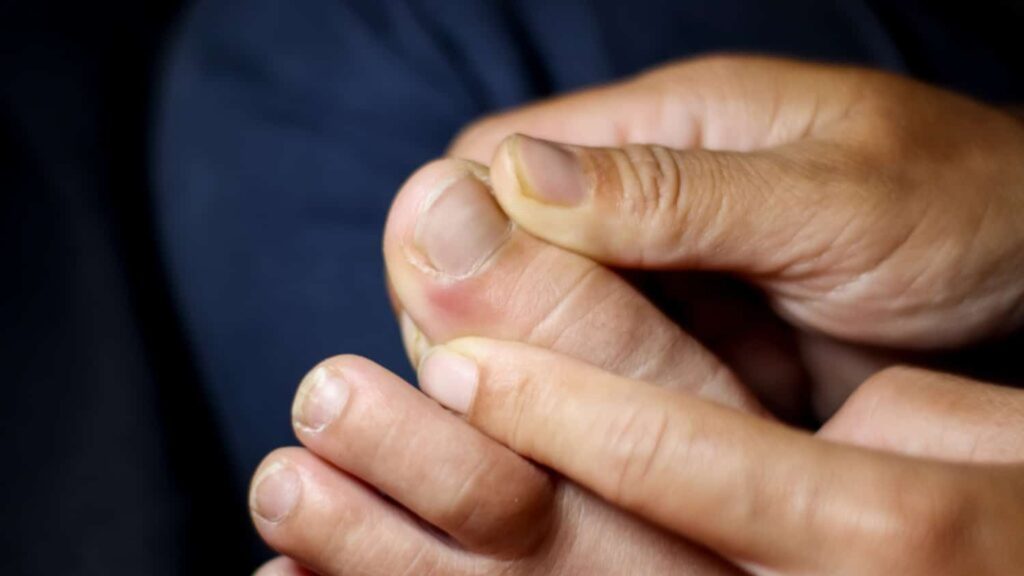
- Redness along one side of the nail
- Mild swelling
- Tenderness when pressed
- No pus or discharge
At this stage, early ingrown toenail management is usually straightforward and responds well to conservative care.
Will an Ingrown Toenail Heal on Its Own?
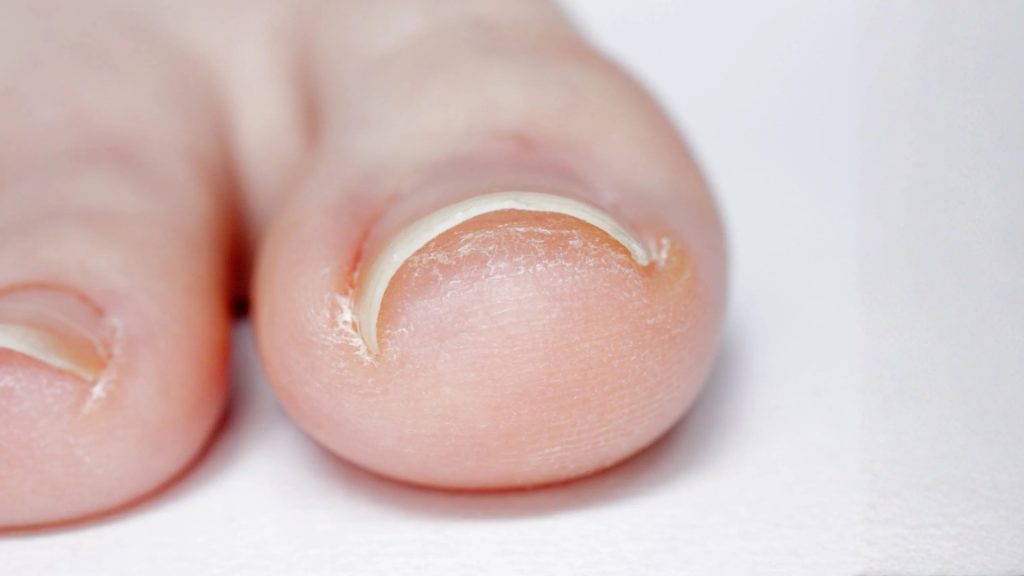
This is an important and honest question.
Mild cases can sometimes settle temporarily if pressure is reduced and activity is modified. However, in active adults, I often see a pattern like this:
- Pain improves slightly
- Activity resumes
- Symptoms return, often worse than before
Without addressing the nail edge or contributing factors, ingrown toenails commonly recur. That’s why early assessment can prevent repeated flare-ups.
What Is a Stage 4 Ingrown Toenail?
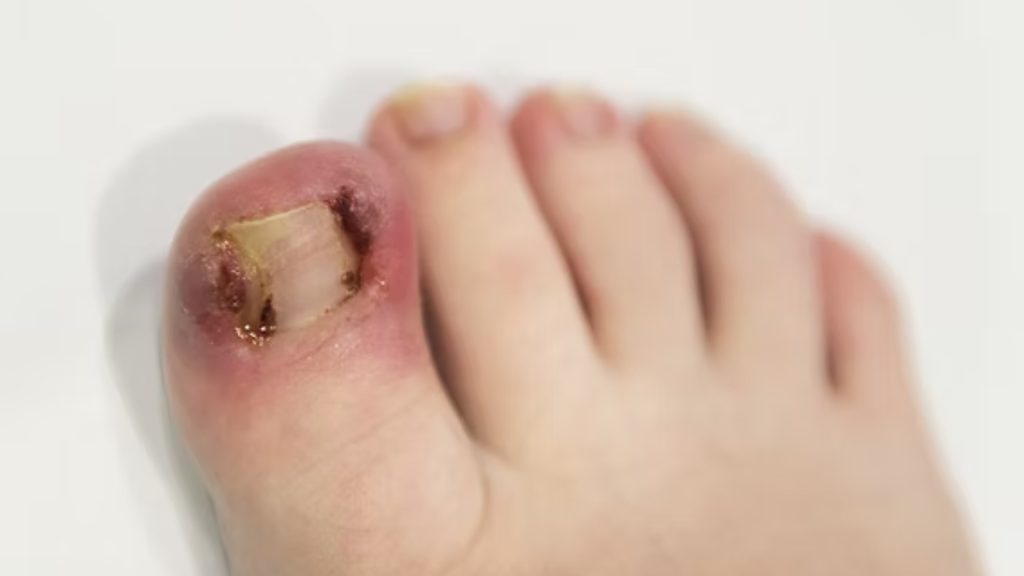
When people refer to a “stage 4” ingrown toenail, they’re usually describing a severe or chronic case.
Severe Ingrown Toenail
- Significant swelling and redness
- Persistent infection or pus
- Overgrown inflamed tissue
- Pain even at rest
- Recurrent episodes despite home care
At this stage, conservative measures alone are unlikely to resolve the issue fully.
What Is the Best Treatment for an Ingrown Toenail?
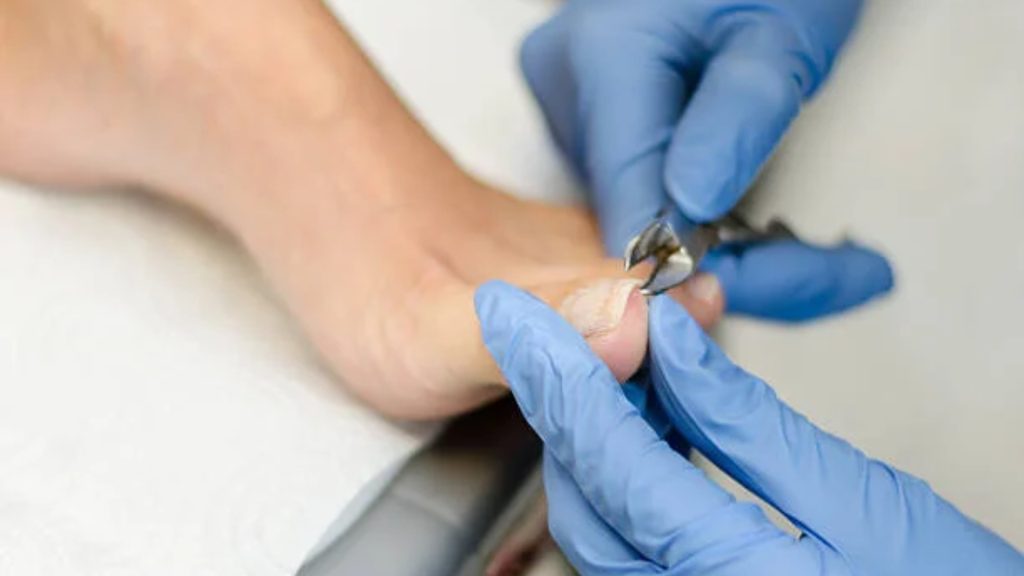
There isn’t a single “best” treatment for everyone. The right approach depends on severity, recurrence, and lifestyle needs.
1. Conservative Ingrown Toenail Management
Best suited for early or mild cases.
This may include:
- Proper nail trimming techniques
- Reducing pressure from footwear
- Careful nail edge reduction
- Protective techniques such as cotton packing
- Managing moisture and skin irritation
For active adults, we also look closely at activity modification, not complete rest.
2. Nail Bracing (Non-Surgical Option)
For curved nails or recurrent early-stage ingrown toenails, nail bracing systems may help.
These flexible braces:
- Gently guide the nail to grow straighter over time
- Reduce pressure on the surrounding skin
- Lower recurrence risk without cutting the nail
This option is especially useful for patients who want to avoid surgery where possible.
3. Procedural Treatment (When Needed)
If pain, infection, or recurrence persists, a minor in-clinic procedure may be recommended.
This typically involves:
- Removing the problematic nail edge
- Managing infection if present
- Applying a chemical treatment where appropriate to reduce regrowth
When done properly, recurrence rates are low, and recovery is predictable.
How Can Our Podiatrists Help?
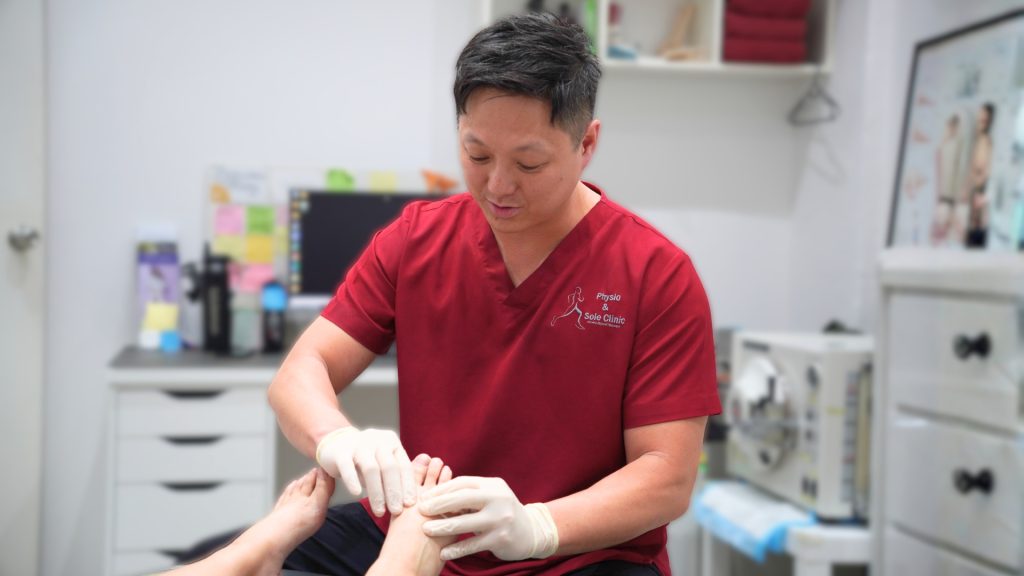
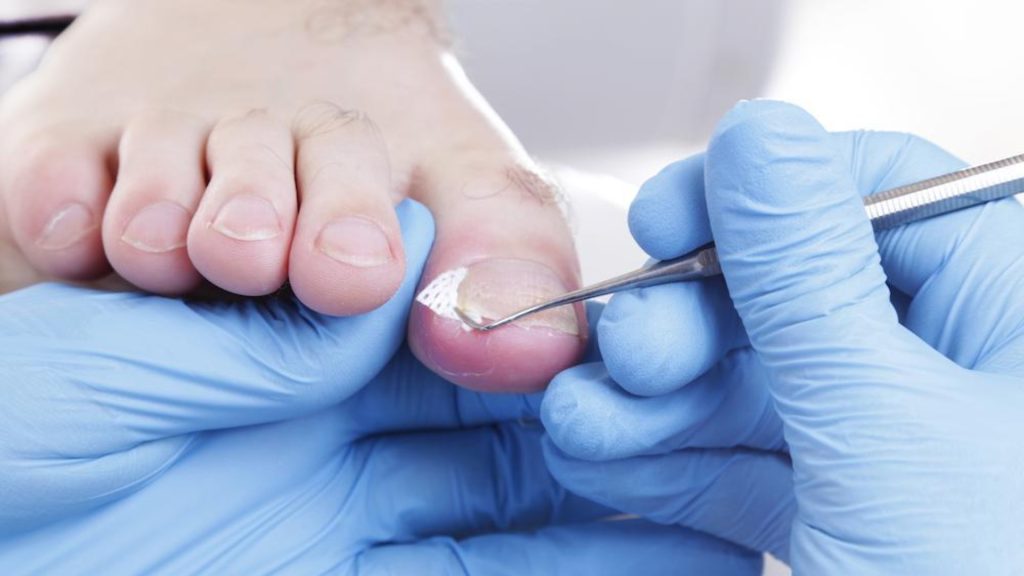
At Physio & Sole Clinic, our podiatrists take a personalised, evidence-based approach to ingrown toenail management. The focus is not just on immediate pain relief, but also on preventing recurrence, especially for active adults.
Our podiatric care may include:
- Conservative management
Safe nail trimming, nail edge reduction, filing, and protective techniques such as cotton packing for early cases. - Nail bracing with Onyfix®
A flexible bracing system that helps straighten curved nails and reduce pressure on the surrounding skin, without surgery. - Ingrown toenail surgery (when necessary)
For recurrent or infected cases, we may recommend a controlled in-clinic procedure to remove the affected nail portion and reduce regrowth risk.
Throughout treatment, we monitor nail growth, provide clear aftercare guidance, and advise on footwear and activity adjustments, particularly relevant in Singapore’s humid climate and active lifestyle.
Common Misconceptions
“Cutting it deeper will fix it.”
This often worsens inflammation and increases infection risk.
“Once it’s infected, surgery is the only option.”
Not always. Early infection can often be managed without surgery.
“Treatment means long downtime.”
Most patients return to normal footwear within days, not months.
When Should You See a Podiatrist in Singapore?
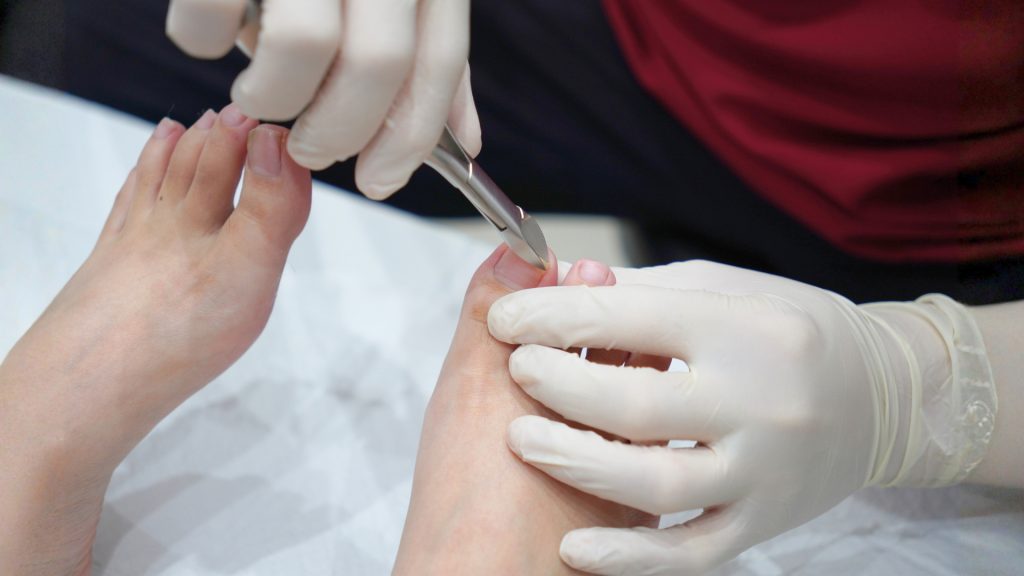
I generally recommend a professional assessment if:
- Pain lasts more than a few days
- There is swelling, pus, or bleeding
- Walking or exercise becomes painful
- The problem keeps recurring
- Home care hasn’t helped
Early assessment usually means simpler treatment and faster recovery.
A Simple Comparison of Treatment Options
| Severity | Typical Signs | Common Approach |
| Mild | Redness, tenderness | Conservative care |
| Moderate | Swelling, pain | Podiatric treatment |
| Severe | Infection, recurrence | Procedural care |
Address It Early, Manage It Properly
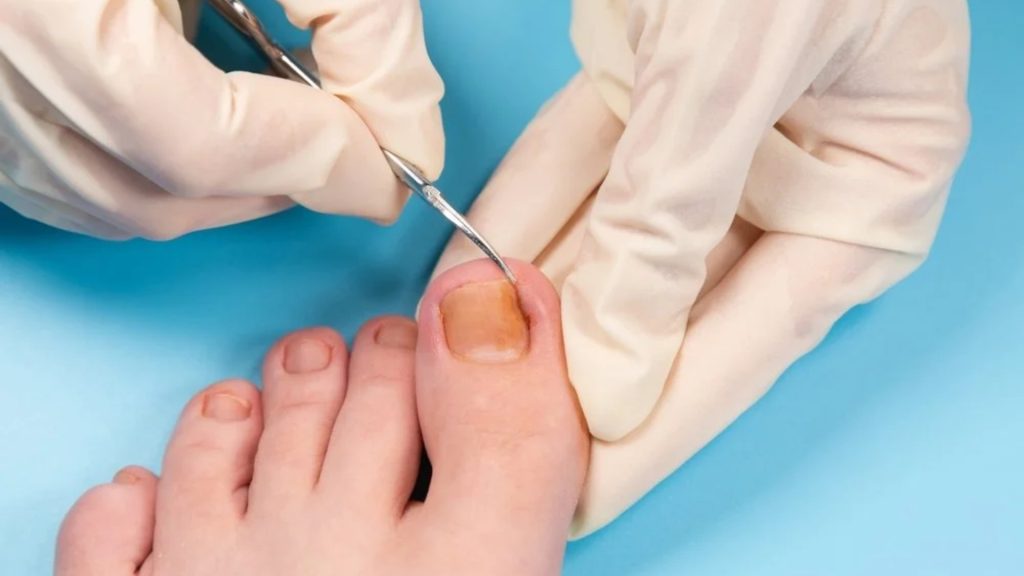
The goal of ingrown toenail management isn’t just short-term pain relief, it’s helping you stay active without repeated flare-ups.
In my experience, the best outcomes come from:
- Early recognition
- Individualised treatment
- Addressing footwear and activity factors
- Clear aftercare guidance
You don’t need to wait until it becomes severe.
A Friendly Next Step
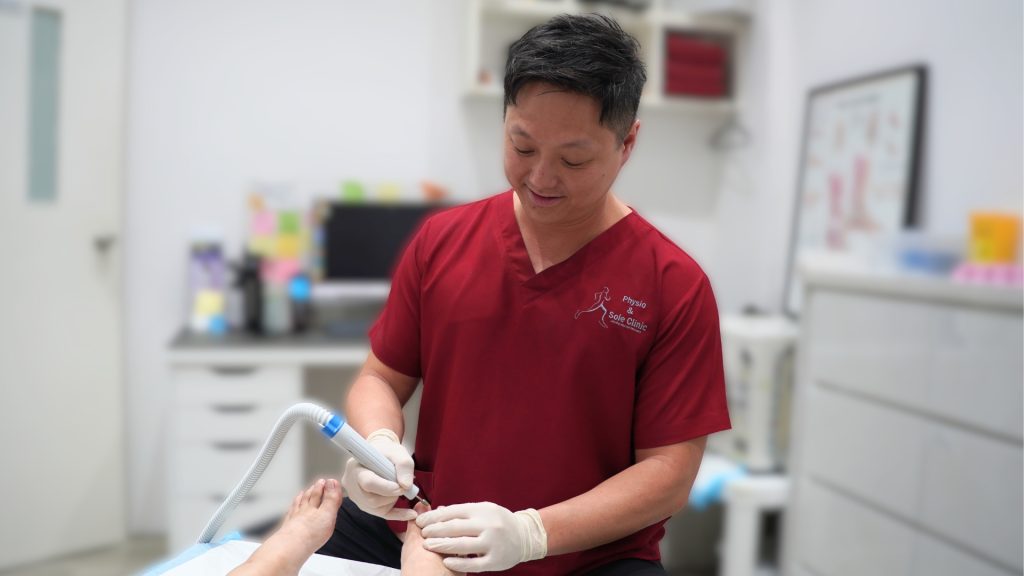
If you’re dealing with a sore or swollen toenail and wondering whether it’s worth getting checked, most of the time, it is.
A proper assessment can clarify:
- How severe the ingrown toenail is
- Whether conservative care is still appropriate
- What the safest, most efficient path forward looks like
So, book an appointment today at Physio & Sole Clinic for a professional assessment and personalised management plan. Early care often means faster relief and fewer complications, so you can get back to walking, training, and daily life comfortably.