Skip to content




Written by
Felicia Cher
Senior Musculoskeletal Physiotherapist at Physio & Sole Clinic
A physiotherapist with a unique background in dance and STOTT Pilates, she brings a strong movement-based approach to musculoskeletal, orthopaedic and neurological rehabilitation. She is passionate about helping patients regain function and return to the activities they love.
Lower back pain is one of the most common reasons active adults stop training, cut back on sports, or hesitate to move the way they used to. I see it every day in the clinic, runners, gym-goers, desk-bound professionals, parents, and weekend warriors who all ask the same question:
“What exercises should I actually be doing for my lower back?”
This guide is written to answer that clearly, honestly, and safely, without gimmicks, fear-mongering, or unrealistic promises.
The Problem: Lower Back Pain Is Common and Confusing

Lower back pain affects up to 80% of adults at some point in their lives. In Singapore, long hours of sitting, high training loads, and limited recovery time often make it worse.
Most people don’t lack motivation.
They lack clarity.
- Too many exercises online
- Conflicting advice (“rest” vs “strengthen”)
- Fear of making pain worse
- Uncertainty about whether they need physiotherapy
As a result, many active adults either:
- Do nothing and hope it settles, or
- Do random exercises that don’t match their condition
Both approaches can delay recovery.
Why Doing the Wrong Exercises Can Make Back Pain Worse

Here’s the part that’s often misunderstood:
Not all lower back pain responds to the same exercises.
Lower back pain can come from:
- Reduced movement tolerance
- Poor load management
- Muscle guarding
- Joint stiffness
- Weakness or poor coordination
- Repeated strain without recovery
When exercises don’t match the type of back pain someone has, people may experience:
- Temporary relief that doesn’t last
- Flare-ups after workouts
- Fear of movement
- Frustration that “physio didn’t work”
That’s why physiotherapy exercises for lower back pain aren’t about finding the best exercise, but the right category of exercises, at the right time.
What Are the Big 3 Exercises for Lower Back Pain?
You’ll often hear about the “Big 3”, popularised by spinal research, and for good reason. These exercises focus on core control without excessive spinal strain.
The Big 3 (When Appropriate)

- Modified Curl-Up
- Improves trunk control
- Minimises spinal compression
- Helpful for people sensitive to repeated bending
- Improves trunk control

- Side Plank
- Targets lateral core stability
- Reduces asymmetrical loading
- Useful for runners and unilateral sports
- Targets lateral core stability
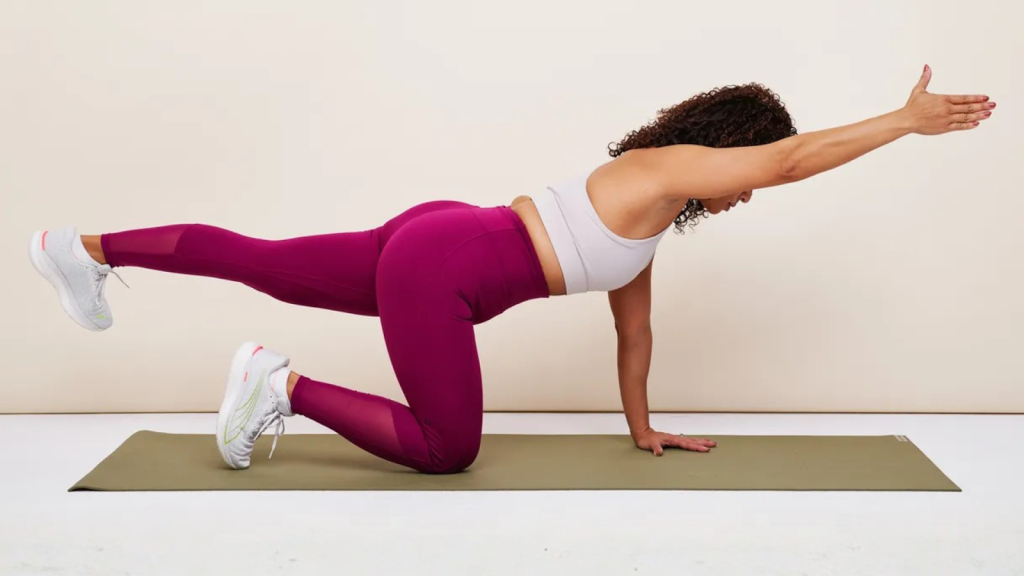
- Bird Dog
- Trains coordination between spine, hips, and shoulders
- Encourages controlled movement
- Excellent for reintroducing load safely
- Trains coordination between spine, hips, and shoulders
These are foundational, not universal. For some people, mobility-based or graded strength exercises are more appropriate initially.
What Is the Best Physical Therapy for Lower Back Pain?
There is no single “best” treatment, but there is a best approach.
From a physiotherapist’s perspective, effective care usually includes:
1. Education First
Understanding:
- What your pain means
- What is safe to move
- What to avoid temporarily
This alone often reduces fear and tension.
2. The Right Exercise Category
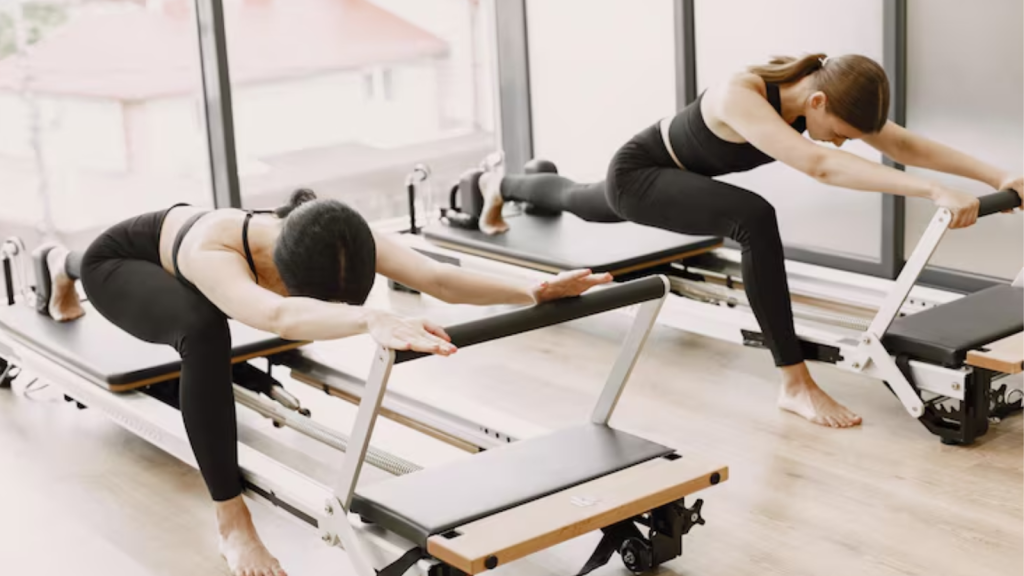
Depending on your presentation, this may include:
- Mobility exercises
- Core control work
- Strength training
- Movement retraining
- Load management strategies
3. Progressive Loading
Backs don’t get better by avoiding load forever.
They improve when the load is reintroduced gradually and intelligently.
This is where physiotherapy differs from generic exercise lists.
What Is the Single Best Exercise for Lower Back Pain?

This is one of the most searched questions, and the most misleading.
There is no single best exercise.
The best exercise is the one that:
- Reduces pain sensitivity
- Improves confidence in movement
- Matches your daily and sporting demands
- Progresses as you improve
For example:
- Someone with stiffness may benefit from mobility work
- Someone with recurrent flare-ups may need stability and load tolerance
- Someone returning to sport may need strength and conditioning
Chasing a “magic exercise” often leads people away from recovery.
Common Physiotherapy Exercises for Lower Back Pain (By Category)
1. Mobility Exercises
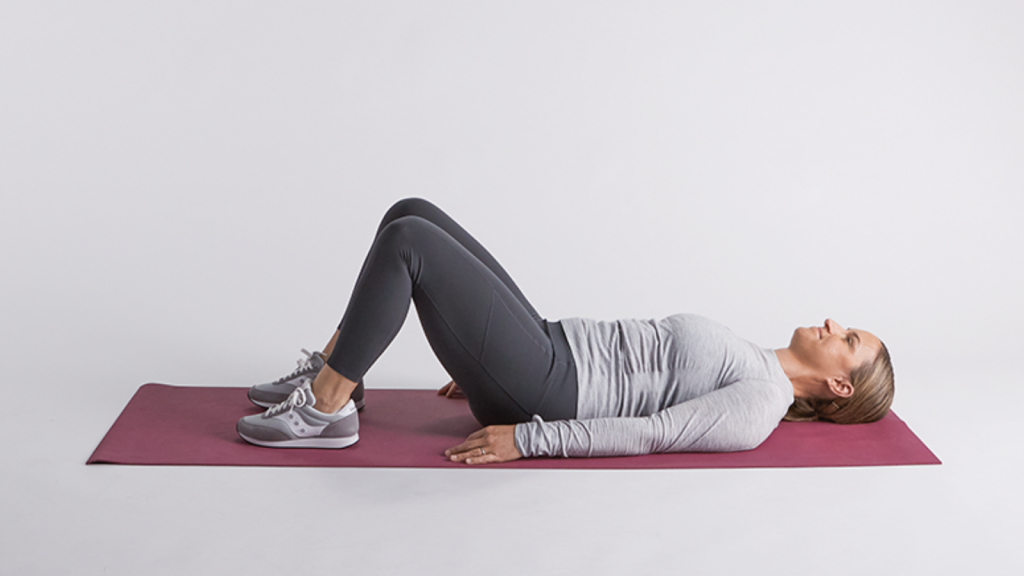
Used when stiffness or fear of movement is dominant.
- Pelvic tilts
- Hip mobility drills
- Controlled spinal movement (within tolerance)
2. Core Control Exercises

Used to improve coordination and endurance.
- Dead bugs
- Side planks
- Bird dogs
3. Strength-Based Exercises
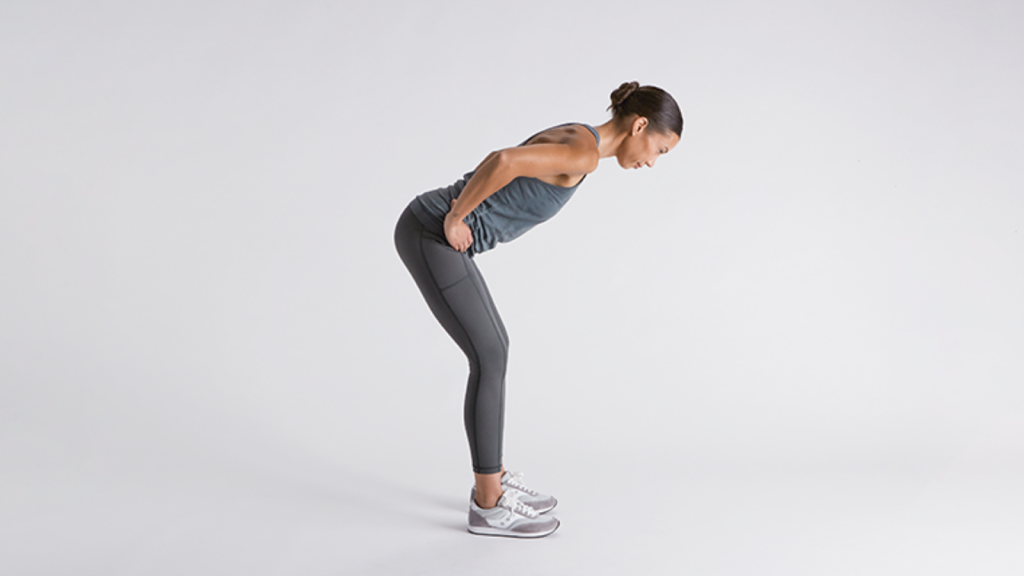
Used when the back needs more load capacity.
- Hip hinges
- Squats (regressed or modified)
- Split squats
4. Functional Integration
Used to return to real-life movement.
- Lifting mechanics
- Rotational control
- Sport-specific drills
Not everyone needs all four at once.
What Will a Physiotherapist Do for Lower Back Pain?

This is where professional input matters.
When you see a physiotherapist for lower back pain, we don’t just prescribe exercises, we assess how your body responds to load and movement.
A typical physiotherapy approach includes:
- Understanding how your pain behaves
- Identifying movement limitations
- Testing strength and control
- Observing how you move, not just where it hurts
- Designing exercises that evolve as you improve
At Physio & Sole, we focus on helping active adults return to movement confidently, not just get temporary pain relief.
When Should You Seek Professional Help?
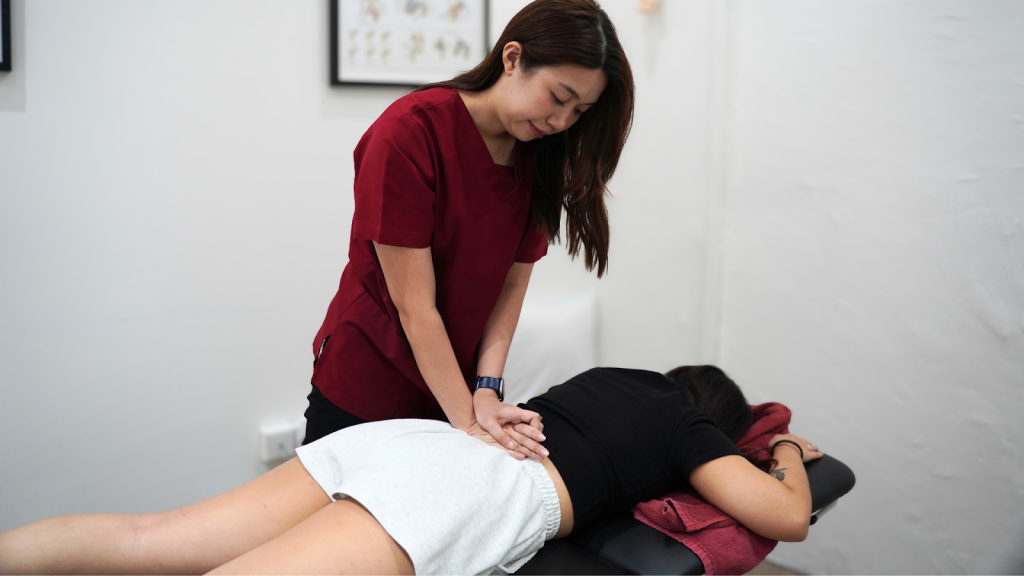
You should consider seeing a physiotherapist if:
- Pain persists beyond 2–3 weeks
- Pain keeps returning
- You’re unsure what exercises are safe
- Your training or work is affected
- You’re avoiding movement out of fear
Early guidance often prevents chronic issues.
Final Thoughts: Exercises Are Tools, Not Fixes

Physiotherapy exercises for lower back pain work best when they:
- Are specific to the person
- Progress over time
- Fit into daily life and training
- Build confidence, not fear
If you’re active and frustrated by ongoing or recurring lower back pain, you don’t need to stop moving, you need better guidance.
A Gentle Next Step
If you’re unsure which exercises are right for your back, a proper assessment can help clarify what your body actually needs.
At Physio & Sole, we help active adults understand their pain, move better, and return to what they enjoy, safely and confidently. Book an appointment today.