Skip to content




Written by
Kwok Siew Kong
Principal Podiatrist at Physio & Sole Clinic
An experienced podiatrist who spent eight years at Singapore General Hospital (SGH), where he was part of the MSK Specialist Team and worked closely with the Orthopaedics Department. SK has extensive experience managing musculoskeletal foot conditions, advanced wound care, and post-operative recovery, and is passionate about helping patients stay active and mobile through comprehensive foot and lower-limb care.
The best slippers for flat feet are not simply the softest or most cushioned ones. For people with flat feet, supportive home footwear should provide arch support, heel stability, cushioning, and a stable sole, especially in Singapore homes with hard tile, marble, or parquet flooring.
Walking barefoot at home may feel natural, but if you have flat feet, long hours on hard flooring can increase strain on your arches, heels, and plantar fascia. Supportive slippers may help reduce everyday load and lower the risk of recurring heel or arch pain.
In This Blog
- Why flat feet hurt more at home
- How hard flooring affects flat feet
- Whether barefoot walking is bad for flat feet
- What makes a slipper suitable for flat feet
- Key features to look for in home slippers
- When to see a podiatrist in Singapore
Are Slippers Good for Flat Feet?
Slippers can be good for flat feet, but only if they provide enough structure and support.
This is where many people get it wrong. A pair of slippers may feel soft and comfortable, but that does not mean it is supporting your feet properly. Many common home slippers are flat, flexible, and thin, which means they do very little to control how your foot moves.
For people with flat feet, the foot arch tends to sit lower or collapse more when standing and walking. Without proper support, the arch may flatten further under body weight, placing more strain on the heel, inner ankle, and plantar fascia.
Good slippers for flat feet should help distribute pressure more evenly across the foot. They should not allow your foot to roll excessively inward or make your toes grip just to keep the slipper on.
The issue is not simply whether you wear slippers. The real question is whether your slippers support your foot mechanics.
Why Do Flat Feet Hurt More on Hard Floors?
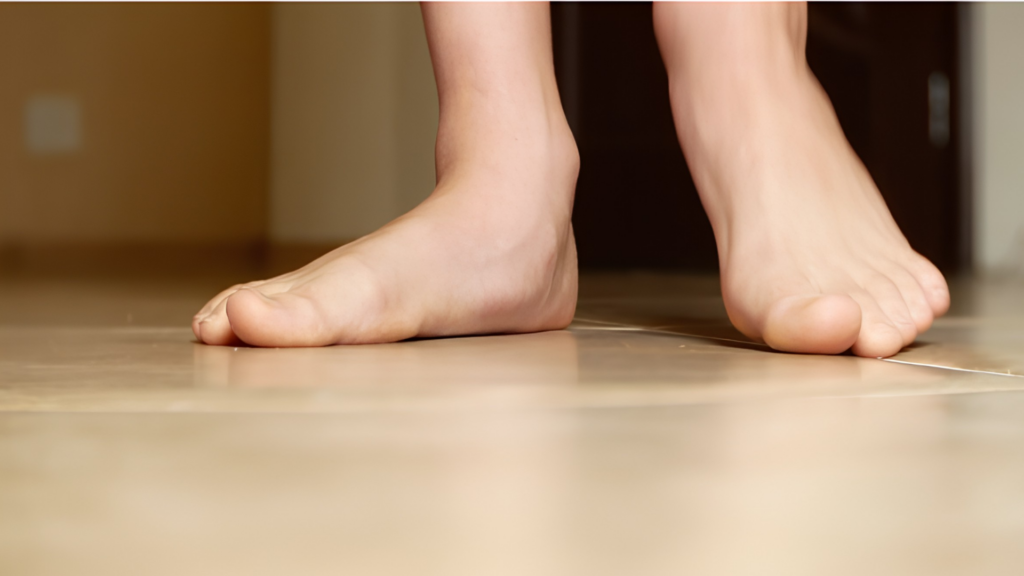
Many Singapore homes use hard flooring such as tiles, marble, vinyl, or parquet. These surfaces are easy to clean and practical for our climate, but they provide very little shock absorption.
When you walk barefoot on hard floors, your feet absorb more direct impact with every step. For people with flat feet, this can become a problem because the arch may not provide enough natural support or spring.
Over time, this can lead to tired feet, aching arches, heel pain, or discomfort along the inner side of the ankle. You may notice the pain more at home than outside because your outdoor shoes may actually be giving your feet more cushioning and support.
This is especially common among WFH professionals and homemakers. You may be walking around barefoot between meetings, standing at the kitchen counter, doing chores, or moving around the house for hours without realising how much load your feet are taking.
Your home flooring may be quietly increasing the stress on your arches.
Is It Bad for Flat Feet to Walk Barefoot at Home?
Walking barefoot is not always bad. In some people, barefoot walking can help with natural foot muscle activation and balance.
However, barefoot walking is not automatically healthier for everyone.
For people with flat feet, long hours barefoot on hard floors may increase strain. This is especially true if you already have heel pain, arch pain, plantar fasciitis symptoms, or tired feet after standing.
Flat feet may lack enough arch control during walking. Without support, the foot may roll inward more than it should. This can make the muscles, tendons, and ligaments around the foot and ankle work harder to stabilise the body.
So the answer is not “barefoot is bad” or “barefoot is good.”
It depends on your foot type, your symptoms, your flooring, and how long you are barefoot each day.
If you have flat feet and your feet hurt more at home, going barefoot for long hours may not be the best option.
Why Do Flat Feet Collapse Without Support?
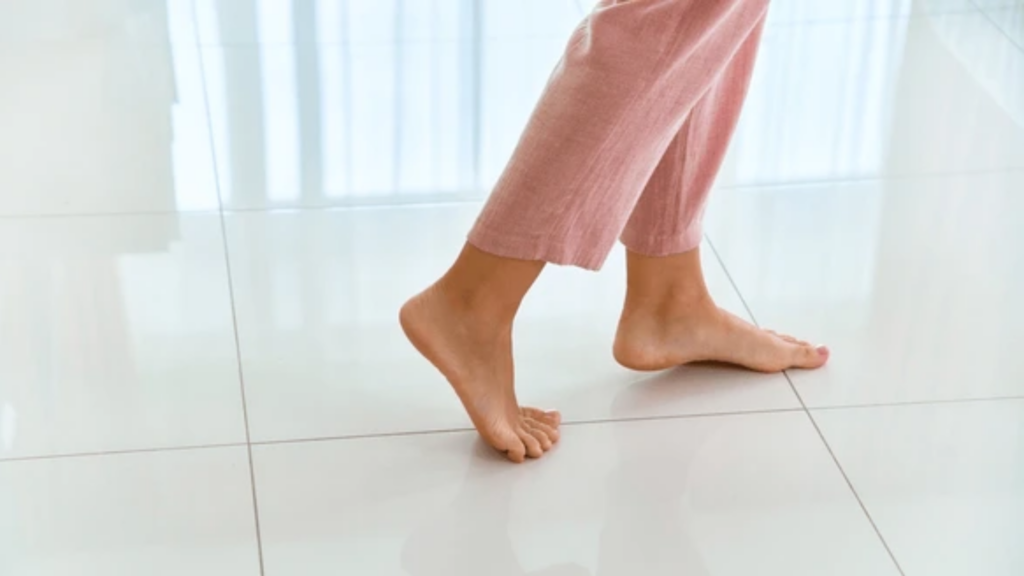
Flat feet generally have a lower arch. In some people, the arch is flexible and appears when sitting but flattens when standing. In others, the arch remains low even when there is no weight on the foot.
When you stand or walk, your foot carries your body weight. If the arch does not have enough support, it may stretch and flatten further under load.
This can affect the way pressure moves through your foot. Instead of being distributed evenly, more strain may build up around the arch, heel, and inner ankle.
From a biomechanics perspective, arch support helps reduce excessive arch strain. Heel cupping can improve rearfoot stability. Cushioning helps absorb repeated impact from hard floors. A stable sole reduces unnecessary twisting or collapsing through the foot.
For flat feet, support is not just about comfort.
It helps manage load.
Can Poor Slippers Contribute to Plantar Fasciitis?
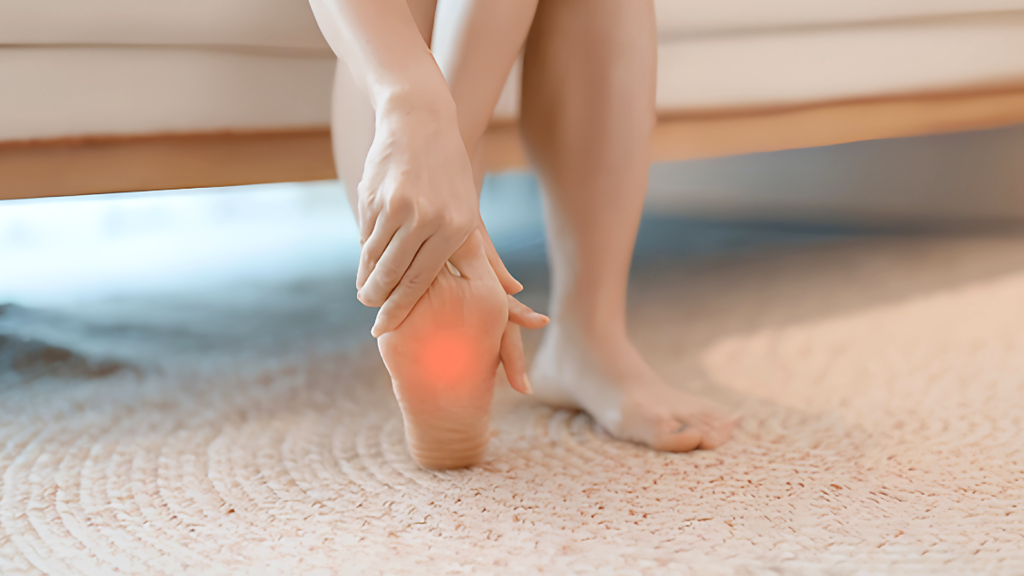
Poor slippers do not cause plantar fasciitis in every person. However, they may contribute to overload in people with flat feet, especially when combined with hard flooring and long hours at home.
Plantar fasciitis involves irritation of the plantar fascia, which is the band of tissue that runs along the bottom of the foot. It helps support the arch and absorbs load during walking.
When the arch collapses excessively, the plantar fascia may experience more tension. Over time, this repeated strain can contribute to heel pain, especially near the bottom of the heel.
In Singapore, plantar fasciitis is commonly seen in people who stand for long hours, increase their walking or exercise suddenly, wear unsupportive footwear, or walk barefoot on hard flooring for extended periods.
Morning heel pain can be a common sign. You may feel a sharp or pulling pain when taking your first few steps after waking up. The pain may ease as you move, then return after long periods of standing or walking.
If you are looking into treating plantar fasciitis in Singapore, your home footwear habits should not be ignored. What you wear at home may be contributing to the daily strain.
What Features Should Slippers for Flat Feet Have?
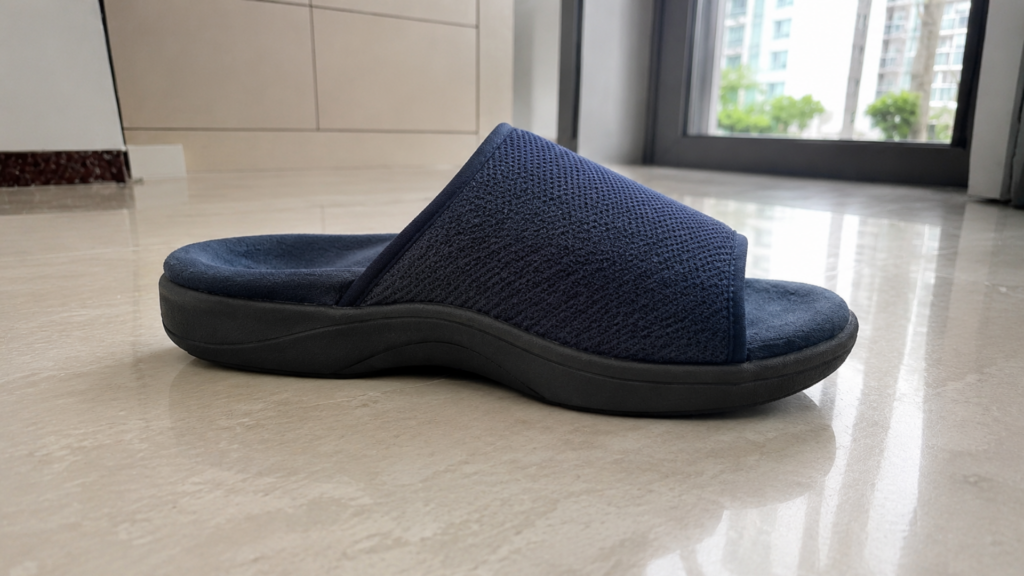
The best slippers for flat feet should be supportive, stable, and comfortable enough for daily home use.
Here are the key features to look for.
1. Contoured Arch Support
Arch support helps reduce excessive flattening of the foot. It should feel supportive, but not painfully hard.
For flat feet, this support helps guide the foot into a better position and reduces strain on the arch and plantar fascia.
2. Heel Cupping
A good heel cup helps keep the heel more stable. This matters because many people with flat feet also experience inward rolling at the rearfoot.
Heel stability can reduce unnecessary movement and improve overall support.
3. Firm but Comfortable Cushioning
Cushioning helps absorb impact from hard flooring. However, the slipper should not be so soft that your foot sinks in completely.
Overly soft slippers may feel comfortable at first, but they often do not provide enough structure.
4. Stable, Non-Floppy Sole
A supportive slipper should not twist or fold too easily. If you can bend the slipper in half with no effort, it may not offer enough support for flat feet.
A stable sole helps reduce excessive foot movement during walking.
5. Secure Fit
Loose slippers can make your toes grip to keep them on. This can overwork the small muscles in the foot and contribute to fatigue.
A secure fit helps your foot relax and move more naturally.
6. Good Grip
Home footwear should also be safe. Look for slippers with good traction, especially if your home has smooth tile or marble flooring.
This is especially important for older adults or anyone who may be at higher risk of slipping.
What Slippers Should People with Flat Feet Avoid?
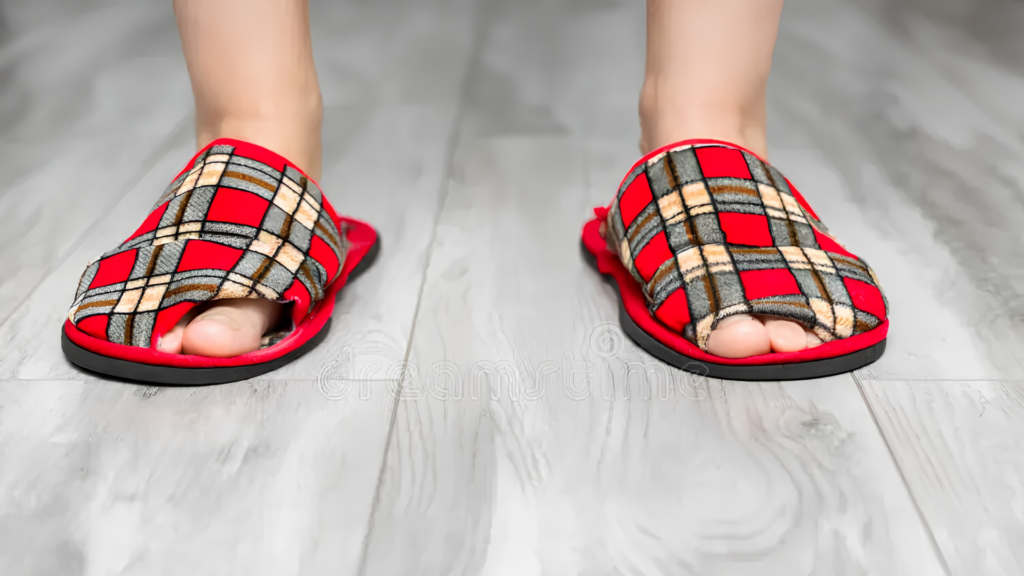
People with flat feet should be careful with slippers that look comfortable but provide very little support.
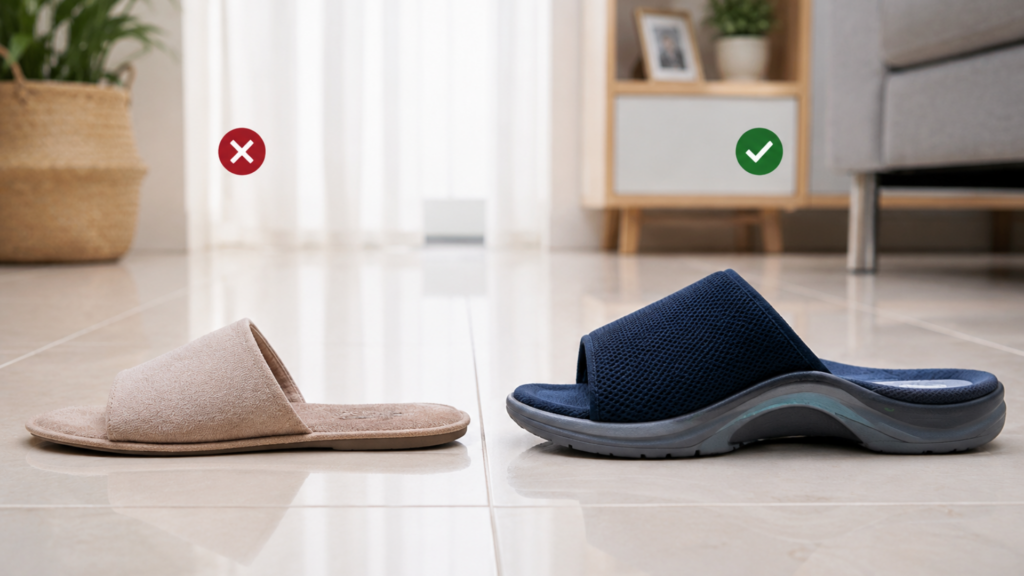
Avoid thin hotel-style slippers, flat rubber flip-flops, and very soft bedroom slippers with no structure. These may feel convenient, but they usually do not support the arch or stabilise the heel.
You should also avoid slippers that are badly worn out. Once the sole becomes compressed or uneven, it may no longer support your foot properly.
Completely flat slides with no arch contour may also be unsuitable for people with flat feet, especially if worn for many hours a day.
A simple test: try twisting the slipper. If it bends and twists too easily, it may not provide enough structure.
Are Arch Support Slippers Good for Flat Feet?
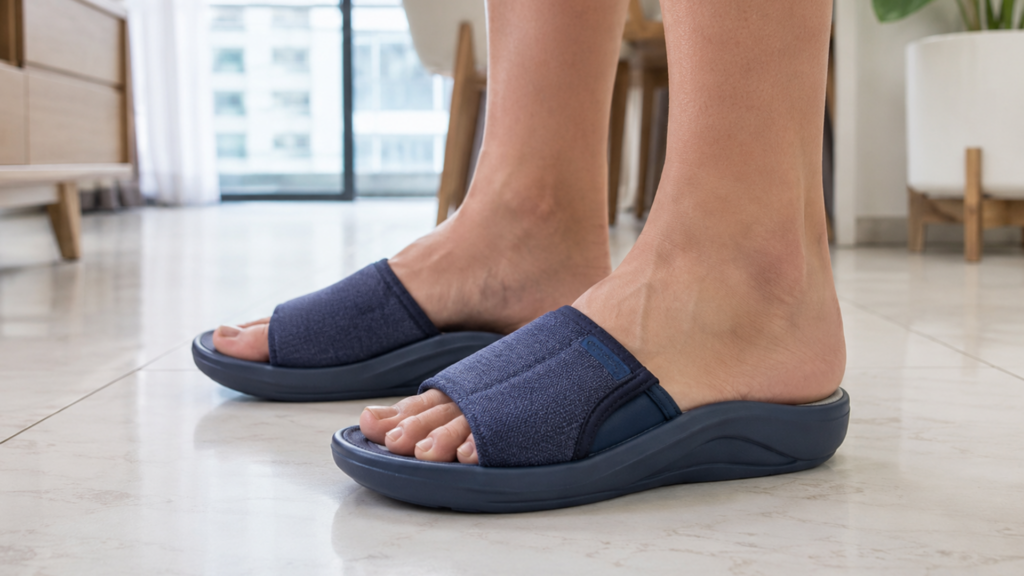
Yes, arch support slippers can be helpful for flat feet because they support the arch and reduce excessive strain during standing and walking.
They are especially useful for people who spend long hours at home on hard floors. This includes WFH professionals, homemakers, caregivers, and anyone who moves around the house frequently throughout the day.
However, arch support slippers must fit properly. The support should feel comfortable and well-placed, not painful or intrusive.
They should also match your foot type. Some people need firmer support, while others may need a gentler arch contour. If your pain is already persistent, slippers alone may not be enough.
Arch support slippers are a practical first step, but recurring heel pain, arch pain, or plantar fasciitis symptoms should be assessed by a podiatrist.
Slippers vs Barefoot vs Supportive Home Footwear
This is not really about barefoot versus slippers. It is about whether your feet are getting enough support.
| Option | What It Provides | Possible Issue for Flat Feet |
| Barefoot | No arch support, no cushioning, direct floor contact | May increase strain on hard floors and worsen heel or arch pain if done for long hours |
| Regular Slippers | Some cushioning, easy to wear | Usually flat, flexible, and unable to reduce excessive foot collapse |
| Supportive Slippers for Flat Feet | Arch support, heel cupping, cushioning, stable base | Better suited for reducing strain during long hours at home |
Barefoot walking may be fine in short periods for some people. Regular slippers may be enough for people without symptoms.
But for people with flat feet, supportive slippers are usually the better home footwear choice, especially if foot pain appears after standing, walking, or doing chores at home.
When Should You See a Podiatrist in Singapore?
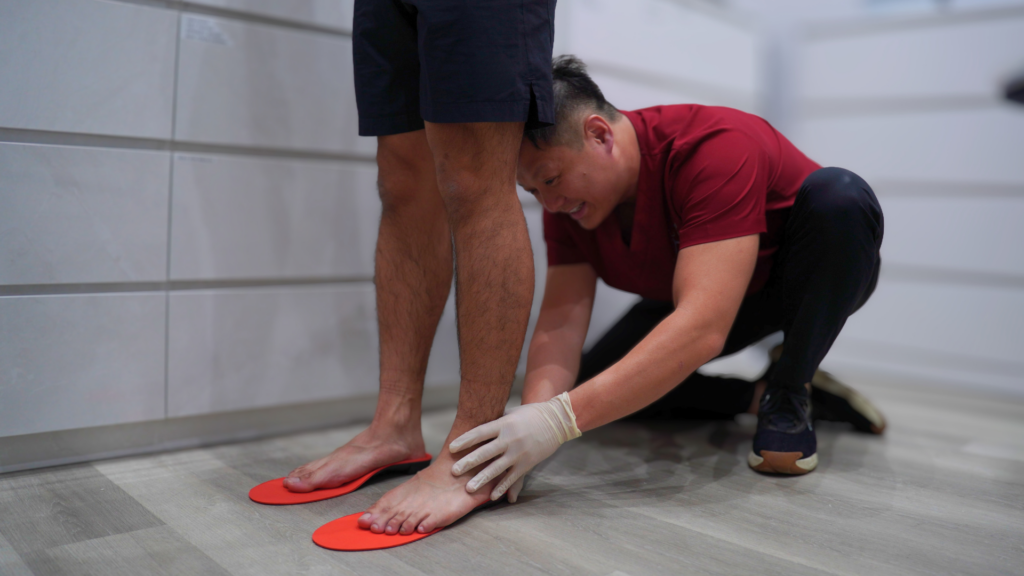
You should consider seeing a podiatrist in Singapore if your foot pain lasts more than one to two weeks, keeps coming back, or affects your daily routine.
This is especially important if you experience morning heel pain, arch pain, or discomfort that worsens after standing or walking at home.
You should also seek help if one foot feels more painful than the other, your flat feet seem to be worsening, or you keep changing slippers but the pain returns.
A podiatrist can assess your foot posture, walking pattern, pressure distribution, and footwear needs. This can help identify whether your pain is linked to flat feet strain, plantar fasciitis, Achilles tightness, or another foot condition.
For those looking into plantar fasciitis Singapore treatment options, a proper assessment can help determine whether footwear changes, exercises, insoles, or further treatment may be needed.
Why Does a Proper Diagnosis Matter?
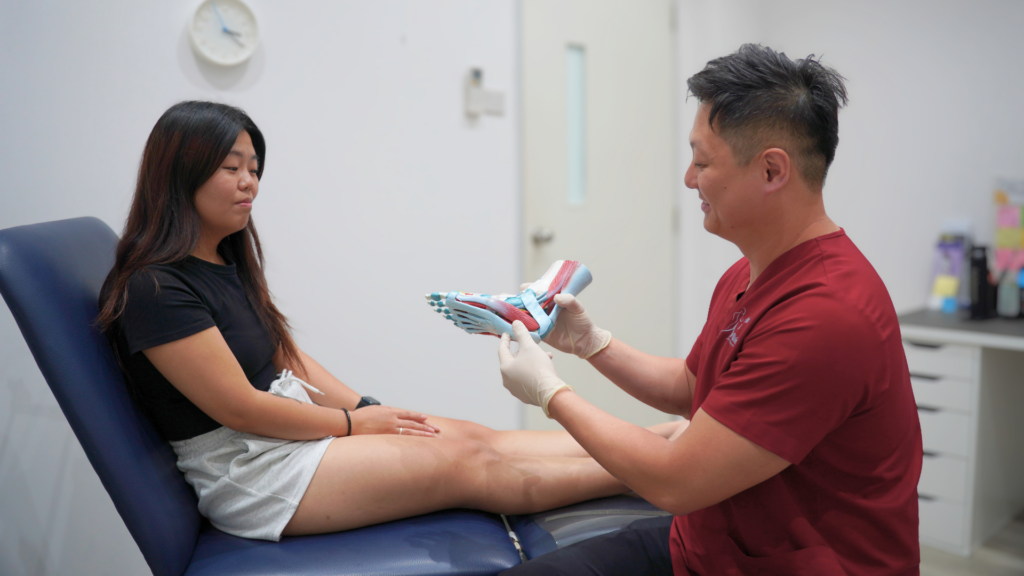
Choosing slippers based on online recommendations may not solve the real issue.
Flat feet can vary from person to person. Some people have flexible flat feet. Some have more rigid foot structures. Some experience pain because of poor arch control, while others may have tight calves, weak foot muscles, or excessive pressure at the heel.
This is why the best slippers for flat feet depend on your foot mechanics, not just the slipper brand.
A proper assessment can identify how your arch behaves under load, whether your heel rolls inward, where pressure builds up, and whether your pain is linked to plantar fasciitis or another issue.
As a podiatrist, I often see patients who are surprised that their foot pain is worse at home than outside. For people with flat feet, this often comes down to one simple issue: they are spending long hours on hard floors without enough support.
The right solution starts with understanding how your feet move.
Frequently Asked Questions About Slippers for Flat Feet
- Are arch support slippers good for flat feet?
Yes. Arch support slippers can help support the foot, reduce excessive arch collapse, and lower strain on the heel and plantar fascia. They are especially useful for people with flat feet who spend long hours standing or walking on hard floors at home. - Is it bad for flat feet to walk barefoot on hard floors?
It can be. Walking barefoot is not automatically harmful, but people with flat feet may experience more strain when walking barefoot for long periods on hard tile, marble, or parquet flooring.
- Can slippers help prevent plantar fasciitis?
Supportive slippers may help reduce strain linked to plantar fasciitis, especially if they have arch support, heel cupping, cushioning, and a stable sole. However, they may not fully resolve plantar fasciitis if the pain is already persistent.
- What kind of slippers should I wear for flat feet?
Look for slippers with contoured arch support, heel stability, firm cushioning, and a sole that does not bend or twist too easily. Avoid very flat, thin, loose, or overly soft slippers. - Why do my feet hurt more at home than outside?
Your outdoor shoes may provide more cushioning and support than what you wear at home. If you walk barefoot or wear flat slippers indoors, your feet may experience more strain on hard flooring.
The Right Slippers Can Help, But Your Foot Mechanics Matter More
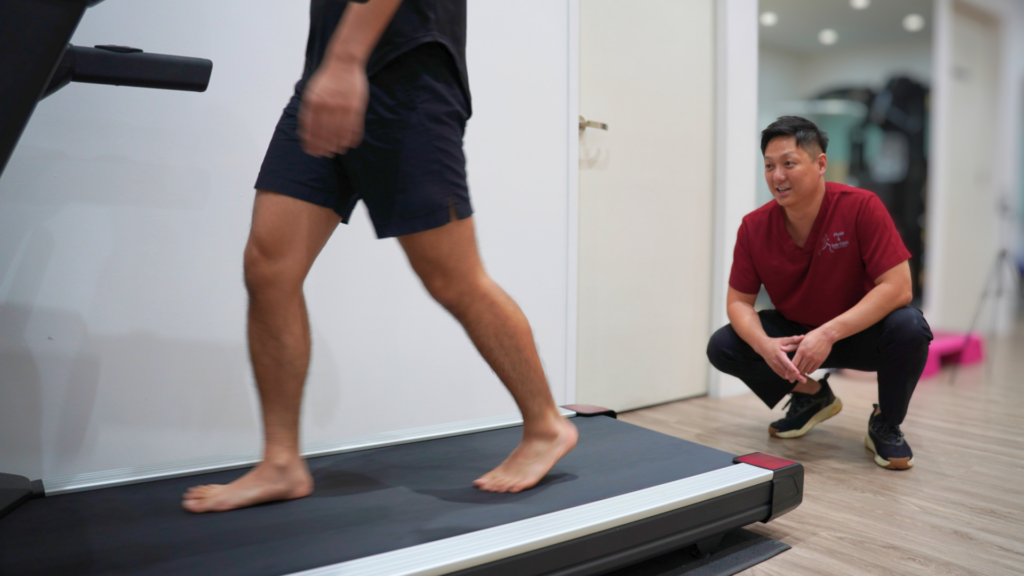
For people with flat feet, the problem is not simply barefoot versus slippers. The real issue is whether your feet are supported during long hours on hard flooring.
In Singapore homes, walking barefoot or wearing thin slippers daily may increase strain on the arch, heel, and plantar fascia. Choosing supportive slippers for flat feet can help reduce everyday load, especially for WFH professionals and homemakers who spend many hours indoors.
However, if pain persists, the right solution depends on your foot mechanics.
If your feet hurt more at home than outside, it may not be “just normal tired feet.” Consider seeing a podiatrist in Singapore for a proper foot posture and gait assessment, especially if you have flat feet, heel pain, or recurring plantar fasciitis symptoms.
Resources from Physio & Sole Clinic
This article is part of Physio & Sole Clinic’s Podiatry & Foot Health Resource Series, created to help patients in Singapore better understand how everyday habits, like walking barefoot at home, can impact foot health, and what to do about it.
You may also find these related resources helpful:
- Podiatry In Singapore: What It Is What It Treats, and Which Type Is Right for You
Understand what a podiatrist does, the conditions they treat, and when it’s time to seek professional care for persistent foot issues. - Physio & Sole Clinic Locations Guide
Find a Physio & Sole Clinic near you across Singapore for convenient access to physiotherapy care. - Heel Pain in Singapore: Why It Keeps Coming Back
Struggling with recurring heel pain? This guide explains common causes like Plantar fasciitis and what actually works for long-term relief. - Custom Orthotics vs Retail Insoles: What’s the Real Difference?
Learn why generic insoles may not be enough — and how custom orthotics are designed to correct the root cause of foot pain, not just cushion it.