Skip to content

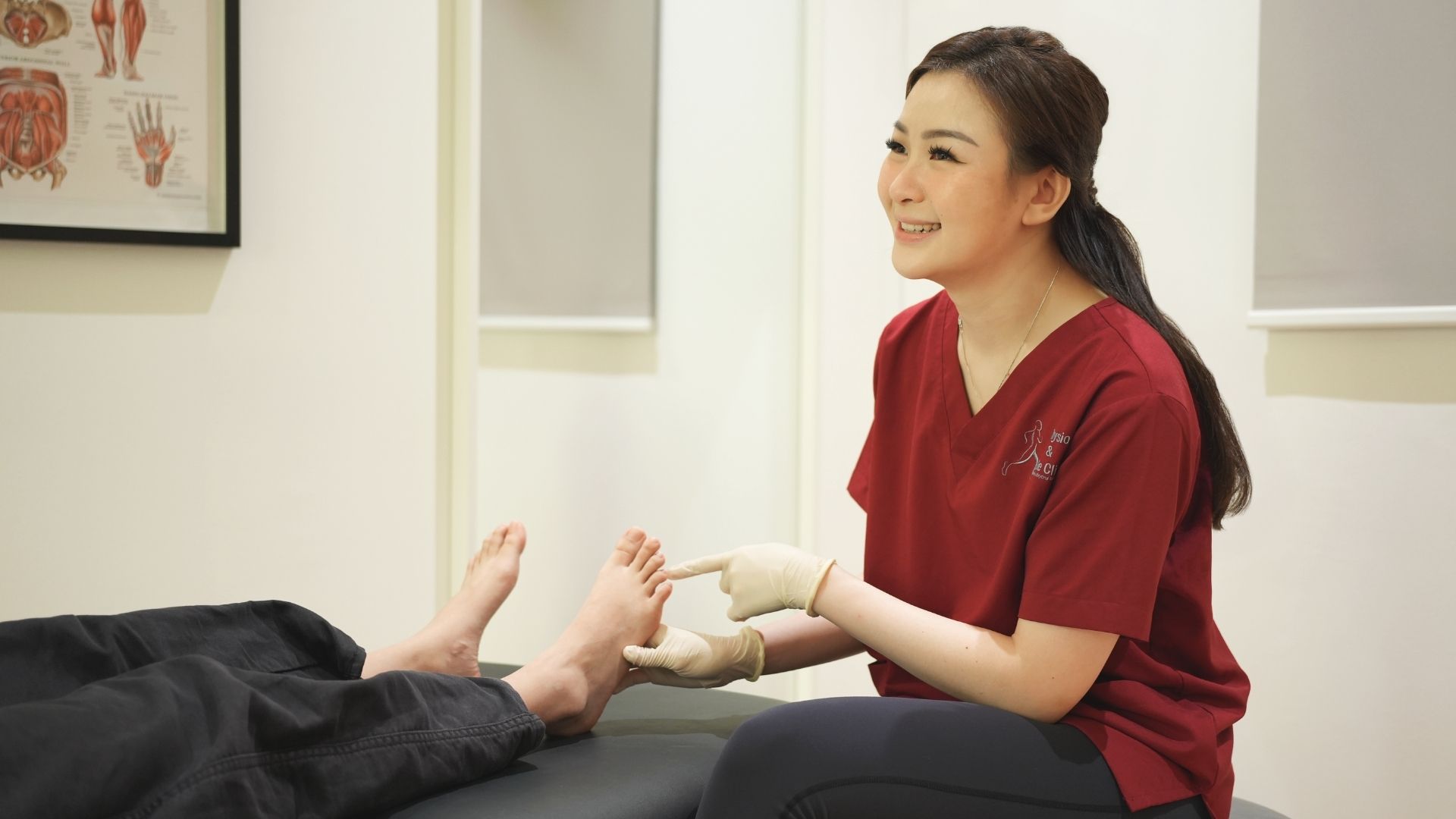

Written by Kerra Kong, Principal Podiatrist at Physio & Sole Clinic
If you’ve ever looked at your footprint and noticed a big “gap” in the middle, or if you’ve always felt like your feet are more curved, rigid, or sensitive than others, you may have high-arched feet, also known as pes cavus.
As a podiatrist in Singapore, I’ve seen many active adults who struggle with recurring ankle sprains, forefoot pain, tight calves, or discomfort when walking or running. What surprises most people is discovering that these issues often trace back to arch structure, not just “bad shoes” or “overtraining.”
High arches are less common than flat feet, and they can be both helpful and problematic, depending on how your body adapts. This guide breaks down everything you need to know, what high arches mean, whether they’re good or bad, and the treatment options that will keep you moving pain-free.
High Arches Often Go Unnoticed, Until Pain Appears
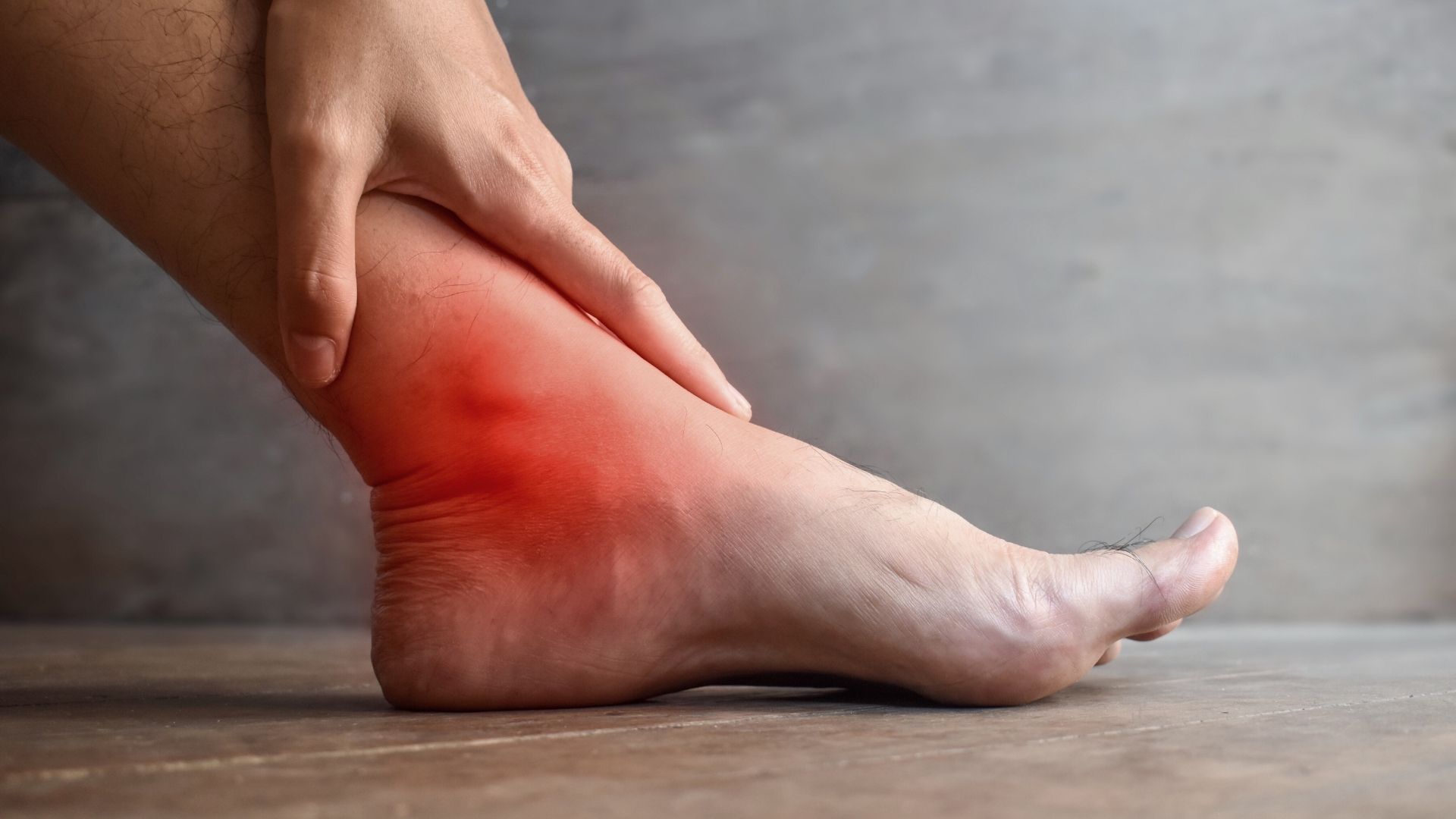
Most people don’t realise they have high arches until they begin experiencing symptoms such as:
- Recurring ankle sprains
- Pain under the ball of the foot
- Heel pain or plantar fasciitis
- Tight calves or Achilles tendon discomfort
- Numbness or burning in the forefoot
- Difficulty finding comfortable shoes
- Calluses under the heel or toes
High arches can feel rigid or “hard,” and because they don’t flatten as you walk, the foot loses its natural shock absorption.
In Singapore, where we walk a lot, navigate hard surfaces like MRT stations, malls, and concrete footpaths, high arches tend to cause more impact-related discomfort.
Why High Arches Lead to Pain & Injuries
Here’s the key difference:
Flat feet = too much motion, high arches = too little motion
High arches typically associates with:
- Insufficient shock absorption
- Increased pressure on contact areas (heel and forefoot)
- Ankles instability due to tendency to roll outwards
This combination can lead to:
- Frequent ankle sprains (one of the biggest signs of high arches)
- Metatarsalgia (ball-of-foot pain)
- Stress fractures from high impact
- Claw toes / hammertoes
- Tight calves and Achilles pain
- Knee, hip, or lower-back pain from shock traveling upwards
Left unmanaged, these effects can worsen with age as the foot becomes stiffer and less adaptable.
The good news: early support prevents long-term issues, improves comfort, and protects your joints.
Understanding High-Arched Feet & How to Support Them
Let’s break down the most common questions people ask.
What Are High Arched Feet?
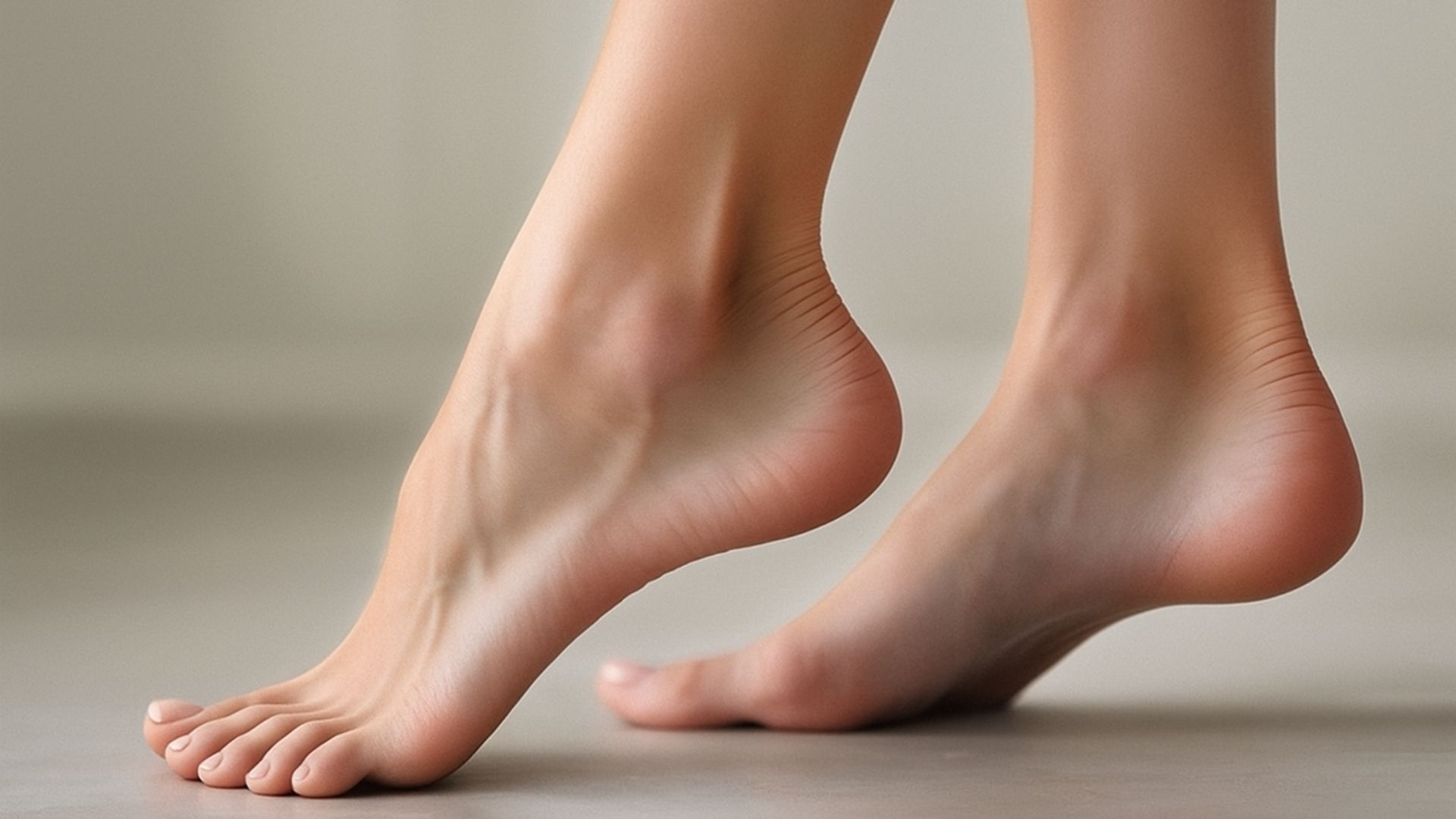
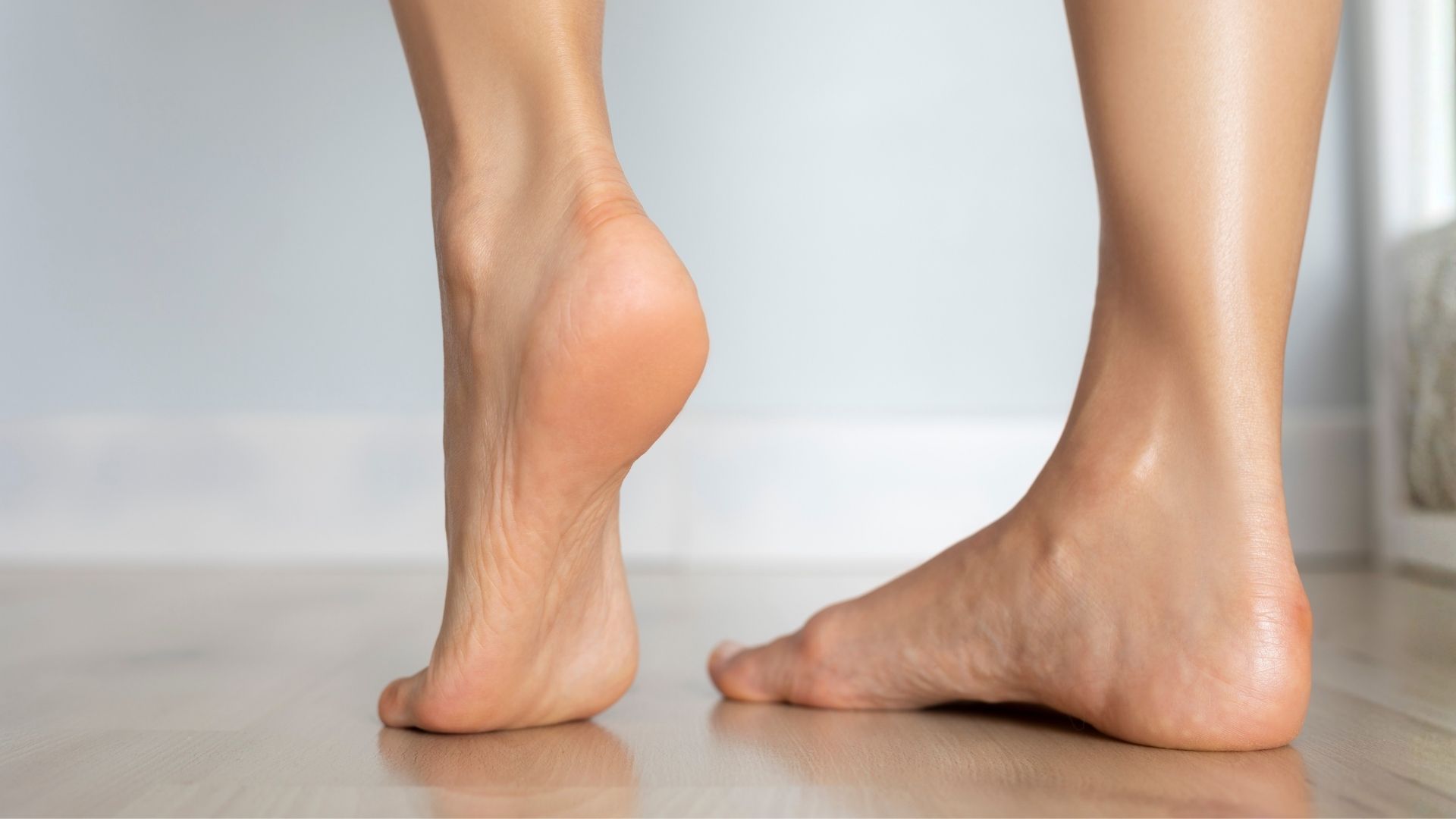
High-arched feet have a noticeably raised arch, creating minimal contact with the ground.
A quick check: wet your foot and step onto paper. If you see:
- The forefoot
- The heel
- But little to no midfoot
You likely have high arches. High arches can be either flexible or rigid, and this affects the amount of shock your foot can absorb.
Is It Better to Have High Arches or Flat Feet?
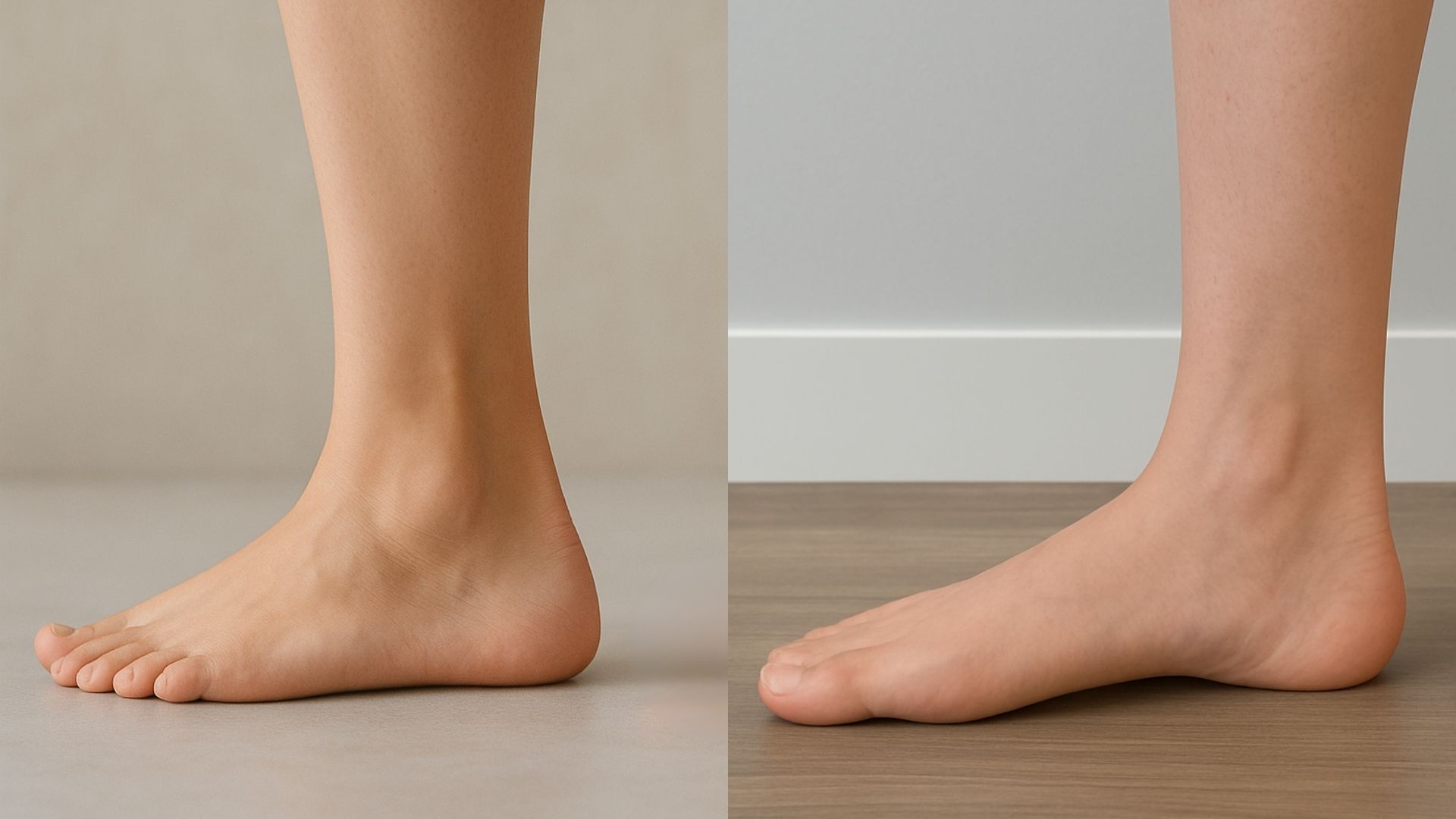
Neither is “better.” Both have advantages and risks.
High Arches — Pros
✔ Naturally springy during explosive movements
✔ Can be strong for sprinting or jumping
✔ Less collapse of the arch
High Arches — Cons
✘ Poor shock absorption
✘ Higher risk of ankle sprains
✘ Forefoot + heel pain
✘ Shoe-fitting challenges
What matters is function, not shape.
Are High Arch Feet More Attractive?
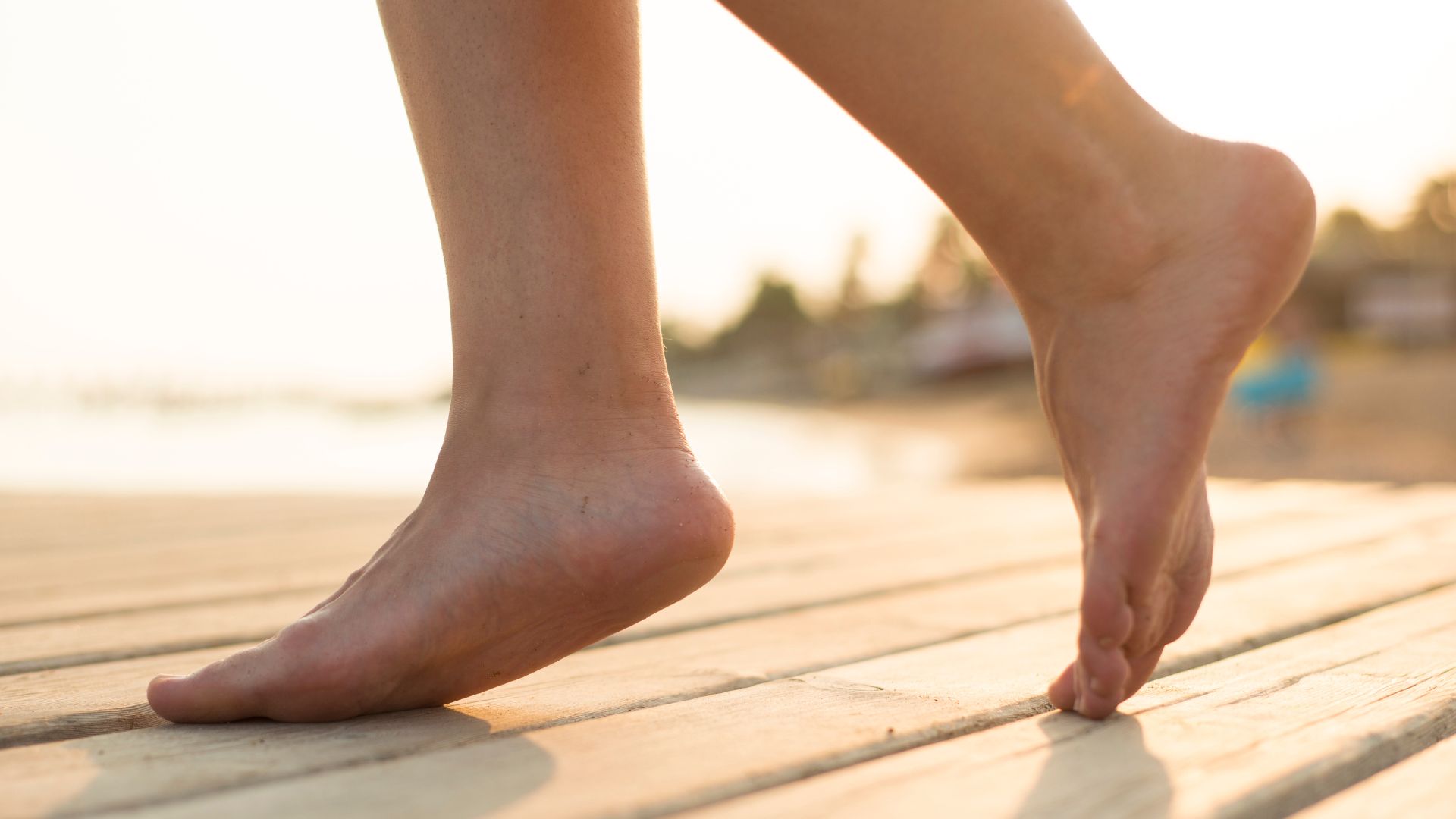
Aesthetic preference is subjective. Clinically, what matters is:
- Stability
- Balance
- Comfort
- Joint protection
Attractiveness does not equal performance or health.
Are People With High Arches More Athletic?

Sometimes, especially in:
- Sprinting
- Jumping
- Court sports require short bursts
But the increased rigidity may limit:
- Endurance running
- Long walks
- Stability on uneven surfaces
Athletic performance depends on the whole kinetic chain, not just arch height.
Do High Arches Worsen With Age?

They can. As muscles tighten and the arch becomes more rigid, symptoms often become more noticeable:
- More frequent sprains
- Increased forefoot pressure
- Pain during walking or standing
- Reduced balance
Proper support early in life helps prevent the progression of the condition.
How Do People With High Arches Walk?
Typical walking traits include:
- Heavier heel strike
- Rolling outward (supination)
- Limited midfoot flexibility
- Shorter stride
- Harder impact on joints
This explains why impact injuries are common in high-arched individuals.
How Rare Are High Arch Feet?
High arches occur in roughly 5–15% of the population worldwide. In Singapore, we see fewer high-arched patients than flat-footed ones, but the symptoms tend to be more severe if left unsupported.
Causes of High Arched Feet
1. Genetic structure (most common)
Often runs in families.
2. Neurological causes (less common)
E.g., Charcot-Marie-Tooth, cerebral palsy, these require specialist assessment.
3. Muscle imbalance & tight calves
Over time, the arch stiffens from overcompensation.
4. Postural chain issues
Hip, knee, or back dysfunction can alter foot mechanics.
5. Injury or trauma
Fractures or nerve injuries can change arch height.
Symptoms of High-Arched Feet
You may experience:
- Heel pain
- Ball-of-foot pain
- Frequent ankle sprains
- Toe deformities (claw toes / hammertoes)
- Tight calves
- Numbness or burning in the forefoot
- Calluses under heel or metatarsals
- Difficulty finding comfortable footwear
- Pain after standing or walking long periods
If these sound familiar, your arch shape may be the cause.
Treatment Options for High-Arched Feet
Here’s what we recommend clinically:
1. Footwear Adjustments

High arches need:
- Extra cushioning
- Softer midsoles
- Slightly curved (rocker) soles
- Shock-absorbing insoles
- Deeper heel cups
Avoid:
- Very flat shoes
- Stiff soles
- Narrow toe boxes
- Minimalist shoes
- Worn-out footwear
Singapore surfaces are hard, so cushioning is essential.
2. Custom Orthotics
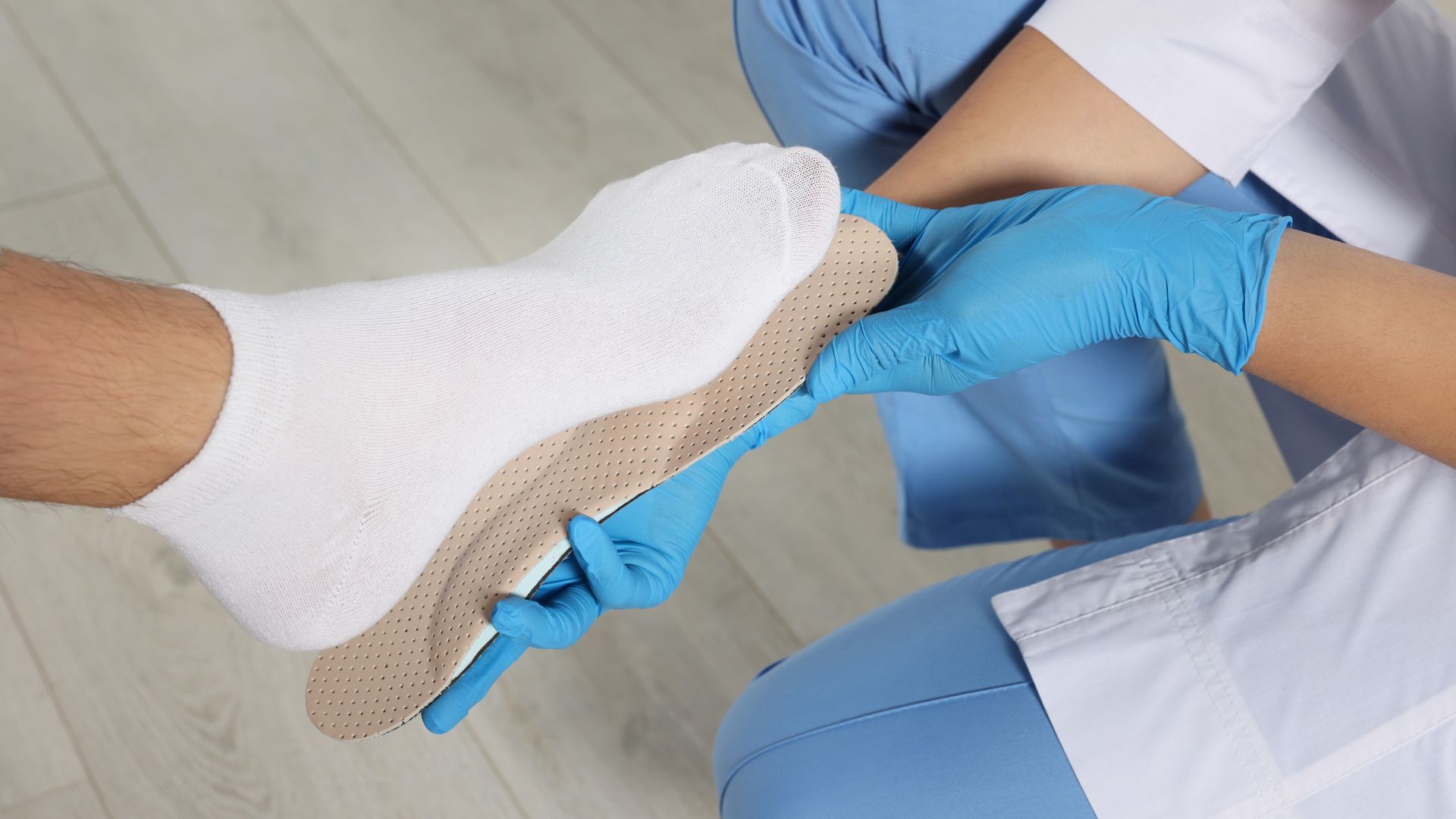
Orthotics are one of the most effective interventions for high arches.
They:
- Redistribute pressure
- Support the heel and forefoot
- Reduce excessive supination
- Absorb impact
- Improve walking & running mechanics
They are especially helpful for:
- Runners
- Teachers and nurses (long hours standing)
- People who walk 8k–15k steps daily
Those with recurring ankle sprains
3. Stretching & Mobility
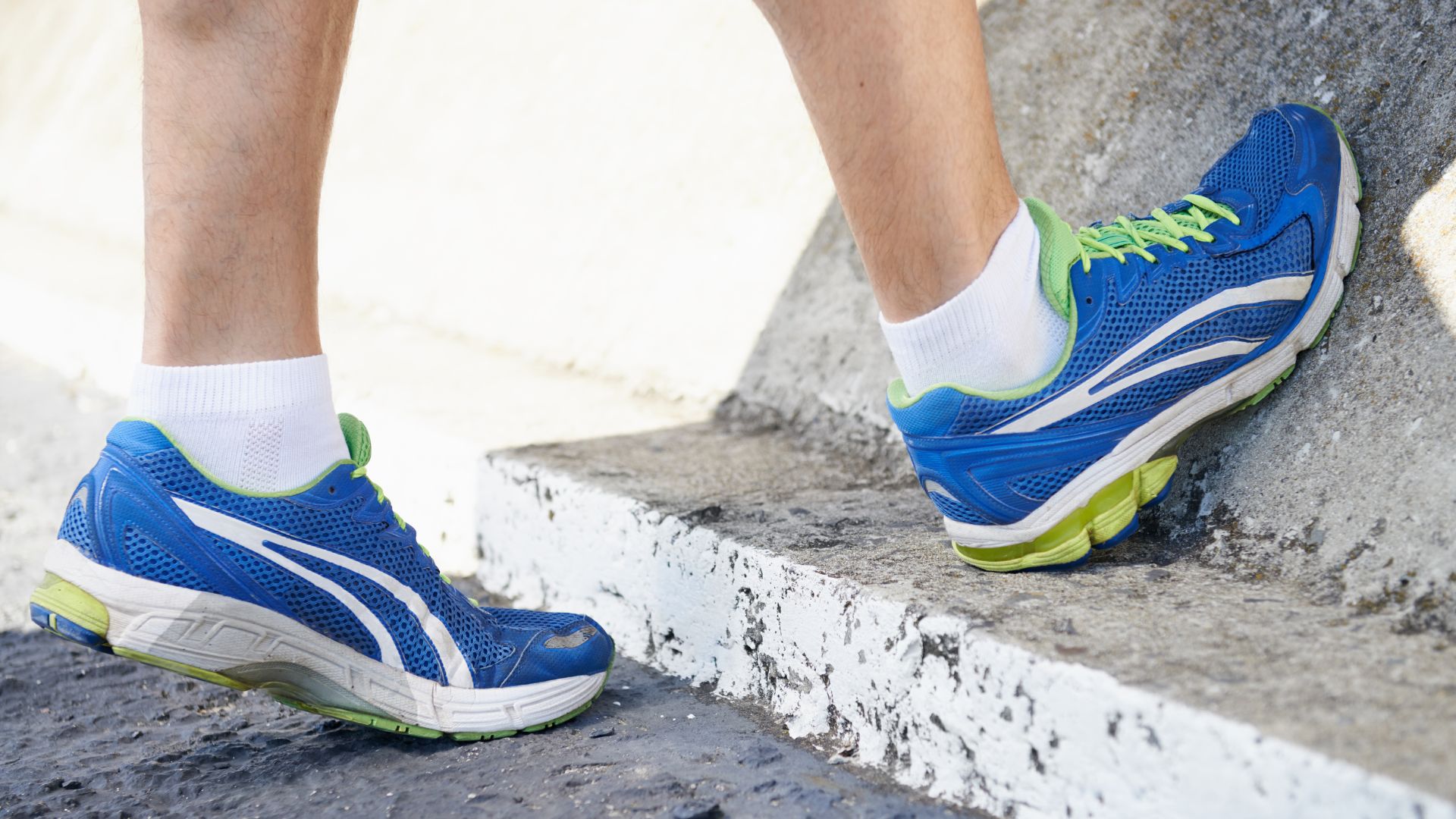
Key muscles to target:
- Calves
- Achilles
- Intrinsic foot muscles
- Plantar fascia
This improves flexibility and reduces impact during movement.
4. Strengthening Exercises
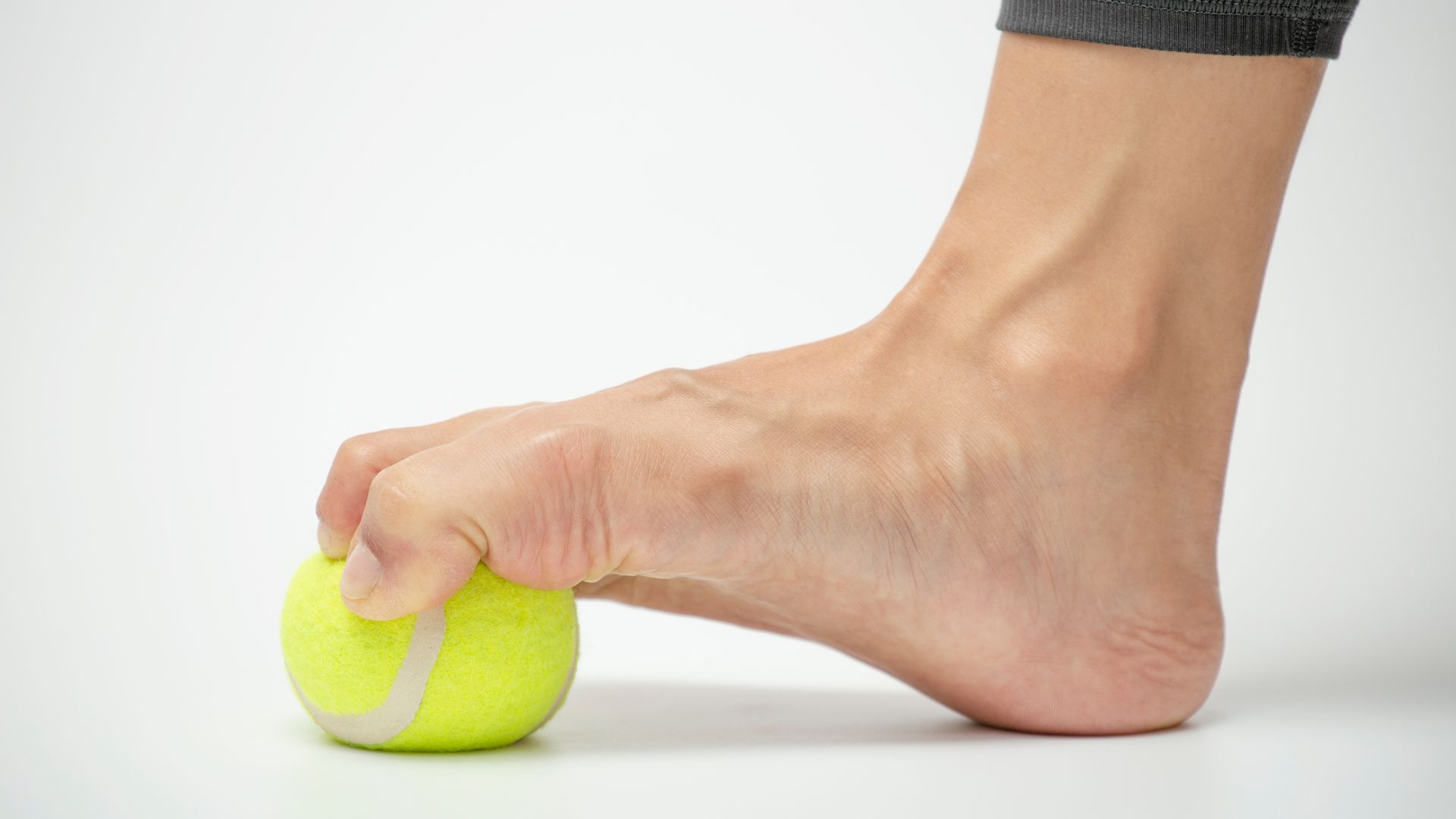
- Toe curls & towel scrunches
- Band-resisted ankle exercises
- Balance training
- Peroneal strengthening
- Foot core exercises
These help to improve foot stability and reduce injury risks.
5. Activity Modification
Small adjustments help:
- Avoid sudden increases in running mileage
- Mix in low-impact days (cycling, swimming, elliptical)
- Vary terrain (grass, track, treadmill)
6. When to See a Podiatrist in Singapore
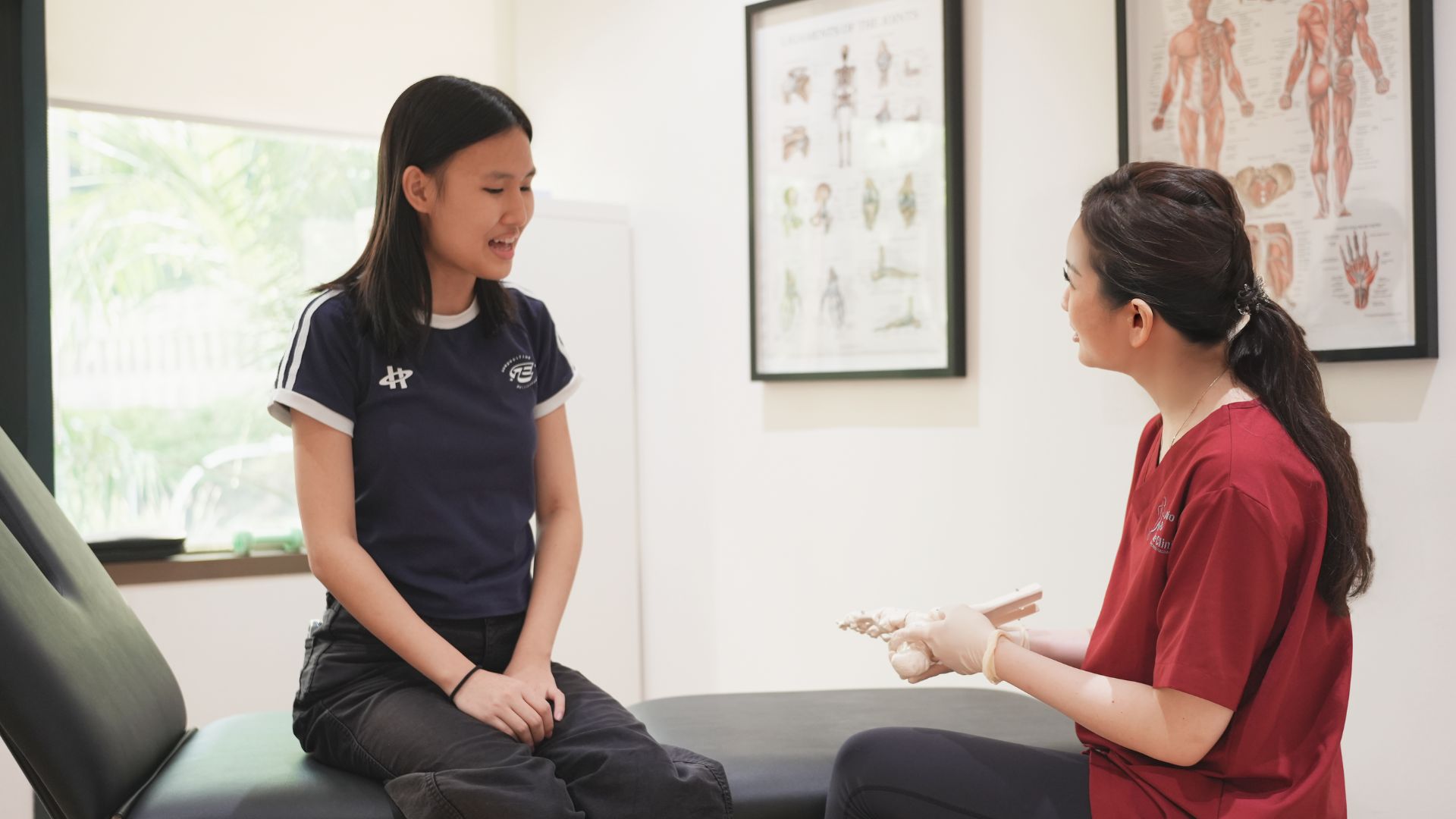
You should book a foot assessment if you experience:
- Frequent ankle sprains
- Persistent heel or forefoot pain
- Numbness or burning in toes
- Pain that worsens with activity
- Shoe-fitting issues
- Pain lasting >2 weeks
- Calluses forming under the heel or ball of foot
A podiatrist can perform:
- Gait analysis
- Foot structure assessment
- Footwear review
- Orthotic prescription
- Treatment planning
- Callus removal
Early care prevents long-term complications.
Final Thoughts
High-arched feet aren’t “bad”, but they do need the right support. With proper footwear, strengthening, mobility work, and in some cases custom orthotics, you can walk, run, and live comfortably without pain.
If high arches are causing discomfort, don’t wait for symptoms to worsen. A personalised assessment can help you understand your foot mechanics and keep you moving with confidence.
Take the First Step Toward Pain-Free Movement

If you’re experiencing foot pain or think you may have high arches, our podiatrists at Physio & Sole Clinic are here to help.
Book a biomechanical assessment today and learn how to support your feet for long-term comfort and performance.