
Quick Summary
When You Notice the Inward Turn
You’re at the playground watching your child run towards the slides, and you notice something odd. Instead of pointing straight, your child’s feet turn slightly inwards with every step. At first, you brush it off, “Maybe it’s just the shoes.” But as weeks go by, you can’t unsee it. Friends might comment, grandparents might worry, and you start Googling: Is my child pigeon-toed? Should I be concerned?
If this sounds familiar, you’re not alone. Pigeon toe, also known as intoeing, is one of the most common walking patterns parents in Singapore notice in their children. The good news? For most kids, it’s not painful, not dangerous, and often improves as they grow. But that doesn’t mean you shouldn’t understand what’s happening. The more you know, the better equipped you’ll be to support your child’s healthy development.
In this guide, we’ll answer common parent questions, break down causes, and share when professional help from a physiotherapist or podiatrist will be useful.
What Is Pigeon Toe?
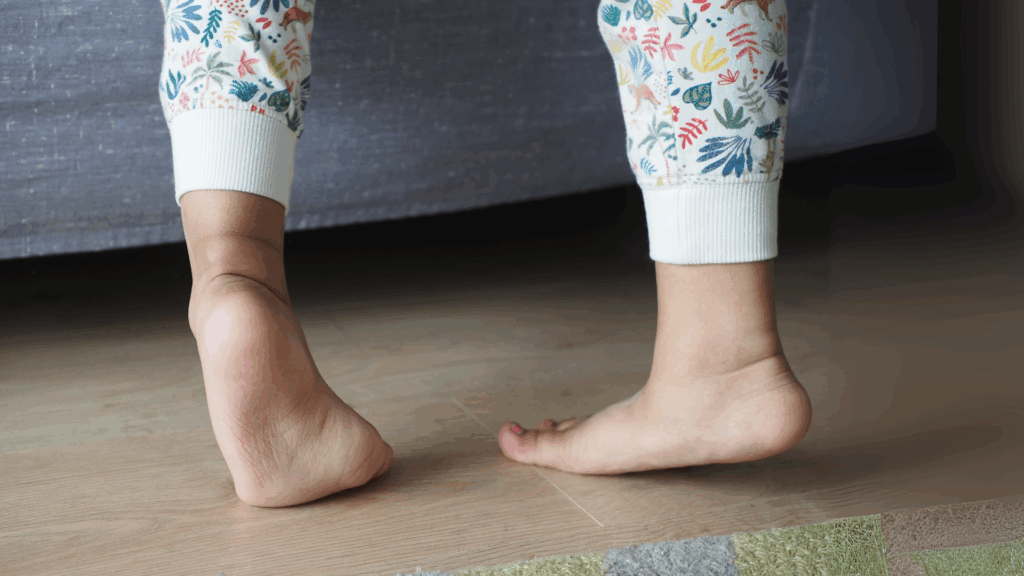
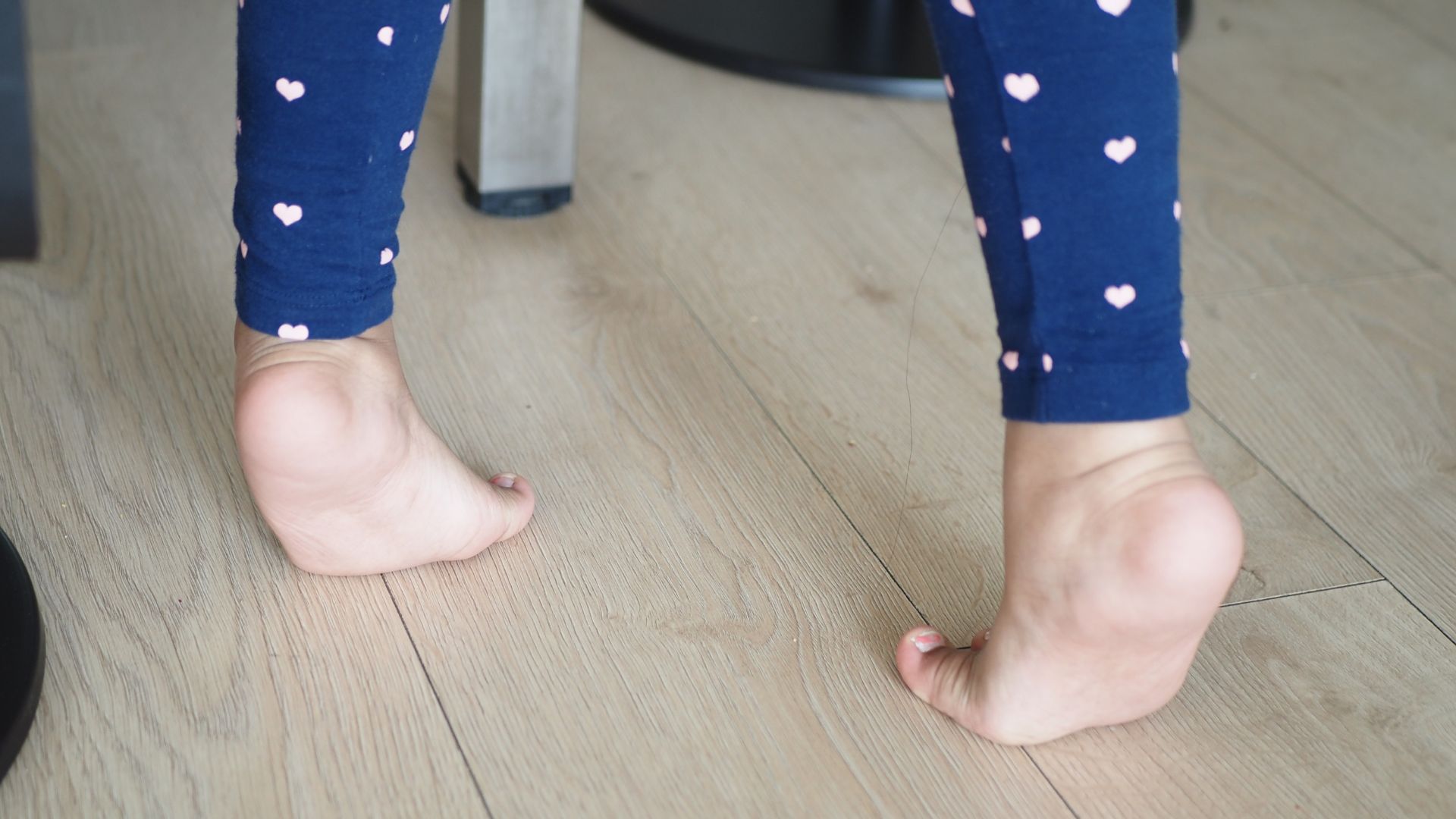
Pigeon toe (intoeing) is when the feet turn inward while walking, running, or standing. Some children display it mildly, others more noticeably. It can affect one or both feet.
Children with pigeon toes may:
- Trip more often while running
- Prefer to sit in a “W” position
- Appear clumsy compared to peers
- Show uneven shoe wear patterns
It’s important to note: Pigeon toe is a walking pattern, not a disease. And in most cases, it improves naturally with growth.
What Causes Pigeon Toes?
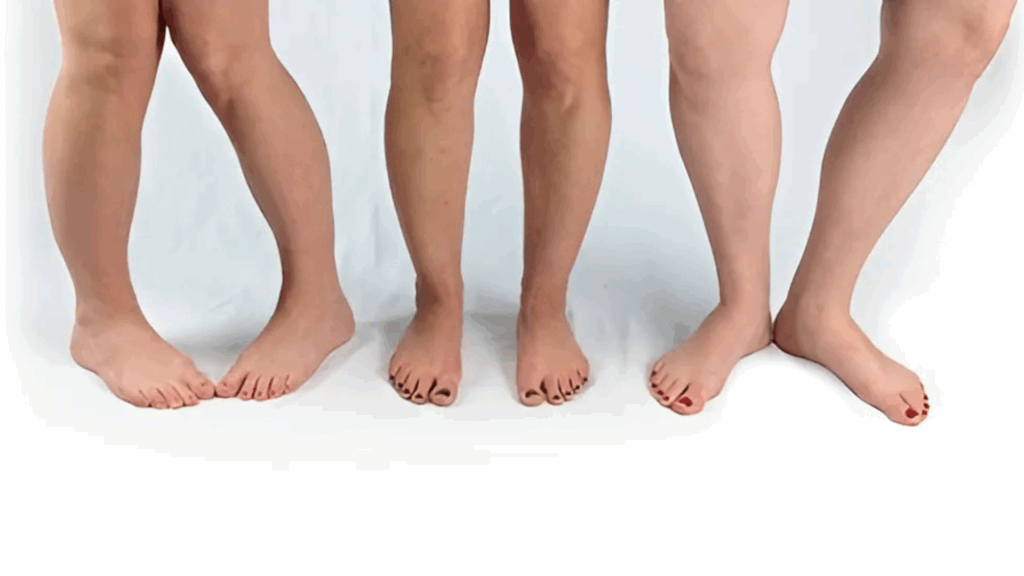
There are three main causes parents should know about:
Metatarsus Adductus – when the front part of the foot curves inward. This is often noticed in infants and may be linked to how the baby was positioned in the womb.
Tibial Torsion – inward twisting of the shin bone (tibia). Common in toddlers as they start walking.
Femoral Anteversion – inward twisting of the thigh bone (femur). This often becomes noticeable between ages 3–8.
In many cases, pigeon toe has a genetic component. If you or your partner walked with feet turned in as children, there’s a higher chance your child might too.
Is Pigeon Toe Genetic?

Yes, genetics can play a role. Some families “pass down” bone shapes or walking patterns that make pigeon toe more likely. But environment matters too; how your child sits, the footwear they wear, and their activity level can influence how noticeable it is.
How Does a Pigeon-Toed Person Walk?
Children with pigeon toes usually:
- Walk with their feet pointing inward rather than straight ahead
- Swing their legs inward while running
- May appear clumsy, but often adapt well to their own walking style
Interestingly, many children with pigeon toes can run very fast despite the unusual appearance of their gait.
Are Pigeon-Toed People More Athletic?
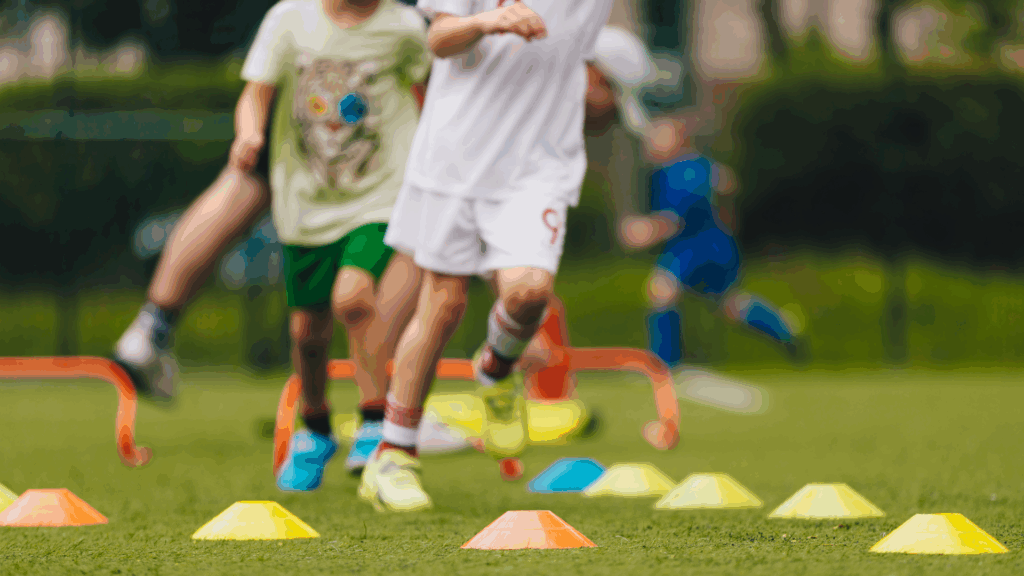
Surprisingly, yes, sometimes! Research has suggested that some athletes, especially sprinters, benefit from mild pigeon toe because it improves hip rotation and running efficiency. Of course, this doesn’t mean every pigeon-toed child will grow up to be Usain Bolt, but it does reassure parents that it’s not automatically a disadvantage.
Can Pigeon Toe Cause Problems Later?
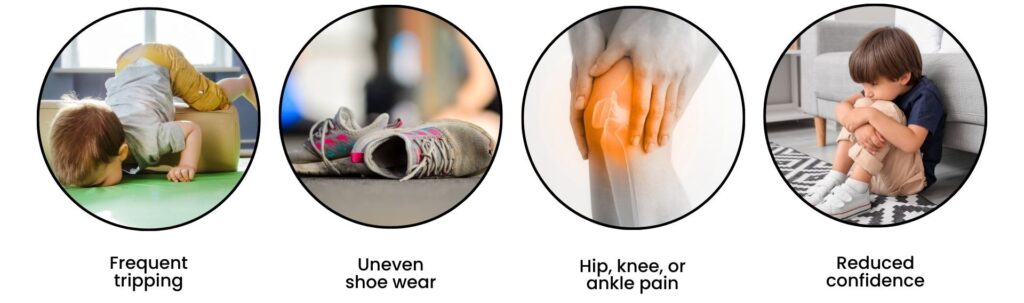
Most children grow out of pigeon toes by around 8–10 years old. However, if it persists or is severe, it may lead to:
- Frequent tripping
- Uneven shoe wear
- Hip, knee, or ankle pain as activity levels increase
- Reduced confidence in sports or playground play
That’s why monitoring and early professional advice can help.
How to Stop Walking Inwards?
This is the big question parents ask. The answer depends on the cause and severity:
1Observation and Reassurance
- For many children, pigeon toe improves naturally as bones grow and align.
- Regular check-ups with a physiotherapist or podiatrist can help track progress.
2Encouraging Active Play
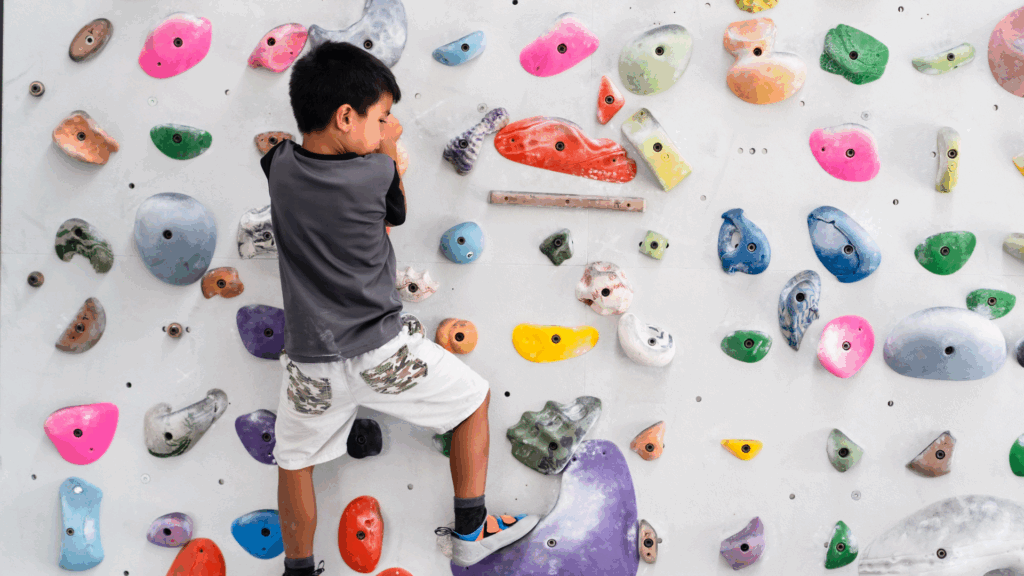
- Climbing, running, cycling, and balance games help strengthen leg muscles.
- Avoid excessive “W-sitting,” which can reinforce inward rotation.
3Targeted Physiotherapy
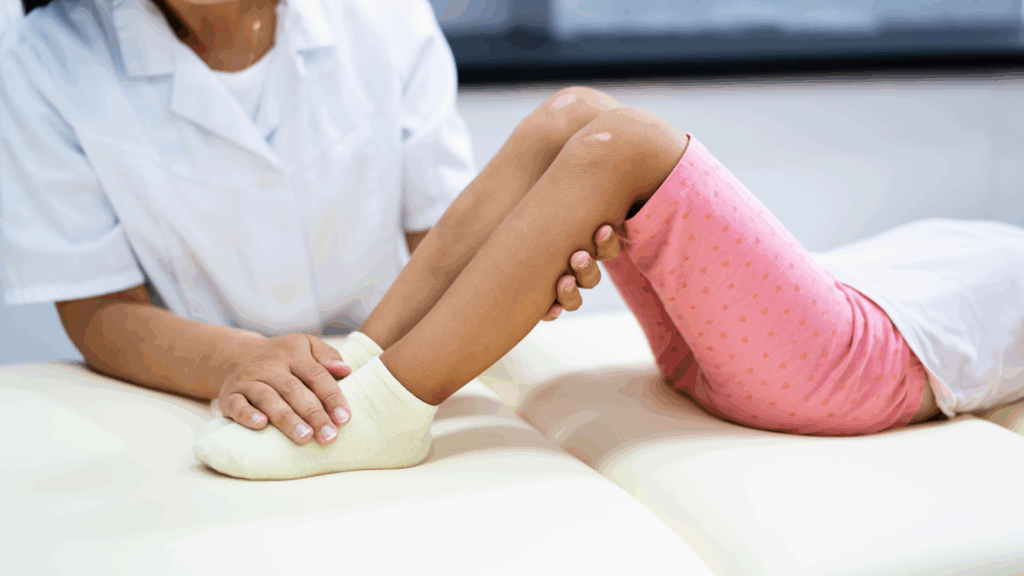
- Specific exercises for hip strength and flexibility
- Gait retraining to promote straighter walking patterns
4Custom Orthotics (if needed)
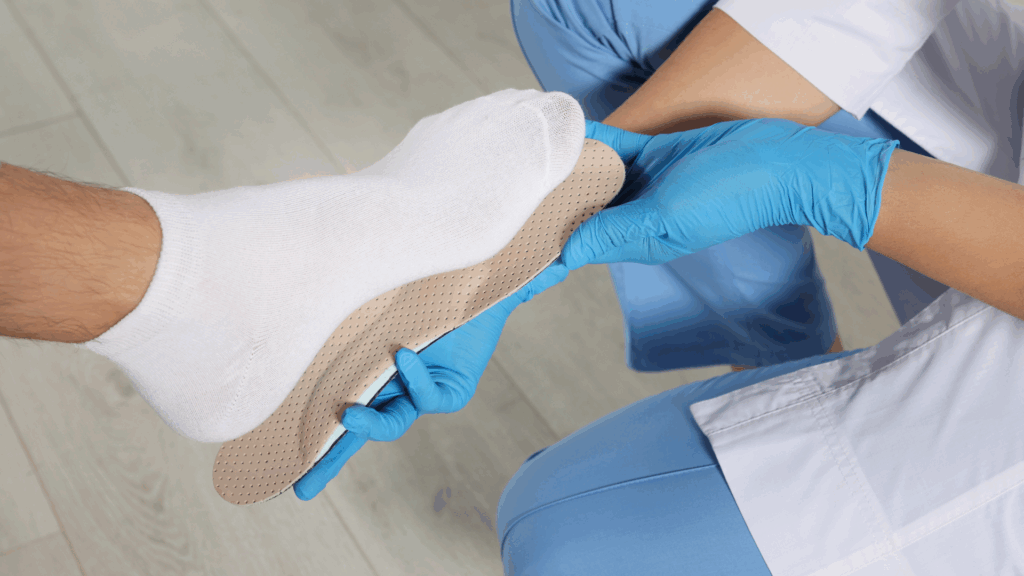
- Insoles with out-toe gait plates prescribed by a podiatrist can guide foot alignment in certain cases.
5Surgical Intervention
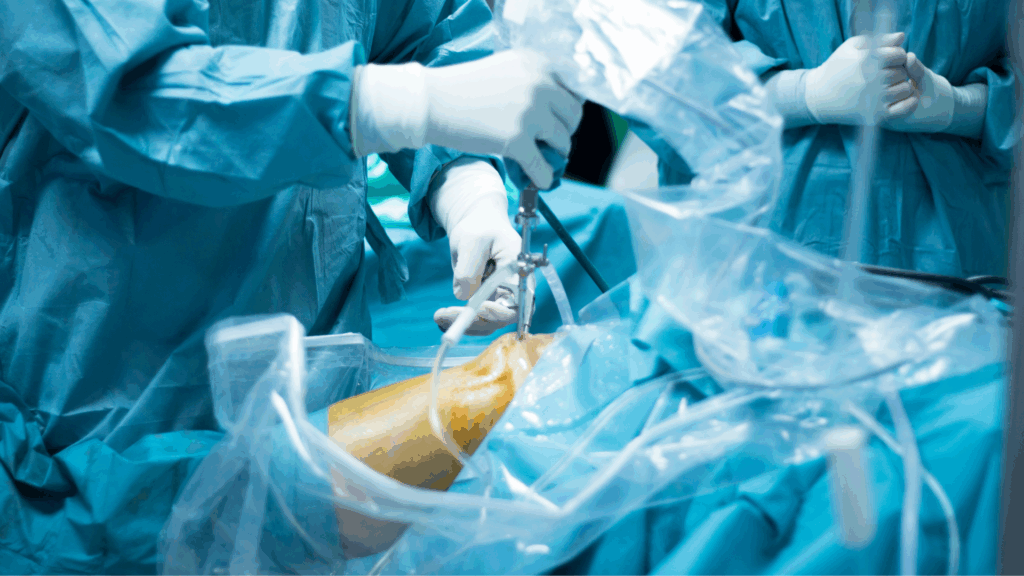
- Rarely needed, only for severe cases that don’t improve naturally by adolescence.
How Do You Fix a Pigeon Toe?
Parents can take practical steps:
Choose the right shoes: Avoid overly stiff footwear; choose flexible soles that encourage natural movement.
Promote good sitting habits: Encourage cross-legged sitting instead of “W-sitting.”
Book a professional assessment: Physiotherapists and podiatrists can identify whether the cause is in the foot, shin, or hip, and recommend exercises or orthotics.
Do Pigeon Toes Cause Pain?

For most children, pigeon toes don’t cause pain in early childhood. If pain is present, it’s a sign you should seek professional advice promptly. Pain could indicate other underlying conditions or strain from altered walking patterns.
When Should Parents in Singapore Seek Help?

Bring your child for a physiotherapy or podiatry assessment if you notice:
- Pigeon toe worsening instead of improving with age
- Frequent tripping or falling
- Complaints of leg, knee, or hip pain
- Difficulty keeping up with peers during sports
- Concern from teachers about clumsiness in PE lessons
A Parent’s Story: Reassurance Through Action
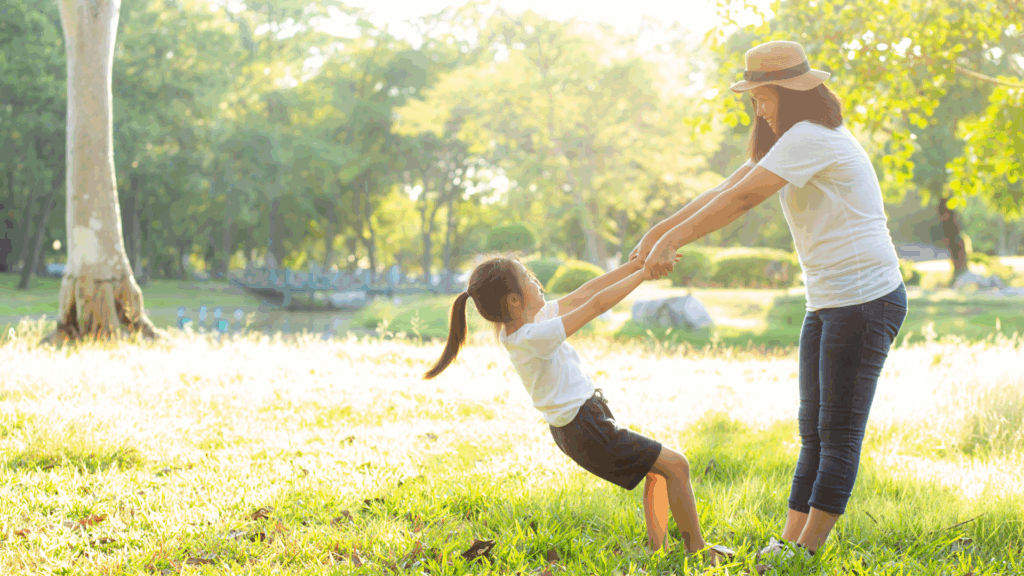
Mdm Tan, a mother in Bishan, noticed her 5-year-old daughter tripping often during ballet practice. At first, she worried her child was “just clumsy.” But a podiatry check confirmed mild femoral anteversion. With simple home exercises and occasional check-ups, her daughter’s walking improved within a year. Today, she’s happily twirling in ballet class without stumbling.
Stories like these are common. Early reassurance and simple steps often make a world of difference.
Key Takeaways for Parents in Singapore

- Most cases are harmless and improve naturally.
- Genetics, bone alignment, and sitting habits all play a role.
- Active play and good footwear support healthy development.
- Physiotherapy and podiatry can help if pigeon toe is persistent, painful, or affecting confidence.
If you’ve been worrying about your child’s feet turning inward, take a breath. Pigeon toe is common, often self-correcting, and rarely limits a child’s future. With the right mix of patience, play, and professional support when needed, your child can walk, run, and thrive confidently.
And if you’re unsure, our team at Physio & Sole Clinic is here to guide you, whether it’s answering questions, assessing your child’s gait, or providing treatment options tailored for growing feet.
Ready to feel better?
Book a consultation with our physiotherapy team to get an assessment tailored to you.
FAQs Parents Ask About Pigeon Toe
Yes, but most cases appear in childhood. Adults with untreated pigeon toe may experience joint pain or gait inefficiency.
Yes. Flexible, well-fitted shoes that allow natural movement are best. Avoid stiff or restrictive footwear.
Yes, it can reinforce inward hip rotation. Encourage alternative sitting postures.
It’s uncommon but possible if children return to habits like excessive W-sitting or if growth patterns shift.