Skip to content



Quick Overview
At Physio & Sole Clinic, physiotherapists and podiatrists work together under a shared care plan — a model known as co-managed or conjoint care. This integrated approach is particularly effective for complex lower limb conditions such as plantar fasciitis, post-surgical rehabilitation, flat feet, and sports injuries, where both movement rehabilitation and foot biomechanics need to be addressed simultaneously. Rather than shuttling between separate providers, patients receive coordinated treatment under one roof across 11 locations in Singapore, with no referral required.
In This Blog
- What Is Co-Managed Physiotherapy and Podiatry Care?
- Which Conditions Benefit from Co-Managed Physio and Podiatry Care?
- What Are the Benefits of Co-Managed Care for Patients?
- How Do Physiotherapists and Podiatrists Work Together at Physio & Sole Clinic?
- How to Get Started at Physio & Sole Clinic
- Frequently Asked Questions
Enhance patient outcomes with conjoint Physiotherapy and Podiatry care in Singapore. In Singapore’s fast-paced urban lifestyle, we often see patients juggling work, family, and fitness — until pain or injury slows them down. For complex lower limb conditions, musculoskeletal pain, or post-surgical rehab, no single discipline can address all contributing factors.
That’s where co-managed care between physiotherapists and podiatrists comes in.
At Physio & Sole Clinic, our integrated model provides streamlined, holistic treatment, combining the strengths of podiatry (foot structure, gait, and footwear) with physiotherapy (movement, strength, and recovery) to deliver optimal outcomes.
What Is Co-Managed Physiotherapy and Podiatry Care?
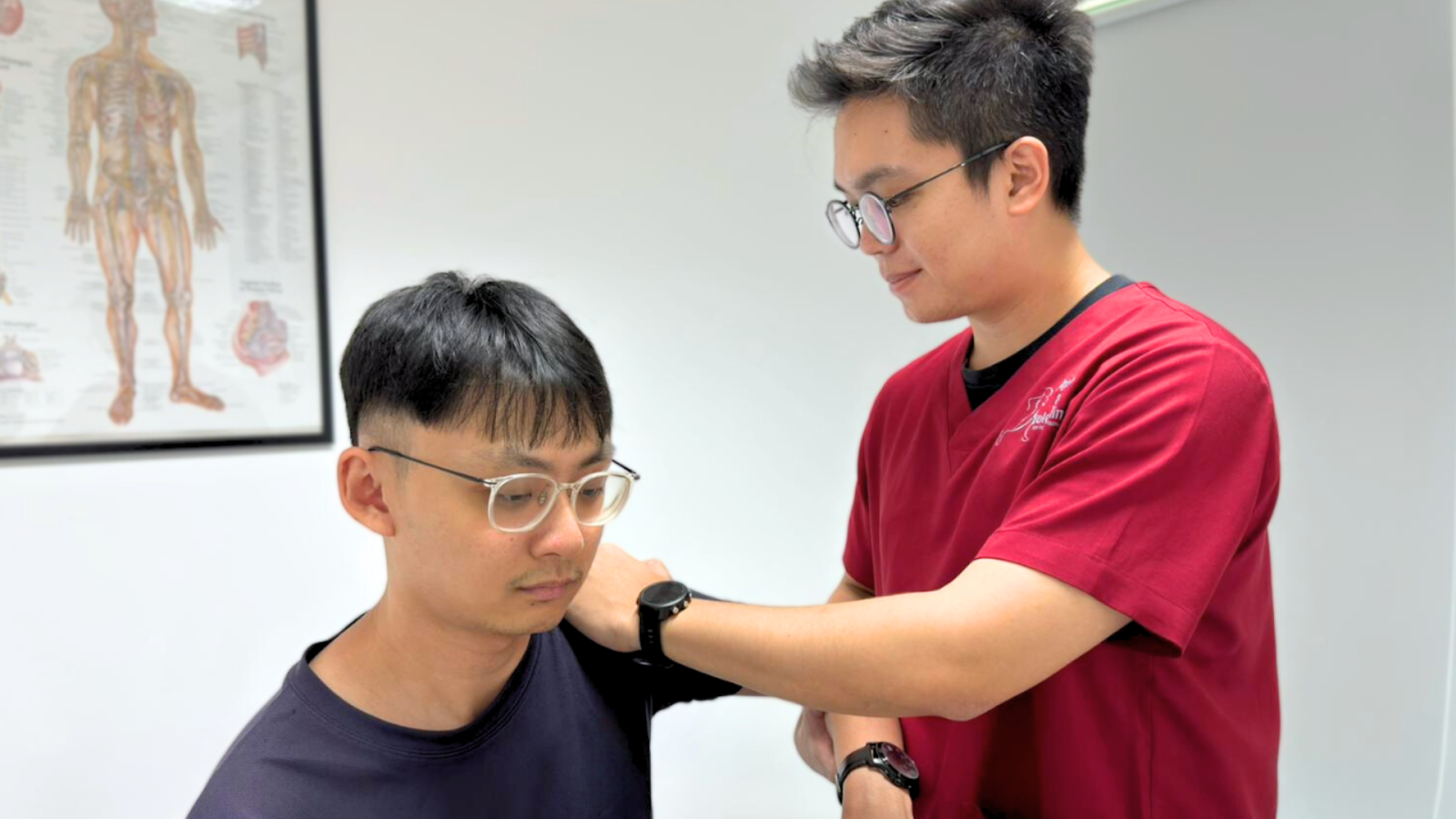
Conjoint management refers to two or more healthcare professionals coordinating treatment to address a patient’s condition from multiple angles. In our context, it means physiotherapists and podiatrists work hand-in-hand — not just sharing space, but actively co-treating patients under a shared care plan.
This is especially useful in Singapore, where patients often look for fast, effective solutions without needing to shuttle between clinics or wait months for follow-ups in the public sector.
Which Conditions Benefit from Co-Managed Physio and Podiatry Care?

We often receive referrals from orthopaedic clinics in Mount Elizabeth, Parkway East, and more, especially for these cases:
- Plantar Fasciitis
Common among active adults and NSmen. Co-managed care supports pain relief through gait correction, muscle strengthening, and load management — helping patients return to daily activities faster and with less recurrence.
- Post-Bunion or Foot Surgery Rehabilitation
A coordinated approach helps with wound care, mobility restoration, swelling control, and a safe return to walking, work, or sport — all tailored to the patient’s post-op timeline.
- Post-Surgical Rehabilitation
In cases such as Achilles tendon repairs, ankle fractures, or complex foot surgeries, co-managed care ensures proper support through each recovery phase — from protection and offloading to strength and functional training.
- Flat Feet in Children
Often picked up during school health checks or NS enlistment screenings. Early intervention helps improve alignment, posture, and movement patterns to reduce discomfort and prevent long-term issues.
- Sports Injuries from Running or HIIT
Common injuries like ankle sprains or tendinopathies benefit from a combined focus on pain relief, biomechanics, and structured return-to-sport protocols.
- Forefoot or Metatarsalgia Pain
Often seen in patients who wear heels or safety boots. Treatment focuses on pressure relief, footwear optimisation, and improving gait and muscle function to reduce pain and recurrence.
What Are the Benefits of Co-Managed Care for Patients?
1. Holistic Diagnosis and Treatment
Many lower limb conditions stem from a combination of biomechanical issues, muscular imbalances, and movement dysfunctions.
- Podiatrists address structural alignment, gait abnormalities, and footwear concerns.
- Physiotherapists focus on soft tissue injuries, joint mobility, and functional movement patterns.
Together, they provide a comprehensive treatment plan that tackles both symptoms and root causes — not just short-term relief, but long-term results.
2. Faster & More Effective Recovery
With both disciplines involved from the outset, patients benefit from timely, well-rounded interventions.
- While the podiatrist manages mechanical loading with orthotics or footwear advice,
- The physiotherapist works on restoring strength, control, and mobility.
This integrated care shortens recovery time, minimises complications, and helps patients get back to daily life or sports with confidence.
3. Convenience and Continuity of Care
In Singapore, where time is a premium, patients appreciate seamless care:
- We offer physiotherapy and podiatry services under one roof.
- With multiple branches across the islandwide in Singapore (Yishun, Orchard, Tampines, Jurong), patients can book sessions close to home or work.
They no longer need to coordinate care across different providers — we do it for them, saving time and reducing drop-offs/drop-outs in care.
4. Clear Communication for Referring Doctors
We support referring doctors with a transparent, coordinated care pathway:
- Shared clinical notes between podiatrists and physiotherapists
- Regular patient progress updates
- Escalation protocols for specialist referral if needed
We hope doctors can refer patients to us with confidence, knowing that their patients are receiving aligned, collaborative treatment designed to maximise outcomes.
Not sure whether you need a physiotherapist, a podiatrist, or both? Our team can assess your condition and recommend the right care pathway — no referral needed. Book an Appointment →
How Do Physiotherapists and Podiatrists Work Together at Physio & Sole Clinic?

At Physio & Sole Clinic, collaboration is built into our care model. Here’s how it works in our clinics:
- Joint assessments: For patients with persistent foot pain or sports injuries, both the physiotherapist and podiatrist may perform a biomechanical assessment together.
- Shared treatment plans: The podiatrist may address footwear or prescribe orthotics, while the physiotherapist focuses on strength, mobility, and functional retraining.
- Coordinated follow-ups: Progress is reviewed across disciplines, so care remains aligned and efficient.
This model is especially helpful for referring orthopaedic surgeons, GPs, paediatricians, and endocrinologists, where there is continuity of care post-referral.
How to Get Started at Physio & Sole Clinic
Referring to Physio & Sole Clinic is straightforward and convenient. Feel free to request hard or soft copies of our referral pads directly from any of our branches. All we need is basic information about the patient, the patient’s condition and aim of treatment, and your clinic’s contact information.
Visit www.physioandsole.com.sg to explore our services and learn more about our conjoint approach.
We welcome referrals from:
- Orthopaedic specialists
- General practitioners and polyclinics
- Sports medicine physicians
- Paediatricians
- Diabetes care teams
- Corporate wellness and occupational health providers
If you’d like to discuss referral pathways or conjoint management protocols in more detail, our team would be happy to assist.

Let’s Work Together for Better Patient Outcomes
In a healthcare system where efficiency, accuracy, and outcomes matter, conjoint care between physiotherapists and podiatrists offers real value — not just to patients, but to referring doctors who want continuity and confidence in post-referral care.
At Physio & Sole Clinic, we’re committed to delivering integrated, evidence-based treatment tailored to each patient’s needs. Whether it’s a sports injury, post-surgical rehab, or chronic foot pain, patients can benefit from a team that works together — so they can move better, recover faster, and stay pain-free.
Whether you’re dealing with plantar fasciitis, recovering from foot surgery, or managing a persistent lower limb injury, co-managed care at Physio & Sole Clinic means you get the full picture — not just part of it. Our physiotherapists and podiatrists work hand-in-hand so you recover faster and stay pain-free longer. Let’s collaborate for stronger patient outcomes, together. Book an Appointment →
Resources from Physio & Sole Clinic
This article is part of Physio & Sole Clinic’s Guide to Physiotherapy. Our physiotherapists treat a wide range of musculoskeletal conditions across Singapore.
- Private vs Public Physiotherapy in Singapore
Find out which option gets you faster access, more personalised care, and better value for your recovery journey.
- Signs You Need Physiotherapy
Learn the key warning signs early, so you can seek treatment before pain or injury gets worse.
- What to Look for in A Physiotherapist in Singapore
Discover how to choose a qualified physiotherapist you can trust for safe, effective results.
- What to Expect at Your First Physiotherapy Appointment
Know exactly what happens in your first session, so you feel confident and prepared before you visit.
- Physiotherapy Cost in Singapore — What’s Covered?
Understand treatment costs, insurance options, and ways to make physiotherapy more affordable.
Frequently Asked Questions
- Do I need to see both a physiotherapist and a podiatrist?
Not necessarily, it depends on your condition. For straightforward musculoskeletal injuries, a physiotherapist alone may be sufficient. For conditions involving foot biomechanics, gait abnormalities, or footwear concerns, a podiatrist may be the primary clinician. However, for complex lower limb conditions such as plantar fasciitis, post-surgical rehab, or sports injuries involving both soft tissue and structural factors, co-managed care involving both disciplines often produces better outcomes. Our clinicians will assess your condition and recommend the most appropriate care pathway at your first visit. - Do I need a doctor’s referral to access co-managed care at Physio & Sole Clinic?
No. You can book directly with either a physiotherapist or a podiatrist at Physio & Sole Clinic without a referral. If our clinicians determine that conjoint management would benefit your condition, they will set up a shared care plan. If you have been referred by an orthopaedic surgeon, GP, or specialist, we welcome referral letters as they provide useful clinical context. - Which conditions are most commonly treated through co-managed care at Physio & Sole Clinic?
The most common conditions we co-manage include plantar fasciitis, post-bunion and foot surgery rehabilitation, Achilles tendon injuries, flat feet in children and adults, shin splints, metatarsalgia, and sports injuries involving the ankle, knee, or lower limb. If you are unsure whether your condition would benefit from co-managed care, our clinicians will advise you at your initial assessment.