
Quick Summary
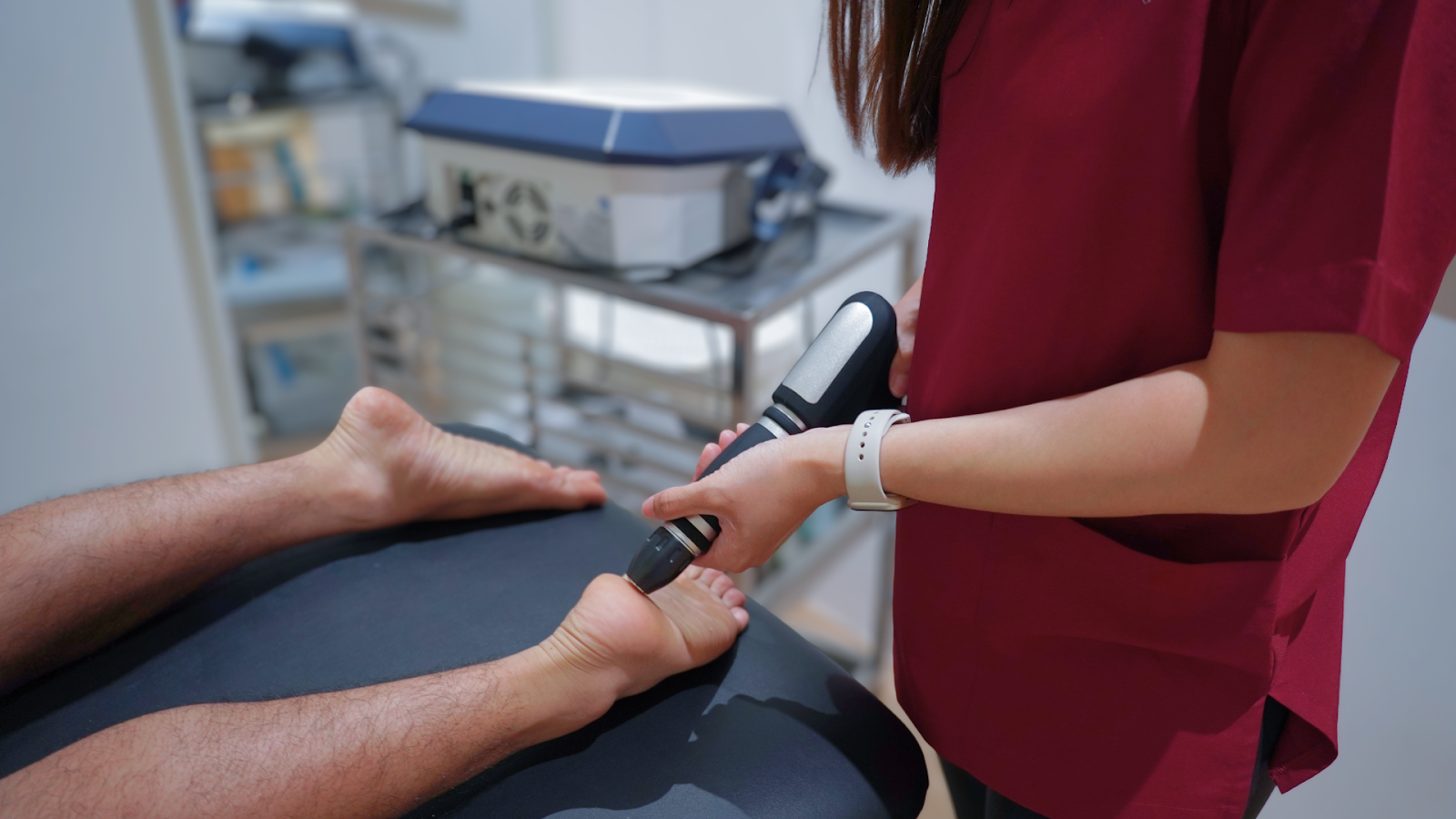
Shockwave therapy is a proven treatment for tendonitis, with clinical success rates of around 80% for conditions such as Achilles tendonitis and plantar fasciitis.
It is a non-invasive solution that stimulates the body’s natural healing process without the downtime associated with surgery.
Most patients require 3–6 sessions combined with rehabilitation to achieve optimal results.
A proper assessment by a podiatrist in Singapore helps determine whether shockwave therapy is suitable and ensures the best outcomes.
What is Shockwave Therapy for Tendonitis?
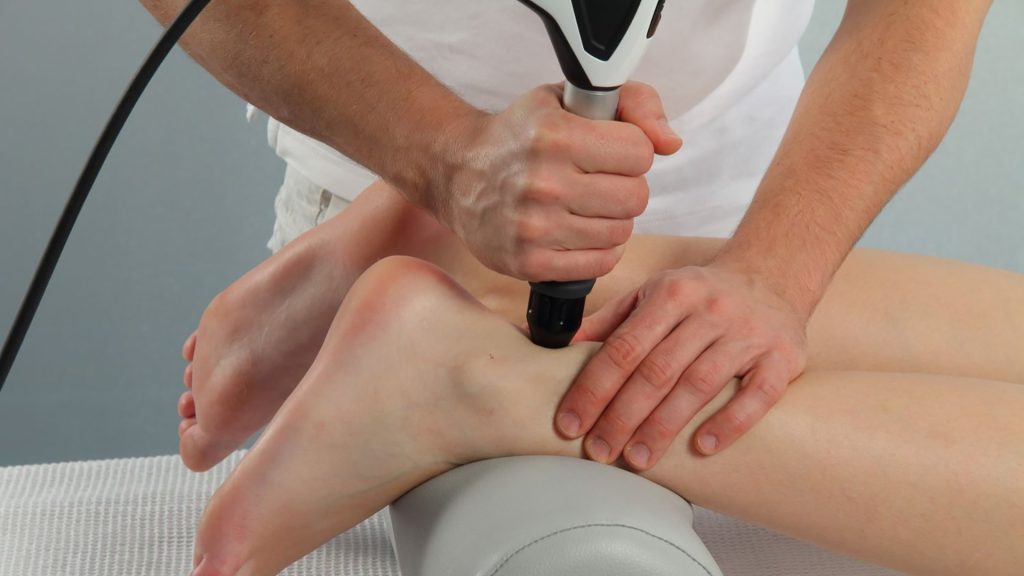
Shockwave therapy, also known as Extracorporeal Shockwave Therapy (ESWT) or Radial Shockwave Therapy (RSWT), is a non-invasive treatment used to manage chronic tendon conditions.
It works by delivering controlled mechanical energy to injured tissue, helping to stimulate healing in tendons that have not responded to rest or conventional treatment.
Clinical studies show that shockwave therapy for tendonitis success rates are approximately 80%, particularly effective for conditions such as Achilles tendonitis and plantar fasciitis.
Success is typically defined as a meaningful reduction in pain and improved function, allowing patients to return to daily activities or sport.
What Is Chronic Plantar Fasciitis?

Tendon injuries are increasingly common in Singapore due to lifestyle and work demands.
Many individuals are active runners or participate in endurance events, while others spend long hours standing in roles such as healthcare, retail, and F&B. Over time, repetitive stress places a significant load on tendons.
Surgical treatment comes with:
- Higher costs in private healthcare settings
- Recovery timelines of 3–6 months or longer
- Time away from work and daily activities
Shockwave therapy provides a practical alternative that aligns with Singapore’s emphasis on early intervention and non-invasive care.
It allows patients to continue working and stay active while undergoing treatment.
Who Is Shockwave Therapy Suitable For?

Shockwave therapy is most effective for patients with:
- Chronic tendonitis lasting more than 4–6 weeks
- Conditions such as Achilles tendonitis, plantar fasciitis, or patellar tendonitis
- Persistent pain despite rest, stretching, or medication
- Recurring injuries in runners or athletes
- Seeking alternative treatment from surgery
- Degenerative tendon changes (tendinosis)
It is particularly suitable for individuals who want to avoid surgery and minimise downtime.
What Does Shockwave Therapy Typically Include?
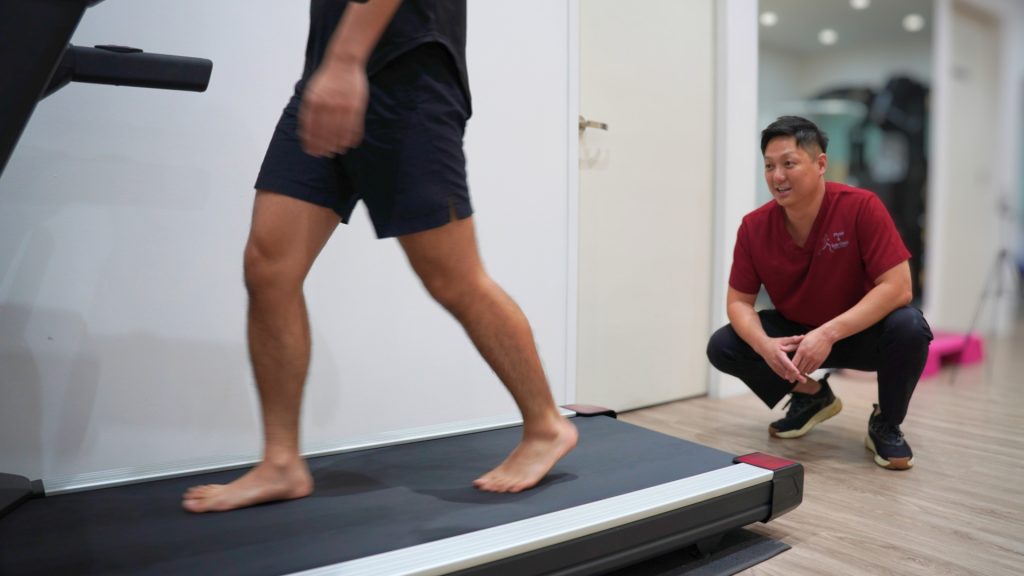
A structured shockwave therapy programme typically includes:
- Clinical assessment by a podiatrist in Singapore to diagnose the root cause
- Movement and biomechanical evaluation
- A treatment plan of 3–6 sessions
- Targeted shockwave therapy application to the affected tendon
- Integration with physiotherapy rehabilitation to restore strength and function
- Progress tracking and reassessment
At Physio & Sole Clinic, shockwave therapy is delivered through a combined podiatry and physiotherapy approach, ensuring both accurate diagnosis and structured recovery.
Step-by-Step Shockwave Therapy Treatment Process
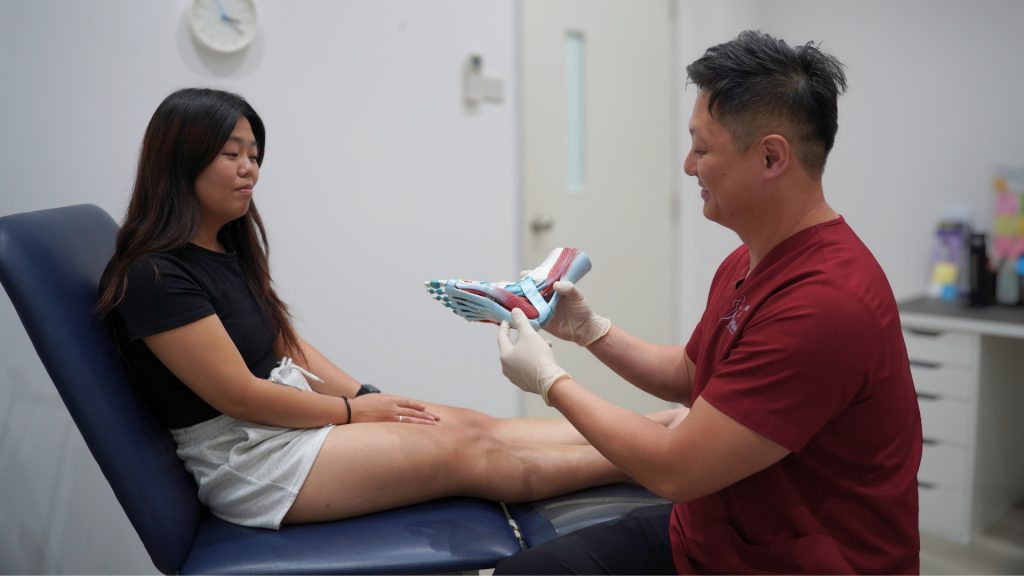
1Initial Consultation and Diagnosis
A detailed clinical assessment is performed to confirm the type and severity of tendon injury.
2Identification of Tendon Pathology
The clinician determines whether the condition is inflammatory or degenerative.
3Customised Treatment Plan
A tailored plan is created based on your condition, lifestyle, and recovery goals.
4Shockwave Therapy Sessions
Treatment is typically delivered once per week over 3–6 sessions.
5Integration with Rehabilitation
Strengthening and load management exercises are introduced alongside treatment.
6Functional Reassessment
Progress is monitored to determine readiness to return to normal activity or sport.
Shockwave Therapy vs Surgery for Tendonitis
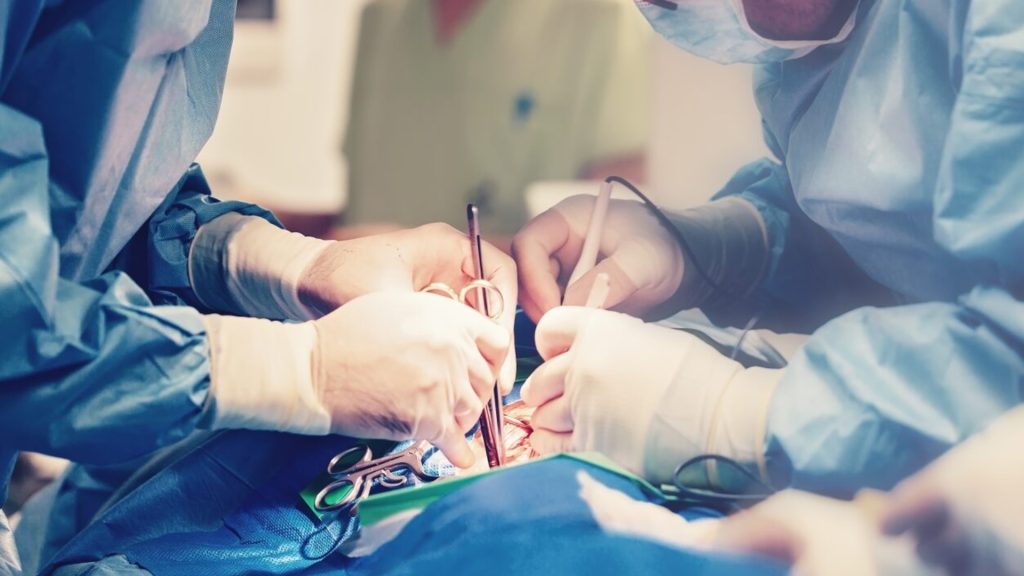
| Factor | Shockwave Therapy | Surgery |
|---|---|---|
| Invasiveness | Non-invasive | Invasive |
| Success Rate | ~80% | ~70–85% |
| Downtime | Minimal | 3–6 months |
| Cost | Moderate | High |
| Risk | Low | Higher (infection, complications) |
For many patients, shockwave therapy is considered a first-line treatment before exploring surgical options.
What Do the Clinical Evidence and Success Rates Show?
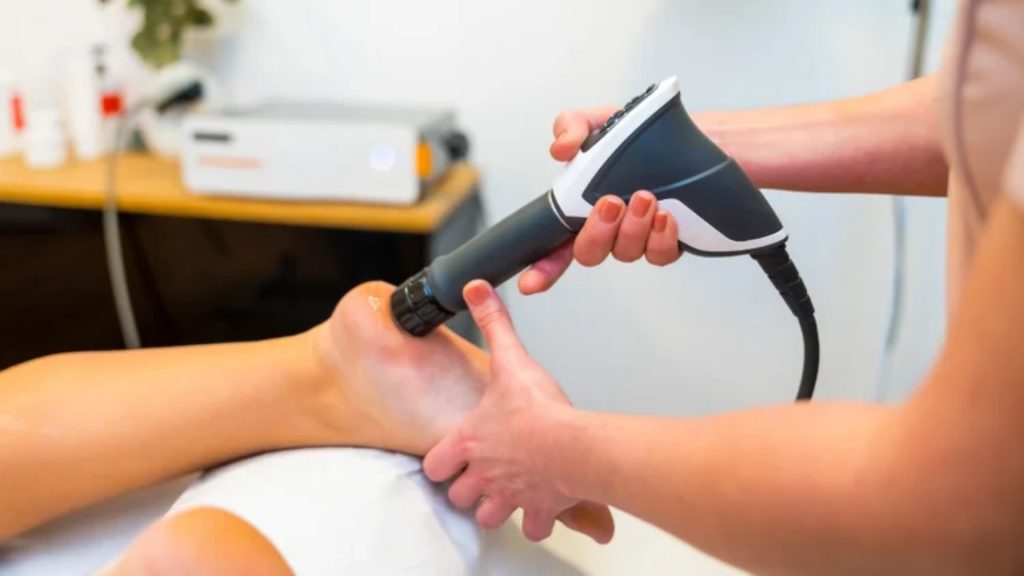
Clinical research consistently supports the effectiveness of shockwave therapy for chronic tendon conditions.
Reported outcomes show that around 80% of patients experience significant improvement, particularly in:
- Achilles tendonitis
- Plantar fasciitis
However, results are influenced by:
- How long the condition has been present
- Severity of tendon degeneration
- Adherence to rehabilitation
This highlights the importance of proper diagnosis and a structured treatment plan.
How Does Shockwave Therapy Work?
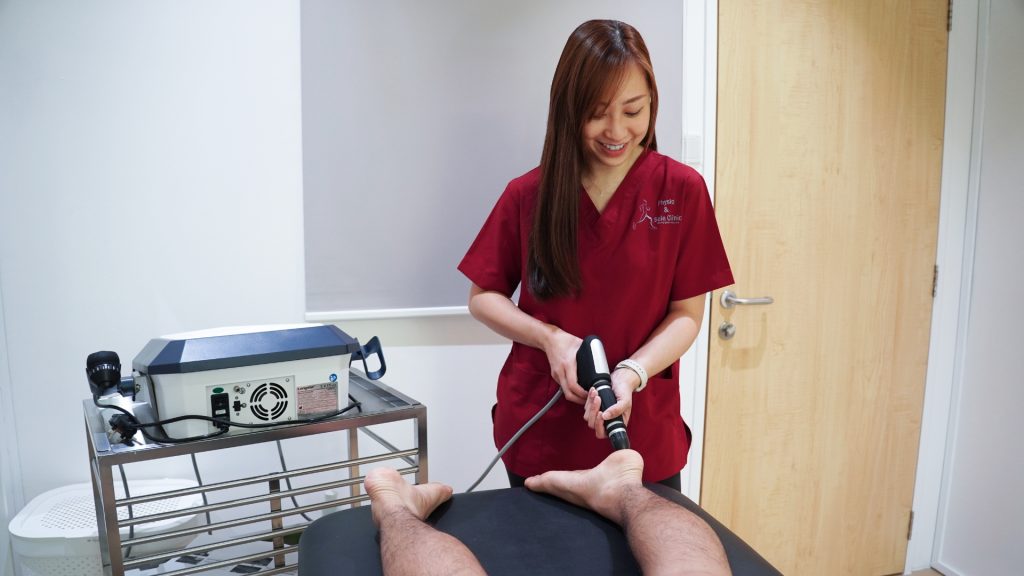
Shockwave therapy works by stimulating the body’s natural healing response through controlled mechanical energy.
This process leads to:
- Micro-trauma stimulation that triggers repair
- Increased blood flow to the affected tendon
- Enhanced collagen production
- Breakdown of calcifications
- Reduction in pain signals
In simple terms, it helps restart healing in tendons that have become “stuck” in a chronic state.
Risks of Delaying or Avoiding Proper Treatment
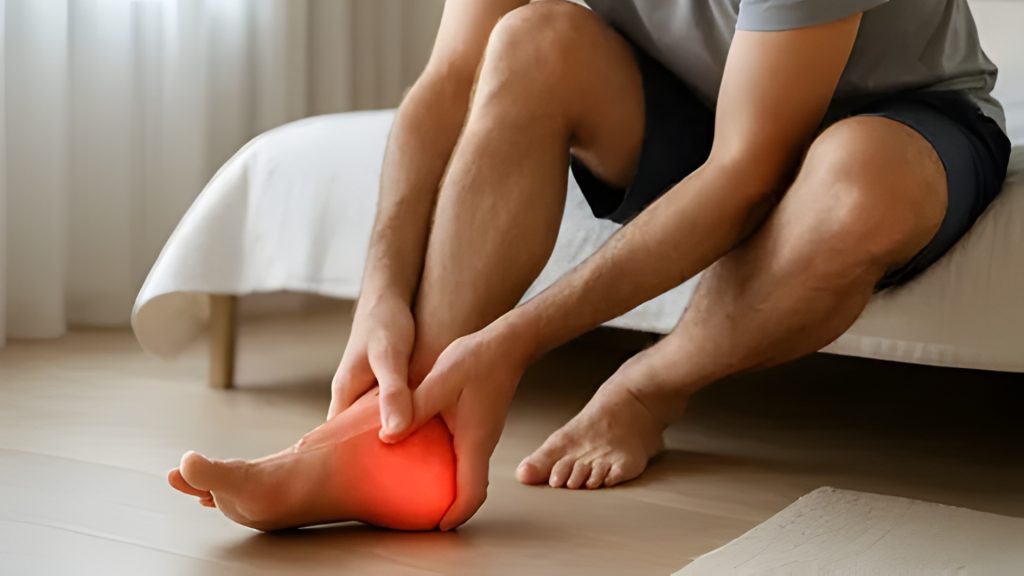
Untreated tendonitis can progress into more serious conditions over time.
Common risks include:
- Chronic, persistent pain
- Tendon degeneration (tendinosis)
- Reduced mobility and performance
- Increased likelihood of requiring surgery
- Longer and more complex recovery
Early intervention significantly improves outcomes and reduces long-term complications.
Your Recovery Without Surgery Starts Here
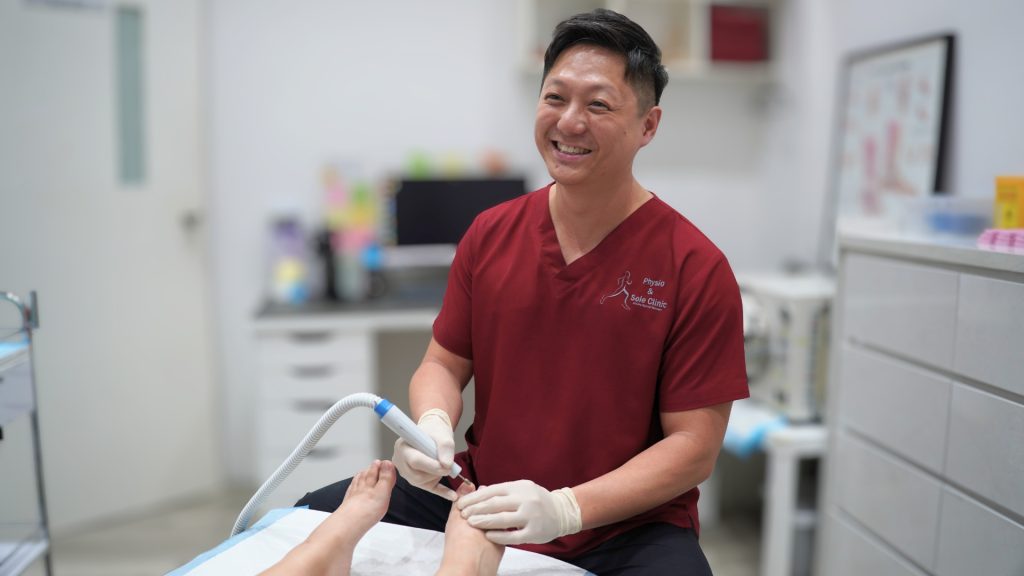
Shockwave therapy is a clinically proven, evidence-based treatment for tendonitis,
It offers a non-invasive alternative to surgery, allowing patients to recover with minimal disruption to their daily lives.
However, the best outcomes are achieved through accurate diagnosis, structured treatment, and guided rehabilitation.
If you are still unsure whether shockwave therapy is suitable for your condition, the first step is a proper clinical assessment.
At Physio & Sole Clinic, our team combines podiatry and physiotherapy to provide precise, evidence-based care. Book an appointment with us and we'll help you pinpoint the cause of your tendon pain and guide your recovery effectively.
Ready to feel better?
Book a consultation with our physiotherapy team to get an assessment tailored to you.
Frequently Asked Questions (FAQ)
Shockwave therapy has a success rate of around 80%, especially for chronic cases that have not improved with other treatments.
Most patients experience mild discomfort during treatment, but it is generally well tolerated and does not require downtime.
In many cases, yes. It is often recommended before surgery due to its non-invasive nature and strong clinical outcomes.
Most patients require 3–6 sessions, depending on the severity of the condition.
Daily activities can usually continue during treatment, with a gradual return to sport guided by your clinician.
Results can be long-lasting when combined with proper rehabilitation and load management.
Certain conditions may not be suitable. A clinical assessment is required to determine eligibility.