Quick Summary
Shockwave treatment is a proven, non-invasive treatment for chronic tendon and muscle pain, but results vary widely from patient to patient. This article explains why: shockwave tends to work best when the pain is load-related, when it's combined with a proper rehabilitation programme, and when the daily habits that caused the overload are also addressed. On its own, shockwave can reduce pain and kickstart healing, but it doesn't strengthen tissue or fix the underlying cause. Read on to understand what shockwave therapy can (and can't) do, and how to get lasting results from it.
The Problem: Persistent Pain That Just Won’t Go Away
If you’ve been dealing with persistent tendon or muscle pain, chances are you’ve heard about shockwave treatment.
Some patients tell me it was a game-changer. “Others say it helped… briefly.” And a few wonder why it didn’t seem to work at all.
As a physiotherapist, this question comes up often: “Why does shockwave therapy work for some people, but not others?”
The short answer is this: Shockwave therapy isn’t the treatment itself, it’s the trigger. What happens around it determines whether it truly helps.
Let me explain.
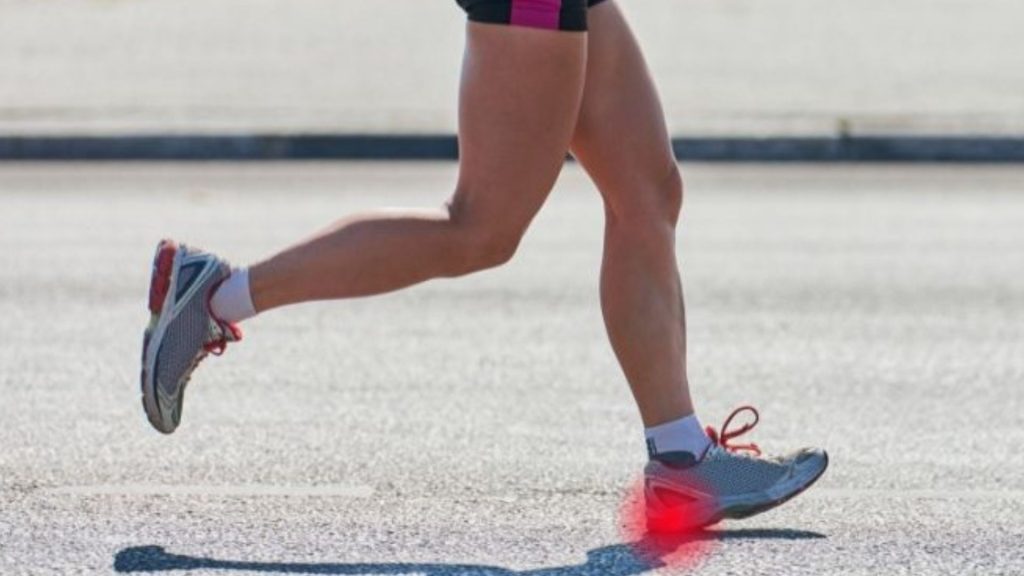
Many active adults, runners, gym-goers, and office workers in Singapore come to us with conditions like:
Plantar fasciitis
Achilles tendinopathy
Tennis or golfer’s elbow
Chronic shoulder or hip tendon pain
They’ve often tried:
Resting
Stretching
Massage
Painkillers
And when symptoms linger for months, shockwave treatment starts to sound like the next logical step.
The Frustration: “It Helped… Then the Pain Came Back”

Here’s the part that frustrates patients most: “The pain improved after shockwave, but a few weeks later, it returned.”
This doesn’t mean shockwave therapy failed. It usually means the expectations around it were incomplete. Shockwave is frequently misunderstood as a fix. In reality, it’s better understood as a biological signal.
What Does Shockwave Therapy Actually Do?
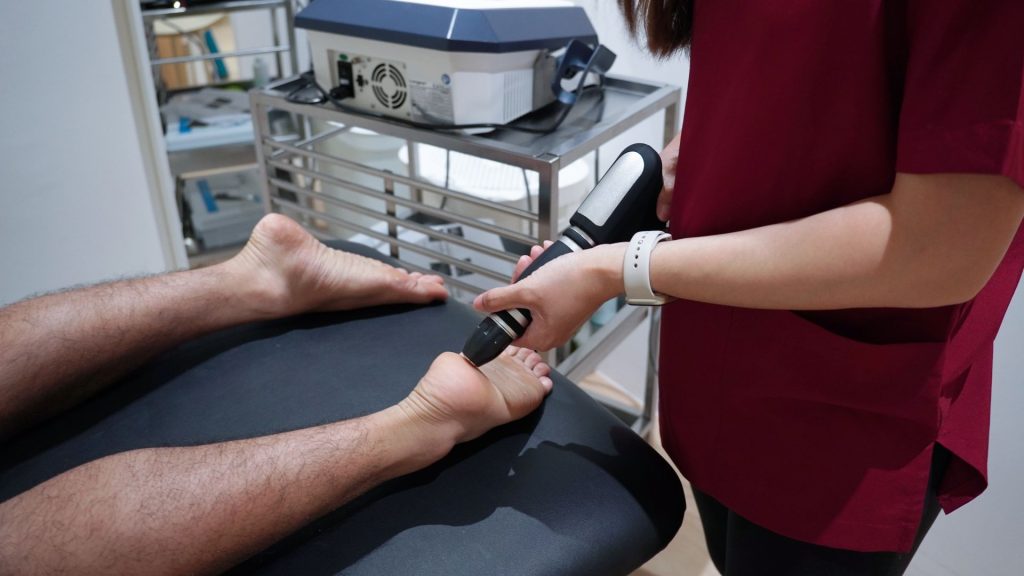
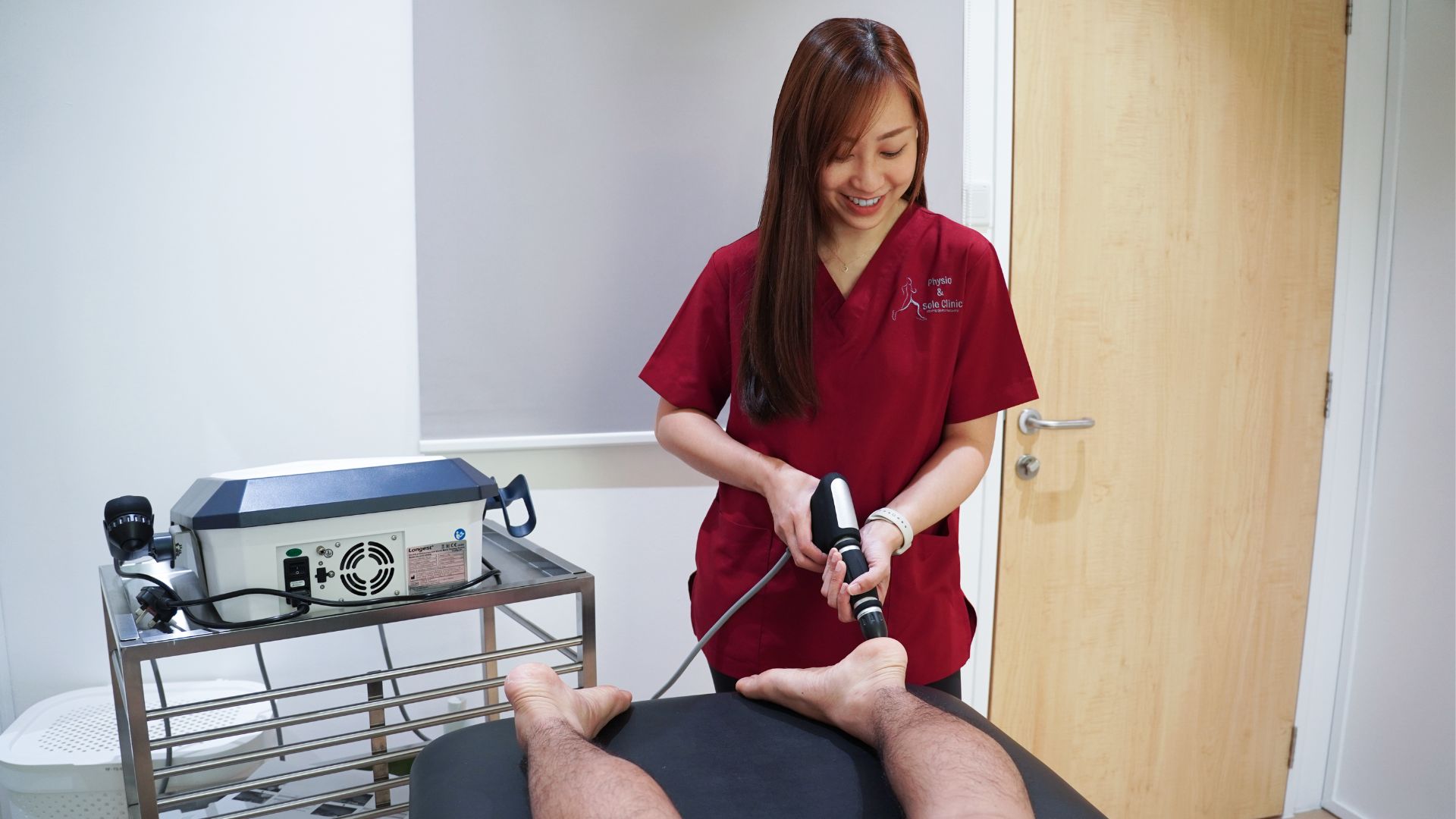
Shockwave treatment uses controlled acoustic waves applied to injured tissue. Clinically, it can:
Increase local blood flow
Stimulate cellular activity in chronically irritated tissue
Reduce pain sensitivity
Encourage stalled healing processes to restart
In simpler terms, shockwave therapy tells your body:
“Pay attention here. Something needs to change.”
But it does not:
Strengthen weak tissue
Correct overload
Fix movement habits
Replace rehabilitation
This distinction is critical.
Is Shockwave Therapy a Cure or Just Pain Relief?
Shockwave therapy can provide pain relief, sometimes quickly, but pain relief alone is not the same as healing.
Think of shockwave treatment like rebooting a system. If the underlying issue causing overload remains unchanged, the pain often returns.
That’s why some people feel better temporarily, while others improve long-term.
Why Shockwave Therapy Works for Some People but Not Others
In my experience, shockwave treatment tends to work best when three conditions are met:
1The Pain Is Load-Related
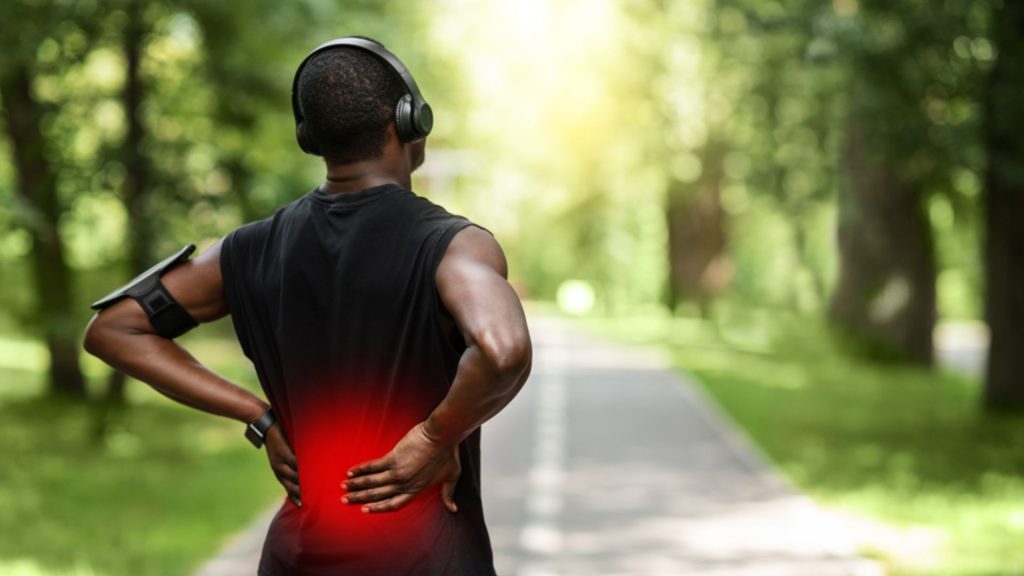
Most tendon pain isn’t caused by a single injury, it develops when tissue capacity can’t keep up with daily demands.
Examples:
A runner increasing mileage too quickly
Long hours standing or walking at work
Sudden return to gym training
Shockwave may calm pain, but capacity still needs rebuilding.
2Shockwave Is Combined with Rehabilitation
This is where outcomes differ the most.
When pain reduces after a shockwave treatment:
Exercises become tolerable
Strength can be rebuilt
Load can be reintroduced safely
This creates a window of opportunity, and rehab determines whether that window is used well.
3Daily Load Is Addressed

Even the best treatment won’t hold if:
Training volume stays the same
Footwear isn’t appropriate
Work demands overload the same tissue daily
This is why physiotherapy-led shockwave treatment focuses on what you do between sessions, not just the machine itself.
How Long Does Shockwave Therapy Take to Work?
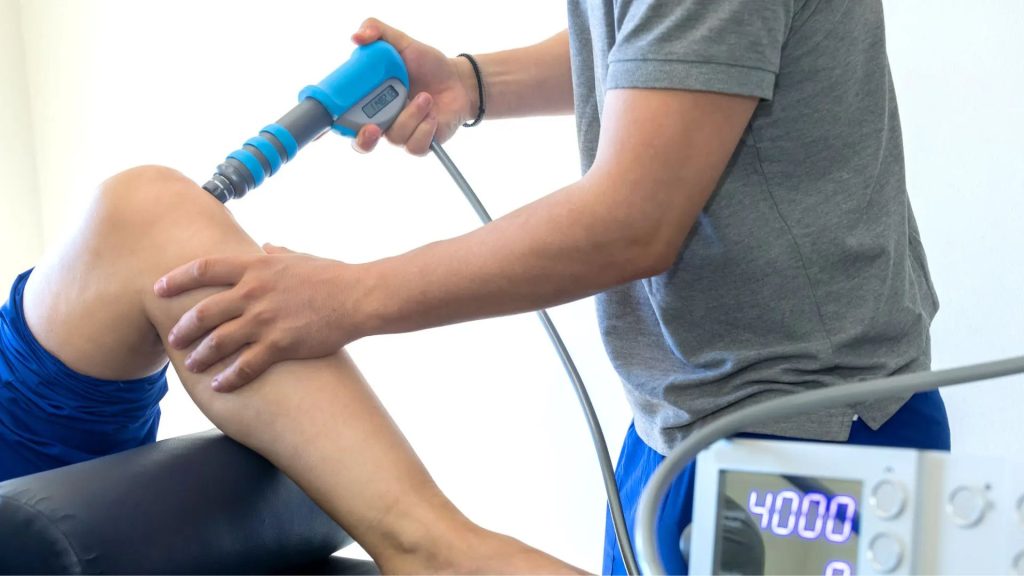
This varies, but most people notice changes over 3–6 weeks, not overnight.
Common experiences include:
Mild soreness after sessions
Gradual reduction in pain sensitivity
Improved tolerance to activity
True tissue adaptation takes time, especially for chronic tendon conditions.
Does Shockwave Therapy Heal the Tendon or Just Reduce Pain?
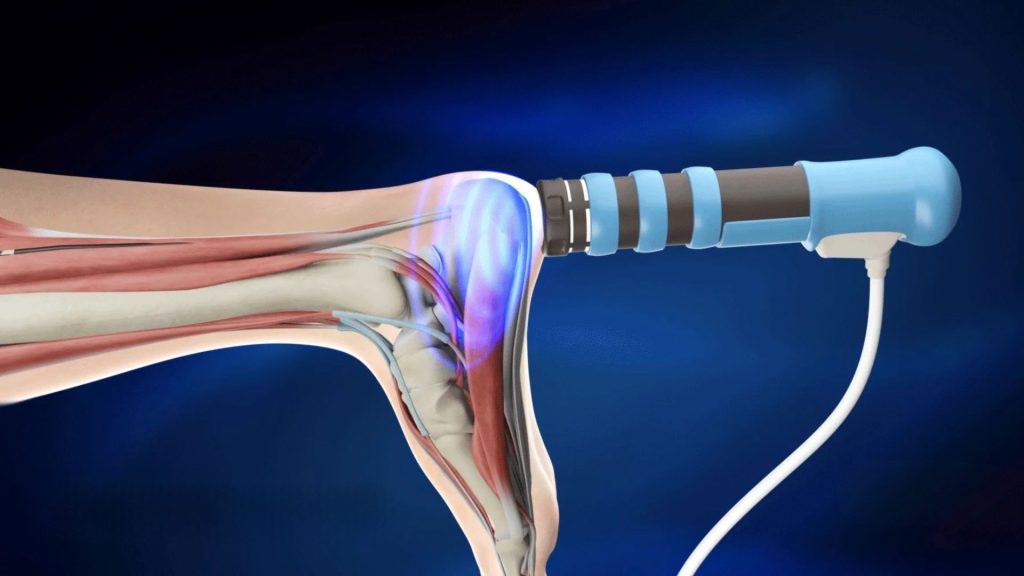
Shockwave helps create the conditions for healing, but healing itself depends on:
Progressive loading
Strengthening
Movement control
Recovery
Without these, shockwave mainly acts as short-term pain modulation.
Is Exercise Still Needed After Shockwave Therapy?

Yes, and this is one of the most important points.
Exercise:
Rebuilds tissue capacity
Improves resilience
Reduces recurrence
Shockwave reduces the barrier to movement. Exercise creates lasting change.
When Is Shockwave Therapy Not Effective?
Shockwave treatment may be less suitable when:
Pain is primarily nerve-related
The issue is acute inflammation rather than chronic irritation
Load management isn’t possible
The goal is “quick relief only” without rehab
This is why assessment matters before starting treatment.
How Many Shockwave Sessions Do I Really Need?
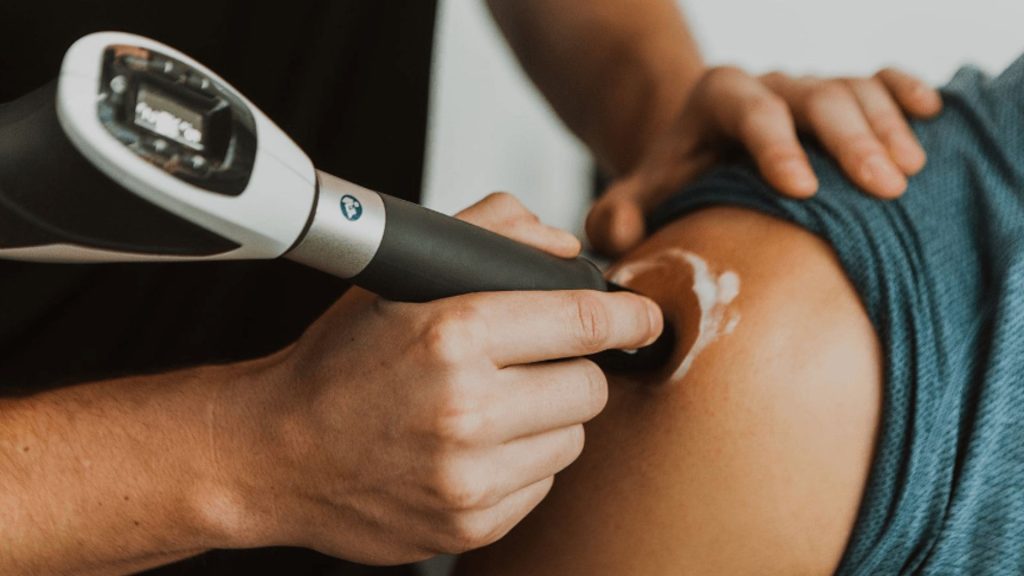
There’s no universal number.
Typically:
3–6 sessions are required
Progress is reviewed continuously
Treatment is adjusted based on response
More sessions don’t automatically mean better results.
What Should I Avoid Doing After Shockwave Treatment?

After sessions, we usually advise:
Avoid sudden spikes in activity
Follow your rehab plan
Don’t treat pain relief as a green light to overload
Recovery still needs structure.
Can Shockwave Therapy Fail If I Don’t Do Rehab Exercises?
Yes, and this is one of the most common reasons for the outcomes plateau.
Shockwave opens the door. Rehab determines whether progress lasts.
The Bottom Line: Shockwave Is a Tool, Not the Hero
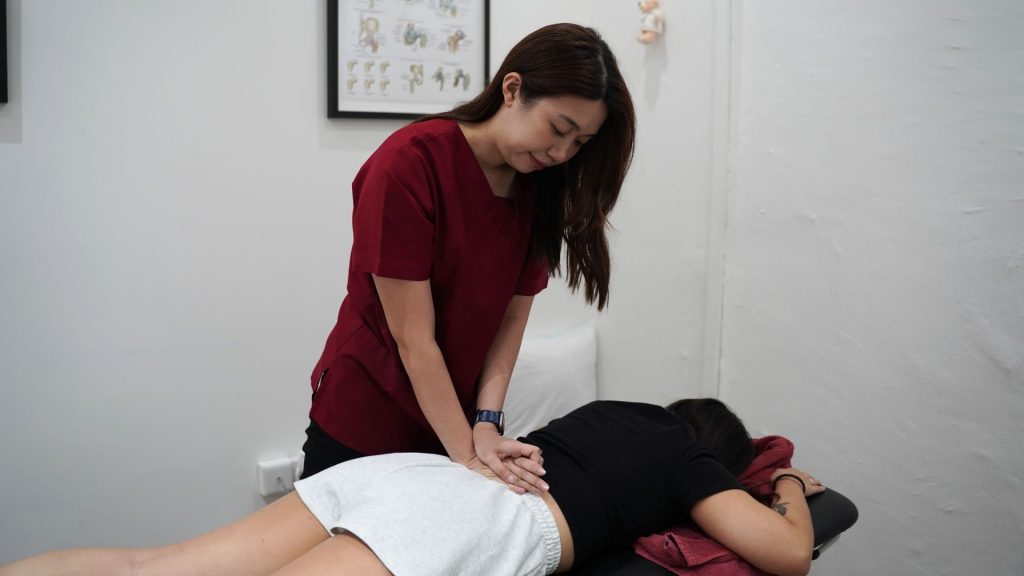
Shockwave treatment can be incredibly effective when used in the right context.
At Physio & Sole Clinic, we see the best outcomes when shockwave therapy is:
Clinically indicated
Integrated with physiotherapy
Tailored to lifestyle, sport, and work demands
If you’re considering shockwave treatment, the most important question isn’t how many sessions you need, it’s what comes with it.
Ready to Find Out If Shockwave Is Right for You?
If you’re dealing with ongoing tendon or muscle pain and aren’t sure whether shockwave treatment is enough on its own, a proper assessment makes all the difference.
To get an accurate diagnosis, you can consult a physiotherapist in Singapore at our clinic; our specialists will help you understand the real driver of your pain and determine if shockwave therapy is the right fit for your recovery plan.
Book an assessment with our physiotherapists to understand the real driver of your pain and whether shockwave therapy fits into your recovery plan.
Ready to feel better?
Book a consultation with our physiotherapy team to get an assessment tailored to you.