

Quick Summary
Hybrid athletes train across both strength and endurance disciplines, commonly through programmes like Hyrox, CrossFit, F45, and running-strength training routines. While this approach builds impressive overall fitness, it also places unique stress on the body due to the combination of high running volume and heavy strength training.
Physiotherapy helps hybrid athletes manage this load effectively. A physiotherapist can identify movement inefficiencies, optimise training progression, and prevent common injuries such as shin splints, stress fractures, knee pain, and tendon issues.
Rather than only treating pain after it appears, physiotherapy focuses on movement assessment, gait analysis, load management, and sports injury rehabilitation, helping athletes train sustainably while continuing to improve performance.
What Is Physiotherapy for Hybrid Athletes in Singapore?
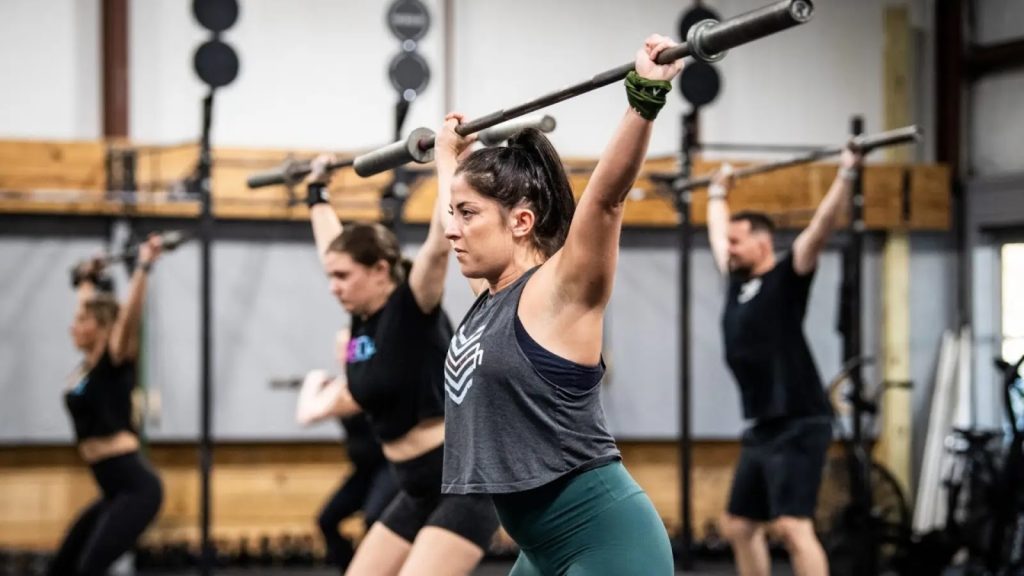
Physiotherapy for hybrid athletes in Singapore refers to specialised care provided by a physiotherapist in Singapore for individuals who train across both strength and endurance disciplines simultaneously.
Hybrid athletes commonly participate in Hyrox Singapore events, CrossFit programmes, F45 classes, and strength training combined with running.
Physiotherapy in this context focuses on:
Identifying movement inefficiencies
Managing training load across multiple disciplines
Preventing overuse injuries
Supporting recovery and return-to-training after injury
A sports physiotherapist in Singapore helps hybrid athletes balance strength and endurance training so they can continue progressing without frequent interruptions from injury.
Why Hybrid Training Is Increasing in Singapore

Hybrid fitness has grown rapidly in Singapore over the past few years.
Events such as Hyrox Singapore have introduced a format that blends running intervals with strength-based functional exercises.
At the same time, gyms and group training programmes like CrossFit and F45 have encouraged athletes to combine strength training with endurance conditioning.
Many active adults now train in ways that include:
Running multiple times weekly
High-intensity functional training
Heavy compound lifts
Competition preparation for hybrid races
However, this training model introduces a challenge known as the interference effect.
The Interference Effect
The interference effect occurs when strength training and endurance training compete for recovery resources in the body. High running mileage combined with heavy lifting can increase fatigue and reduce tissue recovery capacity.
In practice, this often leads to overuse injuries rather than sudden trauma.
As a sports physiotherapist, I frequently see hybrid athletes who are highly motivated but unknowingly push their bodies beyond sustainable recovery limits.
Who Benefits From Physiotherapy for Hybrid Athletes?

Physiotherapy support is useful for a wide range of hybrid athletes.
Hyrox Athletes
Hyrox training involves repeated cycles of running combined with strength stations, placing continuous stress on the lower limbs.
CrossFit Participants
CrossFit athletes frequently perform high-volume compound lifts, jumping movements, and conditioning workouts, which can contribute to joint overload.
F45 Members
F45 programmes often include plyometrics, functional strength work, and endurance-based circuits.
Runners Incorporating Strength Training
Many runners add gym training to improve performance, but sudden increases in strength intensity and running mileage can create overload.
Gym-Goers Combining Running and Lifting
Athletes who perform heavy lower-body lifts and regular running sessions often stress the same tissues repeatedly.
Active Adults With Recurring Injuries
Common complaints include:
Shin pain
Knee discomfort
Achilles tendon soreness
Persistent calf tightness
These are typical cases seen in sports injury physiotherapy in Singapore.
Common Injuries in Hybrid Athletes

Hybrid athletes often develop injuries related to repetitive loading under fatigue.
The most common conditions include:
Shin Splints (Medial Tibial Stress Syndrome)
A frequent issue runners face in Singapore.
Symptoms may include:
Dull aching pain along the inner shin
Pain that worsens with running
Tenderness along the tibia
This often occurs when training load increases too quickly.
Stress Fractures
Stress fractures occur when bone experiences repeated mechanical stress without adequate recovery.
Hybrid athletes may be at risk when combining:
High running volume
Plyometric training
Heavy lower-body lifts
Early identification is important to avoid prolonged recovery.
Patellofemoral Knee Pain
Knee pain is common in athletes transitioning into higher running mileage.
Contributing factors include:
Hip muscle weakness
Poor running mechanics
Sudden load increases
Achilles Tendinopathy
The Achilles tendon absorbs significant load during both running and jumping exercises.
Without adequate recovery, this can lead to tendon irritation and persistent stiffness.
Why Combining Running and Strength Training Causes Shin Pain

Shin pain is one of the most common complaints among hybrid athletes.
Heavy strength exercises such as:
Squats
Lunges
Sled pushes
load the same muscle groups used during running.
When athletes run on fatigued legs, several biomechanical changes may occur:
Shorter stride length
Altered foot strike pattern
Increased calf loading
Over time, these changes increase stress on the tibia and surrounding tissues, leading to shin splints.
A physiotherapist in Singapore may address this through:
Running gait analysis
Strength correction exercises
Load management strategies
How Physiotherapy Helps Hybrid Athletes Train Safely
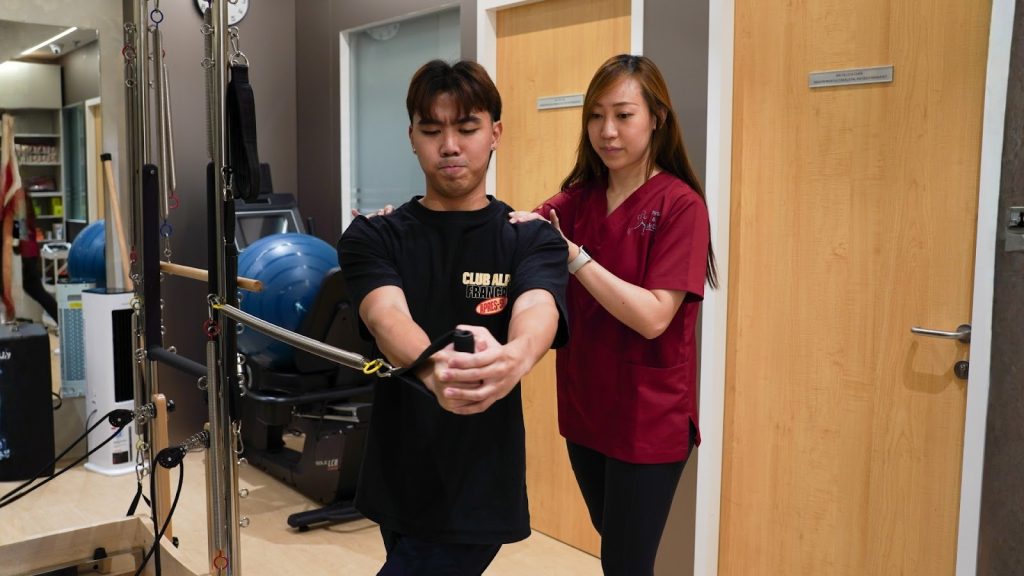
Physiotherapy for athletes in Singapore focuses on improving training sustainability and performance.
This typically involves several components.
Movement Assessment
Physiotherapists assess key movement patterns, including:
Squats and lunges
Running mechanics
Hip stability
Ankle mobility
Small inefficiencies can significantly affect injury risk.
Load Management Guidance
One of the most important roles of a sports physiotherapist in Singapore is helping athletes structure their training.
Common principles include:
Avoid increasing running mileage and lifting intensity simultaneously
Allow 48 hours of recovery between intense lower-body sessions
Progress running distance gradually
Strength and Mobility Training
Physiotherapy often includes targeted exercises for:
Calf endurance
Hip stability
Core control
Ankle mobility
These areas help absorb repetitive impact from hybrid training.
Running Injury Rehabilitation
For athletes experiencing pain, running injury rehabilitation helps restore function safely.
This may include:
Gradual return-to-run protocols
Strength correction exercises
Training modification strategies
The Step-by-Step Physiotherapy Assessment Process
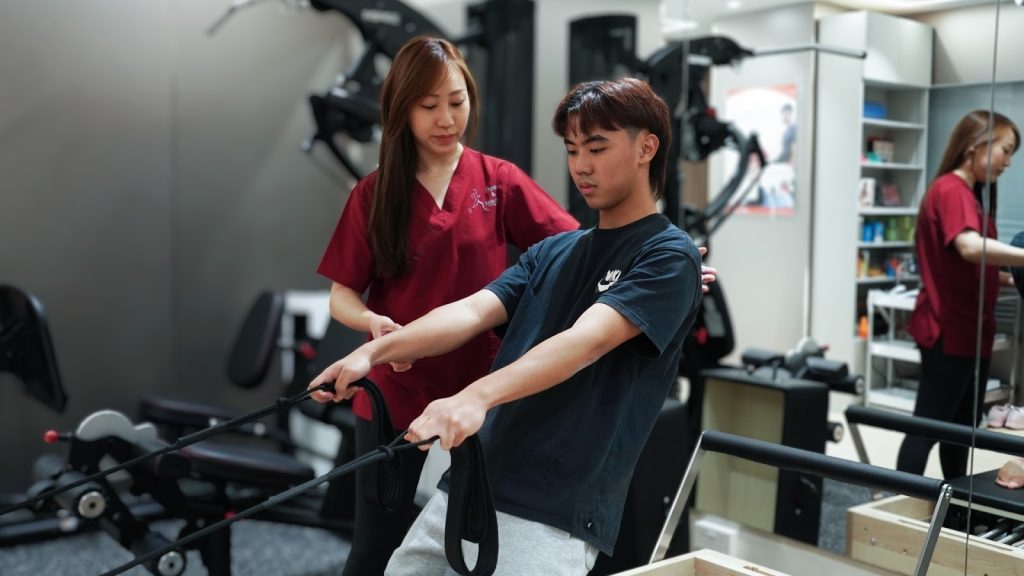
When athletes visit a physiotherapy clinic in Singapore, the process typically follows a structured pathway.
1Initial Assessment
The physiotherapist reviews:
Training schedule
Injury history
Competition goals
Weekly running and lifting load
Understanding the training structure is essential.
2Movement and Load Analysis
The physiotherapist evaluates:
Strength movement patterns
Mobility and stability
Gait analysis may be used to identify inefficient running mechanics.
3Identifying Injury Drivers
The physiotherapist determines what is contributing to symptoms, such as:
Rapid mileage increases
Muscle fatigue
Poor movement patterns
4Personalised Treatment Plan
Treatment may include:
Strength exercises
Mobility work
Training load adjustments
5Recovery and Reloading Strategy
Athletes are guided through progressive return-to-training plans, allowing tissues to adapt safely.
6Performance Progression
Once symptoms improve, the focus shifts toward building resilience for future training cycles.
Shin Splints vs Stress Fractures: Understanding the Difference
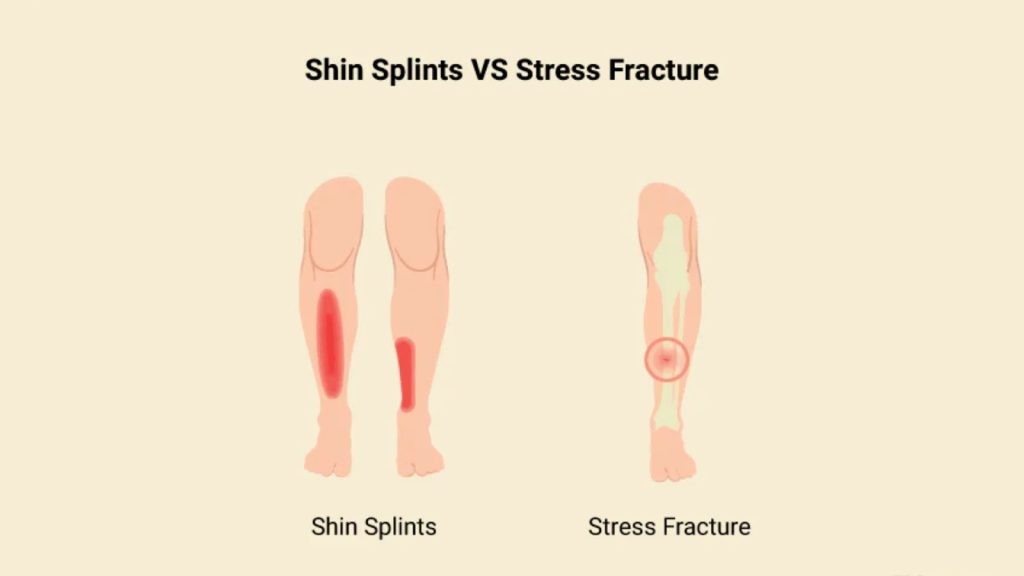
Hybrid athletes often confuse these two conditions.
| Condition | Symptoms | Severity |
|---|---|---|
| Shin Splints | Diffuse aching along inner shin | Moderate |
| Stress Fracture | Localised sharp bone pain | Higher |
If pain becomes sharp, localised, or persists during walking, further medical evaluation may be required.
Muscle Soreness vs Injury Pain

After intense training, soreness is normal.
Normal Muscle Soreness
Appears 24–48 hours after exercise
Feels like general stiffness
Improves with movement
Injury Pain
Appears during activity
Worsens with continued training
Persists beyond several days
Recognising this difference helps athletes decide when to seek help from a sport physiotherapist in Singapore.
When Should Hybrid Athletes See a Physiotherapist in Singapore?
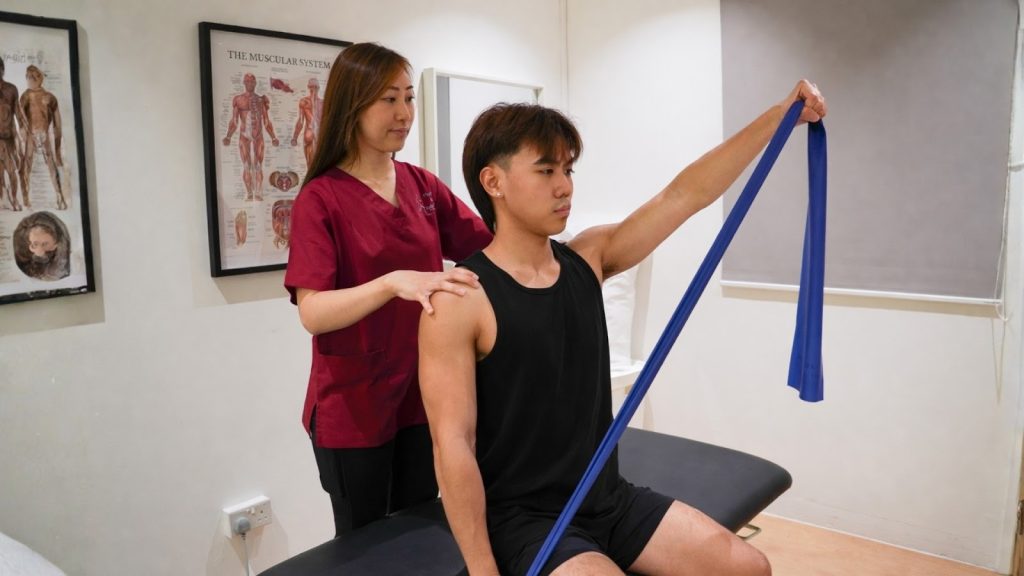
Athletes should consider seeing a physiotherapist in Singapore if they experience:
Pain lasting longer than 7–10 days
Pain that worsens during training
Persistent swelling or tenderness
Reduced performance due to discomfort
Early intervention often prevents minor issues from becoming long-term injuries.
Conclusion
Hybrid athletes in Singapore are increasingly combining strength training and endurance workouts to push their fitness to new levels. While this training style builds impressive athletic capacity, it also requires careful load management, movement efficiency, and recovery planning.
Physiotherapy plays an important role in helping athletes train sustainably. By identifying movement inefficiencies, managing training progression, and addressing early injury signs, a physiotherapist in Singapore can help reduce the risk of recurring injuries such as shin splints, stress fractures, and tendon pain.
For athletes preparing for Hyrox Singapore, CrossFit competitions, or endurance-strength events, professional physiotherapy support can help keep training consistent while improving long-term performance.If you are experiencing persistent pain during training or want guidance on preventing injuries, consider booking an assessment with a physiotherapist at Physio & Sole Clinic. A professional evaluation can help identify the root causes of discomfort and provide a personalised plan so you can continue training confidently and safely.
Ready to feel better?
Book a consultation with our physiotherapy team to get an assessment tailored to you.
Frequently Asked Questions About Physiotherapy for Hybrid Athletes
A hybrid athlete trains for both strength and endurance performance simultaneously, often combining running with strength training.
Yes. Physiotherapy can improve movement efficiency, strength, balance, and injury prevention, helping athletes train more consistently.
Many athletes seek physiotherapy for movement screening and injury prevention, especially when preparing for events such as Hyrox Singapore.
Recovery timelines vary but typically range from 2–6 weeks, depending on severity and training adjustments.
In many cases, yes. Physiotherapists often modify training rather than stopping it entirely, allowing athletes to maintain fitness while recovering.
Resources from Physio & Sole Clinic
If you are training for Hyrox, CrossFit, F45, or combining running with strength work, these related resources may also be helpful:
Visit the Physio & Sole Blog for more educational content on sports physiotherapy, injury prevention, and performance optimisation for active individuals in Singapore.