

Quick Summary
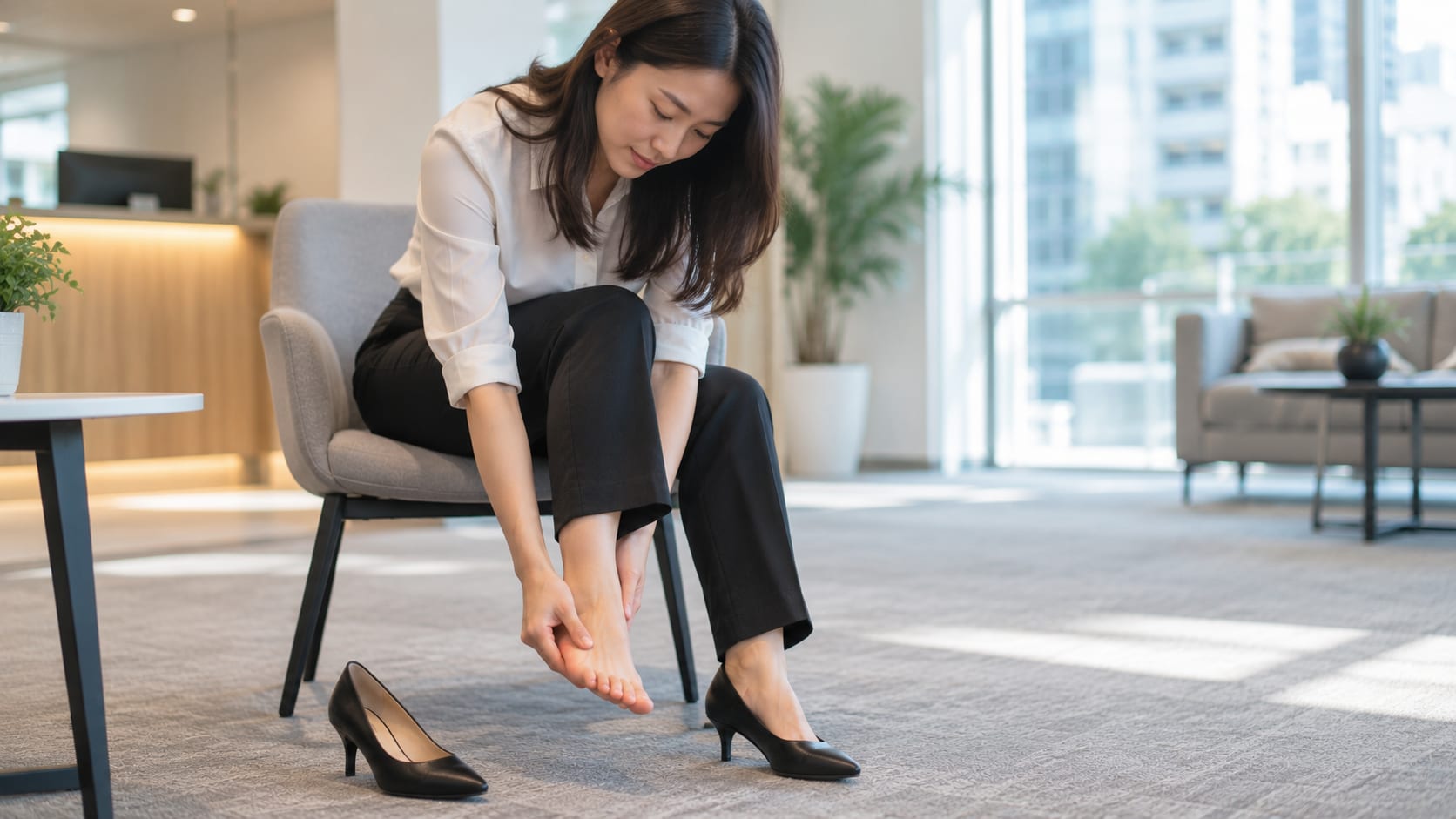
High heels rarely cause foot deformities on their own, but they reliably make existing ones worse, and faster. Bunions, in particular, are largely inherited. What wearing heels does is shift your body weight onto a small part of the forefoot that was never built to carry it, which accelerates whatever your foot shape already predisposed you to.
That distinction matters, because the two categories behave differently. Soreness from a long day in heels resolves overnight. Structural change does not, and once it happens, footwear changes cannot reverse it.
Kelvin graduated with First Class Honours from the University of Southampton in 2010 on a Ministry of Health scholarship, and spent six years as a podiatrist at Singapore General Hospital and Changi General Hospital. A former competitive runner, he works closely with physiotherapists and sports trainers to get patients back on their feet.
What Do High Heels Actually Do to Your Feet?
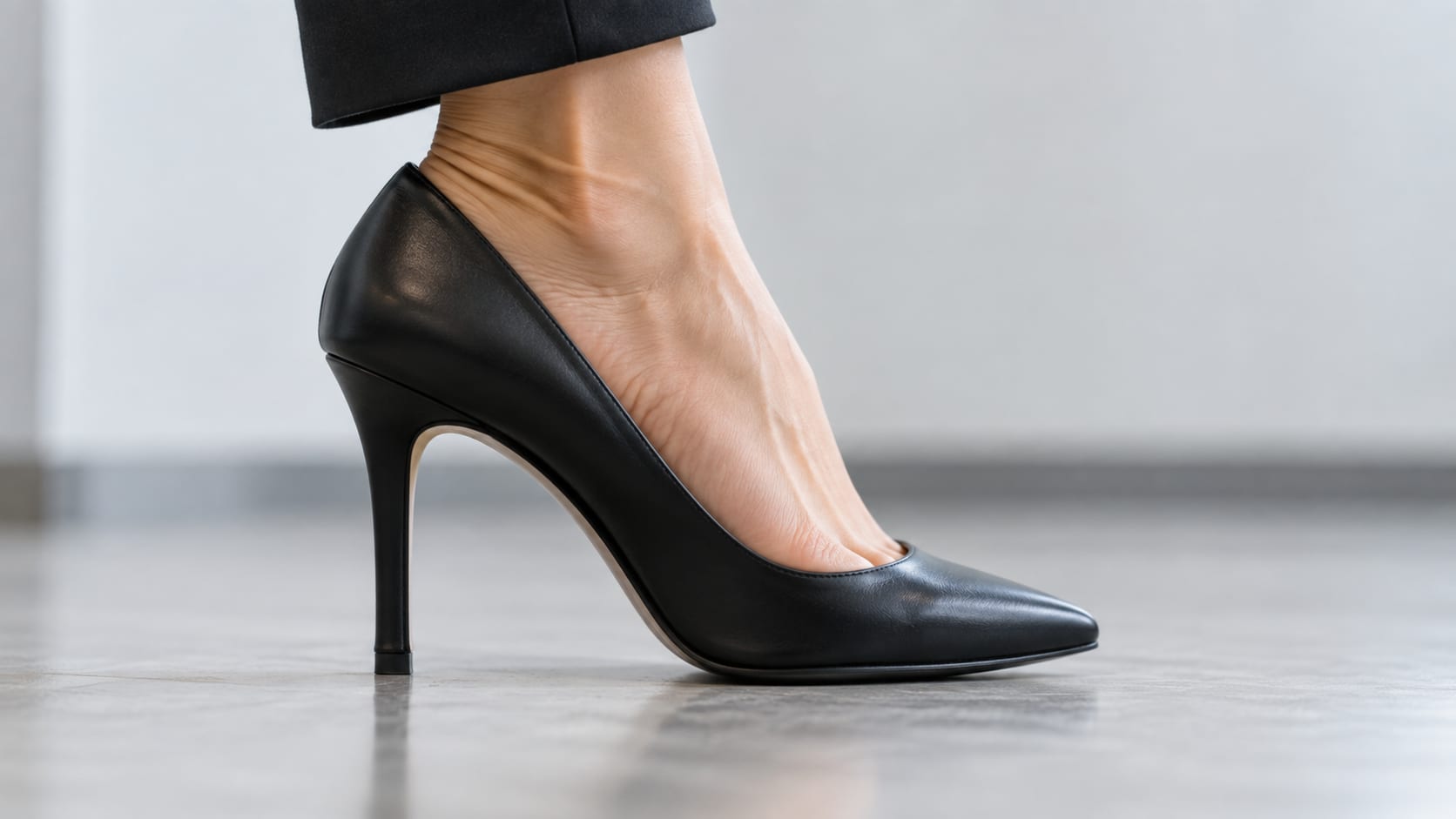
A raised heel tips your body weight forward onto the ball of the foot, concentrating load on an area that normally shares it with the heel.
Everything else follows from that single mechanical change:
- Forefoot pressure. Our forefoot pain page lists "ill-fitting footwear or high heels" among the lifestyle causes of metatarsalgia — pain and inflammation in the ball of the foot.
- Hard skin where the load lands. Corns and calluses form where pressure is repeatedly concentrated. They are the body's response to load, not a hygiene problem, which is why they return in the same spot until the load changes.
- Toe crowding. A narrow or pointed toe box squeezes the toes together. This is a separate problem from heel height, and often the more important of the two.
- Calf and Achilles adaptation. Sitting with the heel higher for long hours keeps the calf in a shortened position. HealthHub lists having "tight calf muscles" among the risk factors for plantar fasciitis — which is why heel wearers sometimes end up with heel pain rather than forefoot pain.
- Reduced stability. A narrow base and a raised heel give you less to balance on, on surfaces that are not always cooperative.
Do High Heels Cause Bunions?
Mostly, no — and this is the most common misunderstanding we correct in clinic.
Our bunion page is explicit about where bunions come from:
"Most people with bunions have a strong family history of bunions over generations. One may inherit a foot type or walking pattern that impacts foot function, which may result in a bunion developing."
And on footwear specifically:
"Ill-fitting or inappropriate footwear (e.g., pointed shoes or heels) can worsen a bunion."
Worsen, not cause. Two people can wear the same shoes for the same twenty years, and only one develops a bunion, because they did not start with the same foot.
This is not a reason to relax about it. It is the opposite. Bunions are progressive, and as our bunion page puts it, "only surgery will be able to reverse the changes in your foot structure that have already occurred." If you are predisposed, footwear is one of the few levers you actually control — and it works best before the angle changes, not after.
The same logic applies to the toes themselves. Pointed shoes crowd the forefoot, and that crowding is implicated in Morton's neuroma, a thickening of the nerve tissue between the toes that produces burning or a sensation of standing on a pebble.
Which Symptoms Are Expected, and Which Aren't?
Ask one question: is it gone by the next morning? Load-related ache resolves with rest. Anything that persists, or that involves the nerve, belongs in a different category.
| What you notice | What it usually is | Does it resolve on its own? |
|---|---|---|
| Ache in the ball of the foot after a long day, gone by morning | Ordinary load | Yes |
| Burning, numbness, tingling, or feeling a pebble underfoot | Possible nerve involvement | No — worth assessing |
| Hard skin or a corn returning in the same spot | Pressure concentrated in one place | Not while the load continues |
| A bump at the base of the big toe, changing angle over time | Bunion | No — progressive |
| Sharp heel pain on the first steps in the morning | Plantar fasciitis territory | Often not without treatment |
The middle three are the ones people ignore longest, because none of them hurt enough on any given day to force the issue.

What Actually Reduces the Load?
Total wearing hours matter more than any single pair of shoes. Just a dinner is a different exposure from ten hours a day, five days a week — and it is the second one that changes feet.
Practical measures, in rough order of how much difference they make:
- Widen the toe box before you lower the heel. For bunion and neuroma risk, the shape of the front of the shoe matters more than the height at the back. A round or square toe box lets the toes sit where they should.
- Keep daily-wear heel height low. Our podiatrist-approved shoe guide puts the figure for everyday footwear at no more than 2.5 cm, noting that higher heels increase pressure on the front of the foot and affect balance.
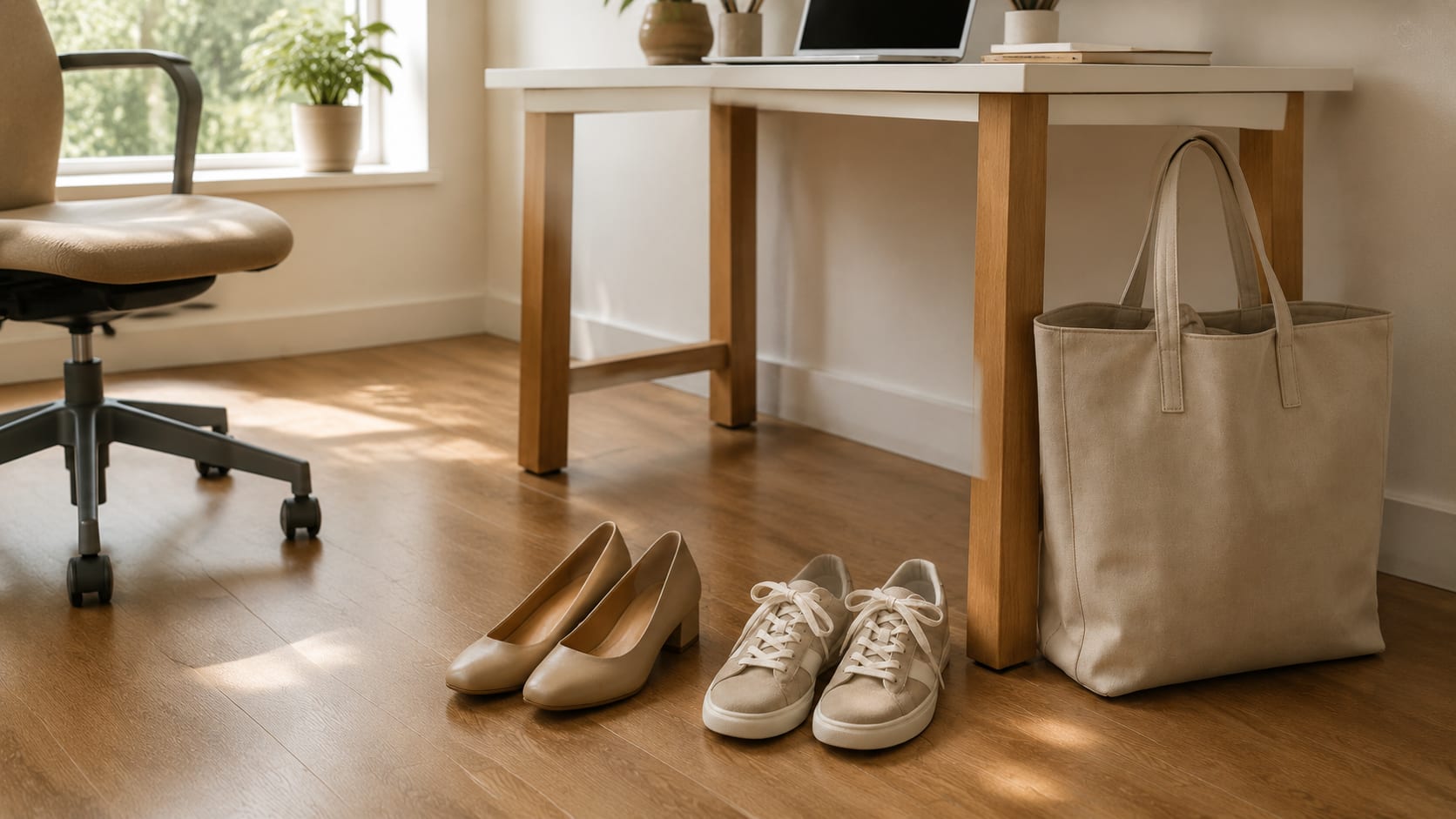
- Commute in flats and change at the office. This alone can halve the hours, and it removes the heels from the least forgiving part of the day — MRT stairs, wet pavements, uneven ground.
- Rotate your shoes. The same pair every day means the same pressure point every day. Alternating moves it around.
- Stretch your calves. Given that tight calves are a documented plantar fasciitis risk factor, this addresses a consequence most people never connect to their shoes.
- Consider forefoot cushioning or orthoses. HealthHub describes orthoses as "devices worn inside a shoe to help manage a patient's foot condition" (HealthHub — Podiatry). Our customised insoles are prescribed to redistribute load rather than pad one sore spot. They can be prescribed to fit into heels too!
What does not work: treating the callus and changing nothing else. Removing hard skin gives real relief, but the skin re-forms because the pressure that built it is still there. Our corn and callus removal is done alongside a footwear review for exactly this reason.
When Should I See a Podiatrist About This?
When the symptom outlasts the day, or when the shape of your foot is changing.
Specifically, book an assessment if you have:
- Numbness, burning, or tingling in the toes
- A corn or callus that keeps returning in the same place
- A visible change in the angle of your big toe
- Forefoot pain that no longer settles overnight
- Heel pain in your first steps of the morning
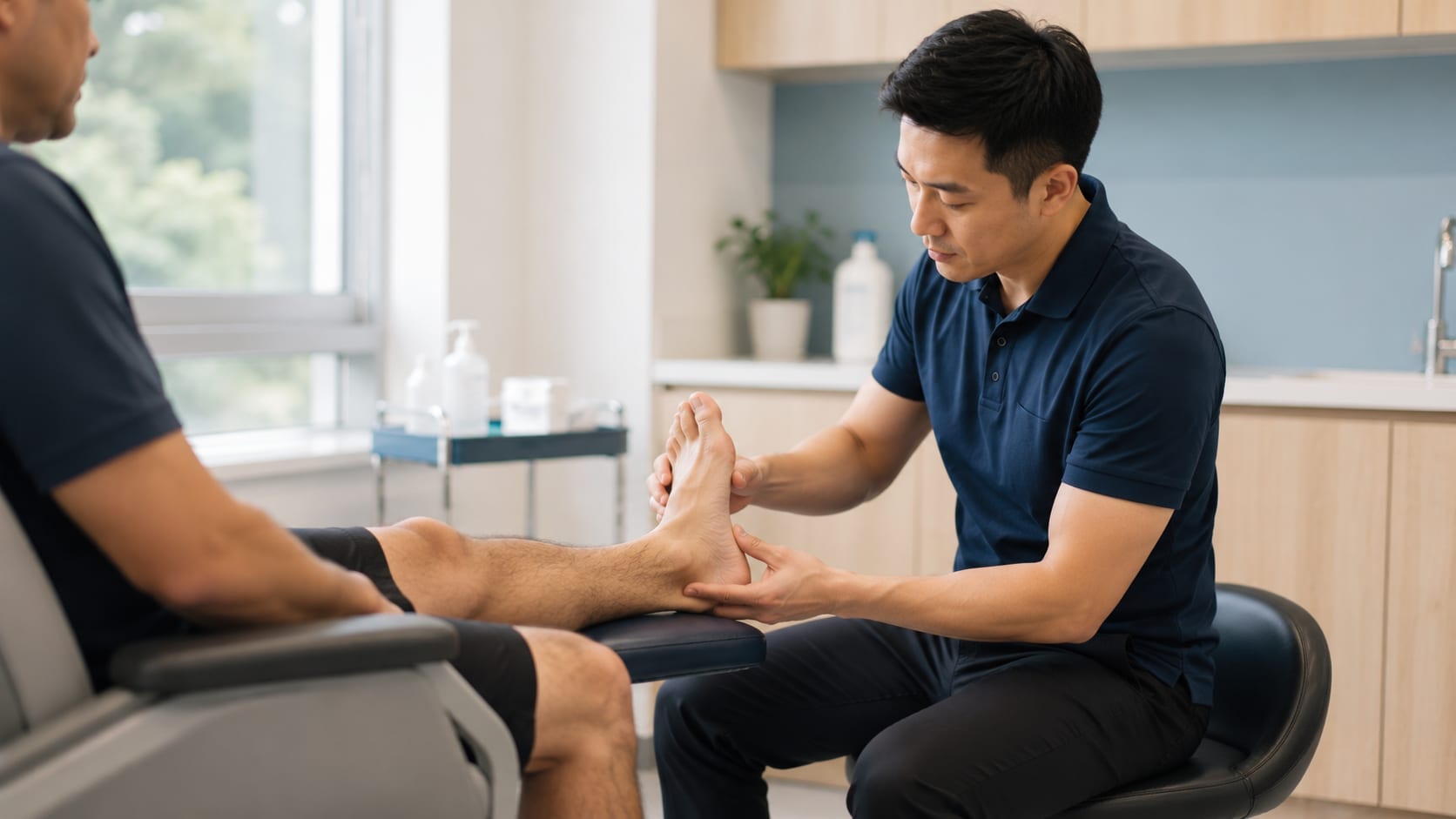
Footwear advice is not generic. HealthHub notes that podiatrists "advise and recommend appropriate footwear to patients after taking into consideration an individual's foot type, activity level, occupation and presenting foot problem." Someone with high arches, someone with a family history of bunions, and someone who stands all day need three different answers.
An assessment at our clinics includes a biomechanical gait analysis and footwear review, so the recommendation is based on your foot rather than a general rule.
The Damage Is in the Hours, Not the Occasion
Three things are worth taking from this.
- Heels are an accelerant, not usually a cause. What they do is speed up any foot shape deviation — which means the people who most need to pay attention are the ones with a family history of feet issues.
- Separate the reversible from the permanent. An ache that clears overnight is load. A changing toe angle, a returning callus, or numbness is not, and waiting costs you options.
- Total exposure is the number that matters. Occasional wear is a different question from a daily commute in the same pair. Most of what helps is about reducing hours, not banning shoes.
Booking a Podiatry Assessment in Singapore?
Physio & Sole Clinic provides podiatry across 11 clinics in Singapore, with no doctor's referral needed for most services.
Our podiatrists can:
- Assess whether forefoot pain is load-related, structural or nerve-related
- Treat recurring corns and calluses alongside the pressure causing them
- Manage bunions non-surgically to slow progression and relieve pain
- Review your footwear and gait, and prescribe customised insoles where they help
If your foot pain no longer settles overnight, or the shape of your toes is changing, book an appointment with us conveniently.
Ready to feel better?
Book a consultation with our podiatry team to get an assessment tailored to you.
Frequently Asked Questions
Mostly no. Bunions are largely inherited — most people with bunions have a strong family history. Pointed shoes and heels can worsen an existing bunion or speed up its progression, but they are not usually the original cause.
Physio & Sole Clinic's footwear guidance puts everyday heel height at no more than 2.5 cm. Above that, pressure on the forefoot increases and balance is affected. There is no official Singapore health-authority threshold, so treat this as clinical guidance rather than a regulation.
For bunions and nerve pain between the toes, the narrow toe box is usually the bigger factor. For forefoot pressure and calf tightness, the height matters more. Most fashion heels combine both.
Because calluses form in response to pressure. Removal relieves the symptom, but the skin rebuilds unless the load that created it changes — which is why removal is paired with a footwear review.
Yes. Long hours with the heel raised keep the calf shortened, and tight calf muscles are a recognised risk factor for plantar fasciitis, which causes pain under the heel.
A wider, more stable base improves balance and spreads load better than a narrow heel. It does not remove the forward shift of body weight, so forefoot pressure remains.
Not for most services at a private clinic. Some insurers require a GP or specialist referral before approving a claim, so check your policy if you intend to claim.