
Quick Summary
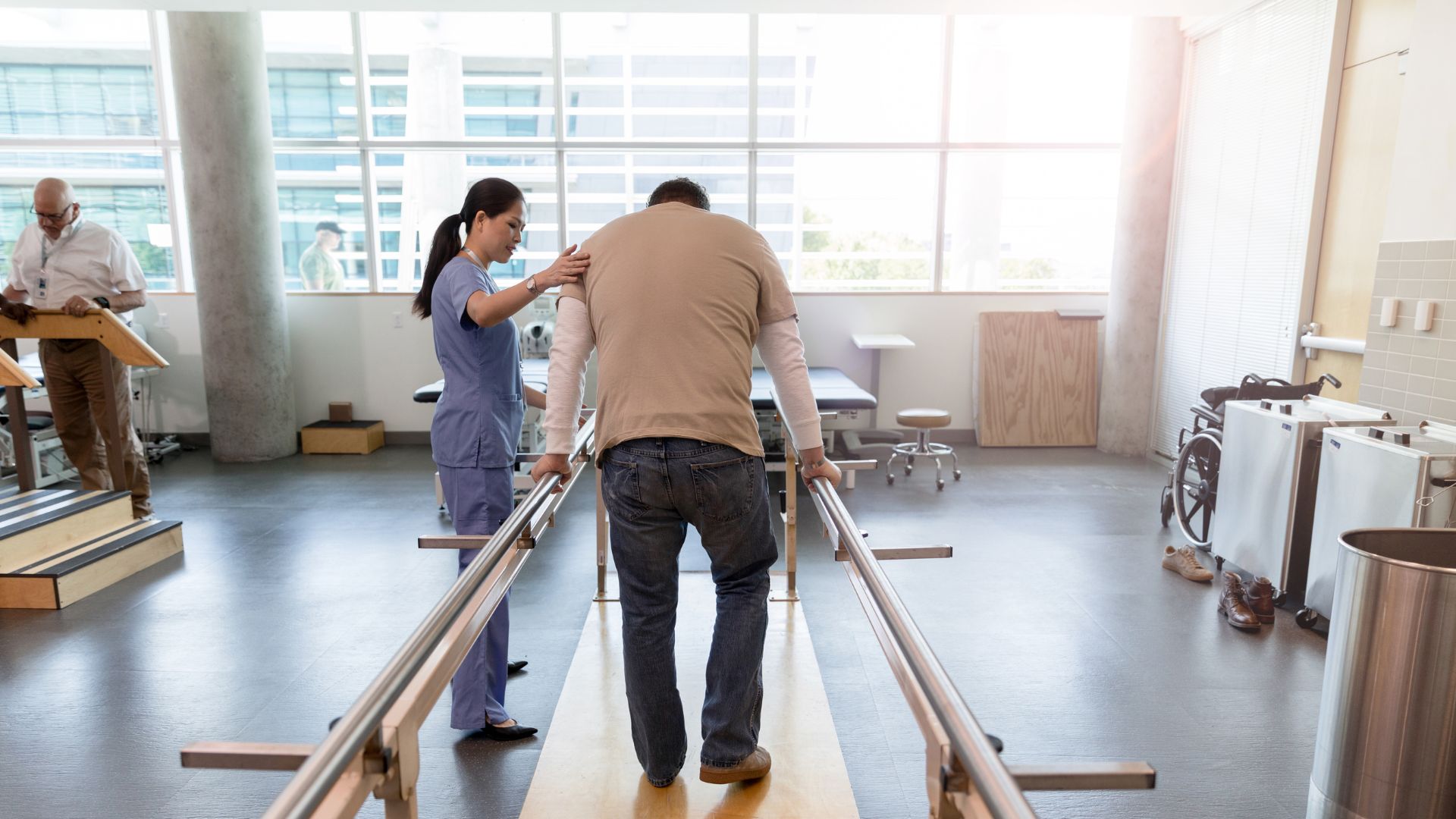
Surgery resolves structural issues—but without strategic rehabilitation, your patient’s outcome may fall short. The journey doesn't end in the operating theatre—it begins there. Effective rehab post-surgery restores function, optimises mobility, and significantly improves long-term outcomes.
Post-operative patients often fall short in recovery
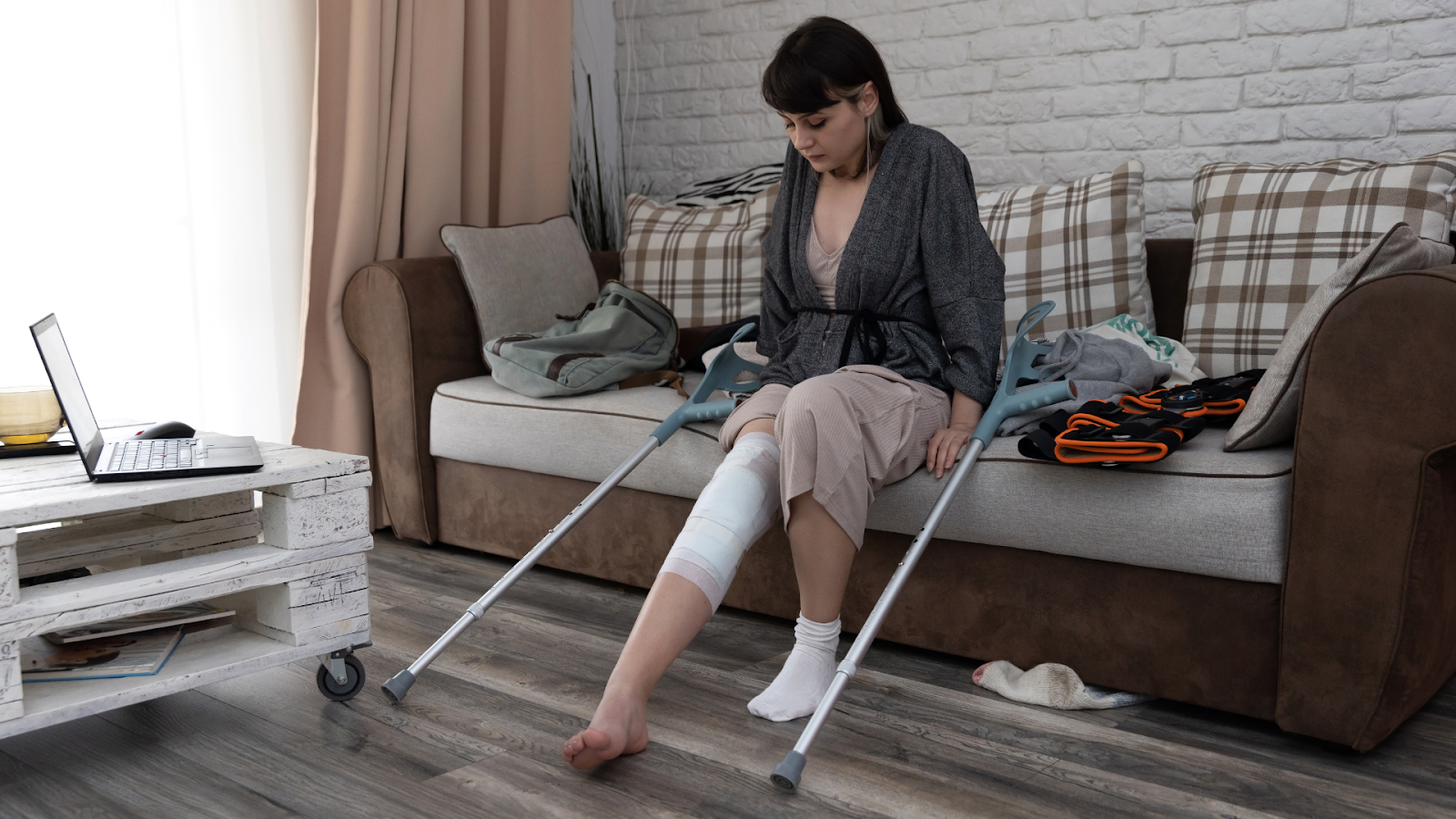
Imagine your patient regains joint stability post-surgery—but still struggles with stiffness, asymmetrical gait, or fear of resuming activity. They may avoid full weight-bearing or return to sport reluctantly, never quite recapturing full strength. This isn’t necessarily due to surgical failure—it often stems from gaps in their rehabilitation.
The understated cost of inadequate rehab
- Persistent pain despite apparent surgical success
- Compensatory patterns causing secondary issues (e.g., contralateral knee overload)
- Delayed return to function or sport
- Loss of confidence and fear of impacting surgical results
All of these lead to frustrated patients and dissatisfied outcomes.
Collaborate with structured, goal‑driven post-operative rehabilitation
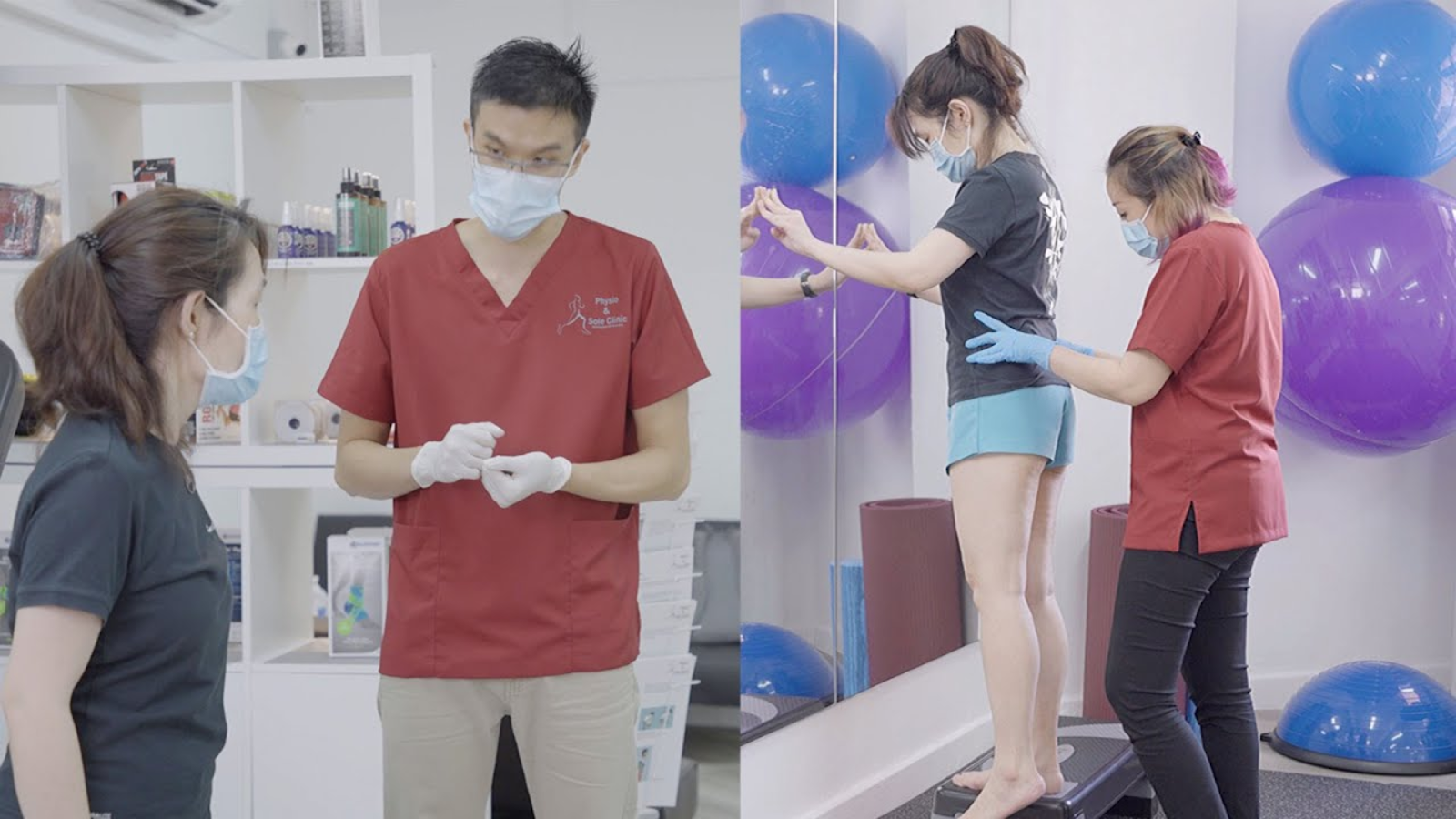
At Physio & Sole Clinic, our rehab protocols support orthopedic surgeons to transform structural recovery into functional success. By integrating physiotherapy and podiatry, we tailor rehab post-surgery to preserve surgical integrity and optimise patient movement.
What are the stages of rehab after surgery?
Phase 1: Protection & Acute Care (0–2 weeks)
Goals: control swelling, protect the surgical site, and regain passive range of motion
Manual techniques: gentle mobilization, scar management, lymphatic drainage
Patient education: safe weight-bearing, pain management, home exercise initiation
Phase 2: Early Mobilisation (2–6 weeks)
Goals: reduce stiffness, begin active control, start muscle activation
Interventions: isometric strengthening, proprioception drills, gait re‑education
Phase 3: Progressive Strengthening & Control (6–12 weeks)
Goals: restore functional strength, balance, and symmetrical movement
Programs: eccentric loading, single-leg balance, controlled movement challenges
Phase 4: Sport-Specific or Functional Return (12–24 weeks)
Goals: build confidence, assess readiness, safe return to prior activity levels
Focus: plyometrics, agility drills, strength symmetry testing, return to running
What types of therapy are involved in post-surgery rehab?
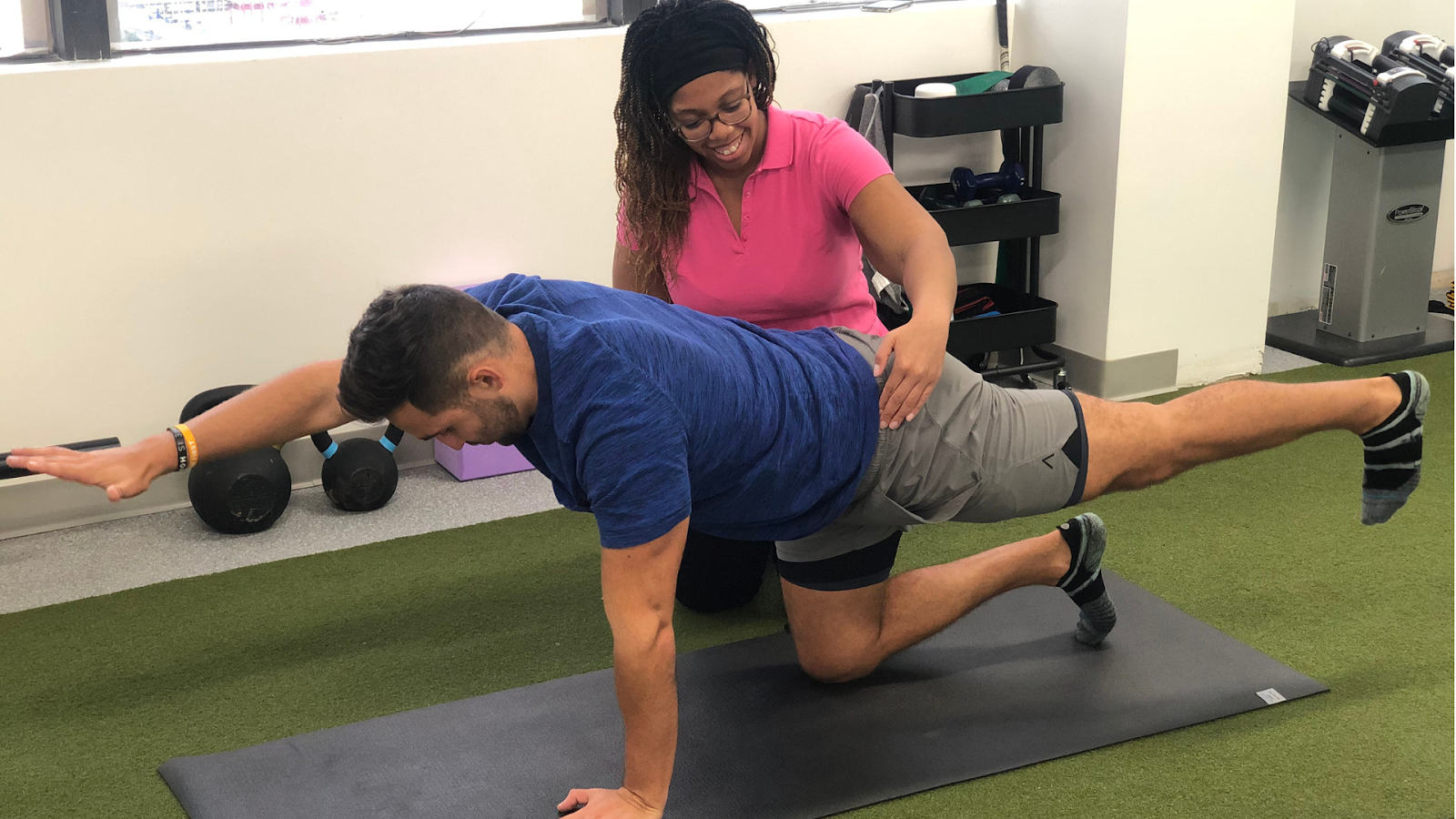
Manual Therapy & Tissue Mobilization — Scar release, joint mobilization, lymphatic massage
Progressive Exercise Prescription — From activation to movement control, strength, and sports preparation
Gait & Movement Analysis — Biomechanical screening, foot and lower limb alignment (with podiatric input)
Education & Pain Management Strategy — Activity pacing, ice prescriptions, and pain threshold awareness
Return-to-Sport Coaching — Gradual load increase, confidence-building exercises, and sport readiness assessment
How can I ensure my patients receive effective rehab after surgery?

Use pre-planned, goal-based protocols established before surgery
Shared post-op care expectations—educate patients on rehabilitation timeline and goals
Seamless communication: We send progress updates to surgical teams to keep you informed
Continuity of care: With 11 clinics islandwide, we support patients consistently across all locations
What are the goals of rehab after surgery?
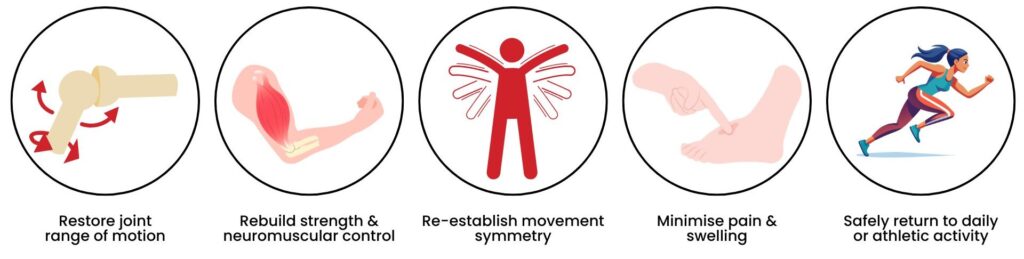
Restore joint range of motion
Rebuild strength and neuromuscular control
Re-establish movement symmetry
Minimise pain and swelling
Safely return to daily or athletic activity
These goals ensure structural stability translates into functional capability and confidence.
Case Study: Strength Out of Surgery
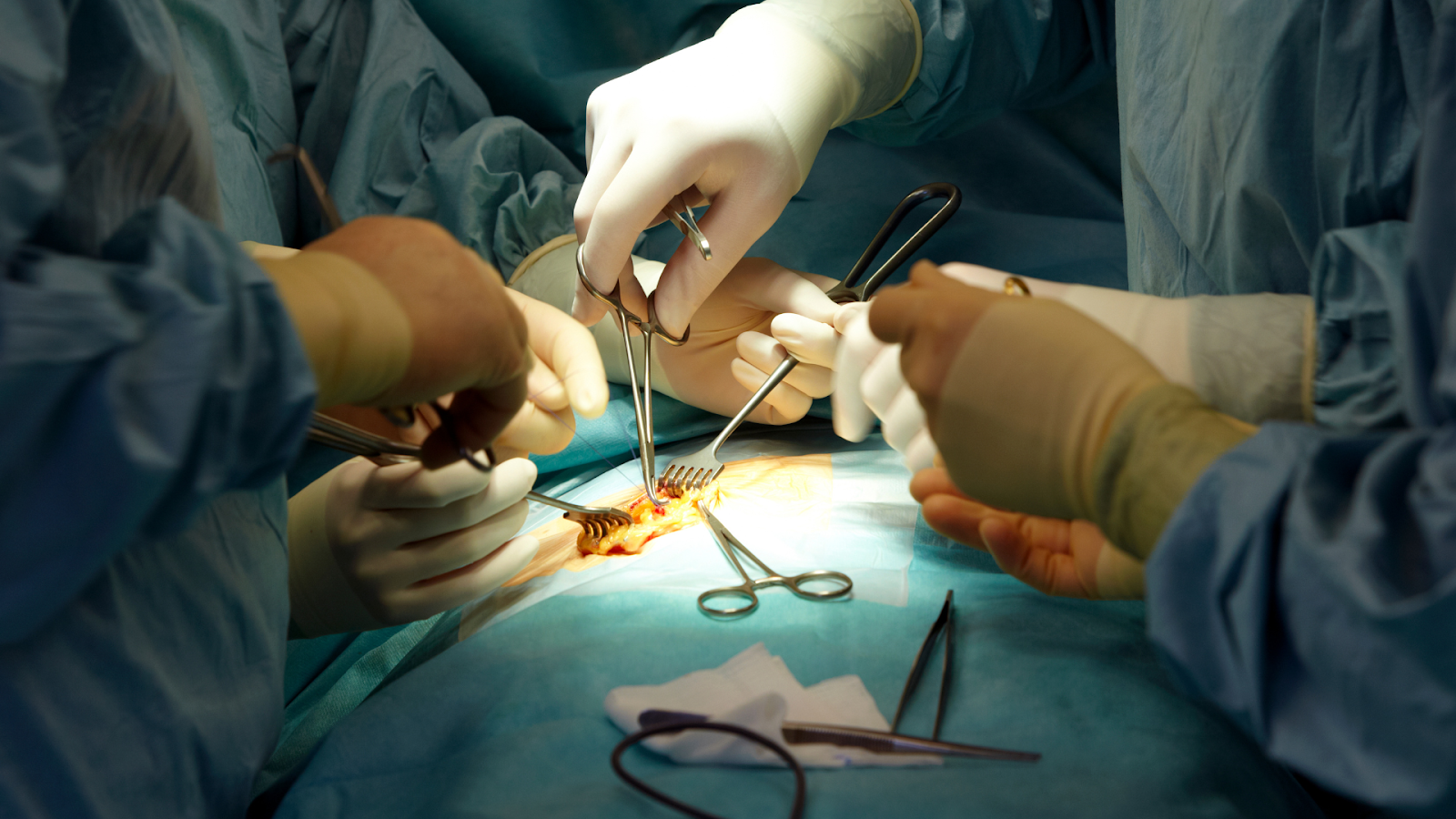
Mia, 14, underwent a tibial tubercle repair for Osgood–Schlatter. Early knee stiffness limited her knee flexion; quadriceps strength was 30% lower on the operative side. Through a progressive 16-week protocol—including manual therapy, strength training and return-to-sport drills—Mia was back on the netball court with improved strength symmetry and restored confidence.
Why partner with Physio & Sole Clinic?
- Clear care plans rooted in evidence-based rehab
- Concise timelines with measurable milestones
- Compelling patient stories with restored outcomes
- Credible licensed therapists, clinical-podiatry integration, and provider-validated success
Rehab is not optional—it’s essential. Through structured, patient-centred rehabilitation, surgical interventions transform into functional, durable recovery. With transparent protocols, objective goals, and expert support, physios and surgeons together deliver quality outcomes for your patients.
Ready to enhance surgical outcomes in your practice? Contact us to arrange post-op care coordination
Ready to feel better?
Book a consultation with our physiotherapy team to get an assessment tailored to you.
FAQs for Surgeons’ Patients
Yes—controlled isometrics and passive motion can begin early to prevent stiffness.
We implement drainage techniques and review exercise progression to control inflammation.
With clinics island-wide, we match patients to centres near their new home or locations they frequent.
Yes—flexible plans support long-term recovery journeys and offer cost efficiencies.