

Podiatry condition
High Arches高弓足

What matters clinically is not how high the arch sits but how the foot behaves under load, and whether the shape is stable or changing. These decide whether footwear and orthotic prescriptions are required, or whether further management is needed.
High Arches at a Glance
| Detail | Information |
|---|---|
| What it is | A raised medial arch with reduced midfoot contact, medically called pes cavus |
| Common symptoms | Repeat ankle sprains, forefoot and heel pain, callus under the ball of the foot and heel |
| The key distinction | Whether the foot is flexible or rigid, which changes the whole management plan |
| Needs a medical opinion when | The arch is getting higher, is clearly worse on one side, or comes with weakness or tripping |
| GP referral needed? | No |
| First assessment | 30 to 45 minutes |
Flexible or Rigid: The Distinction That Decides Everything
Two feet can measure the same arch height and need completely different treatment.
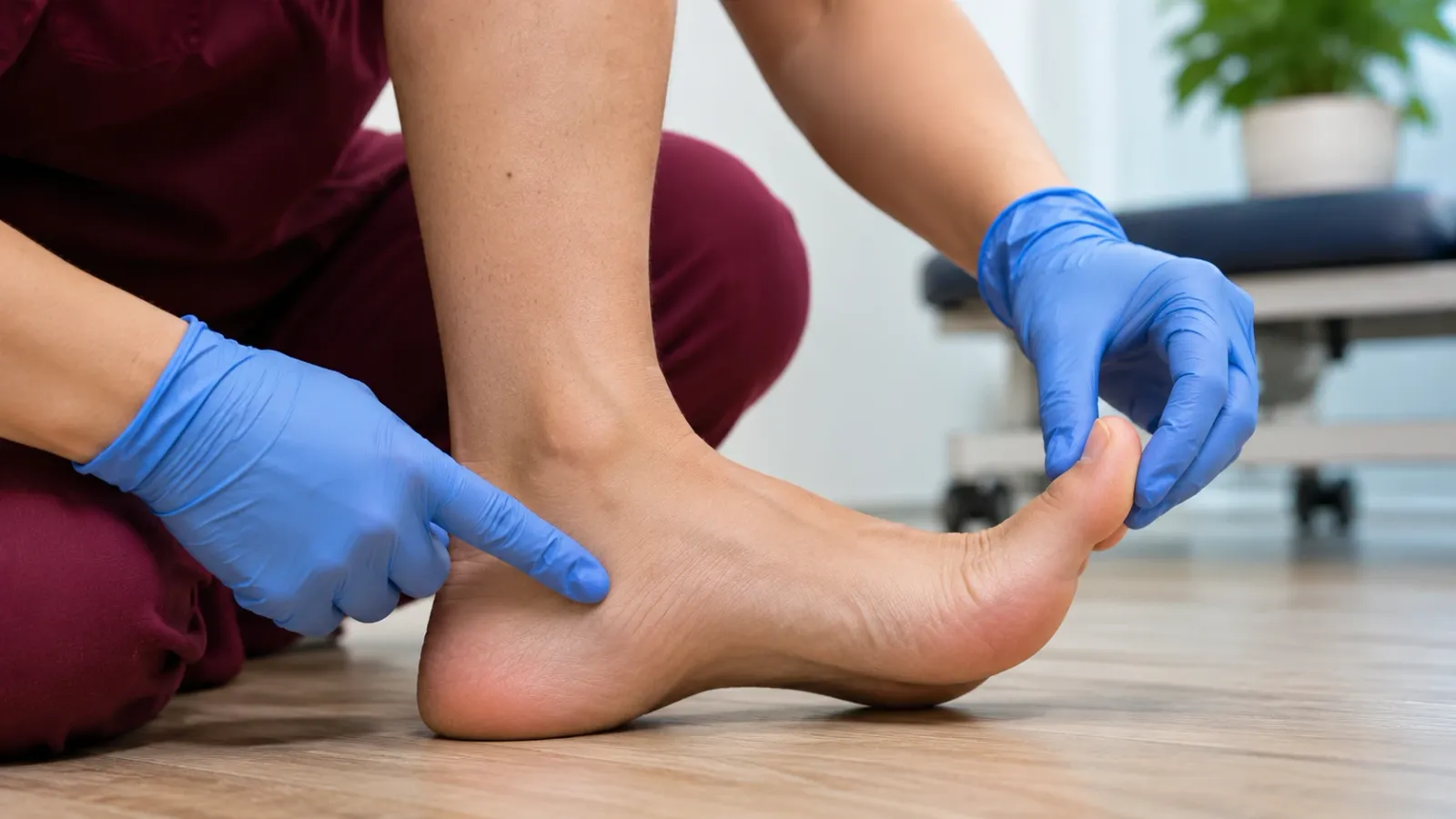
A flexible high arch flattens out when you stand on it or when the big toe is lifted. The structure can still adapt, so the job is to give it something to adapt to: cushioning, pressure redistribution, and work on the calf and intrinsic foot muscles that have tightened around it.
A rigid high arch does not flatten. The heel often sits tilted inwards and stays there, and the forefoot carries load on a narrow strip under the first and fifth toe joints. A rigid foot cannot be stretched into a different shape, so the plan changes from correcting to accommodating: offloading the pressure points, controlling the heel position, and protecting the ankle rather than trying to flatten anything.
Ascertaining this requires a skilled podiatrist assessment in clinic and it is worth doing before prescribing insoles, because the device for a flexible foot and the device for a rigid one are built differently and the wrong prescription will cause issues.
Why Arch-Support Insoles Often Make It Worse
This is the most common mistake people with high arches make.
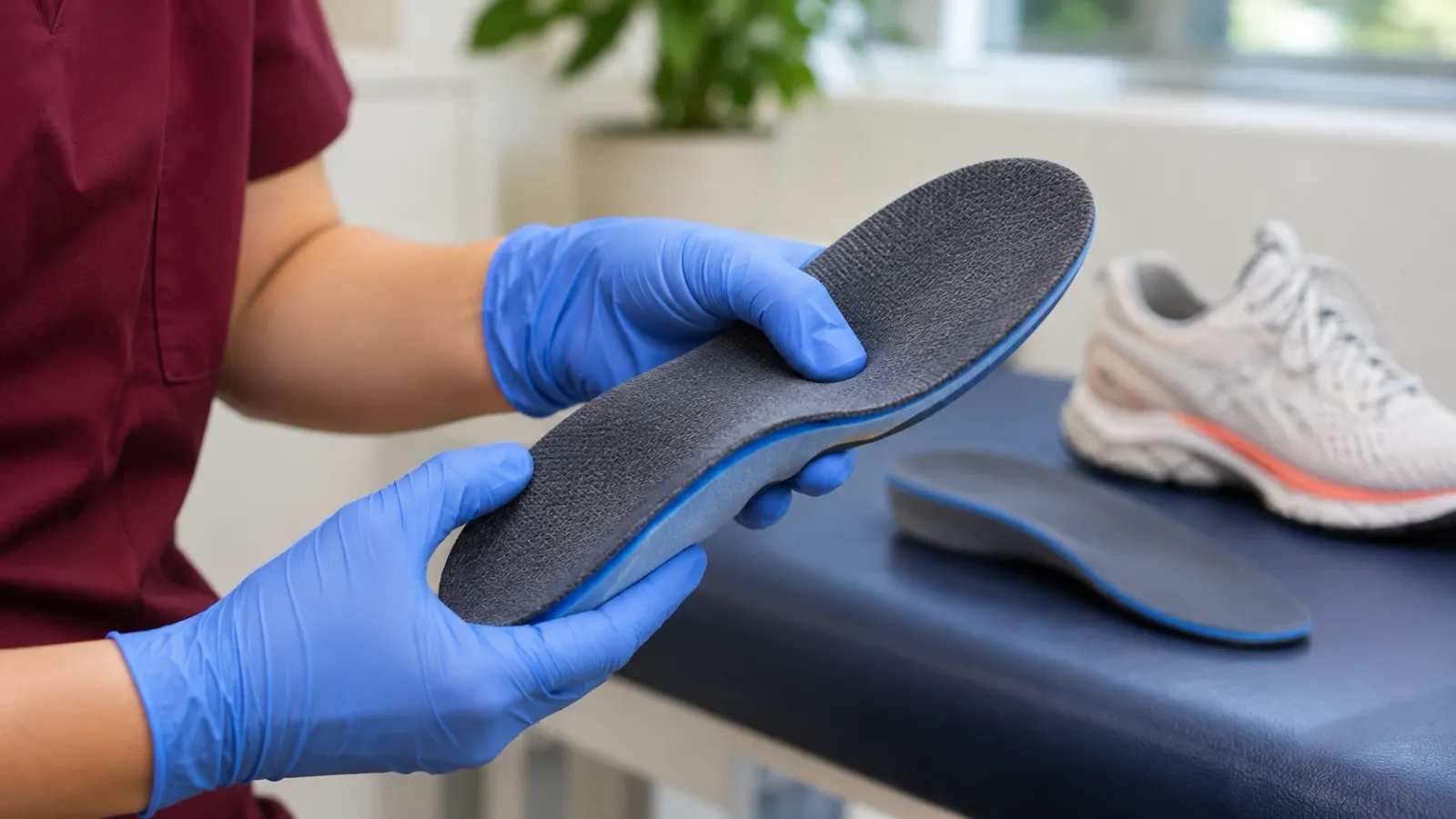
Off-the-shelf insoles are overwhelmingly designed for the opposite problem. They are built to stop an arch collapsing, so they are firm and they are tall through the midfoot. Put one under a foot that already has too much arch and all it does is push harder into the part of the foot that was never the problem, while leaving the heel and the forefoot, which are taking nearly all the load, no better off.
A high-arched foot generally needs the reverse priorities: shock absorption rather than support, pressure spread across the forefoot, a deeper heel cup to hold the heel steady, and in many cases a lateral wedge to stop the foot rolling outwards. That last point is the one that matters for anyone whose ankle keeps going over.
If a pharmacy insole has made things less comfortable rather than more, that is information, not failure. It usually means the foot needs a custom-made insole built around measured pressures rather than a generic arch shape.
When a High Arch Needs More Than Foot Care
Most high arches are inherited, present for as long as the person can remember, and usually symmetrical. That is the ordinary picture and it is managed in a podiatry clinic.
A smaller number of pes cavus cases may indicate systemic or neurovascular issues, which will need a medical assessment. Book a GP or specialist review, as well as a podiatry assessment, if any of the following apply:
- The arch is getting higher, or a foot shape you have had all your life has changed over the past few years
- One foot is clearly different from the other, particularly if that is new
- You trip or catch your toe on kerbs and stairs, or the foot slaps down when you walk
- There is weakness in the foot or ankle, or difficulty lifting the front of the foot
- Numbness, burning or pins and needles that is present at rest rather than only after activity
- Hand symptoms as well, such as weak grip or clumsiness with buttons and keys
- A family history of a nerve condition affecting the feet and legs
The above signs are not definitive for diagnosis, but they do require holistic medical assessment and management.
What a Podiatry Assessment Involves
A podiatry assessment for high arches is about how the foot loads, not how it looks standing still.
- History first: what hurts, when it started, how much standing or walking you are doing, and whether the shape has changed
- Structural examination: arch height sitting and standing, heel position, forefoot alignment, and whether the arch is flexible or rigid
- Muscle and joint testing: calf and Achilles length, ankle range, toe clawing, and strength through the ankle and foot
- Skin and pressure mapping: callus formation tells us where excessive pressure is
- Gait analysis: detailed assessment of how the entire lower limbs and feet move during walking and/or running
- Footwear review: bring the shoes you wear most often for assessment, including the worn ones, because the wear pattern is evidence
You will leave with a clear answer on whether the foot is flexible or rigid, what is driving the symptom you came in for, and whether the plan is footwear, an orthotic, loading exercises, or a referral for further treatment.
What Treatment Involves
Treatment is targeted at the symptom and the load pattern, not at the arch height, which does not change.
- Footwear change is the cheapest intervention and often the most effective: cushioned midsoles, a deeper heel, a roomy toe box, and avoiding stiff flat soles and minimalist shoes
- Custom insoles where footwear alone does not spread the load, and they will be prescribed based on the flexible or rigid finding, and after a thorough biomechanical assessment
- Calf and foot loading exercises to address the tightness and the weak peroneal muscles that usually sit behind repeat ankle sprains
- Callus and corn management for the pressure points, alongside offloading that delays or prevents recurrence
- Activity and training adjustments for runners and anyone whose symptoms track with mileage, which is where sports podiatry input helps
Where the ankle keeps giving way, the foot is only half the picture and rehabilitation for ankle instability runs alongside the footwear enhancements.
When Should You See a Podiatrist?
It is worth booking an appointment if you have turned the same ankle more than once, if pain under the ball of the foot or the heel has lasted more than two weeks, if callus keeps rebuilding in the same spot, or if you have never been able to find comfortable shoes.
Book an urgent appointment, and see a doctor as well, if any of the red flags above apply.
You do not need a doctor's referral to see a podiatrist in Singapore.
Frequently Asked Questions on High Arches
How do I know if I have high arches?
The wet footprint test gives a rough answer: step onto paper with a wet foot and look at the band connecting the heel to the forefoot. A narrow band, or none at all, suggests a high arch. However that only tells you about the shape. It says nothing about whether the foot is flexible or rigid, which is the part that affects treatment.
Are high arches a problem if they do not hurt?
No. A high arch that is comfortable, stable and not building callus does not require intervention. The shape alone is not a reason for treatment.
Do high arches get worse with age?
The arch height itself usually stays as it is, but the foot tends to stiffen and the soft tissue thins, so the same shape becomes less forgiving and symptoms can appear later in life having never been there before. A high arch that is visibly rising is different, and that should be assessed.
Will insoles flatten my arch?
No, and they are not meant to. Bone structure does not change with an insole. What a well-made device does is to move load off the two or three small areas carrying most of it and spread it across the rest of the foot.
Can I still run with high arches?
Yes. Plenty of runners have high arches and some are faster for it, since a stiffer foot returns energy well. The things worth managing are shock absorption, ankle stability and sudden increases in mileage, which is where most high-arch running injuries come from.
Is a high arch in a child the same thing?
Not quite. A child's foot is still developing and a high arch carries a higher chance of a neurological cause than it does in an adult, so the threshold for assessment is lower. Our guide to cavus foot in children covers what parents should be watching for.
Personalised care
Ready to get back on your feet?
Our podiatrists can assess your symptoms and build a care plan around your goals.
Cashless care options
Insurance
We work with leading insurers to make eligible physiotherapy and podiatry visits more convenient.









Direct billing is subject to your membership terms. Our clinic team can help check your panel eligibility.