 Skip to content


Written by Ng Jia Lin, Principal Podiatrist at Physio & Sole Clinic and Women & Children’s Centre
As parents, it’s hard to know what’s normal development and what could be an early sign of a problem.
Children trip, complain of tired legs, wear out shoes unevenly, or say their feet hurt, and the most common question we hear is
“Is this just a phase, or should I get it checked?”
This guide highlights five common children’s foot problems parents in Singapore should know about, and when it may be worth seeking professional advice.
#1. Flat Feet Are Common, But Pain and Fatigue Are Not
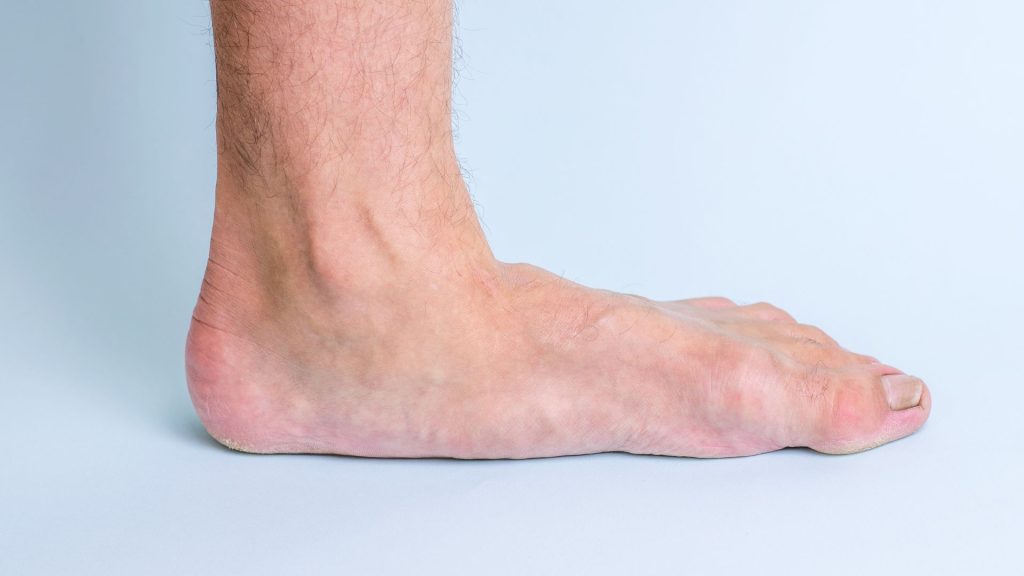
Flat feet are one of the most common foot concerns we see in children.
In many younger children, flat feet are part of normal development as arches form over time. However, flat feet may need assessment if they are associated with:
- Foot, leg, or heel pain
- Early fatigue when walking
- Frequent tripping or poor balance
- Avoidance of physical activity
The key question isn’t “Does my child have flat feet?”, it’s “Are the feet coping well with daily activity?”
Learn more:
- My Child Has Flat Feet, Is This Normal or Does My Child Need Insoles?
- Worried About Your Child’s Flat Feet? Understanding and Treatment Options in Singapore
#2. Leg Alignment Changes with Growth, Timing Matters
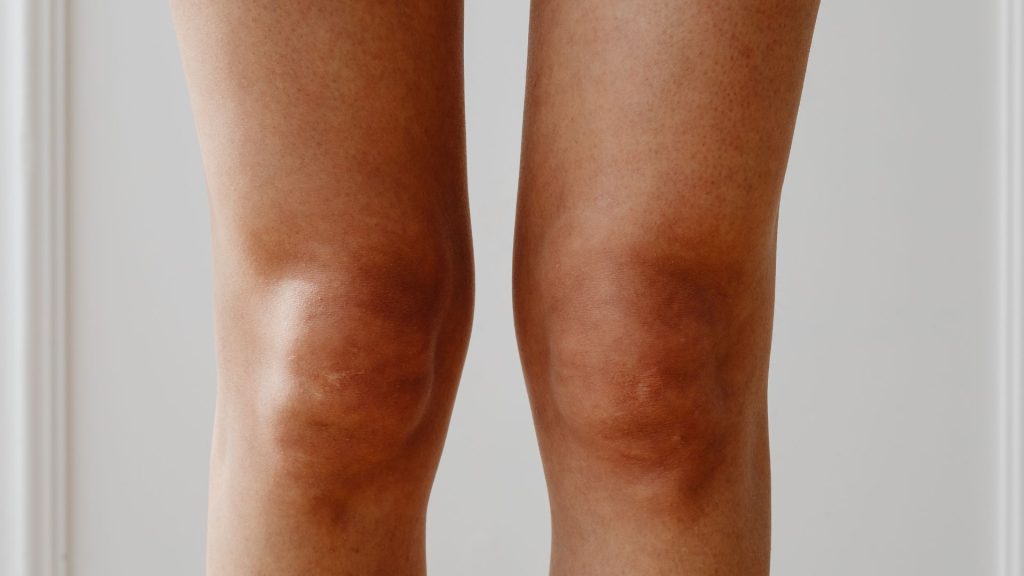
Changes in leg alignment are common as children grow.
- Bow legs often appear in toddlers
- Knock knees are common in preschool-aged children
Most children gradually straighten out without treatment. However, assessment is recommended if:
- The alignment looks severe or uneven
- One leg appears different from the other
- The condition worsens instead of improving
- Pain, limping, or functional difficulties are present
Early checks help differentiate normal growth patterns from conditions that may benefit from monitoring or support.
Read more:
#3. How Your Child Walks Can Reveal Underlying Foot Issues
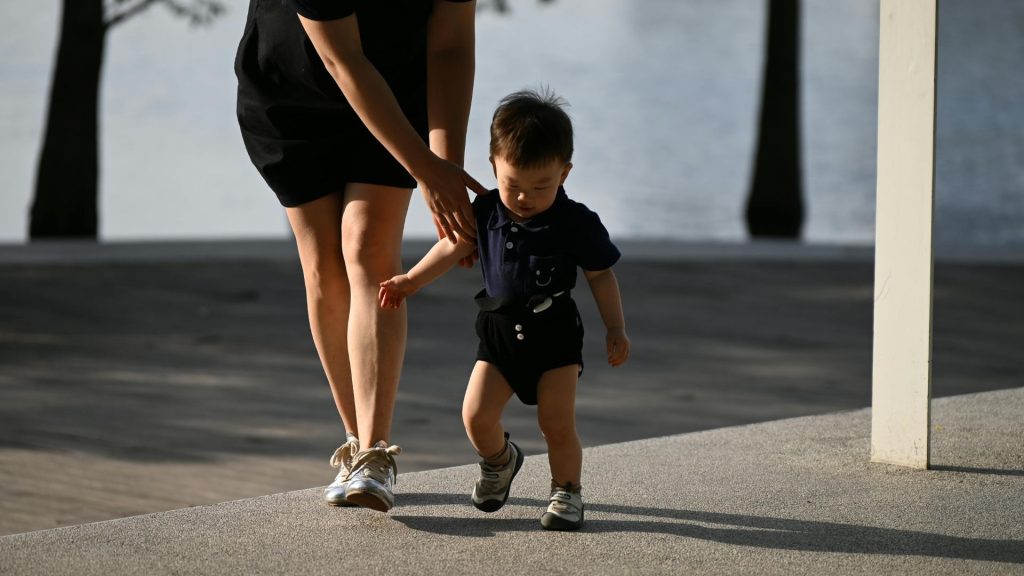
A child’s walking pattern provides valuable insight into foot and leg development.
Some common patterns include:
- toes pointing inwards (pigeon toe)
- persistent toe walking
- high-arched (cavus) feet
While many gait differences improve naturally, persistent or rigid patterns may affect coordination, balance, and comfort over time.
Parents often notice:
- frequent falls or clumsiness
- uneven shoe wear
- difficulty keeping up with peers
Learn more:
#4. Heel Pain in Active Children Isn’t Always “Growing Pains”
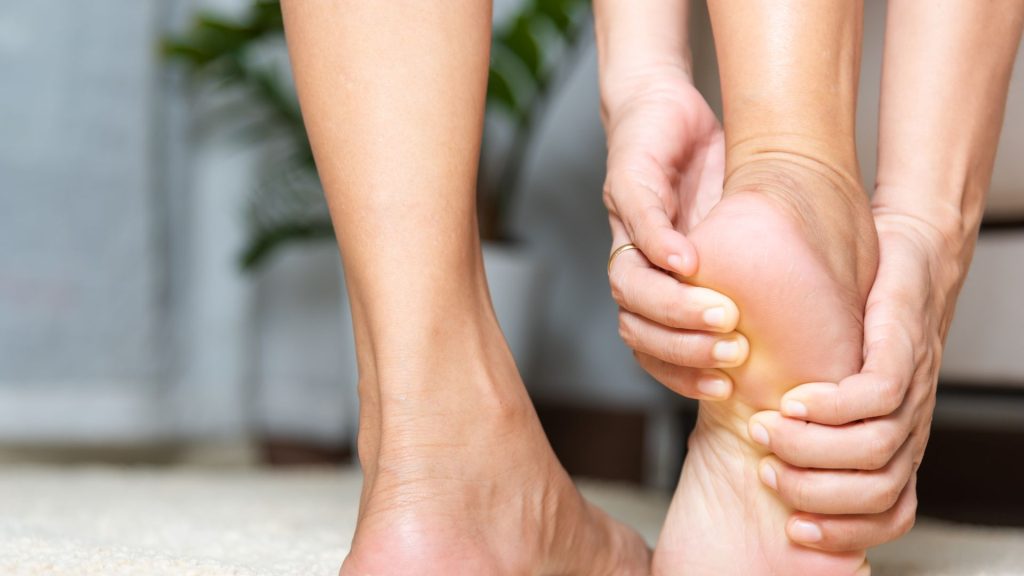
Heel pain is a common complaint among active children, especially during growth spurts.
Sever’s disease is one of the most frequent causes. It’s linked to repetitive impact and rapid growth, and often presents as:
- Heel pain during or after sports
- Limping after activity
- Discomfort when the heel is squeezed
Early management can help children stay active while reducing pain and preventing prolonged symptoms.
Read more:
#5. Skin Changes Like Peeling Feet Shouldn’t Be Ignored
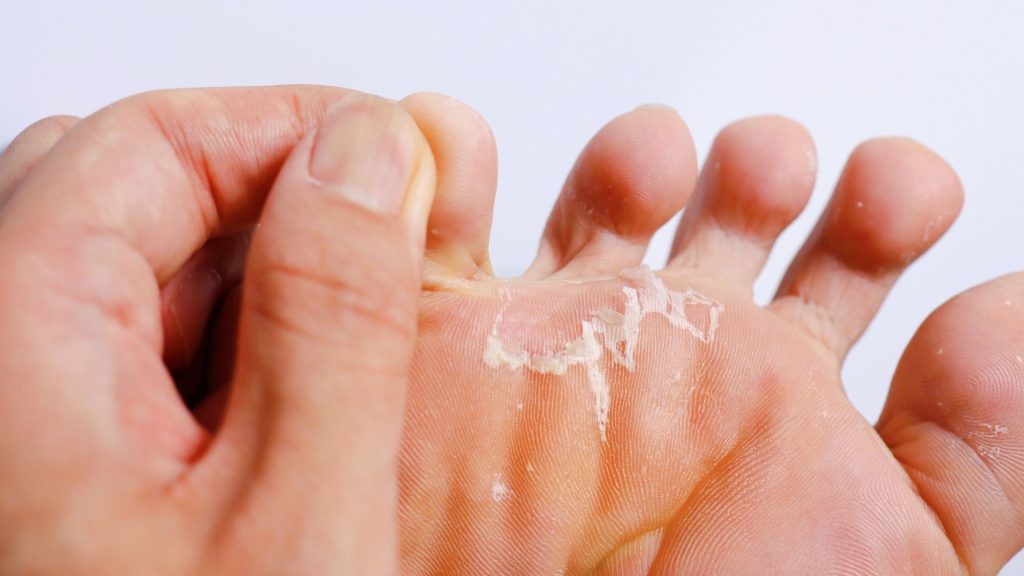
Peeling skin on children’s feet is common and often harmless. However, persistent or recurrent peeling may be linked to:
- Excessive sweating
- Footwear issues
- Skin or fungal conditions
If peeling is ongoing, painful, or accompanied by redness or cracking, assessment helps identify the cause and guide appropriate care.
Learn more:
When Should Parents Consider a Foot Assessment?
You may want to seek professional advice if your child:
- Complaints of foot, leg, or heel pain
- Trips or falls frequently
- Tires easily when walking or playing
- Avoids physical activity
- Shows uneven shoe wear
- Has persistent skin or nail issues
Supporting Healthy Foot Development in Children
Children’s feet develop quickly, and small issues can become bigger ones if overlooked. Early assessment isn’t about over-treating; it’s about understanding what’s normal, what to monitor, and what may need support.
If you have concerns about your child’s feet, a podiatry assessment can provide clarity and peace of mind.
Book a child podiatry assessment at Physio & Sole Clinic


