
Quick Summary
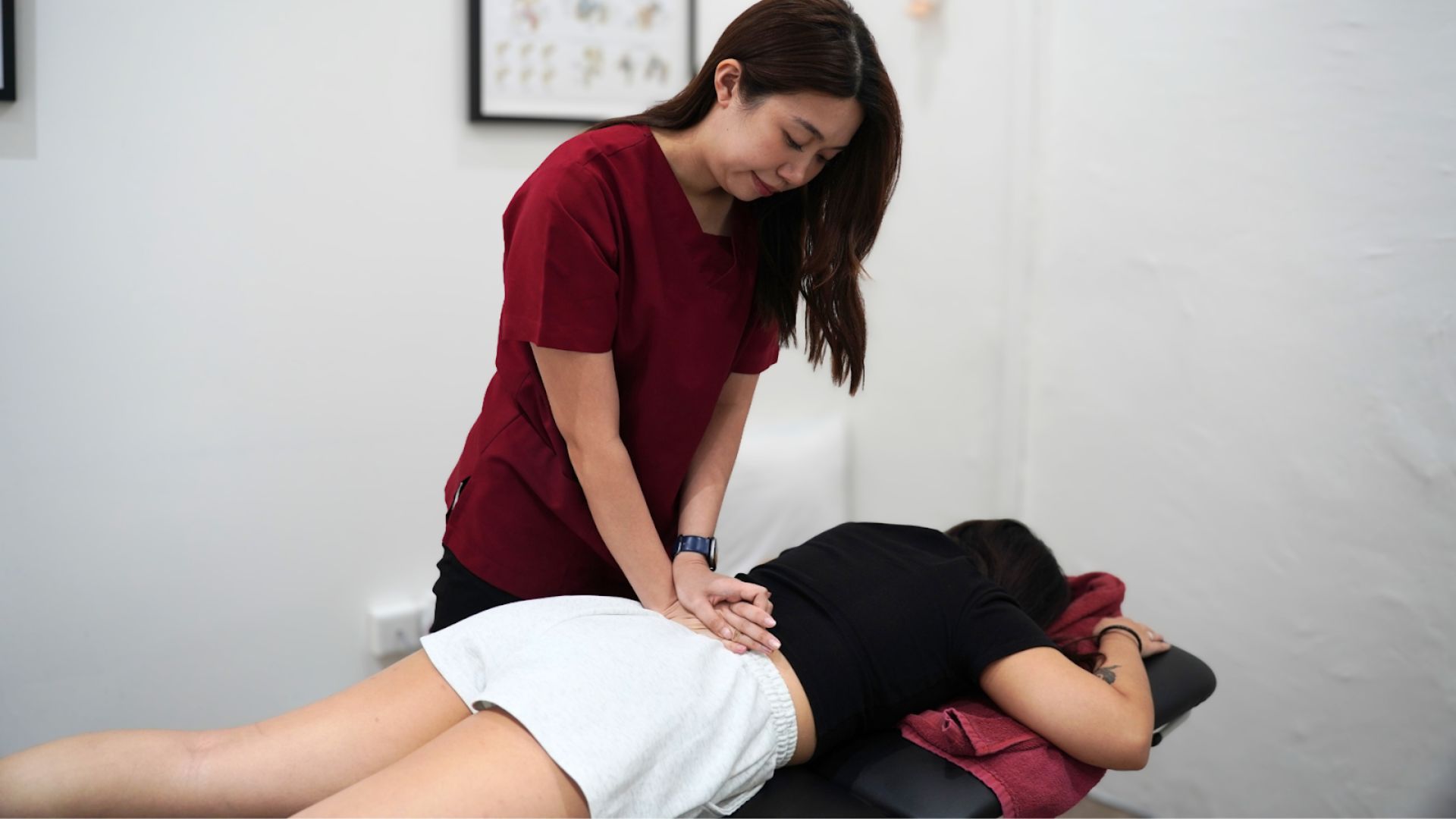
Manual Therapy is not simply a massage. While both involve hands-on techniques, the intention, assessment, and clinical reasoning behind them differ significantly. This guide breaks down the real differences: how manual therapy uses clinical assessment and targeted techniques to address the root cause of pain rather than just relieving tension, why it can feel different from a relaxation massage, and how to tell which one is right for your condition. You'll also find what results to expect and when physiotherapy-led manual therapy is the better choice over a regular massage.
It Feels the Same, So It Must Be the Same?
If it feels like a massage… is it really just a massage?
This is one of the most common questions I hear in the clinic.
Many patients walk into the clinic after months, sometimes years, of regular massages. They’ll tell me: “It feels better for a few days… but the pain keeps coming back.”
So let’s clear this up properly.
Let me explain.
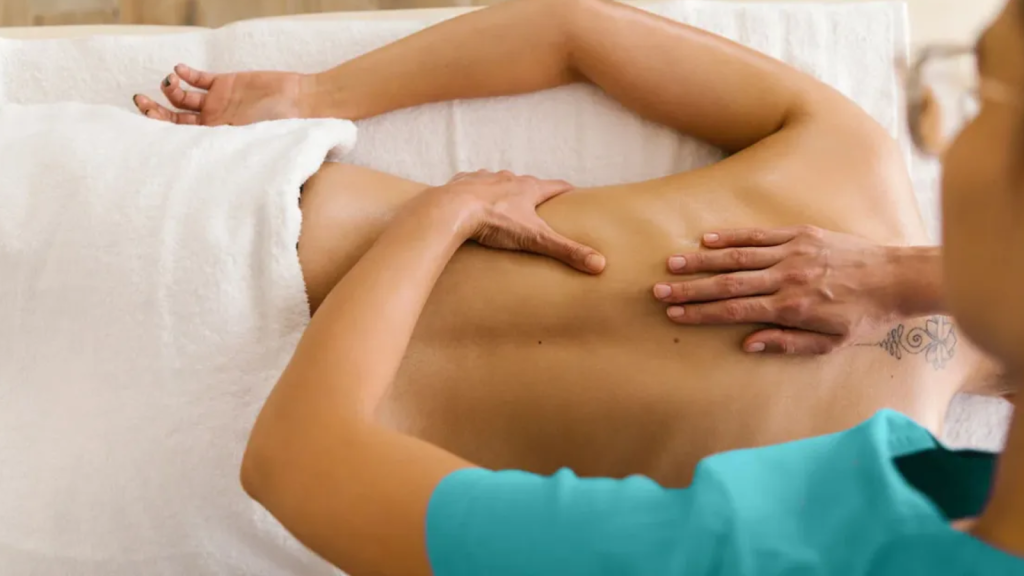
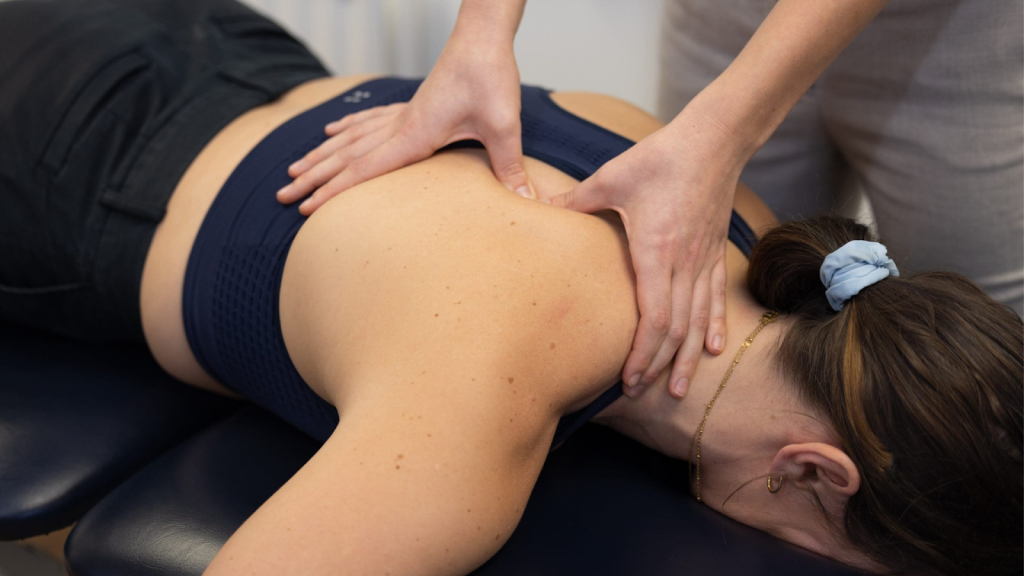
If you’re lying on a treatment bed and someone is working on your tight shoulders, it can look identical from the outside.
But what you’re experiencing may not reflect what’s actually happening beneath the surface.
Massage is primarily focused on:
Relaxation
Improving circulation
Reducing muscle tension
General wellness
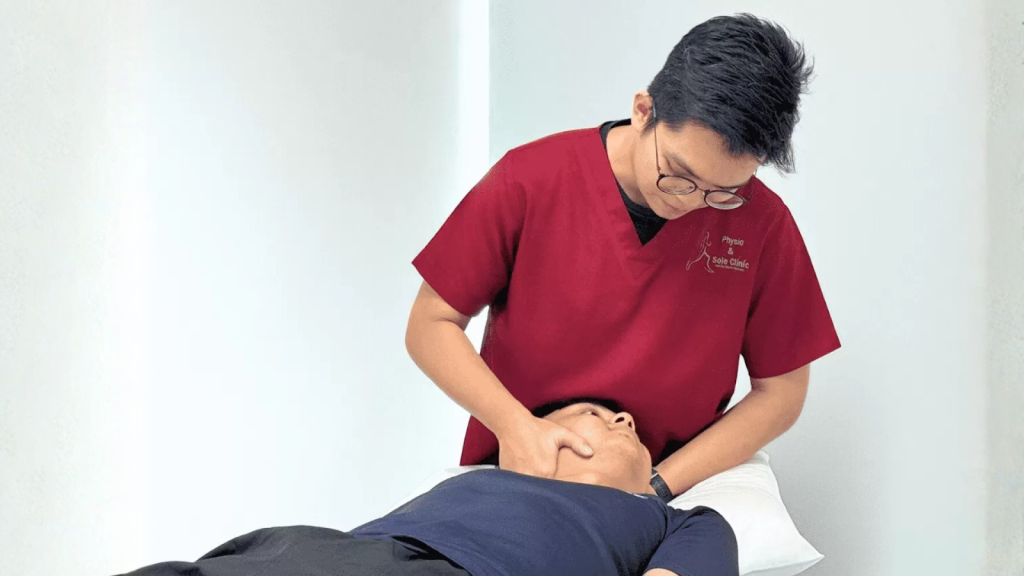
Manual therapy, on the other hand, is a targeted hands-on physiotherapy treatment based on clinical assessment.
The goal isn’t just to loosen muscles.
It’s to:
Restore joint movement
Reduce pain sensitivity
Improve neuromuscular control
Prepare the body for active rehabilitation
That difference matters.
What Is Manual Therapy?

Manual Therapy refers to skilled, hands-on techniques used by physiotherapists to assess and treat musculoskeletal pain and movement problems.
It may include:
Soft tissue release
Joint mobilisation techniques
Trigger point therapy
Myofascial release techniques
Passive movement assessment
But here’s the key:
Every technique is guided by assessment findings.
Before I place my hands on someone’s neck or back, I’ve already evaluated:
Range of motion
Joint glide quality
Muscle activation patterns
Pain response
Functional movement
That clinical reasoning is what separates manual therapy from massage.
A Short Clinical Scenario
Let’s say I see a 35-year-old office worker in Singapore with recurring neck pain.
She’s been getting monthly massages. It feels good temporarily. But the stiffness returns by Wednesday.
On assessment, I might find:
Limited cervical joint mobility
Poor deep neck muscle endurance
Forward head posture
Increased pain sensitivity
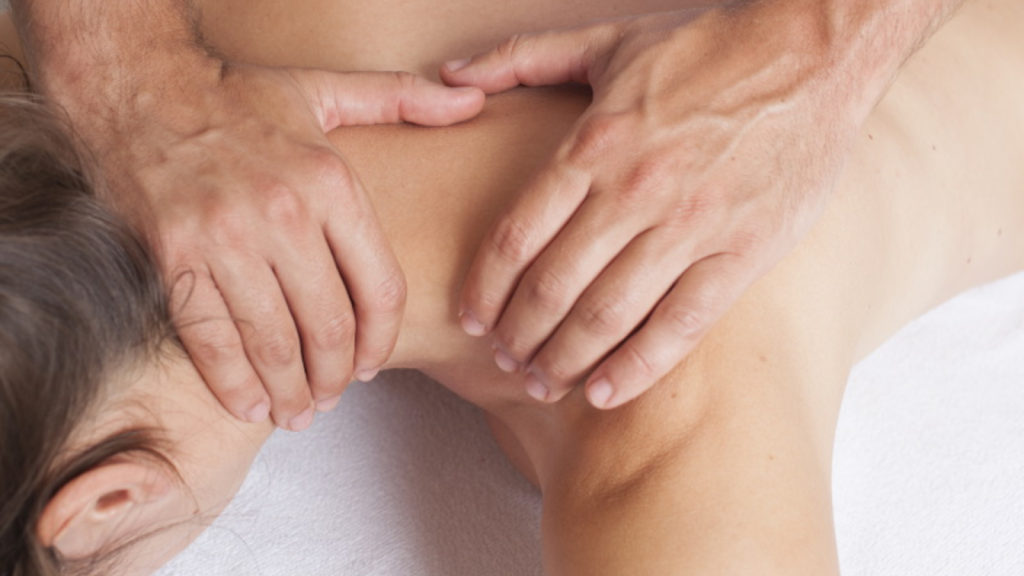
If I only massage her upper trapezius, the relief will be short-lived.
Instead, I may:
Use joint mobilisation techniques to improve neck segment mobility
Apply specific soft tissue release to reduce muscular guarding
Teach motor control exercises
Address ergonomic setup
The manual therapy prepares her body to move differently.
That’s the difference.
Manual Therapy vs Massage: What’s the Real Difference?
Here’s a clear comparison:
| Massage Therapy | Manual Therapy (Physiotherapy) |
|---|---|
| Focuses on muscle relaxation | Focuses on movement restoration |
| General tension relief | Targeted clinical assessment |
| Often full-body | Problem-specific |
| Temporary symptom relief | Part of a rehab plan |
| No movement retraining | Integrated with exercise therapy |
| Massage isn’t “wrong.” | But it is different. |
Does Manual Therapy Hurt?

This is another common concern.
Manual therapy should not feel aggressive or forceful.
Some techniques may cause:
Mild discomfort
Temporary soreness
Sensitivity in inflamed areas
But it should always feel controlled and purposeful.
At Physio & Sole Clinic, we adjust intensity based on:
Pain tolerance
Stage of the condition
Tissue irritability
The goal is to calm the system, not provoke it.
Why Does Manual Therapy Feel Good?

Many people assume relief equals “fixing” something physically.
But modern pain science tells us something important.
Manual therapy works partly by:
Reducing nervous system sensitivity
Improving joint proprioception
Enhancing blood flow
Decreasing protective muscle guarding
In simple terms:
It helps your body feel safe enough to move again.
That calming effect is powerful, especially for neck pain and back pain cases where patients deal with persistent tension.
Sports Massage vs Physiotherapy: Which Is Better?
This depends on your goal.
If you’re:
Recovering from a marathon
Managing muscle soreness
Wanting relaxation
Sports massage can be helpful.
But if you’re:
Experiencing recurring pain
Dealing with limited joint movement
Recovering from injury
Struggling with performance plateaus
Physiotherapy treatment in Singapore offers:
Assessment
Diagnosis
Rehabilitation planning
Long-term correction
The difference is clinical reasoning.
How Long Do Manual Therapy Results Last?
If used alone, relief may last:
A few days
Sometimes a week
When combined with:
Strength training
Movement retraining
Load management
Results become sustainable.
That’s why at Physio & Sole Clinic, manual therapy is rarely the only treatment.
It’s the gateway.
Do I Need Exercises If I’m Getting Manual Therapy?

Yes.
This is important.
Manual therapy prepares the body.
Exercise makes the change stick.
Without strengthening and motor control:
Muscles revert to old patterns
Pain may return
Movement restrictions redevelop
That’s why we integrate manual therapy with active rehabilitation.
Can Massage Fix Back Pain Permanently?
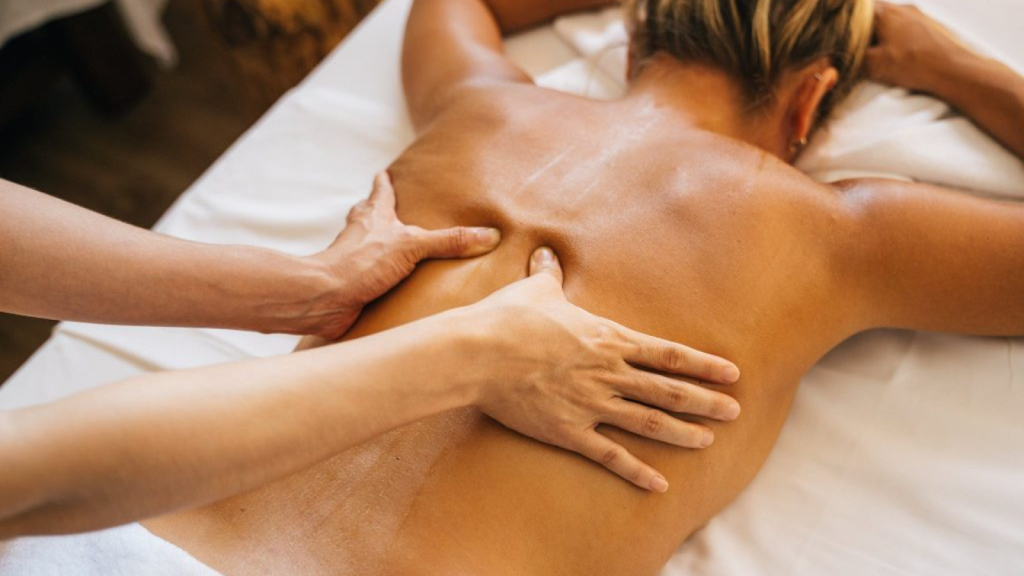
Short answer: usually no.
Massage can:
Reduce tightness
Improve comfort
Help relaxation
But if back pain stems from:
Joint stiffness
Weak muscles
Movement compensation
Poor load tolerance
It requires structured rehabilitation.
That’s where physiotherapy comes in.
What Conditions Benefit From Manual Therapy?

Manual therapy may help with:
Mechanical neck pain
Non-specific low back pain
Frozen shoulder
Post-surgical stiffness
Ankle mobility restrictions
Runner’s overuse injuries
Muscle tightness treatment needs
But again, it works best as part of a bigger plan.
Why Is Physiotherapy More Expensive Than Massage?
This is a fair question.
Physiotherapy includes:
Clinical assessment
Differential diagnosis
Treatment planning
Risk screening
Evidence-based intervention
Exercise prescription
Ongoing reassessment
You’re not just paying for hands-on time.
You’re paying for clinical expertise.
When Should You Choose Physiotherapy Over Massage?

Consider physiotherapy if:
Pain keeps returning
You’ve tried massage, but symptoms persist
There’s joint stiffness
You’ve had surgery
You’re training for a race
You want a long-term resolution
Massage can support recovery.
Physiotherapy addresses the cause.
The Bottom Line
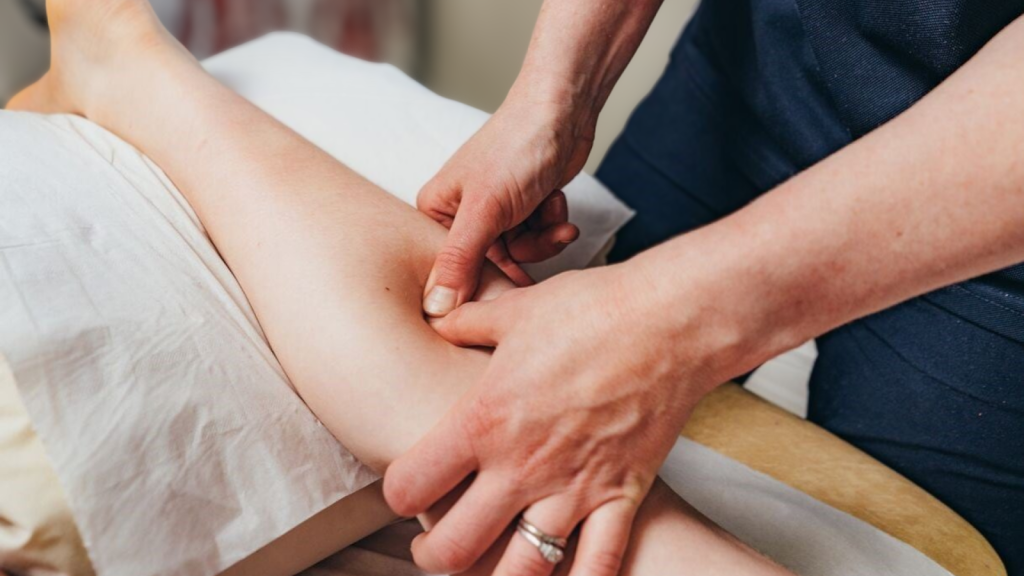
Manual Therapy is not “just a massage.”
It is a skilled, assessment-driven physiotherapy hands-on treatment designed to restore movement and reduce pain in a targeted way.
If your pain keeps coming back despite regular massages, it may be time to look deeper.
At Physio & Sole Clinic, we use manual therapy strategically, not as a standalone fix, but as part of a structured rehabilitation plan designed to help you move better for the long term.
Ready to Address the Root Cause?
If you’re experiencing recurring neck or back pain and want a clearer understanding of what’s actually driving it, book a professional assessment with our physiotherapy team.
Let’s move beyond temporary relief and towards lasting change.
Ready to feel better?
Book a consultation with our physiotherapy team to get an assessment tailored to you.