
Quick Summary
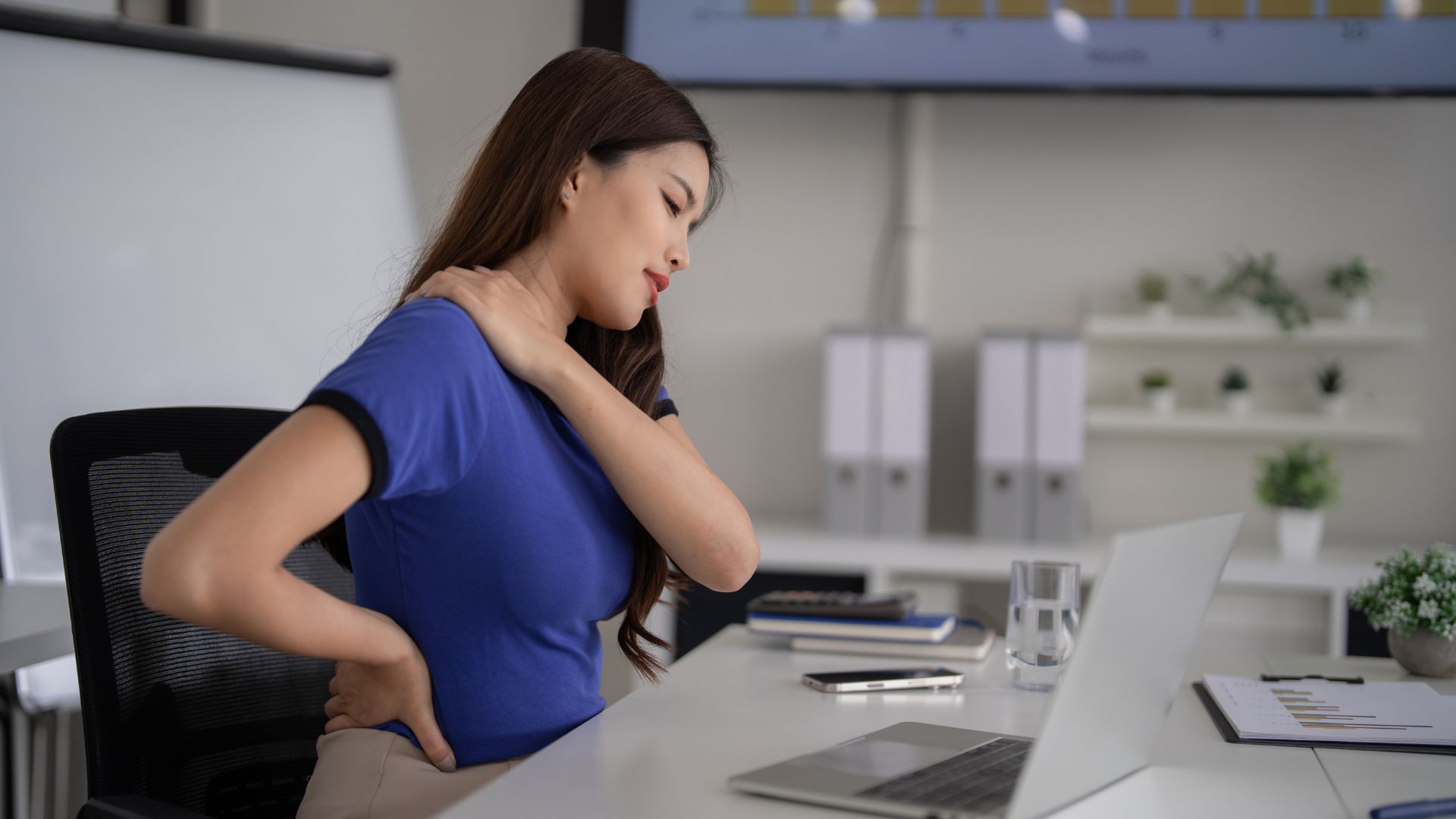
Body pain is common among working adults in Singapore, especially with long hours spent sitting, commuting, and using mobile devices daily. While these habits may seem harmless, they can gradually place strain on the neck, back, shoulders, and feet.
Many people ignore early symptoms until the discomfort begins affecting sleep, exercise, or productivity at work. Recognising these everyday triggers early can help prevent small issues from developing into more serious musculoskeletal problems.
This guide explains 7 common daily habits in Singapore that may be causing your body pain, and when it may be helpful to seek physiotherapy support.
Why Daily Habits Can Cause Body Pain
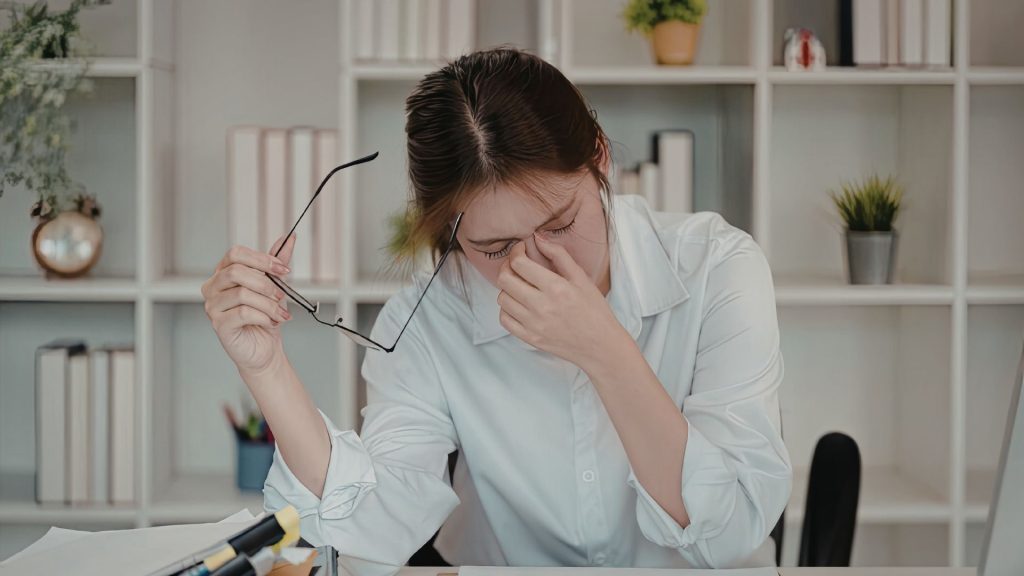
Many cases of body pain in Singapore are not caused by injuries. Instead, they develop gradually from repeated posture habits, long sitting hours, and movement patterns that place stress on the body over time.
Common lifestyle factors include:
- desk-based work in CBD offices
- long MRT or bus commutes
- work-from-home setups without ergonomic support
- carrying laptops daily
- standing for extended periods in service roles
Over time, these habits can contribute to neck pain, back pain, shoulder stiffness, and lower limb discomfort.
Recognising these triggers early allows for timely treatment and prevention.
Everyday Habits That May Be Causing Your Body Pain
Many Singaporeans experience discomfort without realising that their daily routine plays a role. Below are seven common habits that may contribute to ongoing pain.
1Sitting for Long Hours at Work
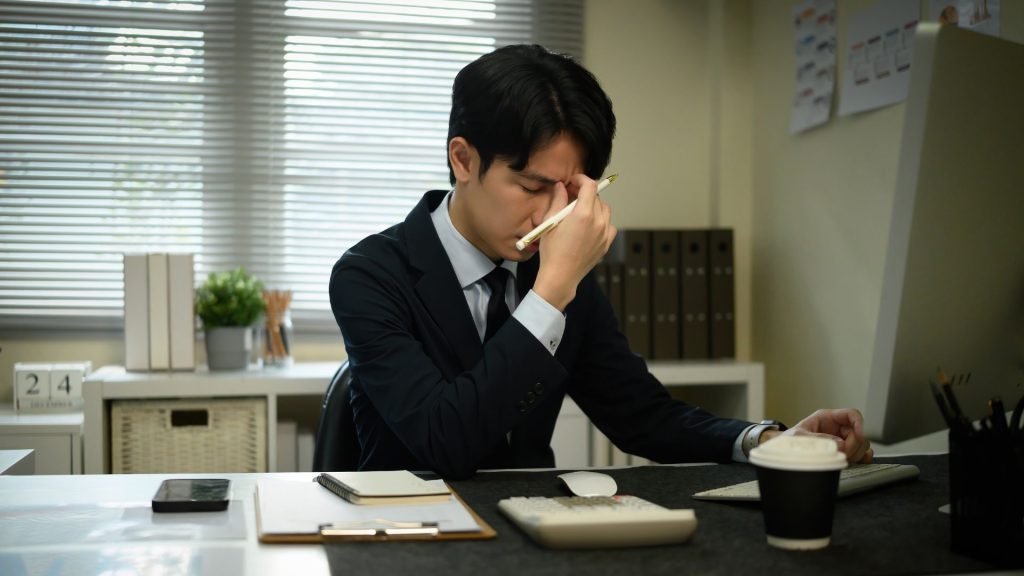
Many office workers in Singapore spend several hours each day seated at their desks.
Prolonged sitting can place pressure on the spine and surrounding muscles, especially when posture support is limited. Over time, this may lead to:
- lower back pain
- neck stiffness
- shoulder tightness
Small posture adjustments and movement breaks throughout the day can help reduce strain on the body.
2Looking Down at Your Phone on the MRT

Using mobile devices during daily commutes is common in Singapore. However, frequently looking down at your phone may place extra stress on the neck and upper back.
This posture is sometimes referred to as “text neck” and may contribute to:
- neck discomfort
- shoulder tension
- headaches
Maintaining a more neutral viewing position can help reduce pressure on the neck.
3Poor Work-From-Home Setups
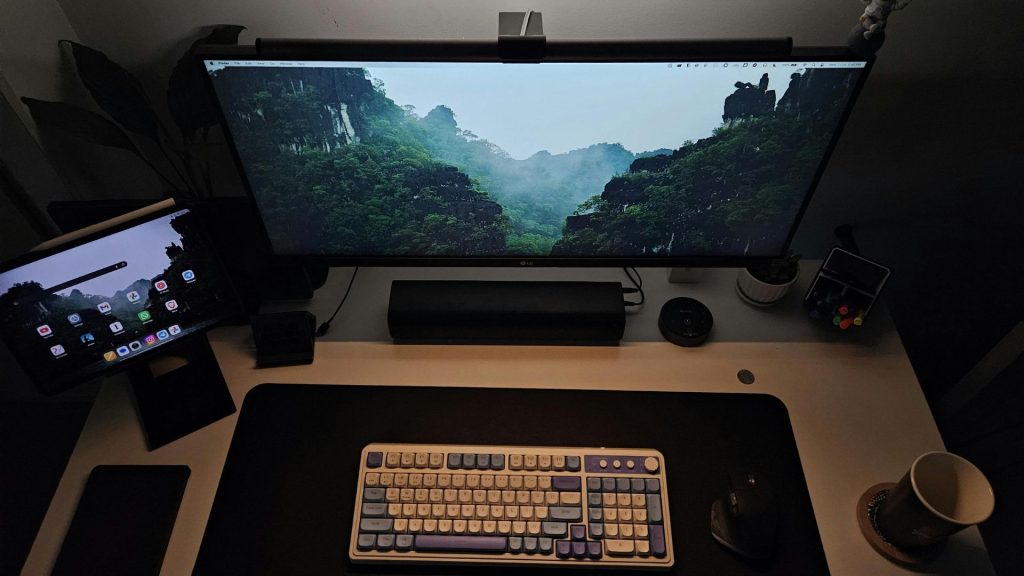
Since flexible working arrangements became more common, many people continue to work from home using dining chairs or sofas instead of ergonomic workstations.
Over time, these setups may contribute to:
- back pain
- shoulder stiffness
- wrist discomfort
Improving workstation positioning can help reduce strain during long working hours.
4. Carrying Heavy Laptop Bags Daily

Carrying laptops and work materials between home and office is part of daily life for many working adults in Singapore.
Carrying heavy bags on one shoulder may lead to:
- shoulder pain
- upper back discomfort
- muscle imbalance
Using backpacks or distributing weight evenly may help reduce strain.
5Standing for Long Periods at Work
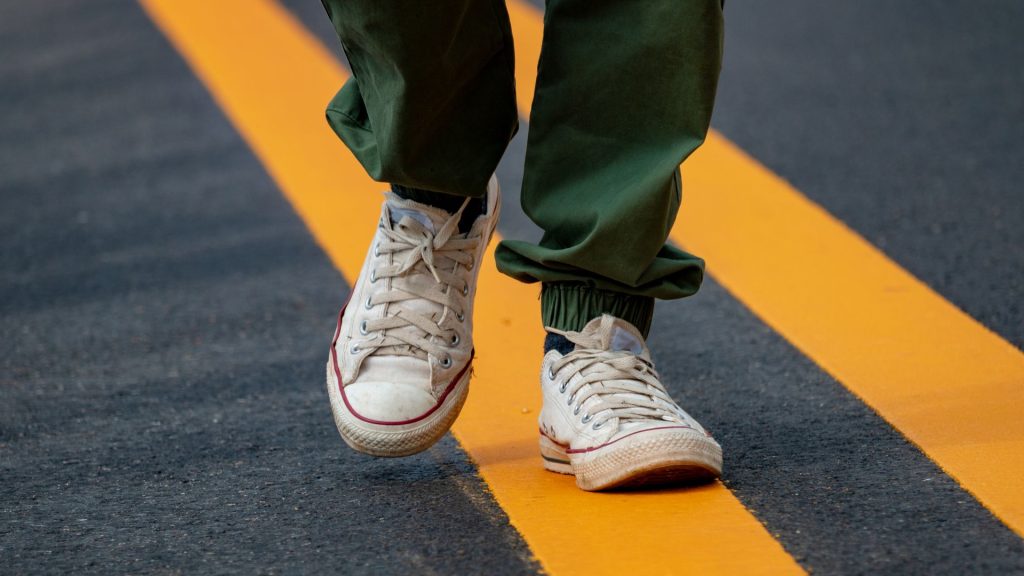
Retail staff, healthcare workers, and service professionals often spend long hours standing.
Extended standing may contribute to:
- foot pain
- heel discomfort
- lower back strain
Supportive footwear and movement breaks can help improve comfort during long shifts.
6Sudden Weekend Exercise After a Sedentary Week
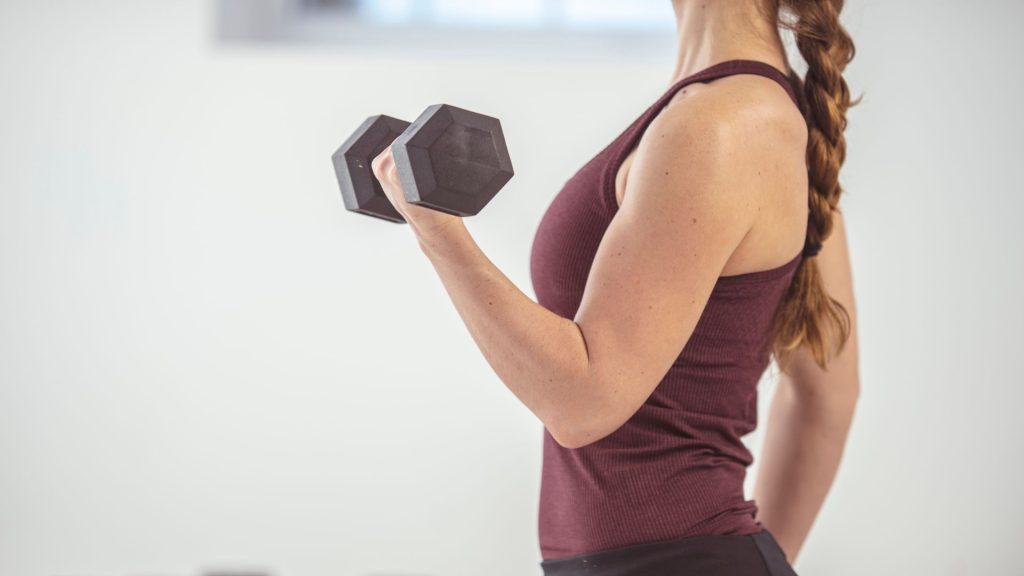
Many people try to stay active by exercising on weekends after spending most of the week seated at work.
Sudden increases in activity levels may lead to:
- muscle soreness
- joint discomfort
- running-related injuries
Gradually increasing activity levels helps reduce the risk of strain.
7Wearing Unsupportive Footwear
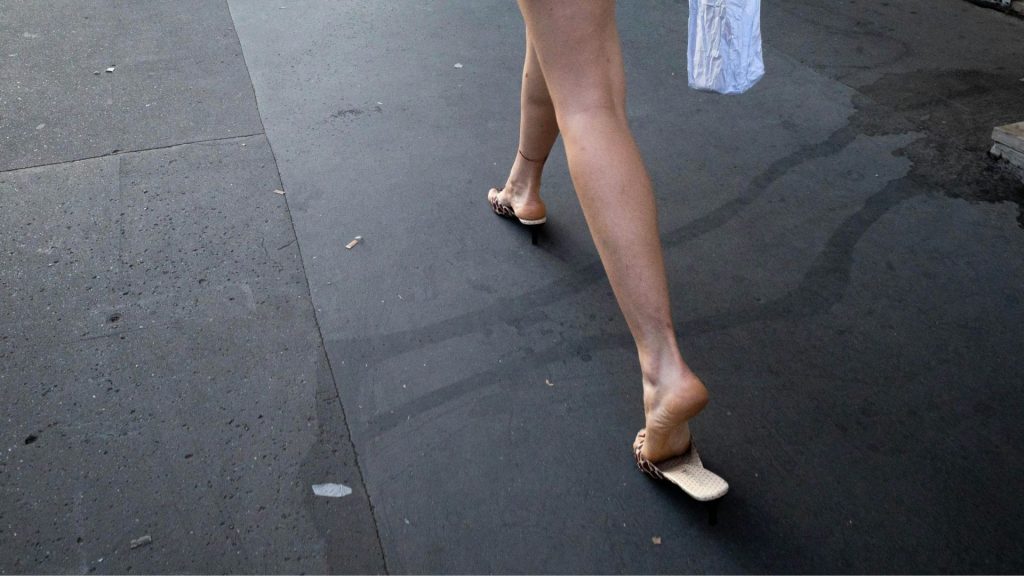
Footwear plays an important role in supporting posture and movement.
Common footwear choices, such as worn-out sneakers, flat shoes, or unsupportive sandals, may contribute to:
- heel pain
- arch discomfort
- knee strain
- lower back pain
Choosing appropriate footwear can help reduce stress on the body during daily activities.
When Should You Consider Physiotherapy?
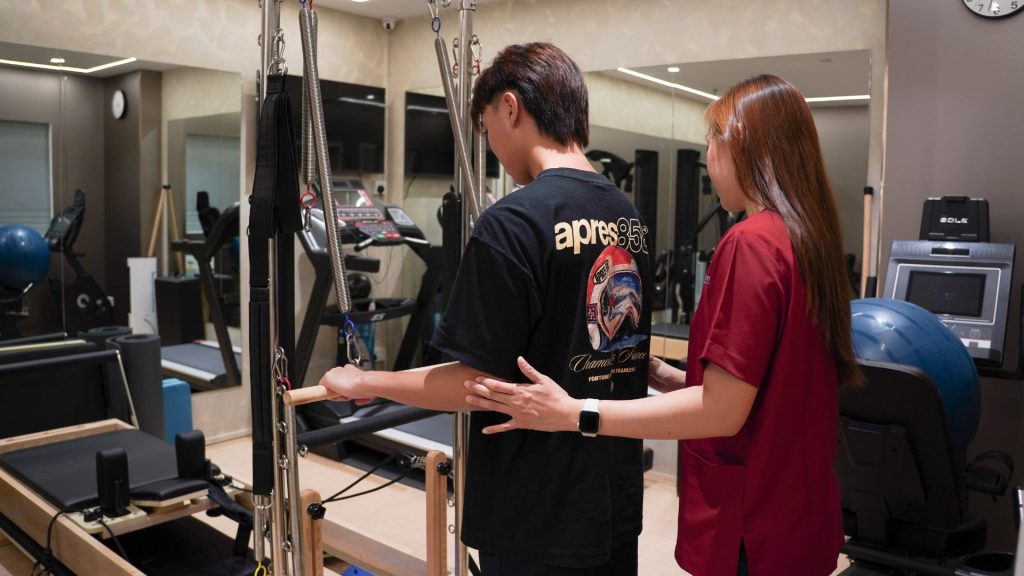
You may consider seeing a physiotherapist if:
- pain lasts longer than a few days
- stiffness affects movement
- discomfort keeps returning
- pain interferes with work or sleep
- symptoms worsen over time
Early physiotherapy assessment can help identify the cause of discomfort and support recovery before symptoms become more severe.
Experiencing Body Pain from Daily Activities?
If your discomfort is affecting your work, sleep, or daily routine, a physiotherapy assessment can help identify the cause and guide appropriate treatment.
Our team at Physio & Sole Clinic provides personalised physiotherapy and podiatry care to support recovery and long-term movement health.
Early assessment can help prevent minor discomfort from developing into more serious conditions. Book your appointment today.
Ready to feel better?
Book a consultation with our physiotherapy team to get an assessment tailored to you.
Frequently Asked Questions
Yes. Many working adults experience posture-related discomfort due to long hours of sitting and screen use.
If pain lasts more than a few days or keeps returning, a physiotherapy assessment may help identify the cause.
Poor posture over time may contribute to ongoing neck, shoulder, and back discomfort if not addressed early.
Yes. Physiotherapy can improve movement patterns and reduce the risk of recurring pain or injuries.
Resources from Physio & Sole Clinic
You may also find these related resources helpful:
Visit the Physio & Sole Blog for more articles on injury prevention and movement health.