
Quick Summary
There's no single "best" physiotherapy clinic in Singapore — the right one depends on your condition and goals — but the clinics that consistently deliver good outcomes share the same traits: AHPC-registered physiotherapists, a personalised assessment rather than a generic protocol, a treatment plan built around your specific injury, a track record with your type of condition, and access you can realistically keep up for multiple sessions.
What Makes a Physiotherapy Clinic "the Best" in Singapore?
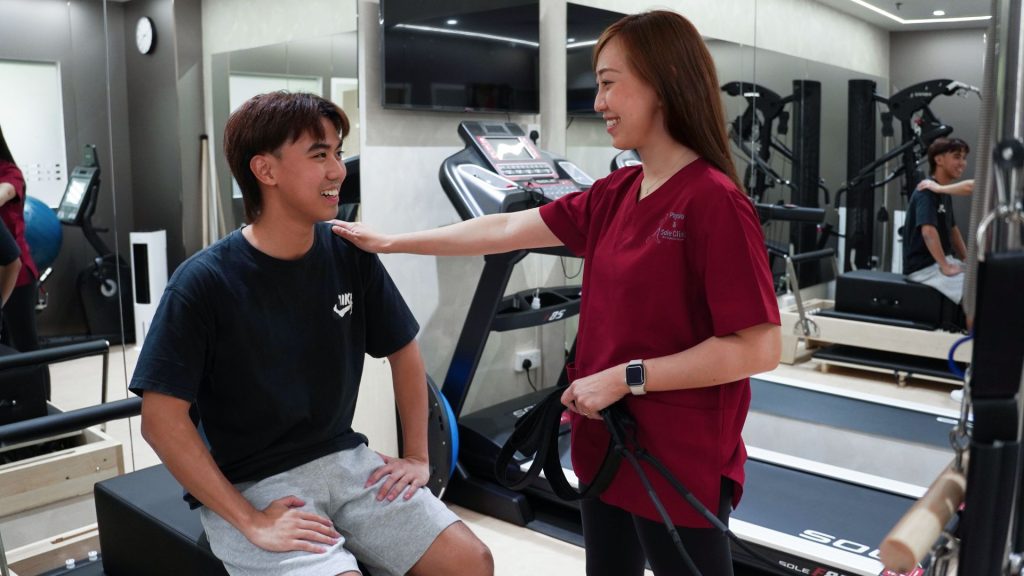
Physiotherapy focuses on improving movement, reducing pain, and supporting recovery after injury or surgery, and treatment effectiveness depends heavily on the quality of assessment and rehabilitation approach the clinic uses.
| Criteria | What to Look For |
|---|---|
| Registration | Physiotherapists registered with the AHPC |
| Assessment | An individual movement/posture assessment, not a generic protocol |
| Treatment planning | A programme built around your specific injury and goals |
| Range of services | Sports injury, back/neck pain, post-surgical rehab and more under one roof |
| Reputation | Patient reviews that reflect expertise and communication, not just convenience |
| Access | Locations and appointment slots you can realistically keep to |
A clinic that scores well across these six areas will generally help you recover more effectively, prevent recurring injuries, and improve your overall physical function.
Are the Physiotherapists AHPC-Registered?
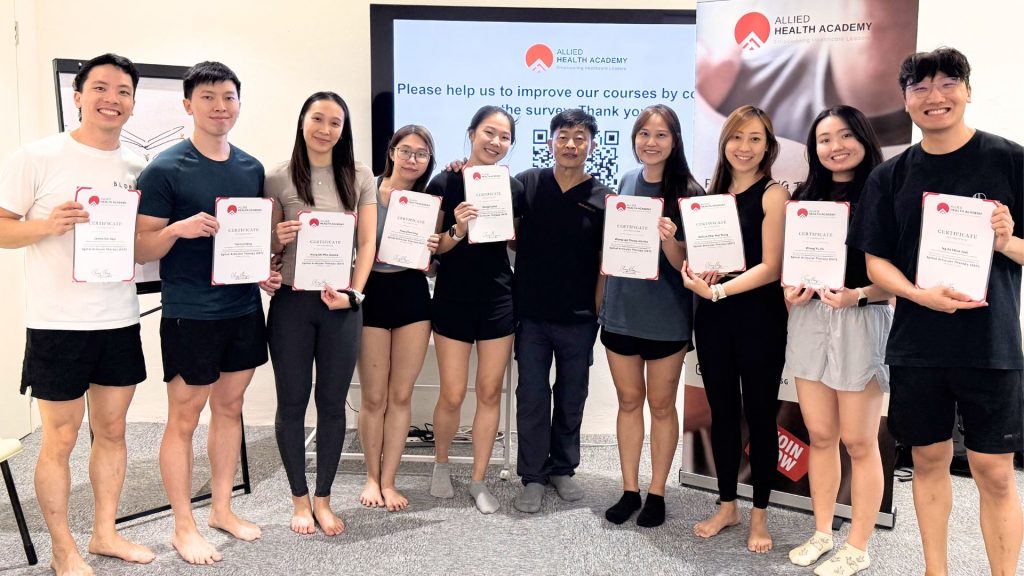
Yes, they should be — this is the single most important factor when choosing a physiotherapy clinic.
In Singapore, physiotherapists should be registered with the Allied Health Professions Council (AHPC) under the Ministry of Health. AHPC registration ensures the physiotherapist meets the professional standards required to practise safely and ethically.
Physiotherapists typically hold a Bachelor's degree in Physiotherapy or an equivalent recognised qualification, which provides the clinical training needed to assess, diagnose, and manage musculoskeletal conditions. Experienced physiotherapists are also better equipped to identify movement problems and develop effective treatment strategies for recovery.
Does the Clinic Offer a Wide Range of Treatment Services?
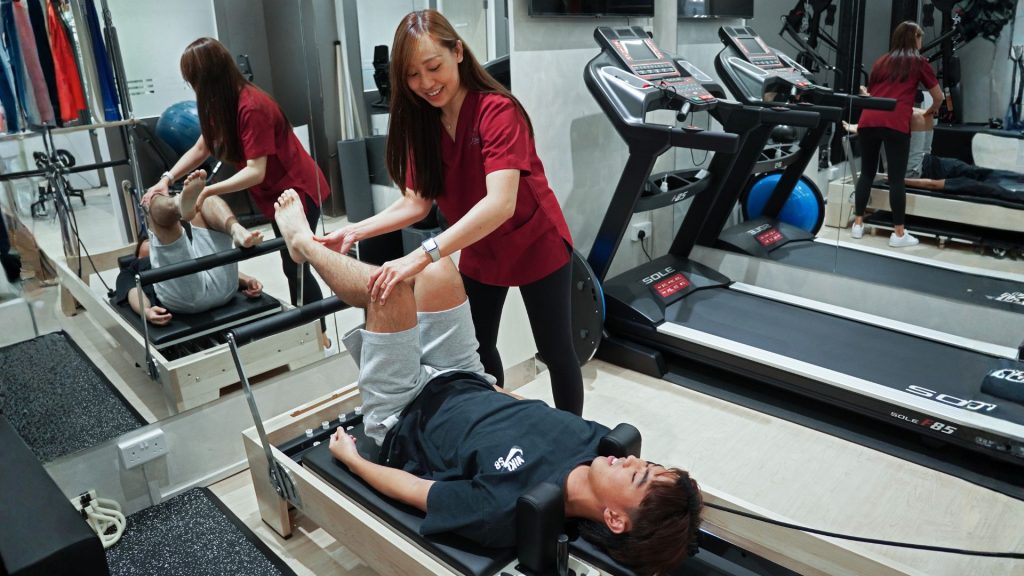
The best physiotherapy clinics typically offer a wide range of services to address different types of injuries and conditions, including:
- Sports injury rehabilitation
- Treatment for back and neck pain
- Post-surgical rehabilitation
- Muscle and joint injury treatment
- Mobility and movement training
A clinic with diverse treatment options can provide more comprehensive care tailored to individual needs.
Does the Clinic Build a Personalised Treatment Plan for You?
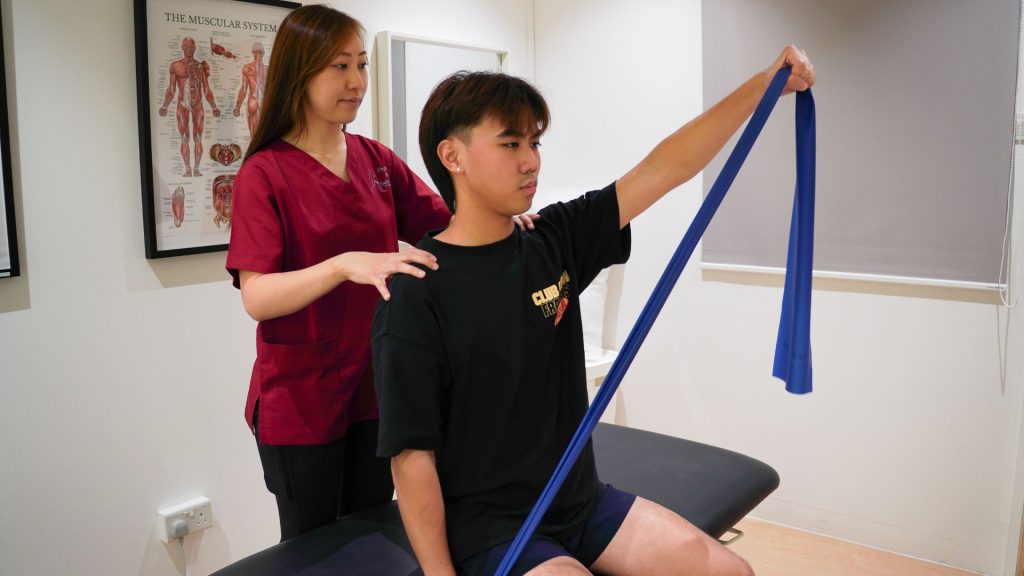
It should — every patient experiences pain and injury differently, and effective physiotherapy involves personalised treatment plans rather than generic exercises.
A good physiotherapy clinic starts with a thorough assessment of the patient's condition, movement patterns, and lifestyle. Based on this evaluation, the physiotherapist designs a customised rehabilitation programme that may include manual therapy, strengthening exercises, and mobility training — addressing the root cause of the problem rather than just the symptom, which improves long-term recovery outcomes.
Does the Clinic Have Experience with Sports and Running Injuries?
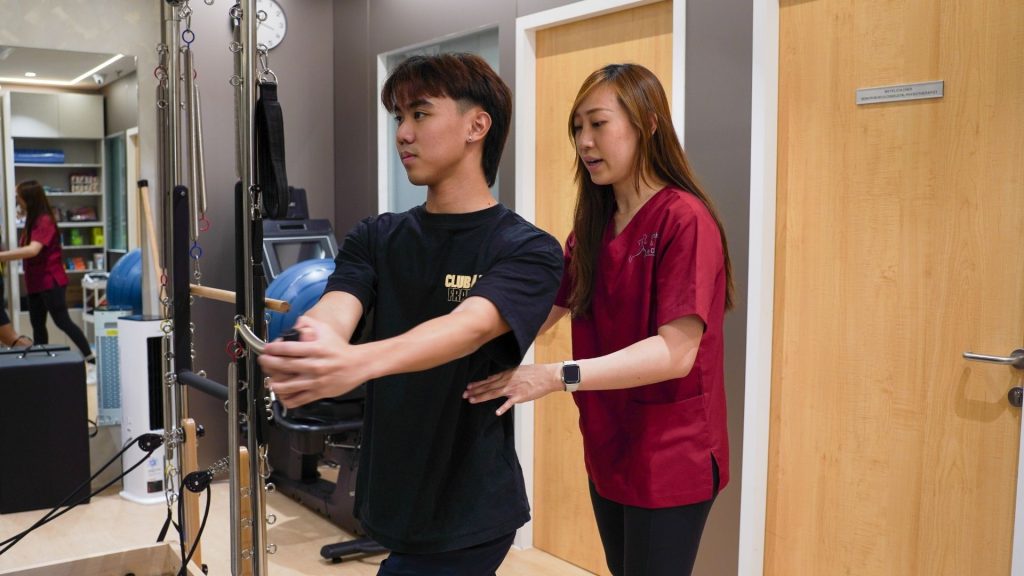
This matters if your injury is sports-related. Clinics with experience in sports physiotherapy are often better equipped to treat conditions such as:
- Muscle strains
- Ligament injuries
- Overuse injuries
- Running-related foot and ankle problems
Physiotherapists who regularly work with athletes and active individuals understand the demands of physical activity and can help you return safely to your sport.
Does the Clinic Use Modern Assessment Techniques?
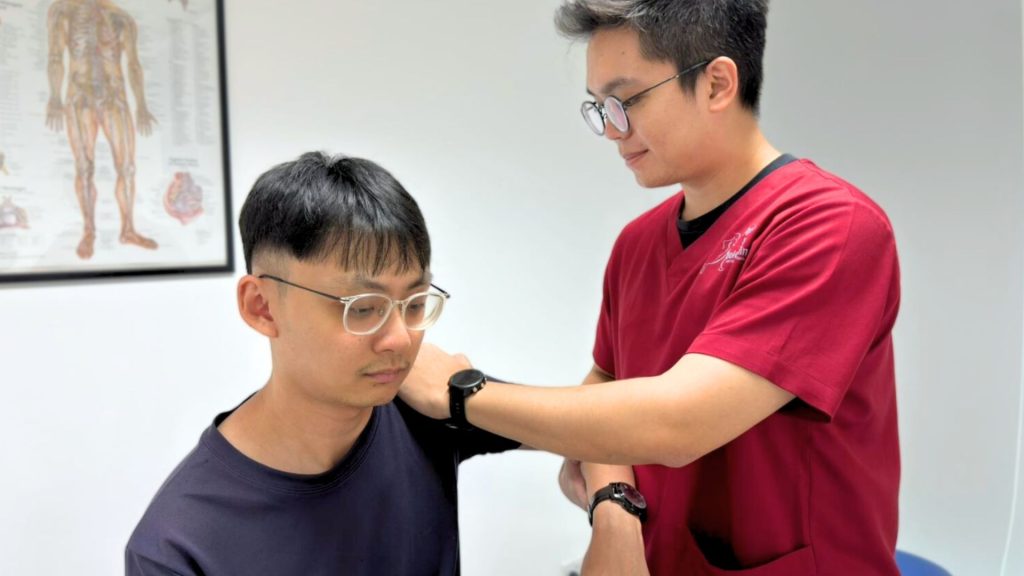
It should — accurate diagnosis is essential for effective physiotherapy treatment. Look for clinics that use structured assessments to evaluate how the body moves and identify areas of weakness or imbalance, such as:
- Movement screening
- Posture analysis
- Functional mobility testing
- Biomechanical assessment
These evaluations help physiotherapists understand the root cause of pain and develop targeted treatment strategies.
What Do Other Patients Say About the Clinic?

Patient reviews can provide helpful insight into the quality of care a physiotherapy clinic provides. Positive feedback often reflects factors such as:
- Therapist expertise
- Treatment effectiveness
- Patient communication
- Overall treatment experience
Reviews shouldn't be the only factor considered, but they help you gauge a clinic's reputation before booking.
Is the Clinic Accessible for Multiple Sessions?
It should be — physiotherapy often requires multiple sessions to achieve optimal recovery, so clinic location, appointment availability, and accessibility all affect the overall treatment experience. Choosing a clinic that is conveniently located makes it easier to attend appointments consistently, and consistency plays a significant role in successful rehabilitation.
Does the Clinic Also Offer Podiatry?
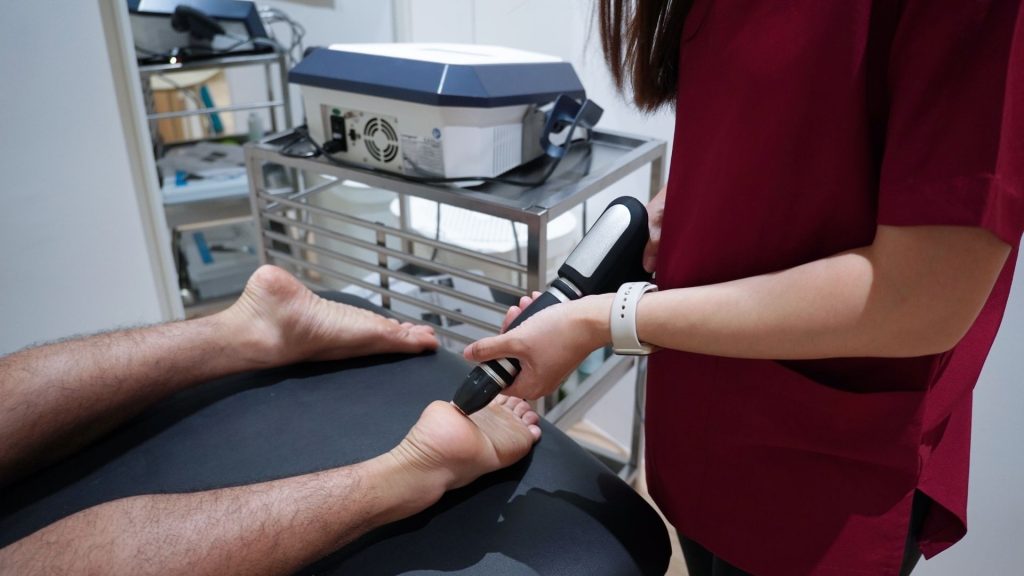
It's worth checking — foot and lower limb issues can sometimes contribute to problems in the knees, hips, or lower back, so clinics offering both physiotherapy and podiatry services can take a more integrated approach to managing musculoskeletal and lower limb conditions together.
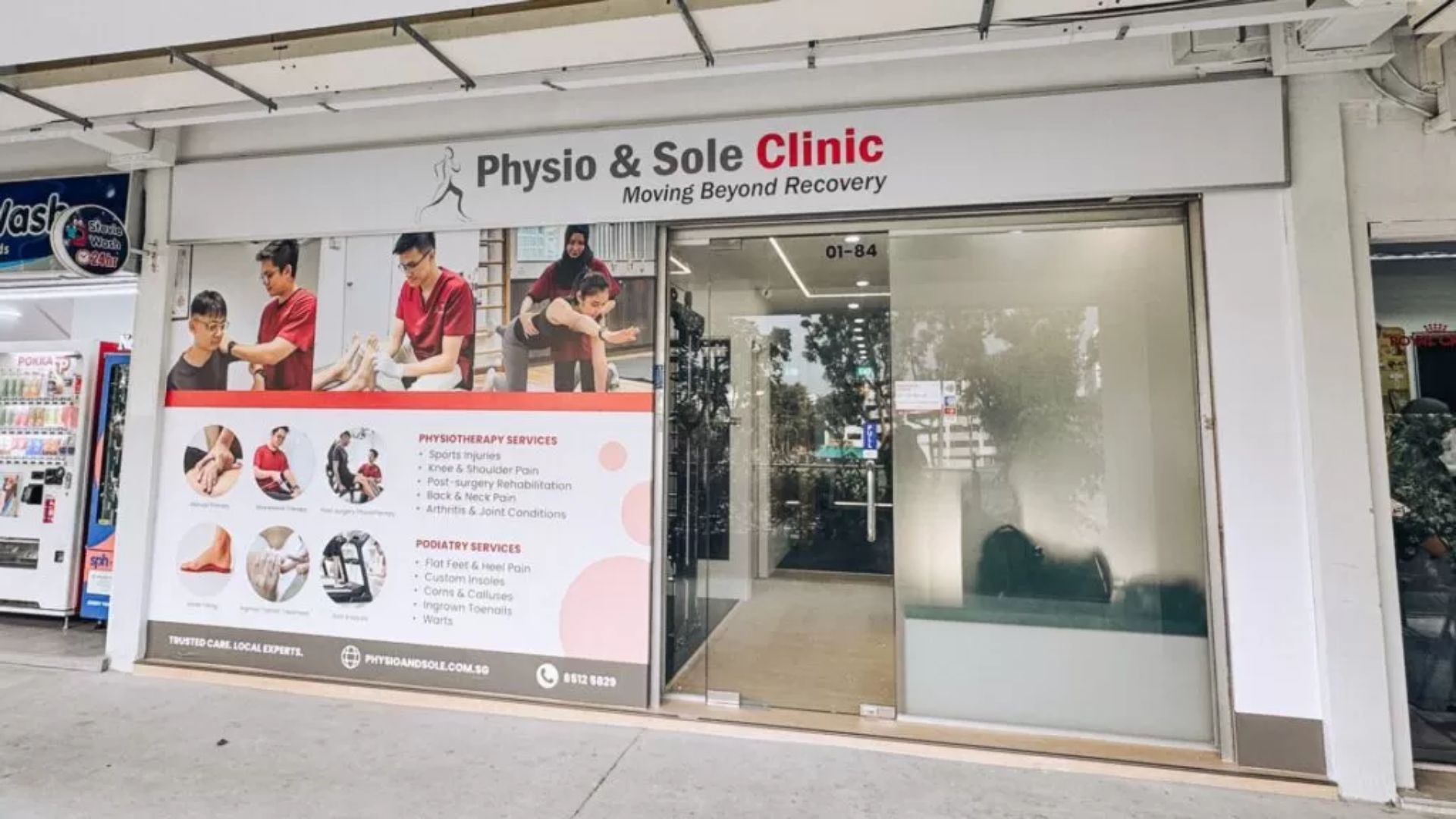
At Physio & Sole Clinic, our patients have access to both physiotherapy and podiatry services. This integrated approach allows our clinicians to assess the body more holistically and develop treatment plans that support recovery, mobility, and long-term injury prevention.
Looking for Physiotherapy in Singapore?

If you are experiencing persistent pain, limited mobility, or recovering from an injury, professional physiotherapy care may help address the underlying cause.
Our team at Physio & Sole Clinic provides personalised physiotherapy and podiatry services designed to support recovery and long-term mobility.
Early assessment can help identify the source of pain and guide effective treatment strategies for better recovery outcomes. Book your appointment here today.
Ready to feel better?
Book a consultation with our physiotherapy team to get an assessment tailored to you.
Frequently Asked Questions
Physiotherapy can help manage a wide range of conditions, including back pain, sports injuries, muscle strains, joint problems, and mobility limitations.
Many physiotherapy clinics in Singapore allow patients to book appointments directly without a referral. However, some individuals may be referred by doctors as part of their treatment plan.
The number of sessions depends on the severity of the injury, the patient's recovery progress, and the type of treatment required.
Yes. Physiotherapy is commonly used to treat sports injuries and help individuals safely return to physical activity through structured rehabilitation programmes.
AHPC-registered physiotherapists, a personalised (not generic) assessment, a treatment plan built around your specific injury, and consistent accessibility for multiple sessions are the factors that most reliably separate clinics.
Resources from Physio & Sole Clinic
You may also find these related resources helpful:
Visit the Physio & Sole Blog for more educational articles on physiotherapy, podiatry, and injury prevention.