

Quick Summary
Is your jaw clicking, locking, or aching more than usual? You’re not alone — jaw pain and temporomandibular joint (TMJ) disorders affect more people than you might think. From dull aches while chewing to sharp pain when yawning, TMJ issues can quietly disrupt your daily life.
But here’s the good news! Physiotherapy offers a safe, effective, and non-invasive approach to relieving jaw pain—without relying on medication or surgery. In this article, we’ll explore how physiotherapy helps manage TMJ disorders, what causes them, and why early intervention can make a world of difference.
What Is TMJ Disorder?
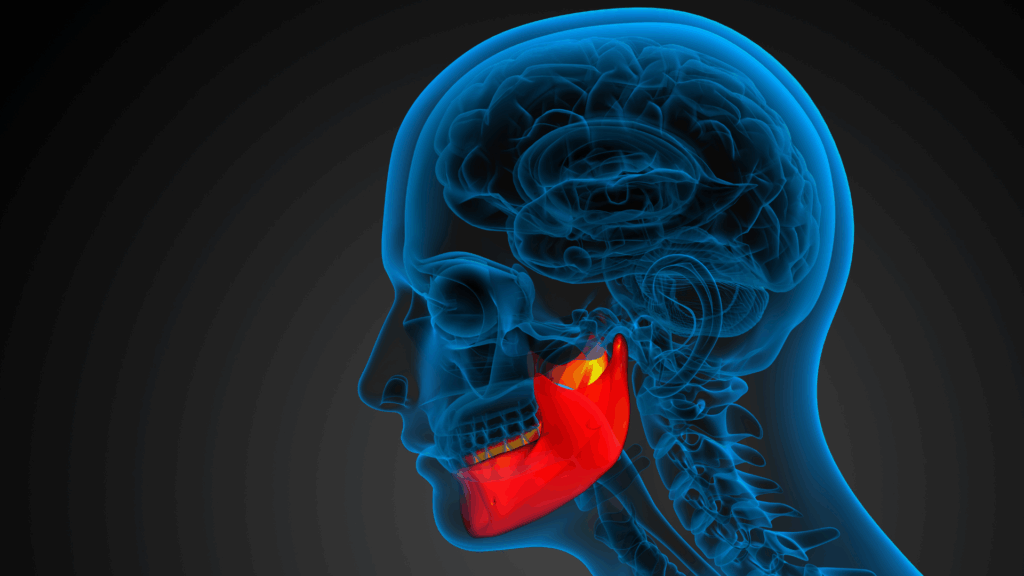
The temporomandibular joint acts as a hinge that allows you to speak, chew, and move your jaw. TMJ disorders occur when there are problems with the muscles, ligaments, or joint alignment.
Common symptoms include:
- Jaw pain or tenderness
- Clicking or popping sounds during jaw movement
- Headaches or facial pain
- Difficulty opening or closing the mouth fully
- Earaches or ringing in the ears (tinnitus)
- Locking of the jaw
TMJ pain can result from a variety of causes, such as stress-related teeth grinding (bruxism), poor posture, muscle tension, misalignment of the jaw, or trauma.
How Physiotherapy Helps with TMJ Disorders?
Physiotherapy offers an evidence-based, non-invasive approach that targets the root causes of TMJ pain through tailored treatment plans and whole-body care. Here are the key ways physiotherapy supports recovery:
Comprehensive Assessment A physiotherapist starts with a thorough evaluation of your jaw, posture, neck, and upper spine. Identifying the contributing factors enables a customised treatment plan.
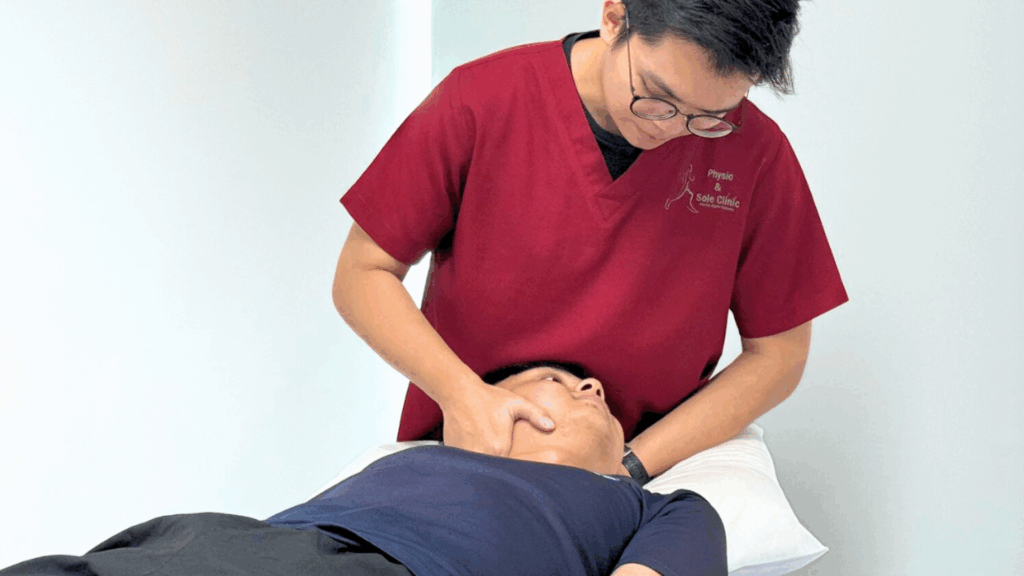
Targeted Manual Therapy Techniques like joint mobilisation, soft tissue massage, and trigger point release are used to reduce muscle tightness and improve joint mobility. Commonly targeted muscles include:

Exercise Therapy Specific strengthening and stretching exercises are prescribed to:
- Improve jaw alignment - Increase range of motion - Reduce tension and prevent recurrence
Eccentric exercises, in particular, have been shown to enhance tendon durability and relieve myofascial pain.
Postural Re-education Poor posture, especially forward head posture, can place excessive stress on the jaw. Physiotherapists provide guidance on ergonomics and posture correction to support long-term relief.
Neck and Upper Spine Treatment Pain can be referred from the cervical spine to the jaw. Addressing the upper neck joints can significantly relieve TMJ symptoms through improved nerve function.
Stress & Habit Management Stress is a common trigger for jaw clenching. Physiotherapists often incorporate breathing techniques and lifestyle modifications to address subconscious habits that worsen TMJ dysfunction.
Why Early Treatment Matters Chronic TMJ disorders can progress from temporary muscle inflammation to long-term dysfunction and degeneration. Early physiotherapy intervention can prevent worsening symptoms and reduce the need for invasive treatments like injections or surgery.
Who Can Benefit from TMJ Physiotherapy?
You should consider physiotherapy if you:
- Experience persistent or worsening jaw pain
- Hear clicking or popping in your jaw
- Find it difficult to chew or open your mouth
- Have frequent headaches or ear aches with no clear cause
Physiotherapy is especially helpful for those with:
- Myofascial pain
- Bruxism (teeth grinding)
- Postural issues
- Neck and upper back tension
Why Choose Physio & Sole Clinic for TMJ Treatment?
At Physio & Sole Clinic, our experienced team of physiotherapists takes a specialised and patient-centred approach to TMJ care. We combine advanced manual therapy techniques, posture correction, and customised rehabilitation plans to deliver measurable results.
Our clinicians are trained to assess not only the jaw but also the neck, head, and spine to address all contributing factors. With a strong emphasis on education, prevention, and lasting outcomes, we are committed to helping you move, eat, and speak with ease again.
Located conveniently across Singapore, our clinics provide accessible and high-quality TMJ care tailored to your lifestyle.
Don’t Let Jaw Pain Linger — Here’s What to Do
TMJ disorders and jaw pain can significantly impact your quality of life. Physiotherapy provides a non-invasive, evidence-based solution that addresses the underlying causes, not just the symptoms. With techniques that range from manual therapy to posture correction and targeted exercises, a physiotherapist can help you regain comfort and restore function.
If you're dealing with jaw pain or suspect you have TMJ dysfunction, book a consultation with a qualified physiotherapist in Singapore today. Early care can make all the difference in your recovery journey.
Ready to take the first step? Book an appointment here.
Related reads:
Ready to feel better?
Book a consultation with our physiotherapy team to get an assessment tailored to you.