Skip to content



Written by
Kwok Siew Kong
Principal Podiatrist at Physio & Sole Clinic
An experienced podiatrist who spent eight years at Singapore General Hospital (SGH), where he was part of the MSK Specialist Team and worked closely with the Orthopaedics Department. SK has extensive experience managing musculoskeletal foot conditions, advanced wound care, and post-operative recovery, and is passionate about helping patients stay active and mobile through comprehensive foot and lower-limb care.
Quick Summary: Podiatry in Singapore
Podiatry in Singapore is a healthcare service focusing on assessing, diagnosing, treating, and preventing conditions affecting the feet, ankles, and lower limbs. A podiatrist in Singapore may help with heel pain, ingrown toenails, corns, calluses, sports-related foot injuries, walking issues, and diabetic foot risk. In Singapore, Podiatrists are highly important Allied Health Professionals as they can help with early detection, prevention, and management of lower limb conditions.
In This Blog
- What Podiatry Is and What a Podiatrist Does
- Why Podiatry Matters in Singapore
- Who Should See a Podiatrist
- Common Foot Conditions Treated by Podiatry
- What Happens During a Podiatry Appointment
- How to Choose the Right Podiatry Clinic in Singapore
- Common Questions About Podiatry Care
What is podiatry?
Definition:
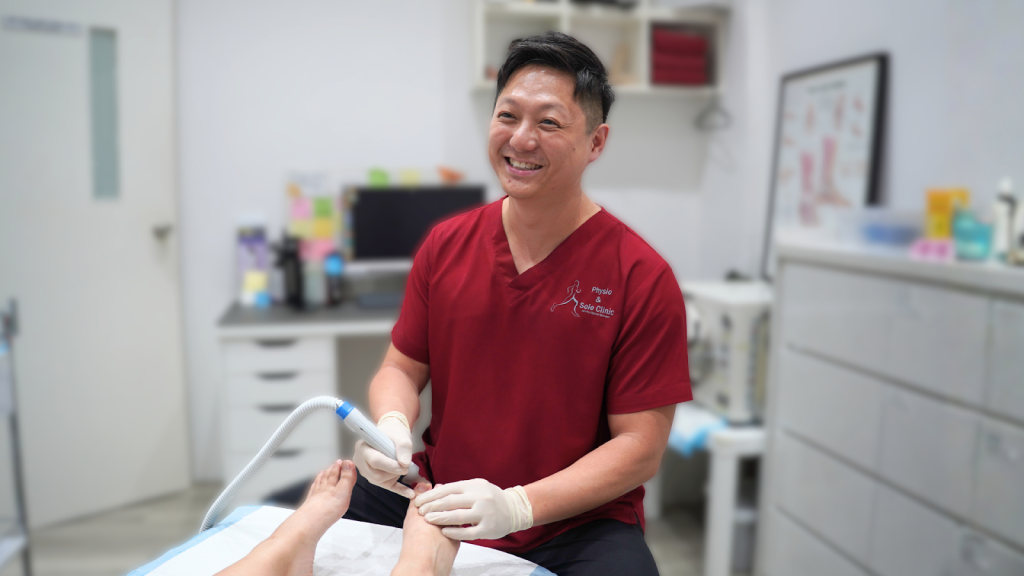
Podiatry is a branch of healthcare that focuses on the feet, ankles, and lower limbs. In practical terms, podiatry refers to the assessment and treatment of foot pain, skin and nail conditions, walking-related problems, and lower-limb issues that affect mobility, comfort, and daily function.
A podiatry clinic in Singapore may see patients with mechanical problems, such as plantar fasciitis or flat feet, as well as medical foot concerns, such as diabetic foot risk or recurring nail problems. The goal is not just symptom relief. Good podiatry care identifies the cause, reduces strain, and helps prevent recurrence.
Why does podiatry matter in Singapore?

Singapore is a walking-heavy city. Many adults commute on foot, stand for long hours at work, and stay active through running, gym training, or social sports. That makes foot pain easy to ignore but hard to outwalk.
It also matters from a healthcare system perspective. In Singapore, regulated allied health practice sits within the AHPC framework under the Allied Health Professions Act, which supports professional standards and public safety. Foot screening for patients with diabetes is also widely embedded in primary care, including all polyclinics and Healthier SG GPs through Primary Care Networks, showing that foot health is treated as preventive care, not just reactive care.
For patients, that means three things matter locally:
- Early review matters. Small issues such as corns, heel pain, or pressure points can worsen if left alone.
- Mobility affects quality of life. Foot pain changes how you walk, exercise, and tolerate standing.
- Risk stratification matters. For seniors and people with diabetes, delayed foot care can increase the risk of wounds, infection, and loss of independence.
Who needs podiatry in Singapore?
Adults with foot pain

This includes working adults who stand all day, commute extensively, or have persistent discomfort when walking.
Common reasons they see a podiatrist in Singapore include:
- Heel pain
- Arch pain
- Ball-of-foot pain
- Recurring corns or calluses
- Ingrown toenails
- Pain linked to flat feet or footwear
Athletes and active individuals

Runners, gym-goers, tennis players, footballers, and Hyrox or marathon trainees often repeatedly load their feet.
Common reasons they visit a podiatrist in Singapore include:
- Plantar fasciitis
- Achilles overload linked to foot mechanics
- Running-related forefoot pain
- Recurrent blisters or nail trauma
- Biomechanical inefficiency
- Return-to-sport planning
Seniors
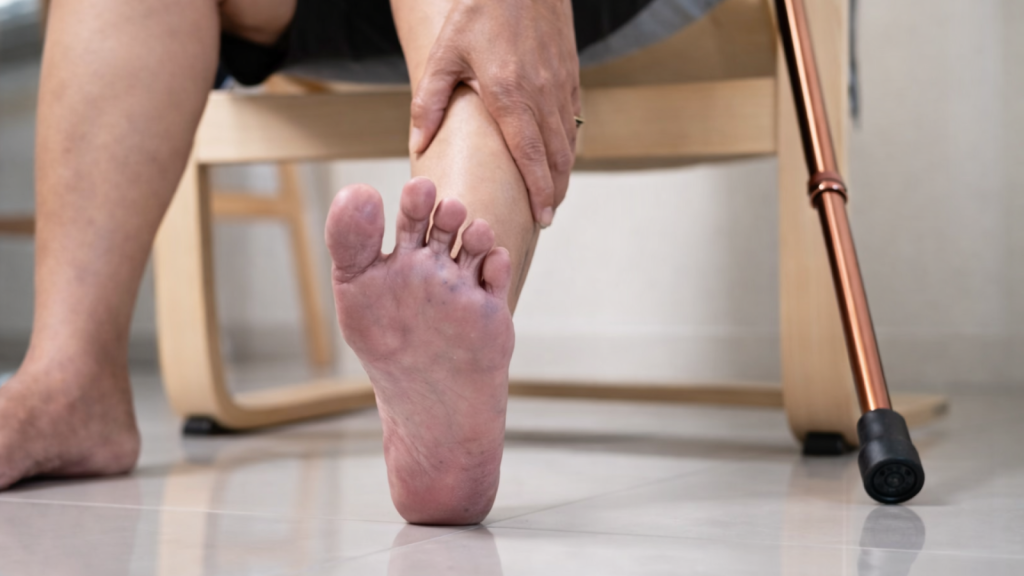
Older adults often develop a combination of nail, skin, joint, and balance-related foot issues.
Common reasons seniors seek a foot specialist in Singapore or a podiatrist in Singapore include:
- Thickened nails
- Painful corns and calluses
- Foot deformities
- Reduced balance confidence
- Difficulty walking comfortably
- Diabetes-related foot monitoring
What does a Podiatrist in Singapore typically do?
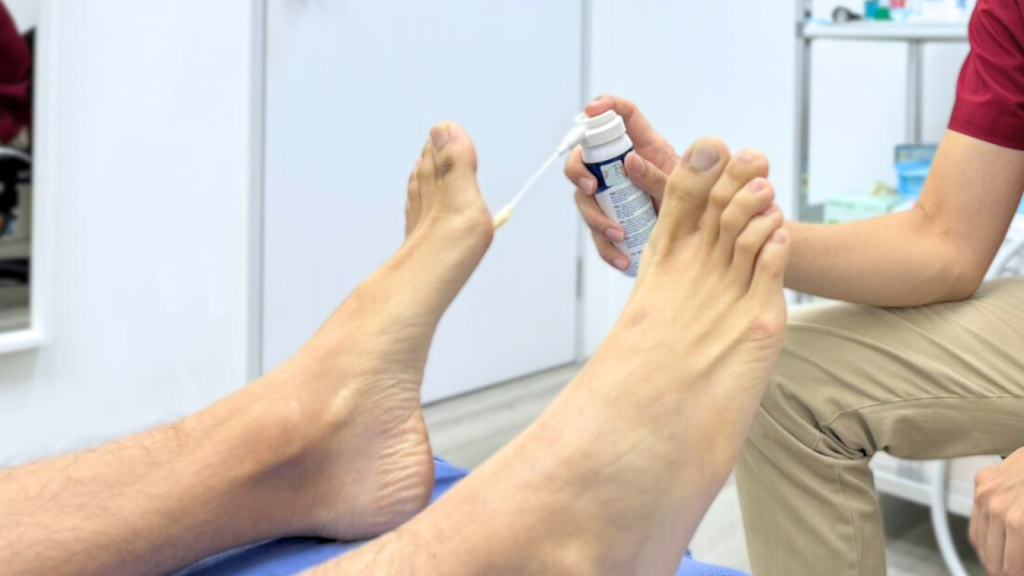
A podiatrist in Singapore usually starts with a thorough assessment, before tailoring a treatment plan around the cause of the problem.
Typical podiatry services include:
- Foot and ankle assessment
- Skin and nail treatment
- Corn and callus care
- Ingrown toenail management
- Plantar wart care
- Gait and posture analysis
- Pressure and load assessment
- Footwear review
- Orthotic assessment or customised insoles
- Diabetic foot screening and risk education
- Return-to-activity planning
As an integrated clinic, our podiatrists may also work alongside physiotherapists when the issue involves both foot mechanics and broader lower-limb function, such as knee pain, running injuries, or post-surgical rehab.
What conditions can a Podiatrist in Singapore treat?
Skin and nail problems

These are some of the most common reasons people search for a podiatry clinic in Singapore:
- Ingrown toenails
- Thickened nails
- Fungal nail changes
- Corns
- Calluses
- Plantar warts
- Cracked heels
Foot pain and mechanical problems

These often relate to overloading, footwear, walking pattern, or sport.
Examples include:
- Plantar fasciitis
- Flat feet
- High arches
- Forefoot overload
- Sports or Running-related foot pain
- Recurrent ankle instability related to foot control
High-risk patients and preventive foot care
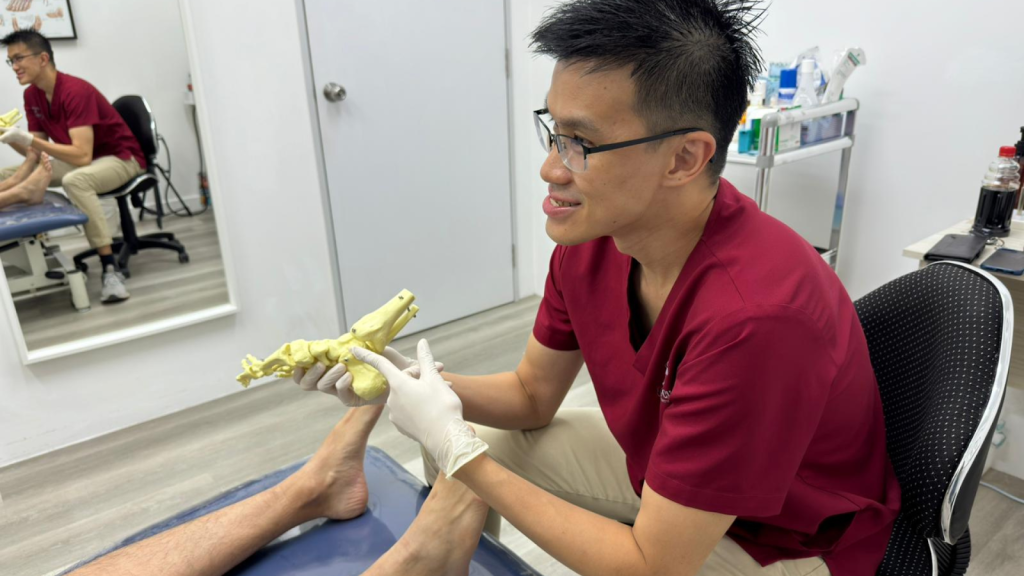
This is especially relevant for seniors and patients with diabetes.
Common issues include:
- Pressure areas that may lead to wounds
- Reduced sensation
- Foot screening needs
- Callus management to reduce pressure concentration
- Footwear advice to reduce friction and breakdown risk
What typically happens at a Podiatry appointment?
A clear process improves both outcomes and accountability. Most appointments follow a structured flow.
Step 1: History taking
The podiatrist will ask:
- Where is the site of pain or symptoms?
- How long has it been present?
- What worsens or relieves it?
- Does it affect walking, exercise, or standing?
- What footwear do you usually wear?
- Do you have relevant medical conditions such as diabetes?
Step 2: Clinical assessment
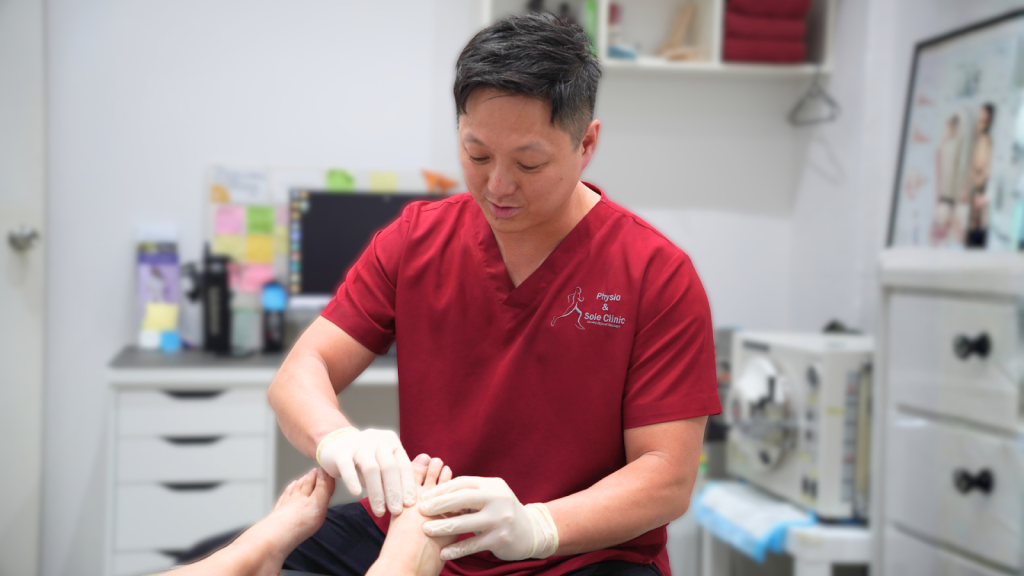
This may include a combination of:
- Looking at the skin and nails
- Checking foot posture
- Assessing joint movement
- Identifying pressure points
- Observing walking or running mechanics
- Reviewing shoe wear patterns
Step 3: Diagnosis and explanation
You should leave with a working explanation of:
- What your condition is
- What is causing it
- Whether it is likely to be short-term or recurring
- What treatment options are appropriate
Step 4: Treatment
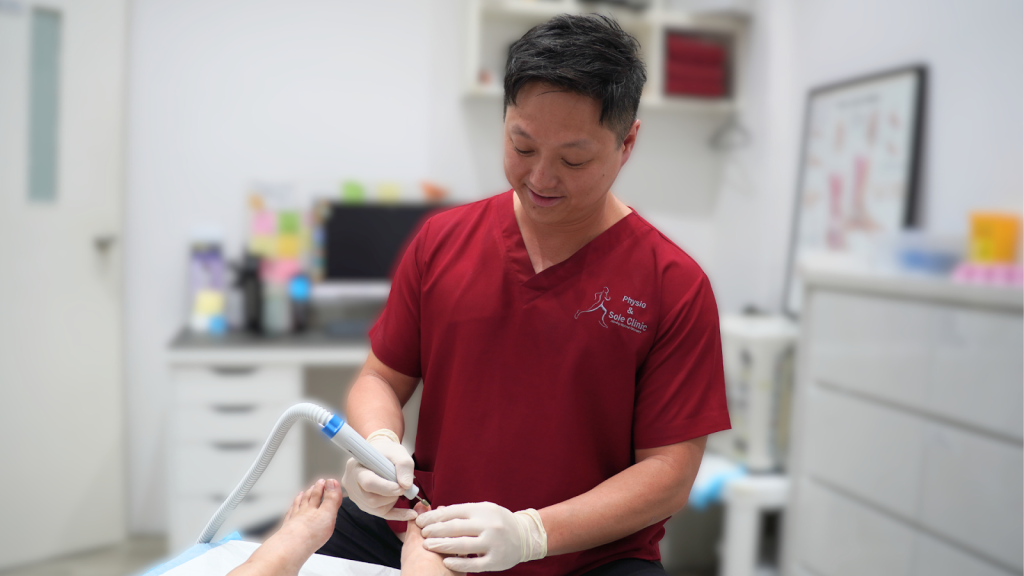
Treatment will be done on the first visit, which may include:
- Corn or callus debridement
- Nail care or ingrown nail treatment
- Offloading advice
- Footwear modification advice
- Padding or strapping
- Exercise or loading advice
- Orthotic planning if indicated
Step 5: Follow-up plan
Quality podiatry care includes a next-step timeline.
Example flow:
- Single-visit issue: simple corn, callus, or mild nail problem
- 2 to 4 weeks: reassessment for heel pain, overload, or footwear change
- Longer-term review: recurring biomechanical issues or diabetic foot monitoring
Step-by-step: How to choose the right Podiatry clinic in Singapore?
1. Match the clinic to your problem
Look for a clinic that clearly manages your main issue:
- Foot pain
- Nail and skin concerns
- Sports-related foot injuries
- Senior foot care
- Diabetic foot monitoring
2. Ask about the assessment process
A good podiatry clinic in Singapore should explain:
- How they assess the issue
- Whether they review gait or footwear
- Whether the treatment will be symptom-only or cause-focused
3. Ask what treatment usually includes
This helps you understand whether the plan is:
- One-off symptom relief
- Ongoing maintenance
- Biomechanical correction
- Return-to-sport progression
4. Ask for the estimated costs
A good clinic should be forthcoming and transparent with their charges. There should not be any hidden additional charges. Avoid clinics that push for packages, or have time-varied charges.
5. Consider integrated care if needed
If your foot issue also affects your ankle, knee, hip, or training load, a clinic with both podiatrists and physiotherapists can be useful.
What are the risks of poor planning or delayed foot care?
Poor planning does not always look dramatic at first. It often starts as “I’ll monitor it” and turns into months of altered walking.
Practical consequences may include:
- Pain is becoming more persistent
- Reduced exercise tolerance
- Compensation in the ankle, knee, or hip
- Worsening pressure build-up
- Recurring nail or skin problems
- Reduced mobility confidence in seniors
- Higher complication risk in patients with diabetes
For active adults, delayed care can turn a training interruption into a prolonged impairment. For seniors, it can mean walking less, which affects strength and independence. For patients with diabetes, prevention matters even more because risk escalates when pressure, sensation loss, and skin breakdown overlap.
Why Physio & Sole Clinic’s model is relevant for Podiatry in Singapore
Physio & Sole Clinic is an ethical Singapore-based practice providing physiotherapy and podiatry services across 11 locations. That matters because many foot problems are not isolated to the foot alone.
A patient may come in for heel pain, but the full picture may involve:
- Foot loading pattern
- Ankle mobility
- Calf stiffness
- Running mechanics
- Knee control
- Training volume
- Footwear habits
An integrated model allows podiatrists and physiotherapists to address both the local foot problem and the wider movement issue when needed. For adults with foot pain, athletes, and seniors, this can make care more practical and more specific.
Why Physio & Sole Clinic’s model is relevant for Podiatry in Singapore
Podiatry Singapore is the clinical care of foot, ankle, and lower-limb problems, including foot pain, skin and nail conditions, gait issues, and preventive foot health. It matters in Singapore because mobility is central to work, sport, and ageing well, and because regulated professional standards and preventive foot screening are part of the wider healthcare system.
For most patients, the right next step is simple: do not wait until the problem is severe, recurring, or affecting how you walk. A clear assessment, accurate diagnosis, and targeted treatment plan can help you recover faster and move with less pain.
Are You Noticing Early Signs of Foot Problems?
If you are looking for podiatry in Singapore for foot pain, sports-related strain, nail or skin concerns, or senior foot care, book an assessment with a qualified podiatrist who can identify the cause and outline the most appropriate treatment plan. At Physio & Sole Clinic, patients can also access integrated physiotherapy support when the issue involves wider lower-limb mechanics or rehabilitation.
Frequently Asked Questions About Podiatry in Singapore
1. What is podiatry?
Podiatry refers to clinical foot and lower-limb care in Singapore for pain, gait problems, nail conditions, skin issues, and preventive foot health.
2. What does a podiatrist in Singapore treat?
A podiatrist may treat heel pain, corns, calluses, ingrown toenails, plantar warts, walking-related pain, diabetic foot concerns, and sports-related foot problems.
3. Do I need a referral to see a podiatrist in Singapore?
In many private clinics, patients can book directly without a referral.
4. Is podiatry only for people with severe foot problems or diabetes?
No. Many patients benefit from podiatry care early, before symptoms worsen or begin affecting walking, exercise, or daily activities. Diabetes-related foot monitoring is only one part of podiatry care.
5. Is a podiatrist the same as a foot specialist in Singapore?
Not always. “Foot specialist Singapore” is a broad search term that may refer to different clinicians. A podiatrist is a healthcare professional specifically trained in foot, ankle, and lower-limb care.
6. Can athletes or active individuals benefit from podiatry?
Yes. Athletes and active adults often seek podiatry for conditions such as plantar fasciitis, running-related foot pain, gait assessment, footwear advice, and return-to-sport planning.
7. Is podiatry relevant for seniors?
Yes. Seniors often benefit from podiatry care that improves comfort, walking confidence, nail management, pressure relief, and mobility.
8. Are orthotics always necessary?
No. Orthotics are just one possible treatment option. Some patients improve with footwear changes, load management, exercises, or targeted foot care.
9. When should I see a podiatrist?
You should consider seeing a podiatrist if foot pain persists, walking becomes uncomfortable, nail or skin problems keep returning, or your activity level is being limited.