Skip to content


Written by Kerra Kong, Principal Podiatrist at Physio & Sole Clinic
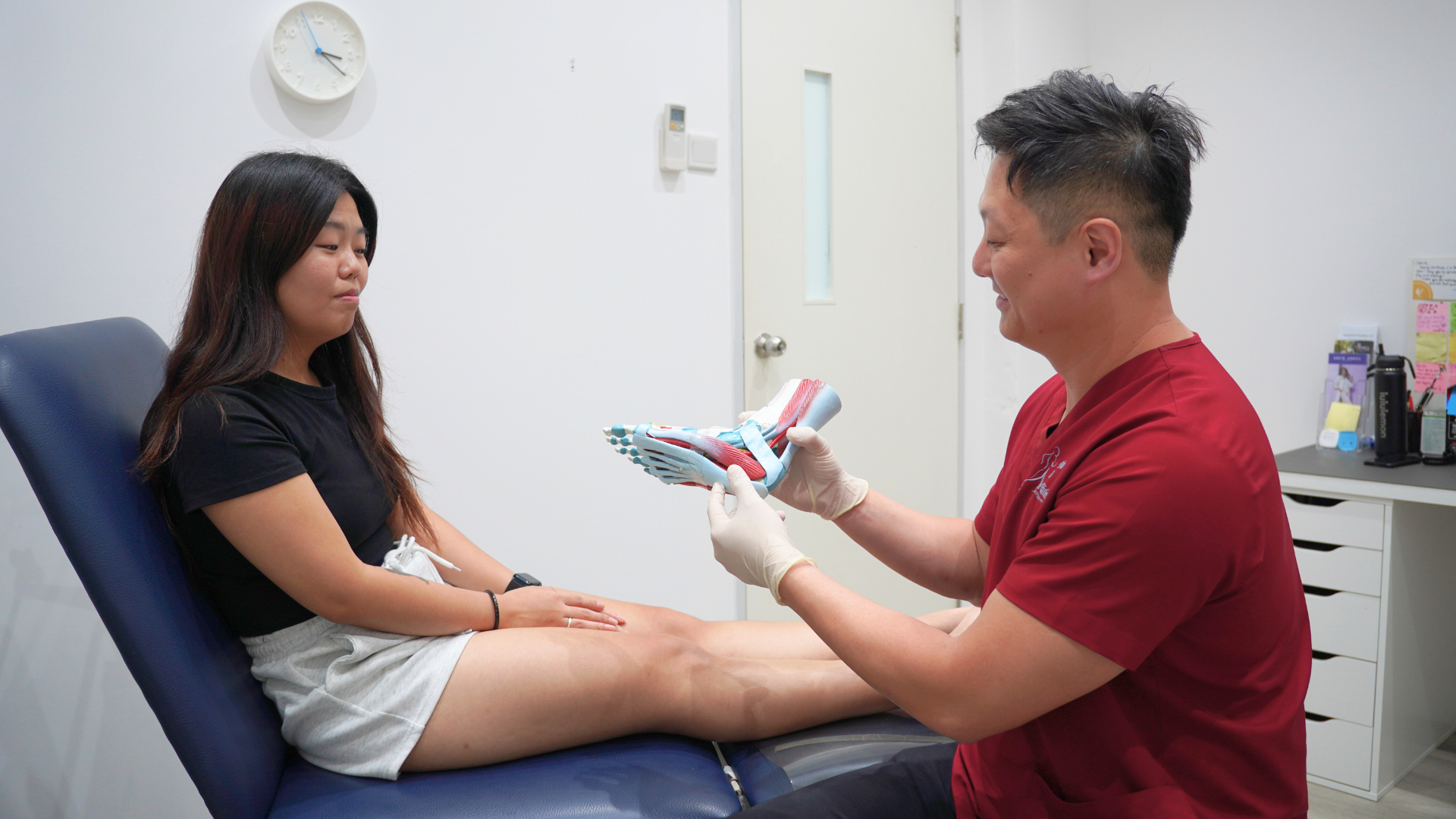
As a podiatrist working closely with older adults in Singapore, I frequently see seniors who come in worried about changes in their toenails, such as thickening, discolouration, crumbling, or discomfort when wearing shoes. Very often, they tell me they have been living with the problem for months or even years, assuming it is simply “part of ageing”.
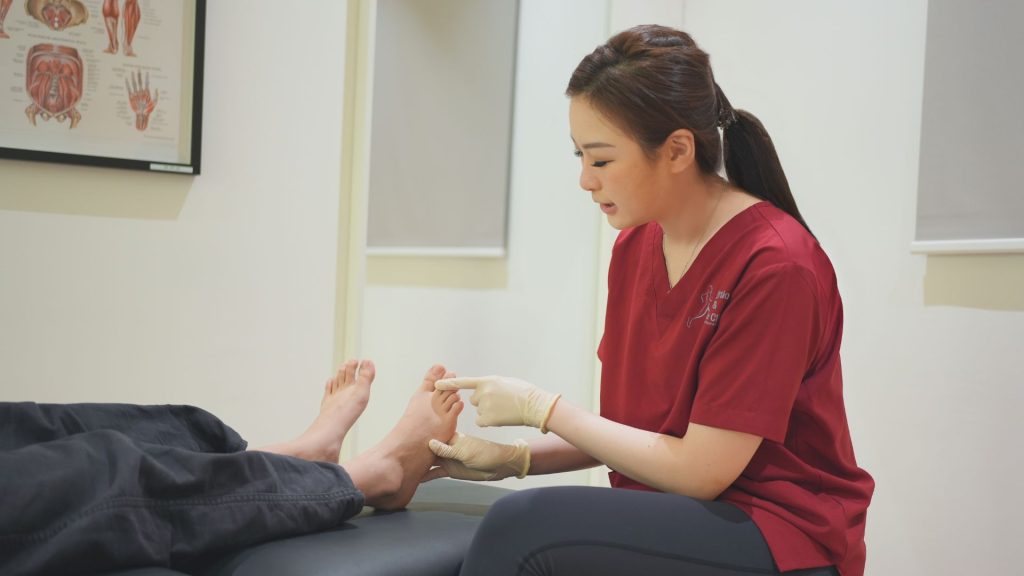
In this article, we will guide you through what foot nail infection is, why seniors are more prone to it, how to recognise early warning signs, and when professional treatment is needed to protect comfort, mobility, and overall health.
The Problem: Foot Nail Infections Are Common in Seniors, and Often Overlooked
What is a foot nail infection?
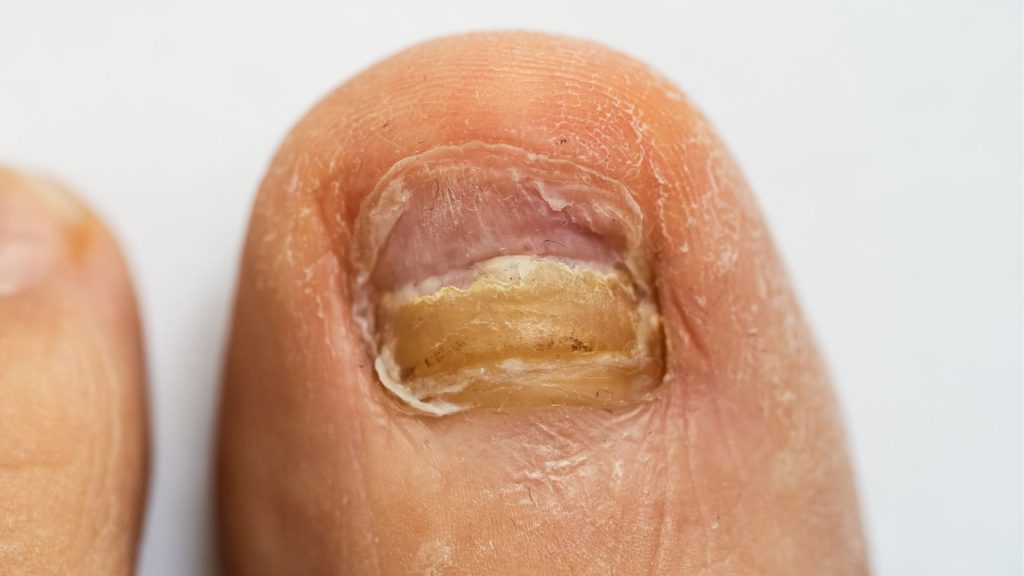
A foot nail infection occurs when microorganisms infect the toenail or nail bed. The most common type is a fungal nail infection, though bacterial infections can also occur. These infections affect how the nail looks, feels, and grows, and they rarely resolve on their own in older adults.
In Singapore’s warm and humid climate, fungi thrive easily, making foot nail infections particularly common, especially among seniors.
Are foot nail infections fungal or bacterial?

Most of the cases I see are fungal nail infections, caused by fungi that penetrate the nail through small cracks or injury. Bacterial foot nail infections are less common but tend to develop more quickly and are often associated with redness, swelling, or discharge around the nail.
Because treatment differs depending on the cause, accurate assessment is important before starting any treatment.
Why Do Foot Nail Infections Affect the Elderly More?

Ageing affects foot health in several important ways:
- Slower nail growth, which allows infection to persist
- Reduced immune response, making it harder to fight infection
- Poor circulation, especially in the lower limbs
- Difficulty with nail care, due to limited flexibility, vision issues, or reduced hand strength
In Singapore, many elderly patients also have diabetes, heart disease, or nerve conditions, which further increase the risk of foot nail infections and slow healing.
What are the causes of fungal nail infection?

Fungal nail infections commonly develop due to:
- Walking barefoot in shared wet areas such as swimming pools or bathrooms
- Wearing tight, non-breathable footwear
- Prolonged moisture from sweat
- Nail trauma or pressure from shoes
- Poor foot hygiene
- Chronic medical conditions affecting circulation or immunity
Even something as simple as repeated pressure on the nail from footwear can allow fungi to enter and spread.
Recognising the Signs Early
What are the symptoms of a fungal nail infection in seniors?

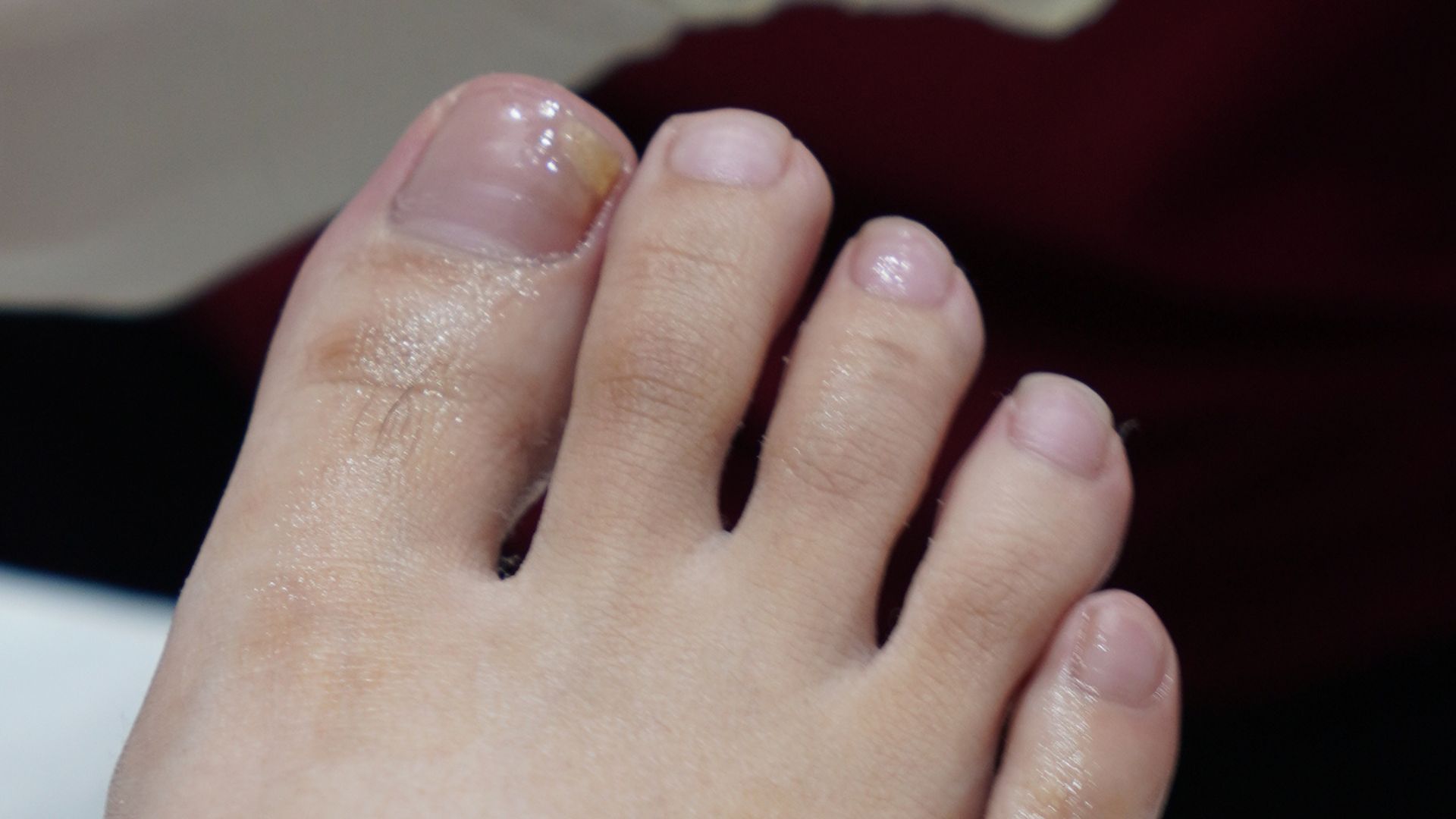
In seniors, an infected toenail may:
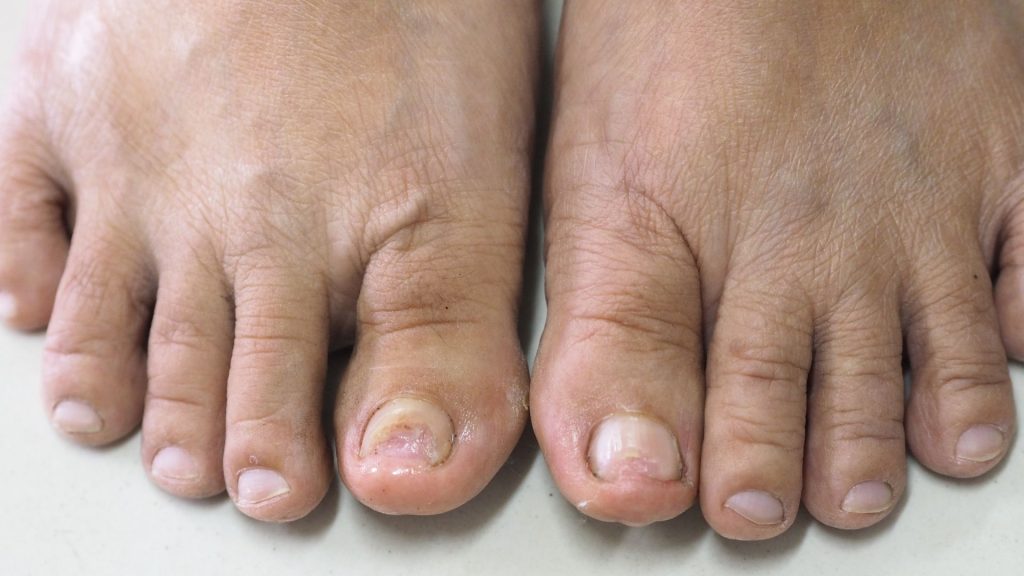
- Turn yellow, white, or brown
- Become thickened or misshapen
- Look brittle, crumbly, or rough
- Lift away from the nail bed
- Appear dull or opaque
These changes usually develop slowly, which is why they are often ignored.
Why Ignoring Nail Infections Can Be Risky
Is a nail infection serious for older adults?

Yes. While nail infections may seem minor, they can become serious in older adults. Thickened or distorted nails can press into surrounding skin, causing pain, wounds, or secondary infections. Over time, this may affect walking and balance as well.
Can elderly foot nail infections heal on their own?
In most cases, no. Because nail growth is slower and immunity is reduced with age, toe nail infections in seniors rarely resolve without treatment. In fact, they often worsen gradually if left untreated.
What happens if a toe nail infection is left untreated in seniors?
Untreated foot nail infections can lead to:
- Permanent nail damage
- Chronic pain or pressure sores
- Skin breakdown and bacterial infection
- Difficulty walking or wearing shoes comfortably
For seniors with diabetes, even a small nail infection can increase the risk of severe foot complications such as gangrene or amputations.
The Solution: Effective Treatment and Ongoing Care
How do you treat an infected toenail?

Treatment depends on the type and severity of the infection, as well as the patient’s overall health. Common approaches include:
- Professional nail debridement, where the thickened, infected nail is safely reduced
- Photodynamic light therapy to effectively eradicate fungal spores
- Topical antifungal treatments for mild to moderate infections
- Oral antifungal medication, prescribed carefully when appropriate
- Managing surrounding skin infections
- Advice on footwear and daily foot care
Professional treatment helps reduce discomfort, improve treatment effectiveness, and lower the risk of complications.
What is the best treatment for a nail infection in the elderly?
There is no single “best” treatment for everyone. The most effective approach is one that is:
- Tailored to the individual
- Safe alongside existing medical conditions
- Monitored regularly
For many seniors, ongoing podiatric care plays an important role in managing infection, keeping nails comfortable, and preventing recurrence.
How long does a toenail infection take to heal in older adults?
Toenails grow slowly, especially in seniors. Even with treatment, improvement is gradual. It may take 6 to 12 months for a healthy nail to grow out fully. Consistency and follow-up care are key.
Prevention: Protecting Nail Health in the Long Term
How to prevent nail infection?

Preventive care is especially important for older adults. I often advise:
- Keeping feet clean and thoroughly dry
- Wearing well-fitting, breathable footwear
- Changing socks daily
- Avoiding barefoot walking in shared wet areas
- Having nails trimmed regularly, preferably by a podiatrist if mobility is limited
- Performing routine foot checks, particularly for those with diabetes
Early detection allows treatment to start before complications develop.
When to See a Podiatrist
When should an elderly person see a podiatrist for a nail infection?

Professional care should be sought if:
- The nail becomes painful, swollen, or infected
- The nail thickens significantly or changes colour
- There is discharge, bleeding, or surrounding skin redness
- Walking becomes uncomfortable
- The person has diabetes or circulation issues
Early assessment leads to safer, effective treatment.
A Final Word from a Clinician
Toe nail infections are common, but they are not something seniors should simply “live with”. With the right care, most infections can be managed effectively, improving comfort, mobility, and quality of life.
If you notice changes in your nails or in the nails of someone you care for, addressing the issue early can prevent long-term problems.
Book an Assessment Today
If you or your loved ones are experiencing nail changes, discomfort, or persistent infection, a professional assessment can help determine the right treatment and prevent complications.
Book an appointment with a podiatrist today and take a proactive step towards healthier, comfortable feet at every stage of life.