 Skip to content


Written by Chee Wai Siong Wesley, Director & Chief Sports Physiotherapist at Physio & Sole Clinic
One of the most common things patients tell me is this:
“I’ve tried massage, dry needling, even shockwave. They all helped for a while, but the pain keeps returning.”
And honestly, that makes sense.
Dry needling, massage, and shockwave therapy can all reduce pain, all target tight or sensitive tissues, and all feel quite intense in their own way. From a patient’s point of view, they can seem interchangeable.
But clinically, they are very different tools, designed for different problems, and meant to be used in different ways. Understanding why they feel similar, but work differently, is often the missing piece in choosing the right treatment (and getting lasting results).
Why this matters more than you think

When the wrong treatment is matched to the wrong problem:
- Pain relief is short-lived
- You end up “chasing treatments”
- Frustration builds (“Nothing works for me”)
As a physiotherapist, I don’t ask “Which treatment do you want?”
I ask, “What is driving your pain, and what tool fits that best?”
Let’s break this down clearly.
What is dry needling, and what does it actually do?

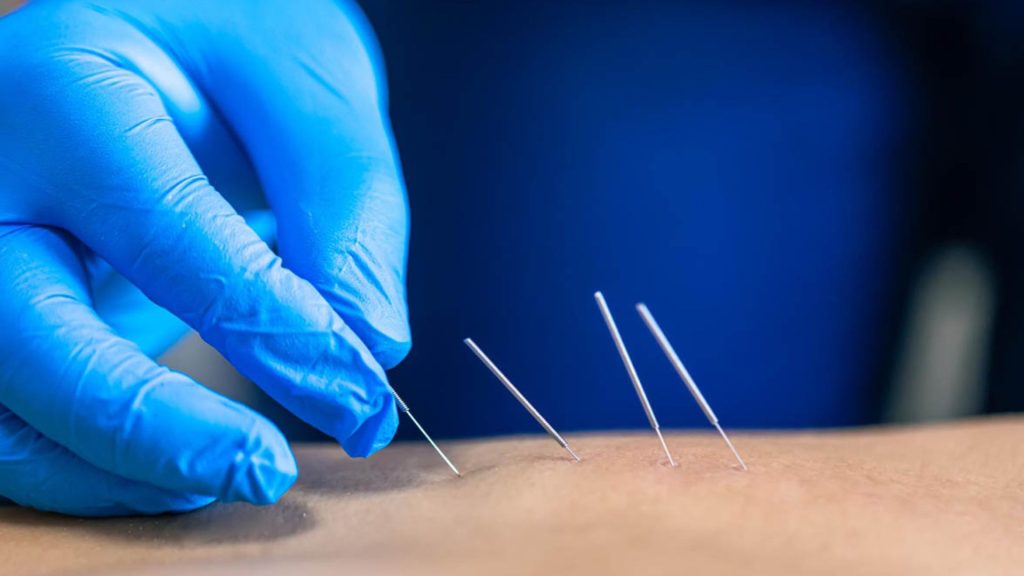
Dry needling involves inserting a very fine needle into specific muscle trigger points or areas of increased sensitivity.
Despite common myths:
- It is not acupuncture
- It is based on modern anatomy, pain science, and neuromuscular principles
- It is performed by trained physiotherapists in Singapore
What does dry needling targets
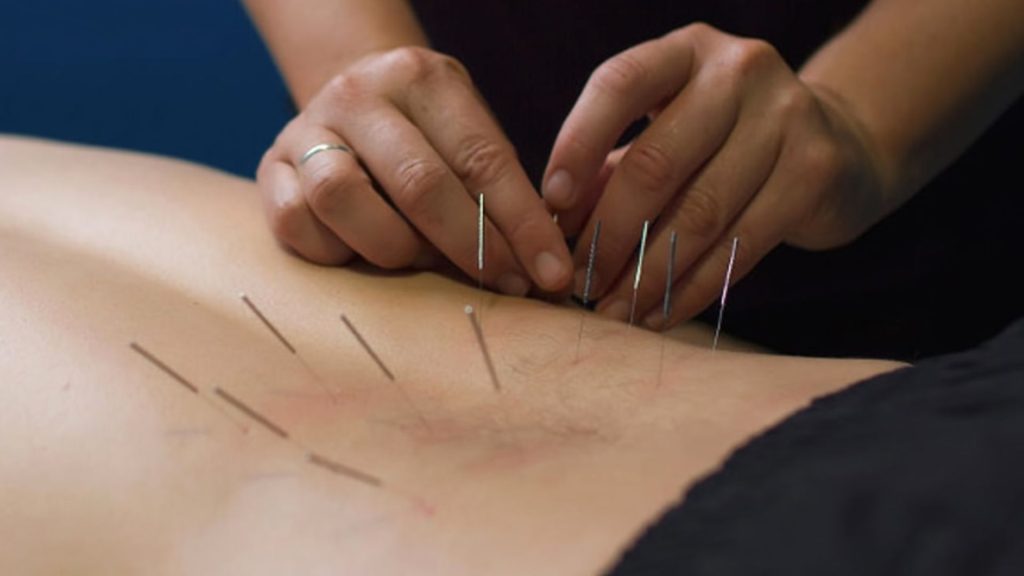
Dry needling works best when pain is driven by:
- Overactive or tight muscles
- Trigger points referring pain elsewhere
- Protective muscle guarding after injury
- Reduced muscle coordination due to pain
What it does (clinically)
In my experience, dry needling helps by:
- Reducing excessive muscle tone
- Modulating pain signals to the nervous system
- Improving how a muscle activates afterward
This is why people often say:
“It feels sore… but lighter after.”
That’s a nervous system response, not the muscle being “released” in a mechanical sense.
Is dry needling better than massage for muscle pain?
Sometimes, but not always.
This is where nuance matters.

Massage therapy works best when:
- Tension is global or stress-related
- You need relaxation and circulation
- Pain is more diffuse and widespread
Dry needling works better when:
- Pain is localised and specific
- Trigger points reproduce your symptoms
- Muscles are guarding despite stretching and exercise
In simple terms:
| Massage | Dry Needling |
| Superficial + broad | Deep + targeted |
| Manual pressure | Neuromuscular stimulus |
| Relaxation-focused | Reset + retraining-focused |
| Short-term relief | Better carryover effects when paired with rehab |
As a clinician, I often use both, but not at the same time and not for the same reason.
What does shockwave therapy treat compared to dry needling?
This is one of the biggest areas of confusion.
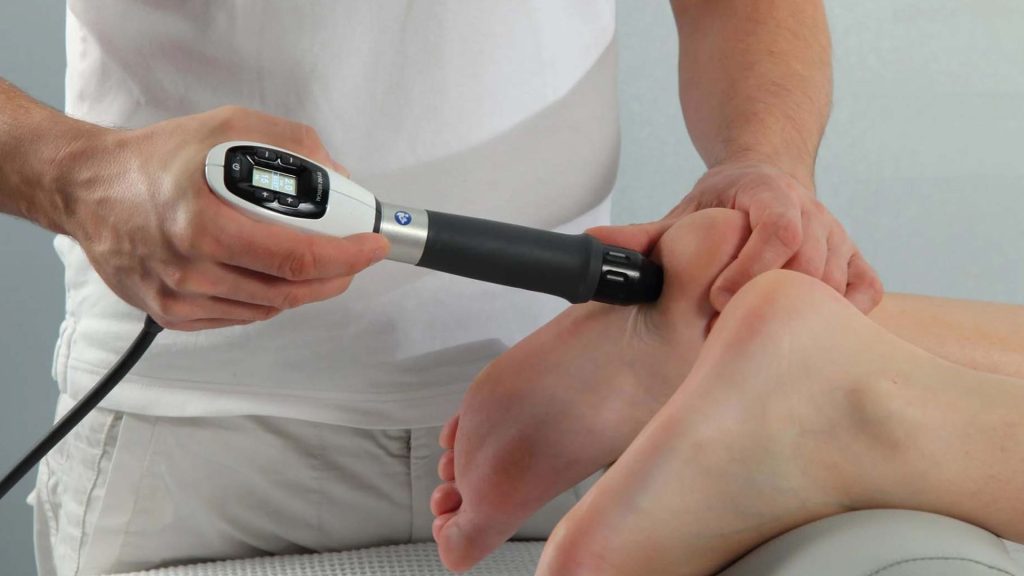
Shockwave therapy is not a muscle treatment.
It is designed for tendon and connective tissue problems, especially when pain has been present for months.
Shockwave is commonly used for:
- Plantar fasciitis
- Achilles tendinopathy
- Tennis or golfer’s elbow
- Proximal hamstring pain
How it works
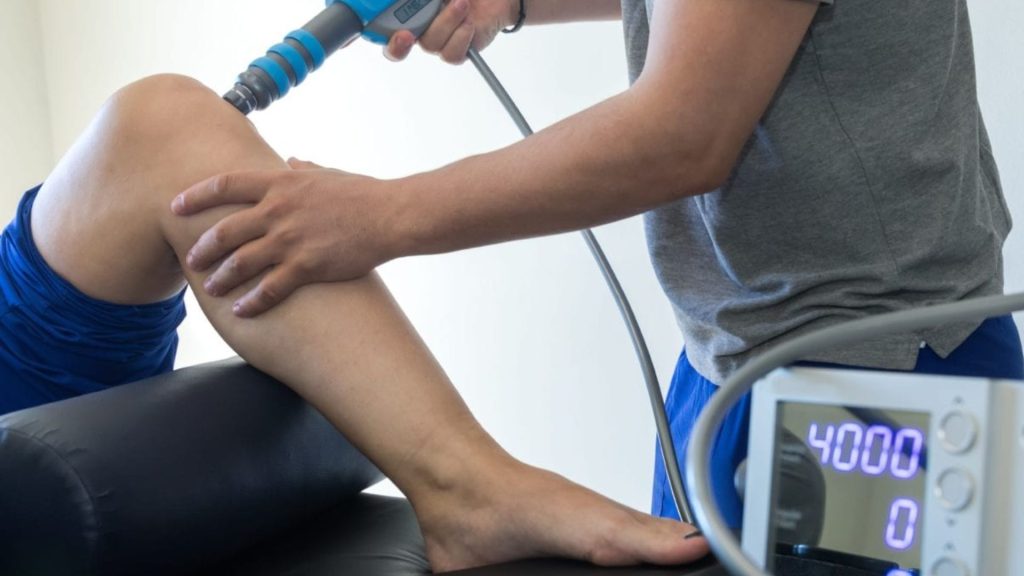
Shockwave delivers controlled acoustic waves that:
- Stimulate tissue healing
- Improve blood flow
- Encourage tendon remodelling
This is very different from dry needling, which focuses on muscle and nervous system behaviour.
If the main driver of pain is a degenerative or overloaded tendon, dry needling alone will not fix it.
Which treatment works best for chronic pain?
This depends entirely on what “chronic” means in your case.
From a clinical perspective, chronic pain can be driven by:
- Persistent muscle guarding
- Tendon overload
- Poor load management
- Altered movement patterns
- Nervous system sensitivity
No single modality fixes all of these.
In practice:
- Dry needling helps calm the system and restore movements
- Shockwave supports tissue healing where tendons are involved
- Massage supports recovery and reduces overall tension
What actually creates long-term improvement is:
- Correct diagnosis
- Load-appropriate exercises
- Gradual return to activity
Treatments support this process, they don’t replace it.
Does dry needling or shockwave therapy hurt more?
This is a very common question.
Dry needling
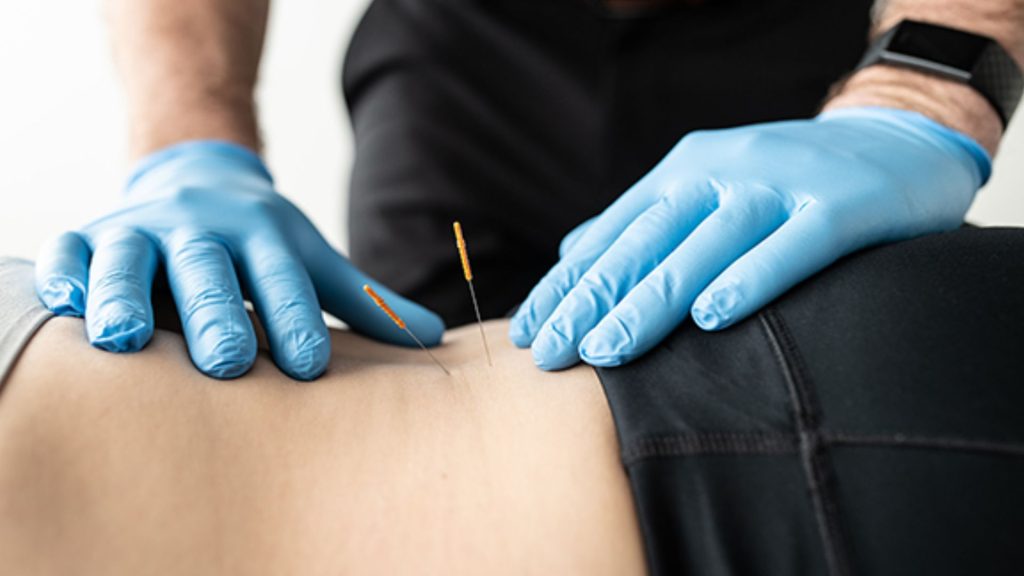
- Sensation: sharp, deep ache, twitch, or pressure
- Duration: seconds
- After-effects: soreness for 24–48 hours is normal
Shockwave therapy
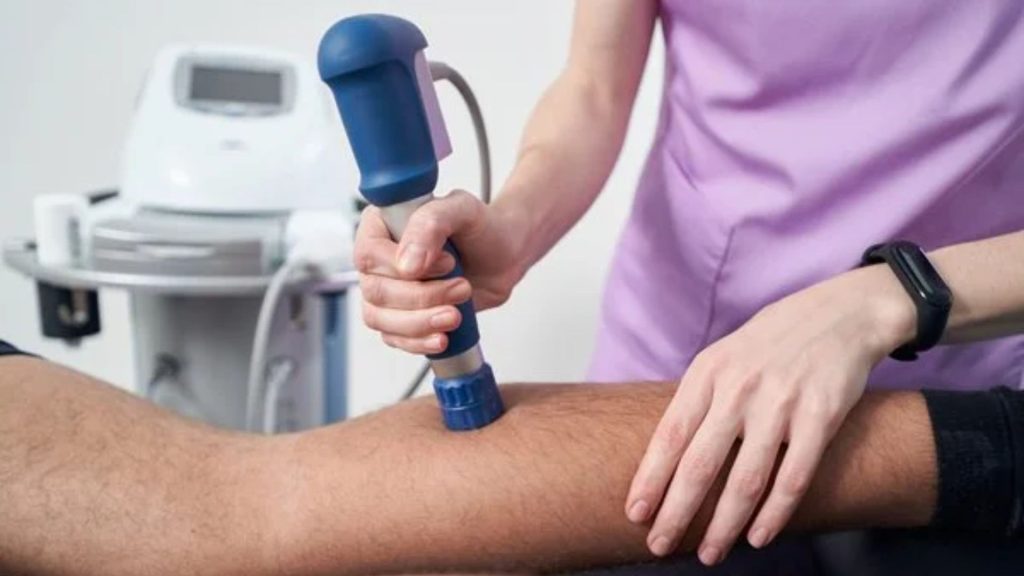
- Sensation: strong tapping or pulsing discomfort
- Duration: a few minutes
- After-effects: tenderness, sometimes temporary flare-up
Neither should be unbearable. If pain is excessive, treatment intensity should be adjusted. Pain is not a measure of effectiveness.
Can dry needling, massage, and shockwave be used together?
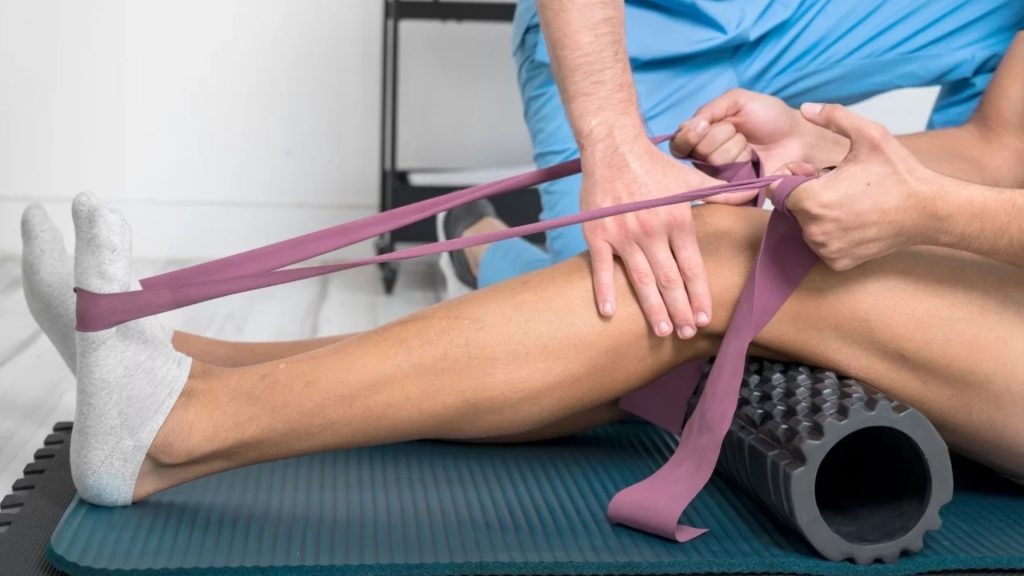
Yes, and often, they should be. But the sequence matters.
A common example I see:
- Dry needling to reduce muscle guarding
- Shockwave to address tendon pathology
- Rehabilitation exercises to restore strength and control
Using all three without assessment is guesswork. Using them strategically is clinical reasoning.
How do I know which pain treatment I actually need?
This is the most important question, and the hardest to answer without professional input.
You may benefit from dry needling if:

- Pain is muscle-dominant
- Symptoms change with movement or posture
- Stretching helps briefly but doesn’t last
You may need Shockwave therapy if:

- Pain is localised to a tendon or heel
- Morning stiffness is prominent
- Symptoms worsen with load and settle slowly
You may need neither, and instead need:
- Load management
- Strength progression
- Movement retraining
This is why assessment matters more than modality choice.
A clinician’s perspective
As a physiotherapist, I don’t believe in “best treatments”.
I believe in best matches.
Dry needling is a powerful tool, but only when used for the right reasons, at the right time, and combined with proper rehabilitation.
If you’ve tried treatments before and felt temporary relief but no lasting change, it’s often not because the treatment failed, but because the plan was incomplete.
When to seek professional care
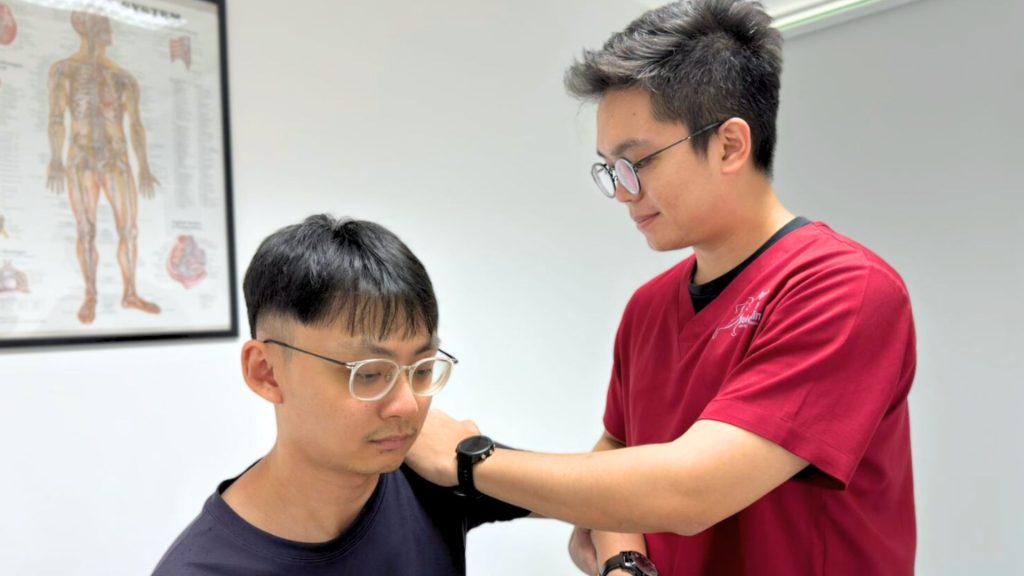
Consider a professional assessment if:
- Pain has lasted more than 6–8 weeks
- Symptoms keep returning
- Pain affects work, sports, or sleep
- You’re unsure what’s driving your symptoms
Early clarity saves time, money, and frustration.
Final thoughts, and a gentle next step
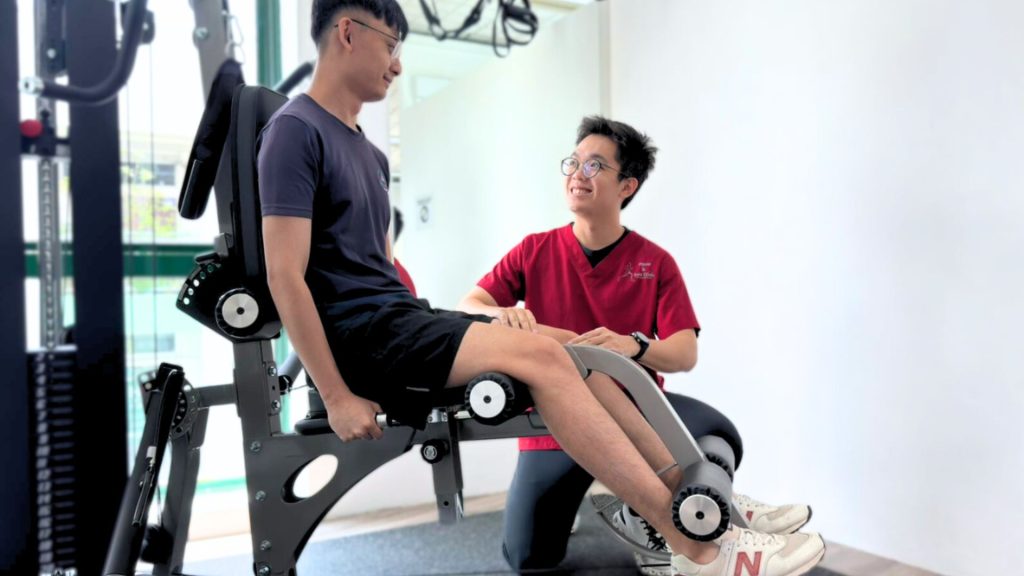
If you’re unsure whether dry needling, massage, or shockwave therapy is right for you, you don’t need to guess.
At Physio & Sole Clinic, we focus on understanding the cause first, then choosing the right tools to support recovery, not the other way around.
A proper assessment can help you:
- Understand why your pain started
- Decide which treatment fits your condition
- Build a plan that actually lasts
If you’d like guidance, we’re here to help, no pressure, just clarity.


