Skip to content


Written by Farha Nisha, Senior Partner & Principal Musculoskeletal Physiotherapist at Women & Children Centre and Physio and sole Clinic
One of the most common concerns parents share during their child’s developmental assessment is:
“My child’s legs look curved outward… is this normal?”
“Should I be worried about bow legs?”
Bow legs, also known as genu varum, are very noticeable, especially when toddlers first start walking. This makes parents anxious, even though bowing is often a normal part of early childhood development.
However, there are cases where bow legs signal an underlying issue that needs early support.
In this guide, I’ll explain what bow legs are, why they happen, when to worry, and the treatment options available in Singapore.
Bow Legs Look Concerning (Even When They’re Normal)
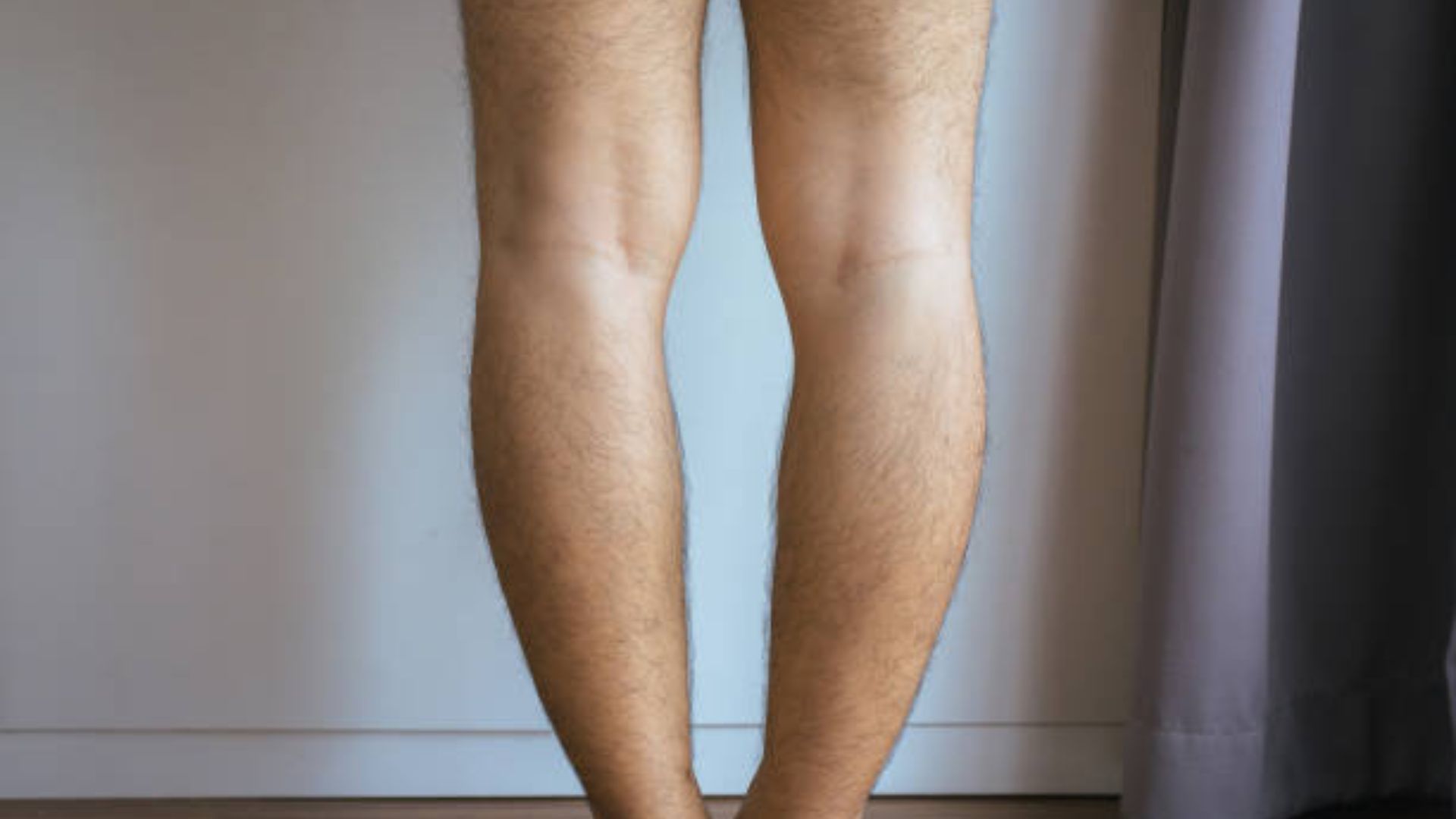
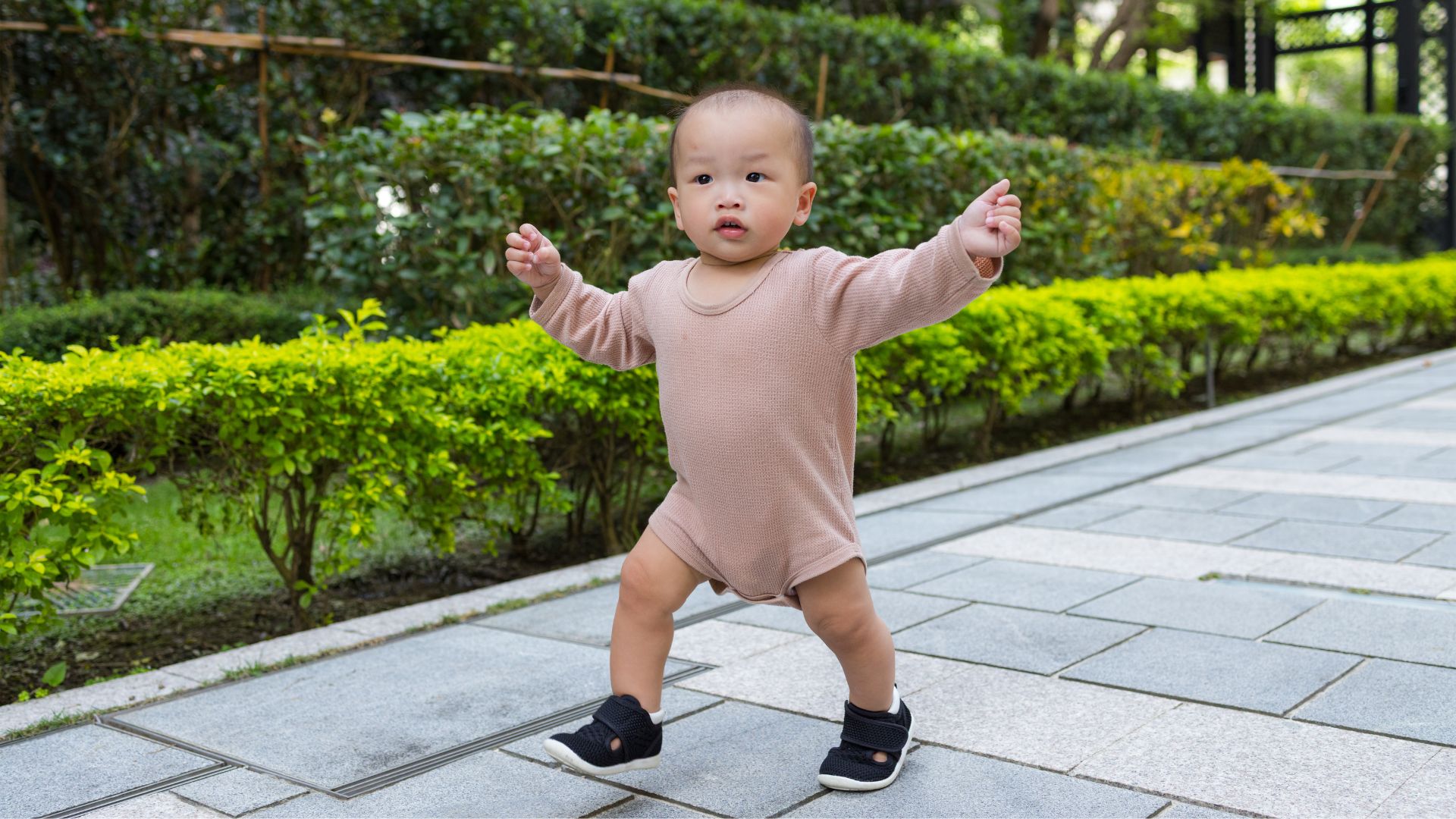
Bow legs occur when the knees stay apart even when the ankles are touching. Children with bow legs may also walk with:
- A wider stance
- Outward-curving shins
- Slight “waddling”
- Inward-pointing toes
Parents often wonder:
- “Is something wrong with my child’s bones?”
- “Will my child walk normally?”
- “Is this because of nutrition or genetics?”
- “Will bow legs get worse as they grow?”
Bow legs can be: Part of normal growth, OR A sign of a medical or structural condition. Distinguishing between the two is key.
When Bow Legs Are NOT Normal
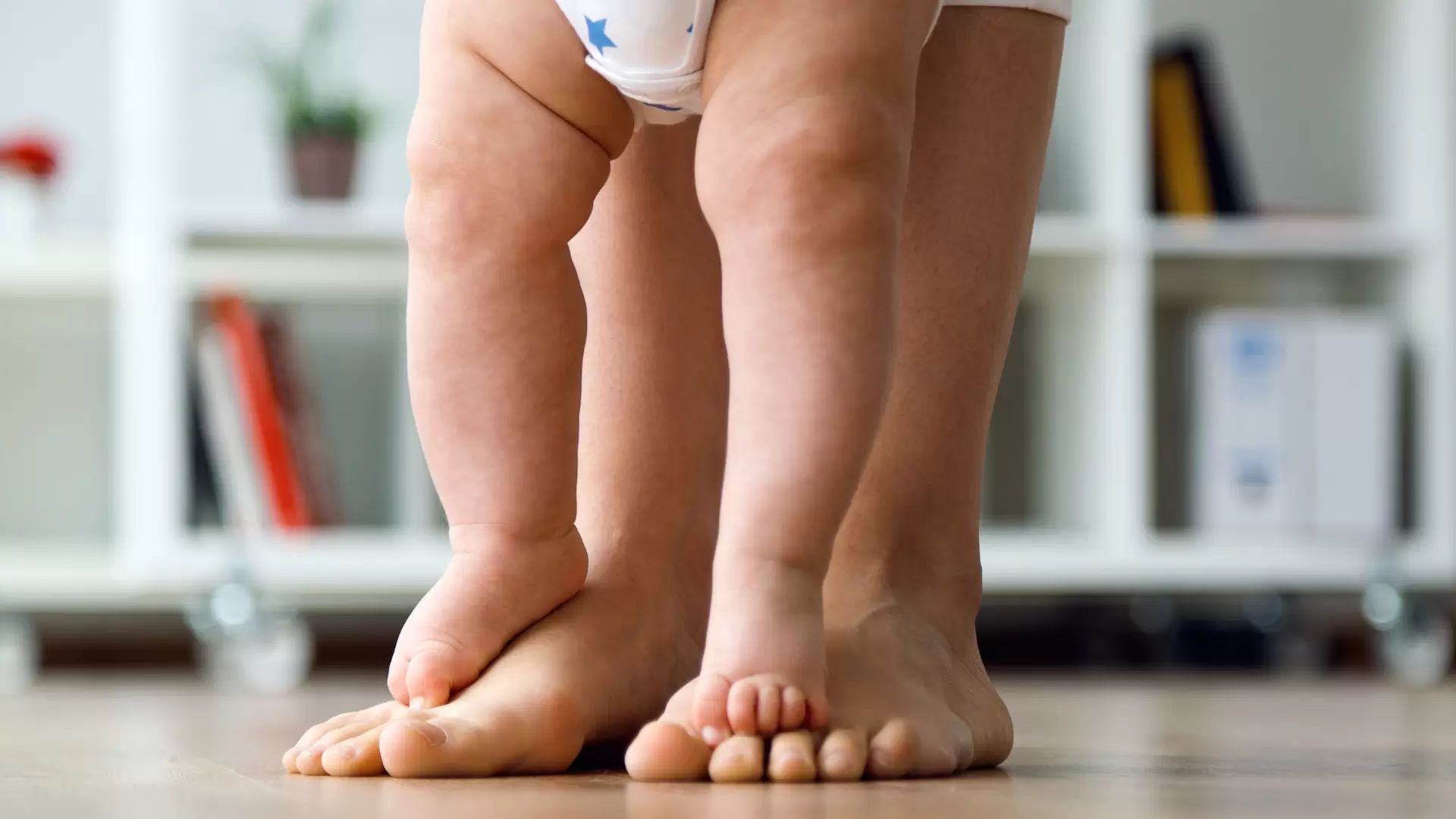
Normal bowing usually improves between 18 months and 3 years. But bow legs may indicate a medical issue if:
- Bowing worsens after age 2
- Your child has uneven bowing (one leg more curved)
- Walking looks unsteady or painful
- Your child tires easily or trips often
- There is a family history of bone/growth conditions
- The curvature is very pronounced
If left unaddressed, pathological bow legs can lead to:
- Knee pain
- Hip strain
- Early osteoarthritis
- Gait abnormalities
- Leg-length differences
- Difficulty with sports
- Reduced confidence during play
This is why early assessment matters.
Understanding Bow Legs in Children
Below, I’ll walk through the most common questions parents ask
What Are Bow Legs?

Bow legs occur when a child stands with their ankles together, but their knees remain far apart. This outward curvature of the lower legs is medically called genu varum.
What Does a Bow-Legged Child Look Like?
Parents often notice:
- Outward curve of the shins
- Wide gap between the knees
- Toes turning inward (intoeing)
- A slightly waddling gait
It tends to look more obvious when toddlers first start to walk.
What Is the Cause of Bow Legs?
Normal development (most common)

Newborns are naturally bow-legged due to their curled position in the womb. This usually resolves as they start:
- Standing
- Cruising
- Walking
Most children straighten naturally by age 2–3.
Vitamin D deficiency (rickets)

Rickets softens bones, causing pronounced bowing. Although uncommon in Singapore, it can occur with:
- Low sunlight exposure
- Poor dietary intake
- Medical malabsorption conditions
Blount’s disease
A growth disorder of the shinbone where bowing worsens over time. More commonly seen in:
- Early walkers
- Heavier toddlers
Bone growth conditions
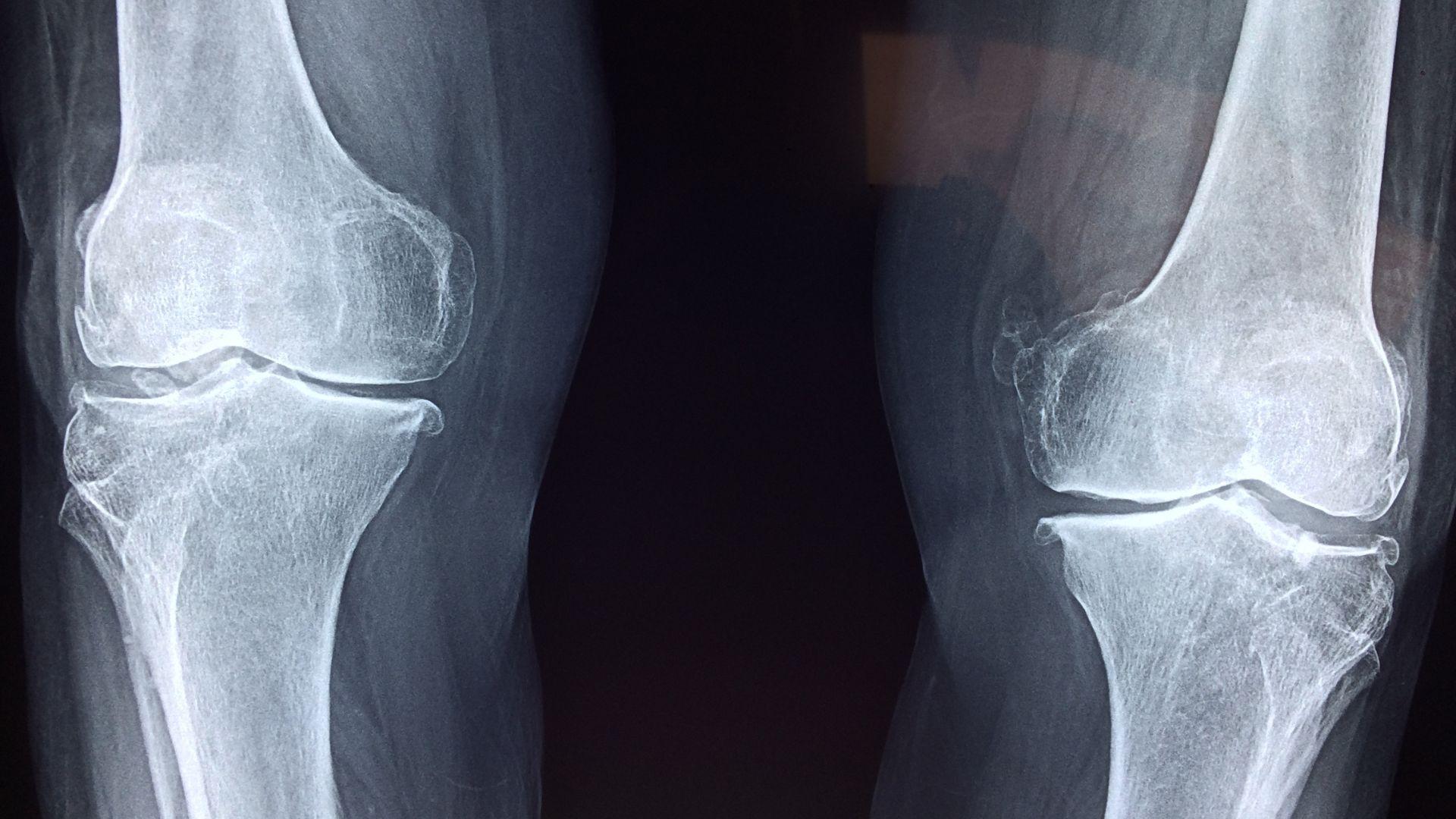
Genetic or metabolic disorders may cause progressive bowing.
Previous injury
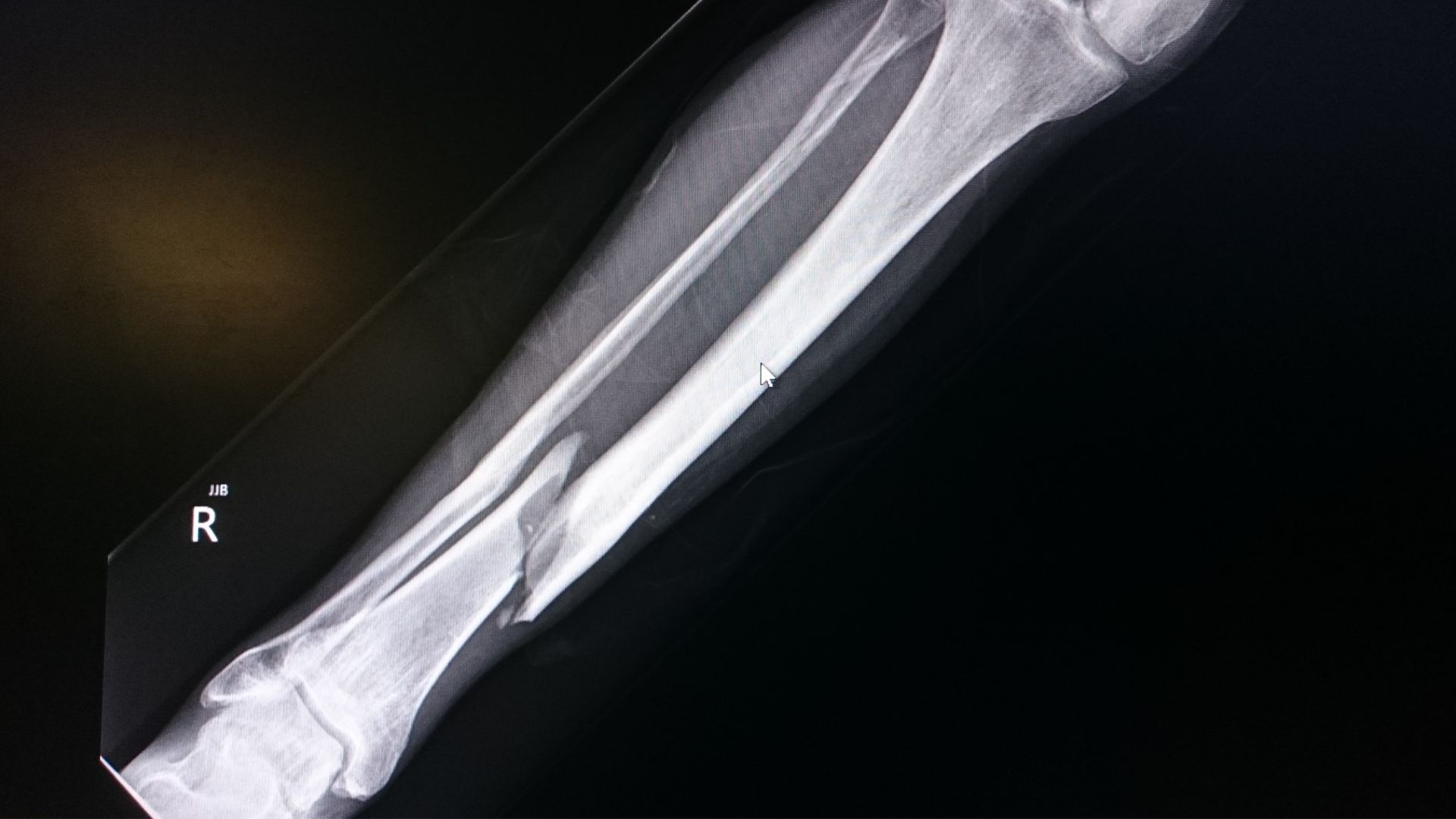
A fracture affecting the leg’s growth plates can cause bowing in one leg.
Are Bow Legs a Disability?
No, not in most children. Physiological (normal) bow legs are part of early growth.
Bow legs only become a functional disability if:
- Caused by Blount’s disease
- Related to bone disorders
- Severe enough to affect walking, alignment, or sports
What Deficiency Causes Bowed Legs?
Vitamin D deficiency is the main nutritional cause. It may lead to:
- Bone weakness
- Delayed walking
- Severe, persistent bowing
In Singapore, rickets is rare but can still occur.
Can Bow Legs Be Corrected?
Yes, depending on the cause.
- Normal toddler bowing
Resolves naturally by age 2–3.
- Vitamin D deficiency
Treatable with supplements.
- Blount’s disease / structural conditions
May require:- Bracing
- Physiotherapy
- Orthotics
- Guided-growth surgery (in moderate–severe cases)
- Gait-related bowing
Improved with:- Strengthening
- Alignment training
- Paediatric physiotherapy
Do Bow Legs Get Worse With Age?

Normal bowing improves with age. However, bow legs may worsen due to:
- Blount’s disease
- Rickets
- Bone disorders
- Growth plate injuries
- Lack of early intervention
If bowing persists past age 3, an assessment is recommended.
Are Bow Legs Serious in Adults?

They can be. Adults with untreated bow legs face a higher risk of:
- Knee osteoarthritis
- Knee and hip pain
- Uneven joint loading
- Gait problems
- Balance issues
- Difficulty with long-distance walking or sports
This highlights the importance of early evaluation in childhood.
What Is the Best Treatment for Bow Legs?
| Cause | Best Treatment |
| Normal bowing | Observation & monitoring |
| Vitamin D deficiency | Supplements + medical management |
| Blount’s disease | Bracing, physiotherapy, guided-growth |
| Growth abnormalities | Orthopaedic intervention |
| Gait/strength issues | Paediatric physiotherapy |
| Pain or imbalance | Strengthening + alignment retraining |
What Happens If Bow Legs Go Untreated?

Potential long-term effects include:
- Misalignment
- Knee arthritis
- Pain during walking
- Leg-length differences
- Reduced mobility
- Altered biomechanics during sports
But remember, normal bowing does not cause these problems. Only pathological bowing carries long-term risks.
How Physiotherapy Helps
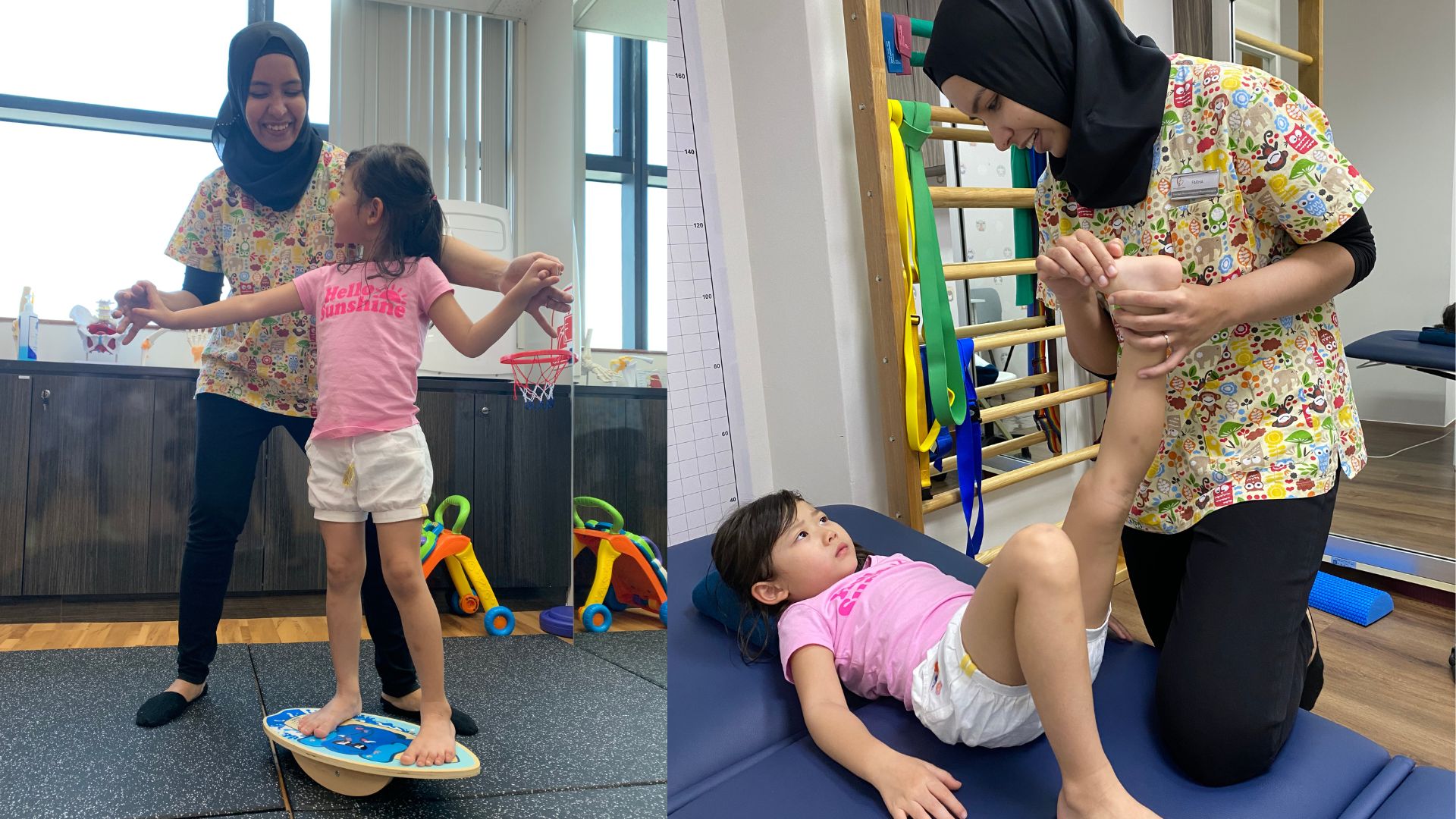
As a paediatric physiotherapist, my role is to:
- Assess leg alignment, hip/knee mechanics, and gait
- Monitor whether bowing aligns with normal development
- Strengthen supporting muscles in hips, knees, and ankles
- Improve balance and walking patterns
- Identify red flags requiring medical referral
- Educate parents on safe home exercises and play activities
Therapy is play-based, enjoyable, and customised to each child’s needs.
Exercises may include:
- Hip + knee strengthening
- Balance and coordination games
- Gait correction drills
- Functional movement play
Children learn best when movement feels fun, and we make sure of it.
When Should Parents Seek Help?
Book an assessment if your child:
- Has bow legs that persist beyond age 2–3
- Shows bowing that worsens over time
- Has uneven bowing (one side worse)
- Trips often or struggles with balance
- Complaints of pain in legs, hips, or knees
- Has a history of vitamin deficiency
- Walks with a noticeably unusual gait
- Seems less active or confident in play
Early assessment helps determine whether the bowing is normal or needs intervention.
Final Thoughts: Bow Legs Are Common, But Trust Your Instincts
Most bow-legged toddlers grow into confident, active children with straight legs, without needing treatment.
But when bowing looks severe, uneven, or persistent, early assessment provides clarity and peace of mind.
As a physiotherapist, my goal is to ensure your child moves comfortably, confidently, and safely.
Concerned About Your Child’s Leg Alignment? We’re Here to Help.
If you’re unsure whether your child’s bow legs are normal or need support, our paediatric team is here to guide you.
Book a paediatric physiotherapy assessment today. Let’s give your child the best start for healthy, confident movement.