

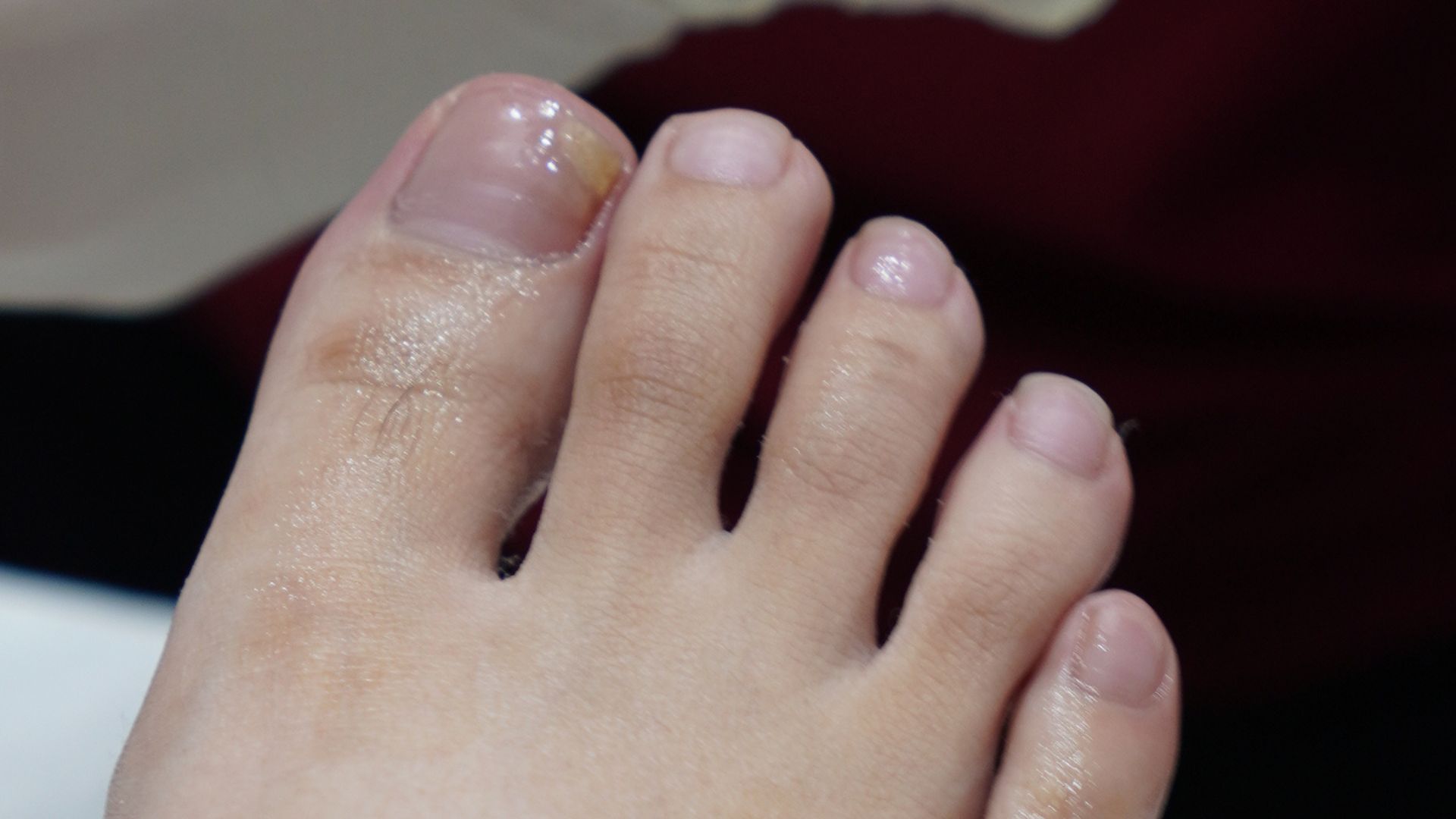
Quick Summary
Fungal nail treatment is the process of diagnosing and clearing a fungal nail infection (onychomycosis), a condition where fungi invade the nail plate and nail bed, causing yellow/brown discolouration, thickening, crumbling edges, and sometimes odour or discomfort. Treatment works best when it matches the severity and cause, because not every “thick nail” is fungal. In Singapore’s humid climate, especially for people who wear covered shoes or safety boots daily, warm, moist environments can increase risk and recurrence. Effective fungal nail treatment usually combines nail care + antifungal therapy + prevention, and results take time because nails grow slowly (toenails often need months to fully grow out).
What is fungal nail treatment?
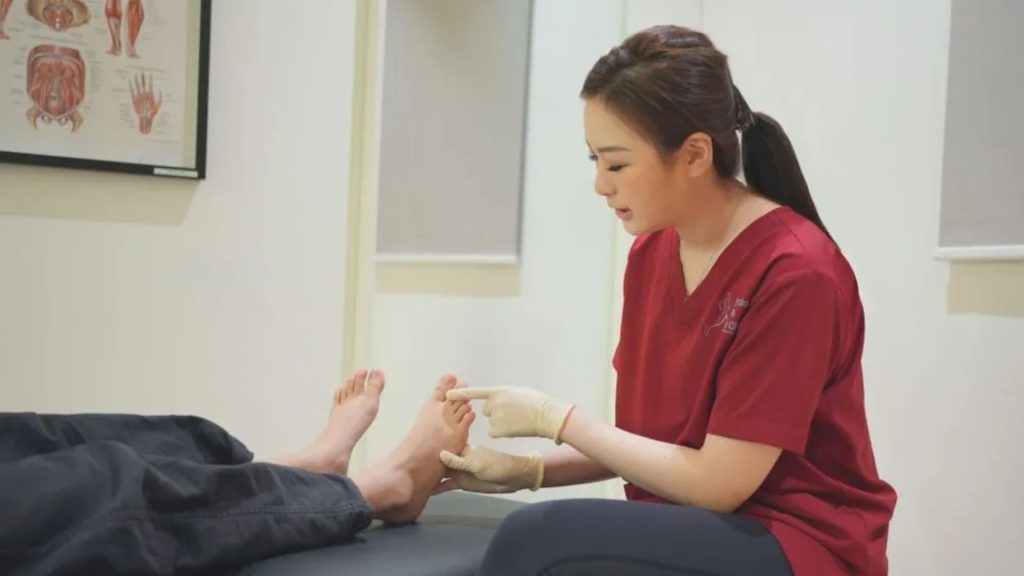
Fungal nail treatment refers to a set of medical and podiatry approaches used to confirm a fungal nail infection and remove or destroy the fungi while allowing a healthy nail to regrow. This can include:
- Topical antifungal lacquers/solutions
- Oral antifungal medication (when appropriate)
- Podiatry intervention, typically involves reduction/debridement (thinning and cleaning the nail to reduce fungal load)
- Prevention steps to stop reinfection (shoes, socks, hygiene, household spread)
Because toenails grow slowly, improvement is often gradual, even after the fungus is controlled.
Signs and symptoms of a fungal nail infection
A fungal nail infection doesn't always look identical from one person to the next, but a few signs tend to show up together as it progresses:
- Discolouration: nails turning yellow, white, or brown, sometimes in streaks or patches
- Thickening: the nail becomes noticeably thicker and harder to trim
- Brittleness: edges crumble, flake, or break apart easily
- Nail-bed separation: the nail lifts away from the skin underneath (onycholysis), sometimes trapping debris beneath it
- Foul odour: a musty smell as fungal buildup accumulates under the nail
- Redness or swelling of the surrounding skin: the skin bordering the nail can look inflamed or feel tender, particularly if a secondary infection develops
You don't need every symptom present for it to be fungal, and a discoloured nail isn't always fungal either (more on that below). If several of these signs are showing up together and worsening gradually over weeks or months, it's worth getting assessed rather than waiting it out.
Why are fungal nails an issue in Singapore?

Singapore’s heat and humidity often lead to increased moisture in your feet, especially if you wear:
- Covered school/work shoes daily
- Safety boots (construction, logistics, facilities)
- Sports shoes for long hours
Moist environments help fungi thrive, and fungal skin infection (“athlete’s foot”) can spread to the nails and back again if not treated consistently. Practical prevention measures like keeping feet dry, airing shoes, and choosing breathable footwear reduce recurrence risk.
Workplace note (if you wear safety boots): Singapore’s workplace safety framework emphasises health and hygiene practices at work and managing work-related health risks. If prolonged boot-wear is part of your job, it’s worth treating fungal infections early to reduce discomfort and downtime.
Who is most likely to need fungal nail treatment?
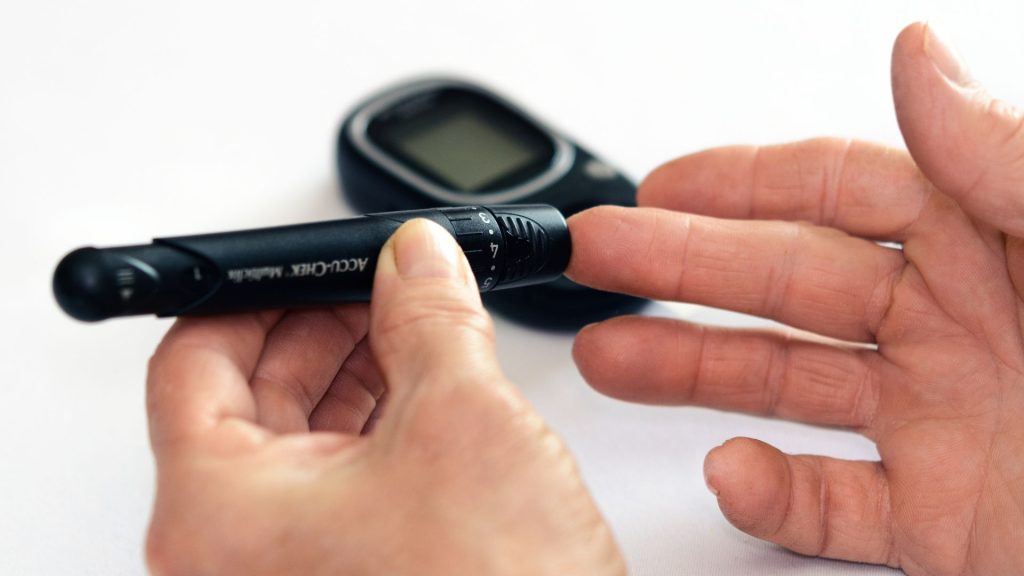
You’re at higher risk if you:
- Wear covered shoes/boots most of the day (hot, sweaty feet)
- Have recurring athlete’s foot
- Use communal showers/pools/gyms
- Have diabetes, poor circulation, or lowered immunity
- Have nail trauma (sports, tight footwear)
- Have family members with fungal infections (shared surfaces/items)
If you have diabetes or poor circulation, get your nails assessed earlier, as nail and skin infections can lead to complications if the skin breaks down.
What does “best fungal nail treatment” entail?
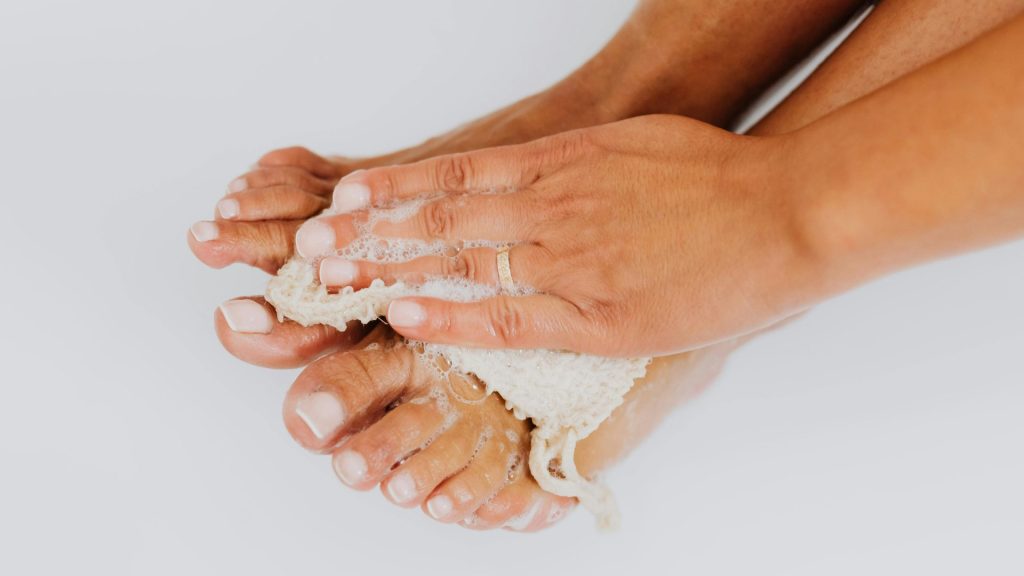
There isn’t one “best” option for everyone. The best plan is usually a combination based on severity:
- Confirm the diagnosis (many nail problems mimic fungus)
- Reduce nail thickness (so medication penetrates better)
- Use the right antifungal (topical vs oral, depending on extent)
- Treat the surrounding skin if athlete’s foot is present
- Prevent reinfection (shoe hygiene, sock choices, drying habits)
Topical nail lacquers (e.g., amorolfine) can take months, commonly 6 months for fingernails and 9–12 months for toenails.
What are the main treatment options, and how do they compare?
Topical antifungal (lacquer/solution)
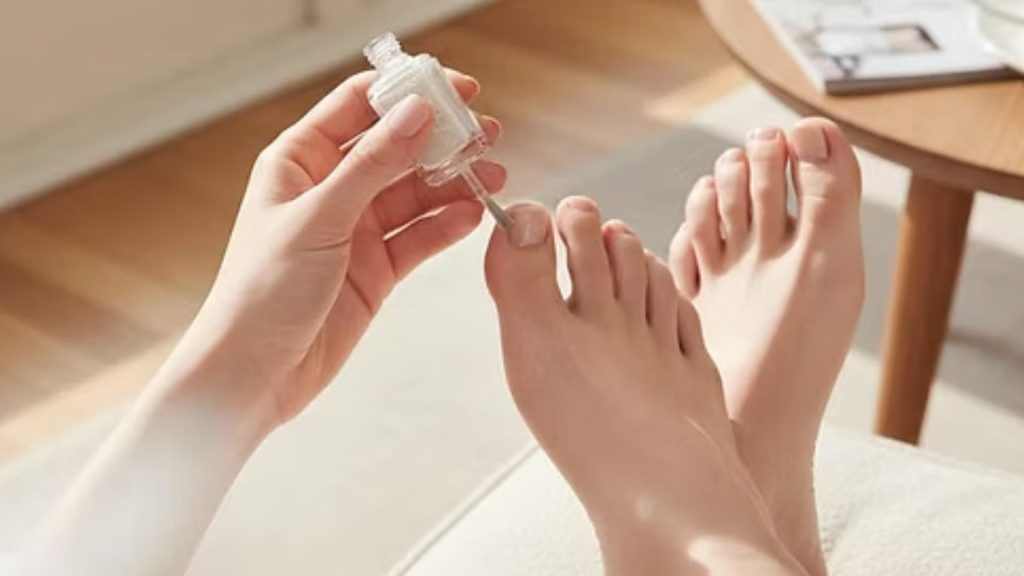
- Best for: mild to moderate infection (often when only part of the nail is affected).
- Pros: fewer systemic side effects; can be bought over the counter in some forms.
- Cons: slow; needs consistent use; may struggle to penetrate if the nail is very thick.
- Typical timeline: many months; toenails often 9–12 months.
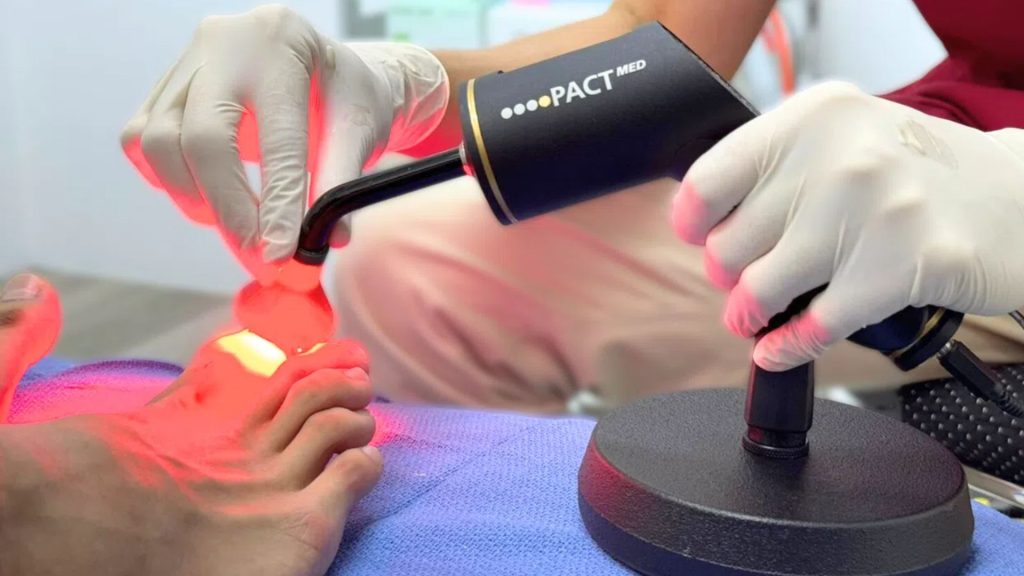
Photodynamic antifungal light therapy (PACT)
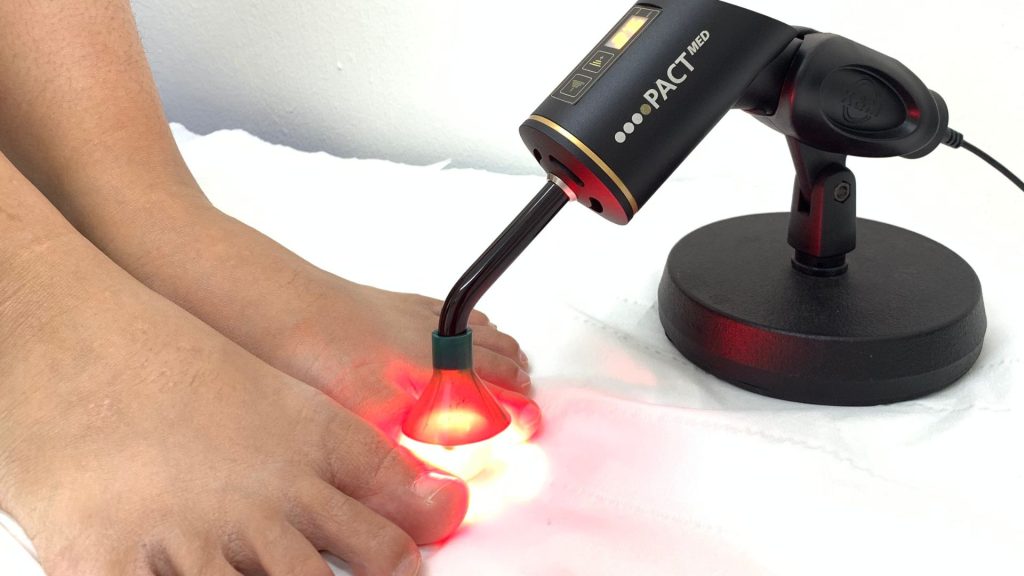
- Best for: moderate to severe infection
- Pros: highly effective, non-invasive, no side effects
- Cons: higher costs; requires repeated weekly sessions
- Typical timeline: 3-6 months
Physio & Sole Clinic offers this as a dedicated treatment; you can read more about the photodynamic antifungal light therapy programme here.
Oral antifungal tablets (e.g., terbinafine, prescribed)

- Best for: extensive infection, multiple nails, or deeper involvement.
- Pros: higher cure rates in suitable cases; treats from within the nail bed.
- Cons: not for everyone as there are possible side effects on the liver and kidney; can interact with other meds; requires clinician assessment and may need monitoring.
Common dosing references list terbinafine (adult) as 250 mg daily for 6 weeks (fingernails) or 12 weeks (toenails), with liver function monitoring recommended in some prescribing guidance.
Safety note: oral terbinafine has been linked to rare but potentially severe liver injury, so it should only be taken under medical supervision.
Podiatry nail care (debridement/thinning)
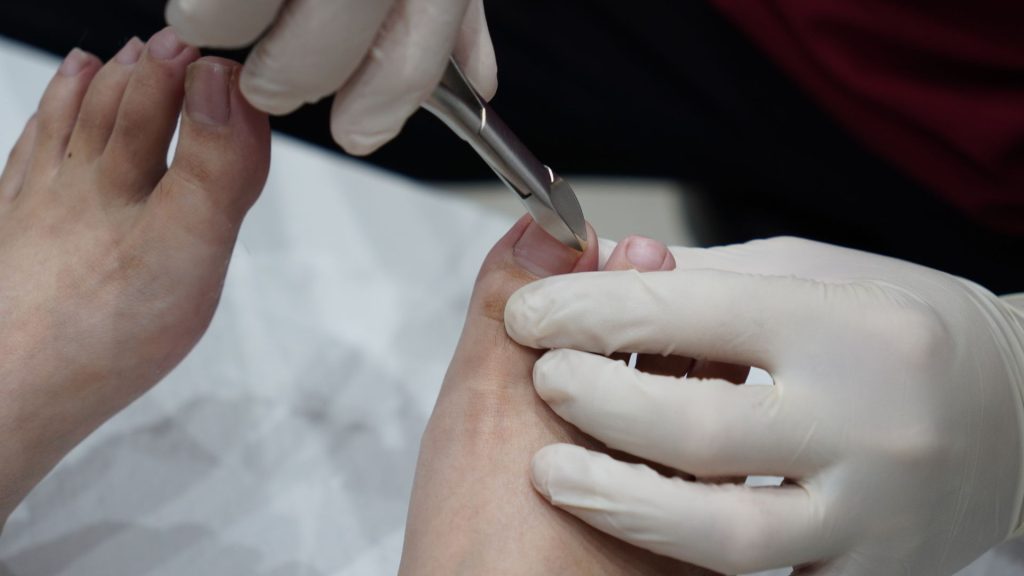
- Best for: thick, painful, hard-to-trim nails; improving topical penetration.
- Pros: immediate reduction in thickness/pressure; helps medication work better; supports prevention.
- Cons: usually needs repeat visits; doesn’t replace antifungal medication if infection is active.
Surgical or full nail removal (avulsion)
- Best for: severe, recurrent, or persistently thickened/painful nails that haven’t responded to topical, PACT, or oral treatment.
- Pros: removes the damaged nail plate entirely, allowing direct access to treat the nail bed and immediate relief from pressure and pain.
- Cons: more invasive than other options; involves a recovery period; the new nail can take many months to regrow and may still need antifungal follow-up to prevent recurrence.
Step-by-step: a practical fungal nail treatment plan
Step 1) Check if it’s really fungal (Week 0)
A clinician may assess nail appearance and history, and sometimes recommend testing (especially if you’ve tried treatments without success).
Clues it may NOT be fungal: only one nail affected, happened after trauma, psoriasis-like nail pitting, or chronic thickening without debris.
Step 2) Classify severity (Week 0)
A simple severity guide:
- Mild: small area, minimal thickening
- Moderate: thicker nail, more discoloration, multiple nails
- Severe: large portion affected, painful, crumbling, or infected close to the nail base
HealthHub guidance suggests seeking medical advice for nail fungus when more than half the nail is affected or if the surrounding skin is red/painful/swollen/pus-filled.
Step 3) Start the right treatment (Weeks 0–12+)
- Mild/moderate: topical lacquer/solution + nail trimming/thinning, consider photodynamic antifungal light therapy
- More extensive: a GP doctor may prescribe oral antifungal (commonly 6–12 weeks, depending on nail type)
Step 4) Fix the “reinfection loop” (Weeks 0–12 and ongoing)
This is where many people fail. Do these in parallel:
- Treat athlete’s foot if present (skin fungus spreads to nails and back)
- Dry feet properly (especially between toes)
- Rotate shoes; air them out; consider moisture-wicking socks
- Don’t share nail tools; use disposable files when filing infected nails
Step 5) Track progress realistically (Month 2–12)
Even if fungus is controlled, the nail may only look “normal” when it fully grows out, which can take months, especially for toenails.
“Fungal nail treatment near me”: what to look for in a clinic
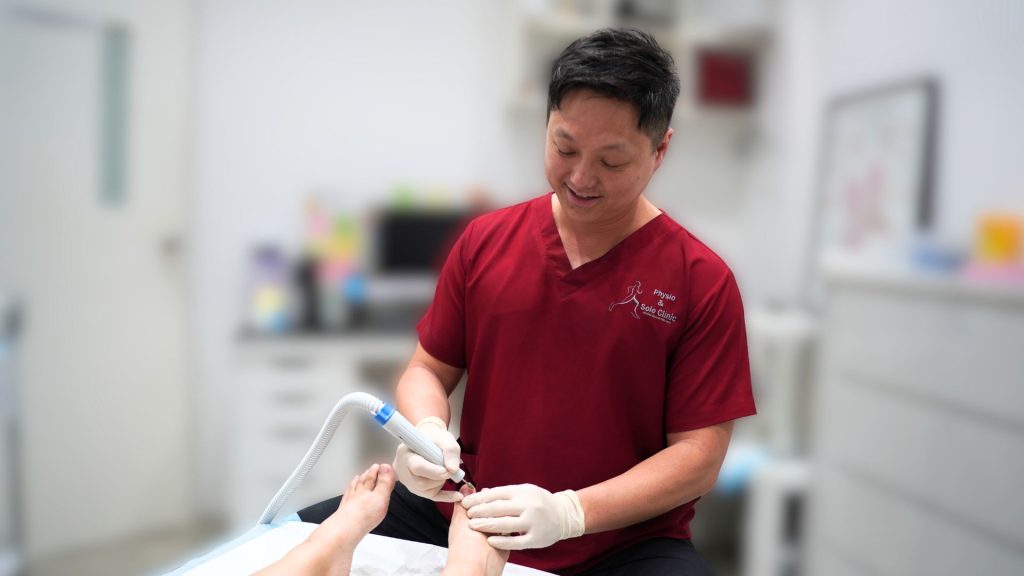
When choosing care in Singapore, look for a clinic that can:
- Assess whether it’s truly fungal
- Provide safe nail reduction (especially if painful/thick)
- Advise on topical vs referral for oral treatment when appropriate
- Give a prevention plan tailored to your shoe habits (boots, sports, school shoes)
Also, be cautious of “miracle cure” products, especially unregulated items from overseas. Singapore’s Health Sciences Authority (HSA) regularly publishes safety alerts to raise awareness about products with potent ingredients and side effects.
Common workplace and lifestyle questions
“I wear safety boots all day. Can I still clear fungal nails?”
Yes, but it’s harder if the feet stay damp. Prioritise:
- 2 pairs of socks per day (change midday if needed)
- Shoe rotation (don’t wear the same pair daily)
- Drying strategy after shifts (airing + drying feet fully)
“Can I just use topical creams on the nail?”
Skin creams don’t always penetrate the nail plate well. Nail lacquers/solutions are formulated for nails, and thick nails often benefit from thinning to improve penetration.
Risks of delaying treatment or doing it poorly
- Infection can spread to other nails or family members
- Thick nails can become painful, ingrown, or hard to manage
- Recurrence is common if shoes/socks/hygiene aren’t addressed
- Higher-risk individuals (e.g., diabetes) may face skin breakdown or secondary infection if the surrounding skin becomes damaged
Common myths about nail fungus
Myth: It’s just cosmetic, so it doesn’t really matter. Fact: Left untreated, fungal nails tend to thicken and can become painful under footwear, and edges may become ingrown. In people with diabetes or poor circulation, it can also raise the risk of skin breakdown around the nail.
Myth: An over-the-counter antifungal polish will clear it up quickly. Fact: OTC lacquers can help with mild cases, but they work slowly and need consistent use over many months. A thick nail often blocks the medication from penetrating properly, so nail thinning usually needs to happen alongside it.
Myth: It’ll go away on its own if I just wait. Fact: Fungal nail infections rarely clear up by themselves. Left alone, they usually persist or spread to other nails, especially in Singapore’s warm, humid conditions and with covered footwear.
Myth: Only older people get fungal nails. Fact: Age is a risk factor (nails grow slower and circulation can be reduced), but anyone who wears covered shoes for long hours, uses communal showers/gyms, or has had athlete’s foot can develop it, regardless of age.
Conclusion
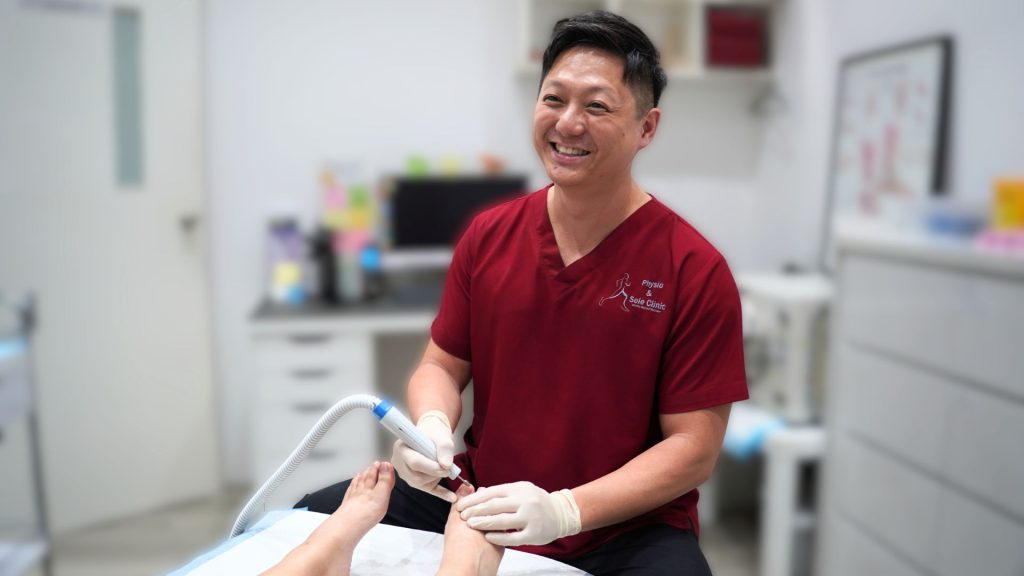
Fungal nail infections are common in Singapore’s humid climate, especially for people in covered shoes or safety boots daily. The most effective fungal nail treatment combines accurate assessment, the right antifungal approach (topical and/or prescribed oral), supportive nail care, and strong prevention to stop reinfection. If you’ve tried over-the-counter solutions with little progress, or the infection is extensive or painful, a clinical assessment can save months of trial-and-error.
If you’re dealing with thick, discoloured, painful nails or you’re unsure whether it’s truly fungal, Physio & Sole Clinic’s podiatry team can assess your nails, advise on treatment options, and guide prevention habits tailored to Singapore’s climate and your shoe routine. Book your appointment today.
Ready to feel better?
Book a consultation with our podiatry team to get an assessment tailored to you.
FAQ: Fungal nail infection and treatment
Topical nail treatments can take months, commonly 9–12 months for toenails. PACT can help to reduce treatment period to 3-6 months. Oral prescriptions may take weeks, but the nail still needs time to grow out.
The “best” depends on severity. Mild cases may respond to topical lacquer, PACT and nail care, while more extensive cases may require clinician-prescribed oral therapy and monitoring.
If more than half the nail is affected, the infection reaches near the nail base, or the surrounding skin is painful/swollen/red, or has pus, get assessed.
It’s uncommon. Without treatment and prevention, it often persists or spreads, especially in warm, humid conditions and covered shoes.
It can be effective, but must be prescribed. Oral terbinafine has rare but serious liver risks, so it should be used only under medical supervision and with appropriate monitoring when indicated.
Even after the fungus is controlled, the nail may need months to regrow and fully replace damaged portions.
Treat athlete’s foot, dry feet well, rotate shoes, use breathable footwear, and avoid sharing nail tools.