Skip to content


Written by
Wesley Chee
Director & Chief Sports Physiotherapist at Physio & Sole Clinic
A highly experienced sports physiotherapist with a strong background in musculoskeletal and sports rehabilitation, Wesley brings a performance-driven and evidence-based approach to injury management. He has a special interest in treating runners and shoulder conditions, and is passionate about helping patients recover, prevent injuries, and return to the activities they enjoy.
Quick Summary
Recovering from ACL reconstruction is a structured, phase-based process that typically takes 9 to 12 months, depending on your goals and sport.
Your ACL recovery timeline isn’t just about how many months have passed — it’s about meeting specific strength, movement, and control milestones before progressing.
While many patients aim to return to running by 3–6 months, getting back to sports like football or badminton safely requires guided rehabilitation and objective testing with a physiotherapist in Singapore.
In This Blog
In this guide, we will cover:
- What is Post-ACL Surgery Rehab?
- Why Does Your ACL Recovery Timeline Matter?
- Who Is This ACL Rehab Timeline For?
- What Does ACL Rehab Typically Include?
- Step-by-Step ACL Recovery Process
- Time-Based vs Milestone-Based Recovery
- Risks of Poor ACL Rehab Planning
- Frequently Asked Questions (FAQ)
- Conclusion
What is Post-ACL Surgery Rehab?
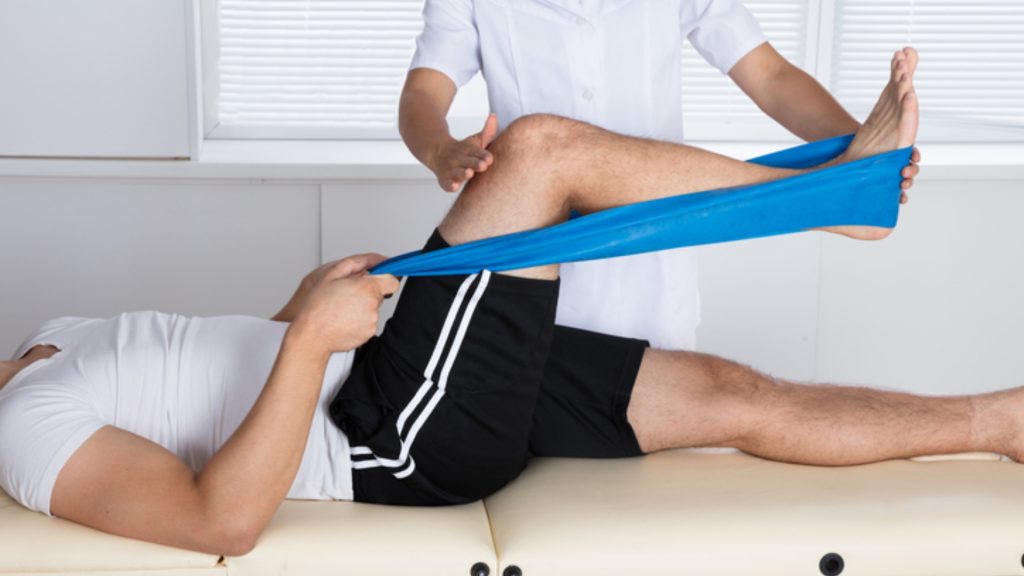
The post-ACL surgery rehab timeline refers to the structured recovery process after ACL reconstruction surgery.
It outlines how patients progress from reducing swelling and restoring knee movement to rebuilding strength, then advancing to running, agility, and eventually returning to sport.
Importantly, recovery is not based on time alone. A qualified physiotherapist in Singapore uses objective measures like strength, balance, and movement quality to determine when you are ready to progress.
This approach helps reduce re-injury risk and supports a safer return to activity.
Why Does Your ACL Recovery Timeline Matter?
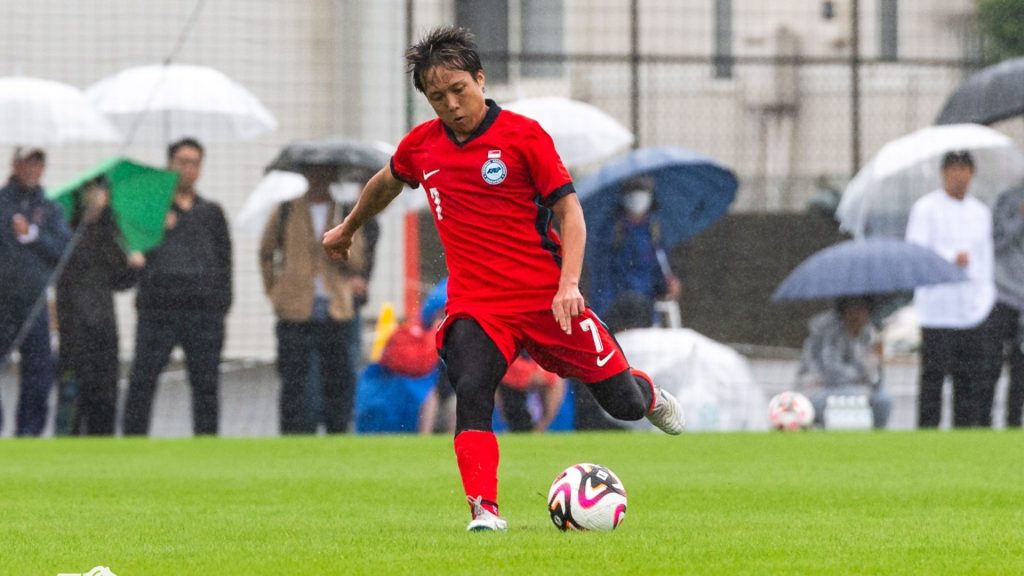
Many patients in Singapore expect a fixed recovery timeline, especially if they are eager to return to sports like football, badminton, or gym training.
However, one of the biggest misconceptions is:
“If I’m 6 months post-op, I should be ready.”
In reality, recovery depends on whether your knee is:
- Strong enough
- Stable enough
- Able to handle impact and change of direction
Rushing back too early can lead to:
- Re-injury
- Persistent instability
- Long-term performance issues
Why Does Your ACL Recovery Timeline Matter?
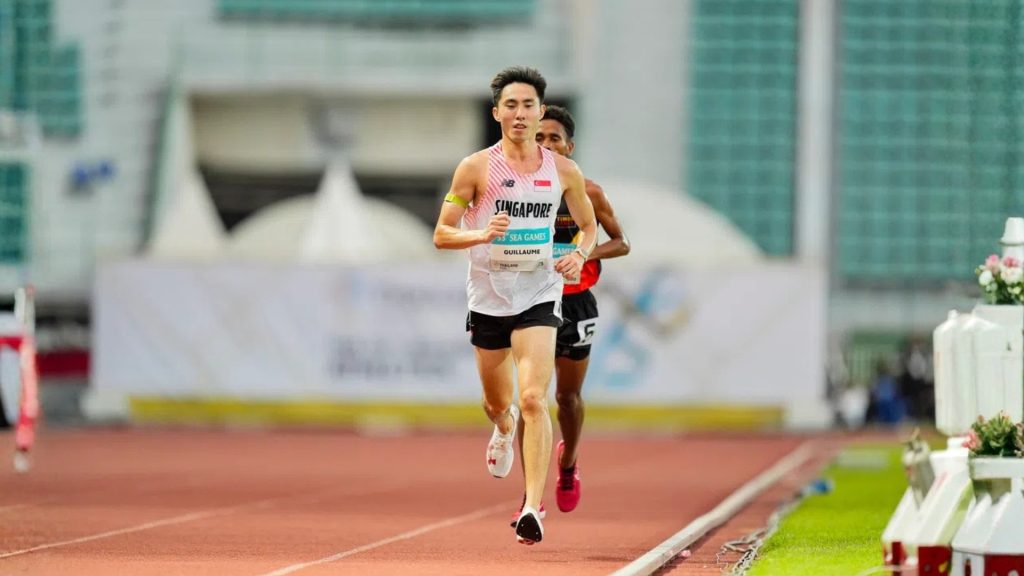
This applies to:
- Athletes returning to pivoting sports (football, badminton, etc)
- Recreational runners recovering from ACL surgery
- Active adults returning to gym training
- Patients worried about slow progress or stiffness
- Anyone looking for a physiotherapist in Singapore to guide recovery
Why Does Your ACL Recovery Timeline Matter?
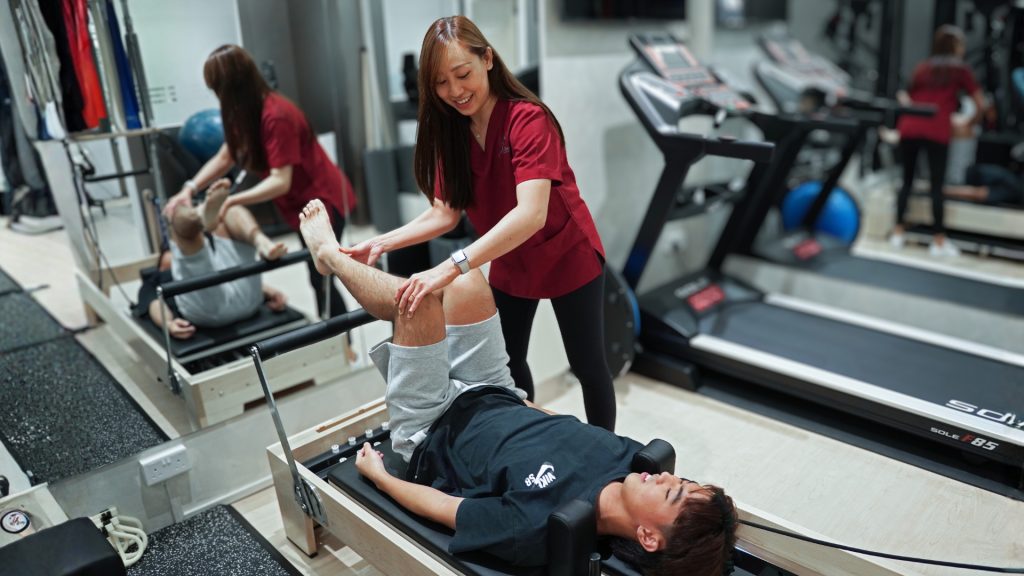
Phase 1 (0–6 weeks): Movement & Swelling Control
- Reduce swelling and pain
- Restore knee range of motion
- Activate quadriceps
- Normalise walking
Phase 2 (6–12 weeks): Strength & Stability
- Build strength in quadriceps, hamstrings, and glutes
- Improve balance and control
- Develop single-leg stability
Phase 3 (3–6 months): Power & Running
- Increase strength under load
- Introduce light plyometrics
- Begin running (if criteria met)
Phase 4 (6–12 months): Agility & Return to Sport
- Cutting, pivoting, deceleration
- Sport-specific drills
- Return-to-sport testing
Progression should always be guided by a physiotherapist, not just time.
Step-by-Step ACL Recovery Process
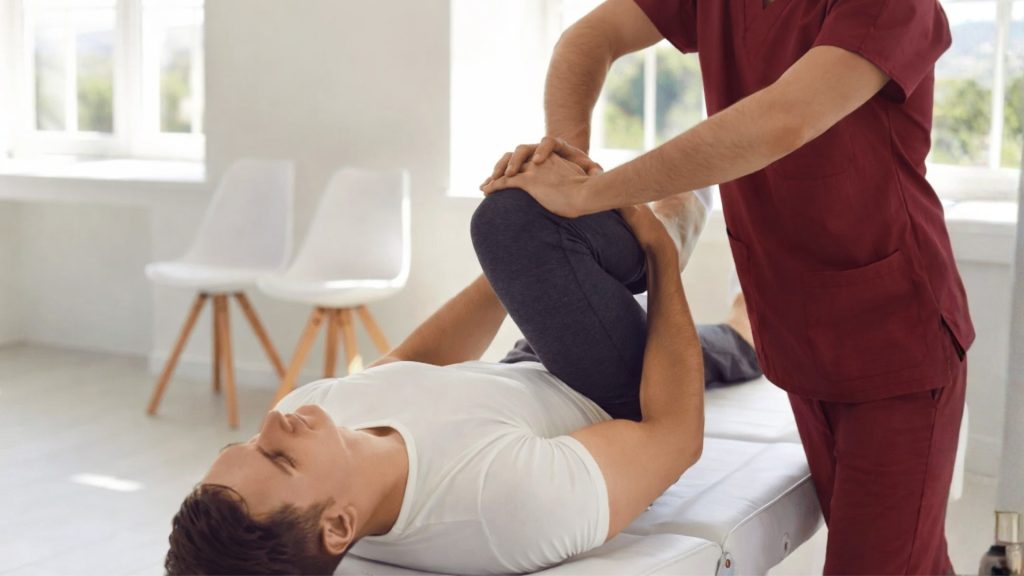
- Protect the knee early after surgery
- Restore full movement and reduce swelling
- Rebuild foundational strength
- Develop single-leg control
- Start running when ready (not rushed)
- Progress into agility and sport movements
- Pass objective return-to-sport tests
Time-Based vs Milestone-Based Recovery

One of the biggest mistakes after ACL surgery is assuming that recovery follows a fixed timeline. In reality, time alone does not determine whether your knee is ready.
Time-based approach
The time-based approach relies purely on how many months have passed since surgery.
- “3 months → start running”
- “6 months → return to sport”
This approach assumes that healing automatically equals readiness, and everyone recovers at the same rate. However, this is often misleading. Two patients at 6 months post-op can have very different levels of strength, control, and confidence.
Milestone-Based Approach (Recommended)
A milestone-based approach focuses on what your body can actually do, not just how much time has passed.
Progression is based on meeting specific criteria such as:
- Strength symmetry
- Functional performance
- Movement quality
This is why working with a physiotherapist in Singapore who uses objective testing is critical before returning to your sport.
Overall, time tells you how long it’s been, while milestones tell you if you’re actually ready.
Risks of Poor ACL Rehab Planning
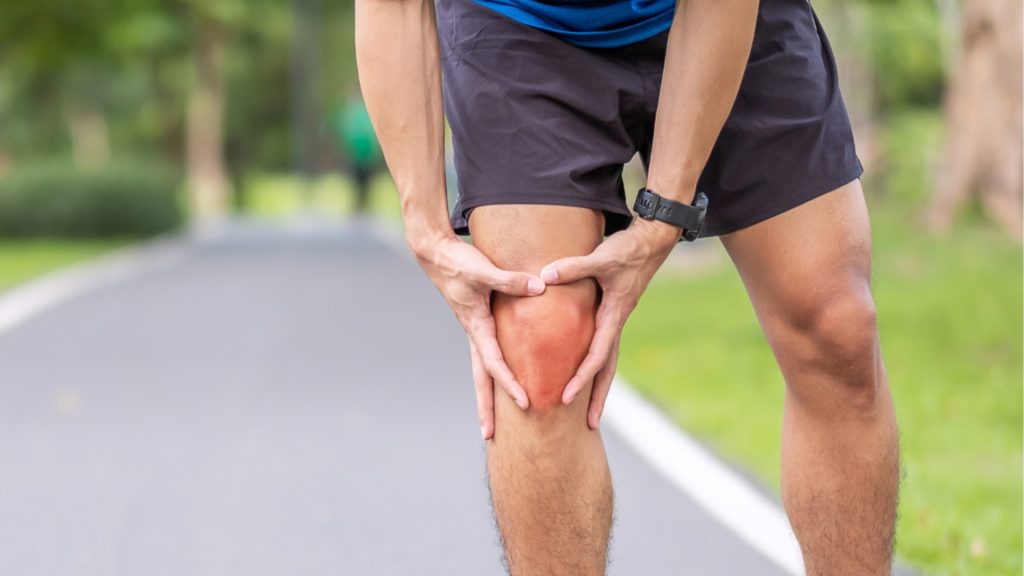
Some risks of poor ACL rehab planning include:
- Starting running too early
- Persistent muscle weakness
- Ongoing stiffness and swelling
- Poor movement patterns
- Higher risk of re-injury
The biggest mistake is relying on time alone instead of a proper assessment.
Frequently Asked Questions (FAQ)
1. When can I start running after ACL reconstruction?
Most patients start around 3 to 6 months, but only if they meet strength and control benchmarks.
Recovery progresses through:
2. What are the phases of ACL rehabilitation?
- Mobility and swelling control
- Strength and stability
- Power and running
- Agility and return to sport
3. Why is my knee still stiff 3 months after surgery?
This is common and may be due to:
- Incomplete range of motion
- Residual swelling
- Muscle tightness
4. Can I return to football or badminton in 6 months?
Not necessarily. You need to pass strength and movement tests, not just hit a timeline.
5. Why does my knee feel weak even though pain is gone?
Pain can improve faster than strength. Muscle deficits often remain if not properly trained.
6. Is running enough before returning to sport?
No. Sports involve:
- Cutting
- Pivoting
- Sudden changes in direction
Conclusion
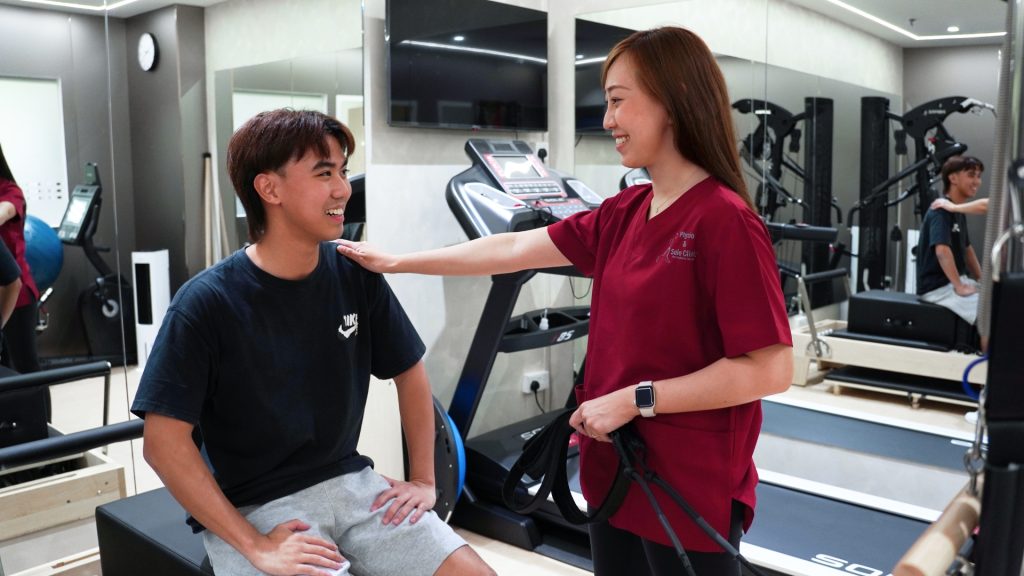
ACL recovery is not just about waiting for time to pass, it is a structured, milestone-driven process that requires the right progression at every stage.
Many patients focus on when they can start running again, but returning to high-demand sports like football or badminton safely depends on much more than that. While running may begin around 3–6 months, returning to sport safely depends on strength, control, confidence, and proper testing.
The key to long-term recovery is following a guided approach that rebuilds both strength and movement quality.
At Physio and Sole Clinic, we provide a structured rehabilitation plan through personalised physiotherapy, movement analysis, and return-to-sport testing to help you recover confidently and return to the activities you love.
If you’re still unsure about your recovery progress or when it’s safe to return to sport, book an appointment with Physio & Sole Clinic for a structured assessment and personalised rehab plan.