
Quick Summary
Pregnancy brings hormonal and postural changes that can lead to lower back pain or pelvic girdle pain, affecting more than two-thirds of women. The good news is these symptoms are manageable — this guide covers why they happen, practical tips for pain relief, and how a physiotherapist can help you stay comfortable and active during and after pregnancy.
Why Does Pregnancy Cause Pain?
During pregnancy, your body undergoes multiple physiological changes, which includes the following:
- Hormonal change:
In preparation for childbirth, a hormone called relaxin is released, which relaxes the ligaments in the pelvis, and softens and widens the cervix.
- Postural and mechanical change:
As your baby grows bigger, your center of gravity shifts, which may lead to the lower back overarching. Your abdominal muscles are also stretched and become less activated.
These changes may unfortunately lead to lower back pain or pelvic girdle pain. It is estimated that more than two-thirds of women experience these pains during pregnancy. It is advisable to seek professional help early to manage and reduce existing symptoms, and ensure that they do not affect your quality of life during and after pregnancy.

Tips for Pain Relief
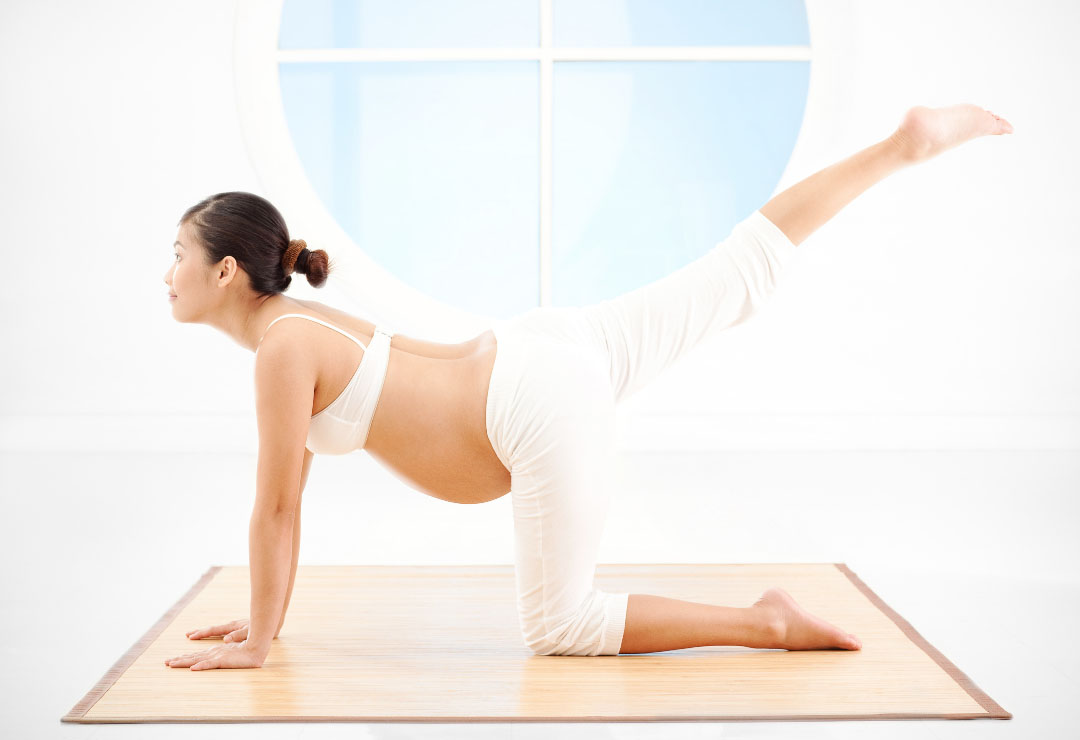
Stretching and strengthening exercises:
- Pelvic tilts can help to relieve back aches
- Pelvic floor exercises are important for core stability and continence
Care for your back
- Understanding proper lifting techniques
- Managing loads and distributing loads evenly
Get the right gear
- A maternity support belt may help to relieve pain
- Good footwear is important in relieving or preventing aches in your feet
Include physical activity in your daily routine
- Regular exercise helps to strengthens muscles in general
- Safe exercises during pregnancy include walking, stationary cycling or swimming
How Can a Physiotherapist Help?
A physiotherapist can provide:
- Education on proper postures and positioning during pregnancy
- Advice on relevant maternity supports if required
- Pain relief with manual therapy to restore normal joint and soft tissue movement
- Targeted exercises to strengthen and stretch muscles
- Instructions on how to start or continue general exercise to maintain physical fitness
Feel free to send in any queries to our Ask A Physio Whatsapp service and we will be happy to assist you.
Ready to feel better?
Book a consultation with our physiotherapy team to get an assessment tailored to you.